Muscle guide · Arms

Biceps brachii

Also called biceps, bis

The biceps brachii is the spindle-shaped muscle on the front of the upper arm. Its short head starts on a bony hook at the front of the shoulder blade and its long head on the top rim of the shoulder socket; both meet in a tendon to a bump on the forearm just below the elbow.

It bends the elbow, but its strongest job is turning the palm up (supination), as when you turn a key or a screwdriver; the brachialis underneath does much of the elbow bending.

6 exercises2 stretches8 with 3D demos8 sourcesUpdated 17 October 2026

Where the biceps brachii is and what it does

Shaded: the biceps area. It marks the region, not the exact outline of the biceps brachii.
What it does
  • Turns the palm up, most powerfully with the elbow bent: turning a key or screwdriver.Forearm supination
  • Bends the elbow, alongside the brachialis.Elbow flexion
  • Weakly helps lift the arm forward, because it crosses the shoulder.Weak shoulder flexion
Nerve supply
Musculocutaneous nerve (C5, C6).

Sources 1, 2, 3

The parts of the biceps brachii

PartStarts atAttaches toWhat it does
Long headTop rim of the shoulder socket (supraglenoid tubercle)Bump on the thumb-side forearm bone (radial tuberosity)Bends the elbow and turns the palm up; its tendon runs through the shoulder joint
Short headBony hook at the front of the shoulder blade (coracoid)Radial tuberosity, slightly lower than the long headBends the elbow and turns the palm up

Sources 1, 2, 3

Exercises for the biceps brachii

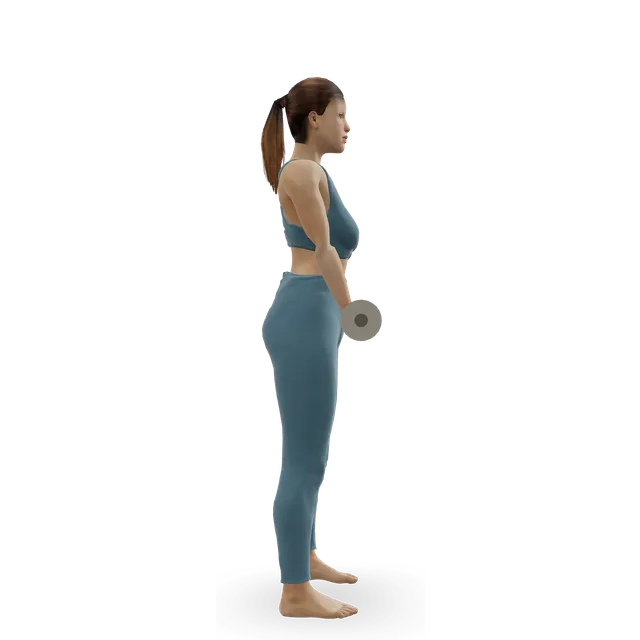
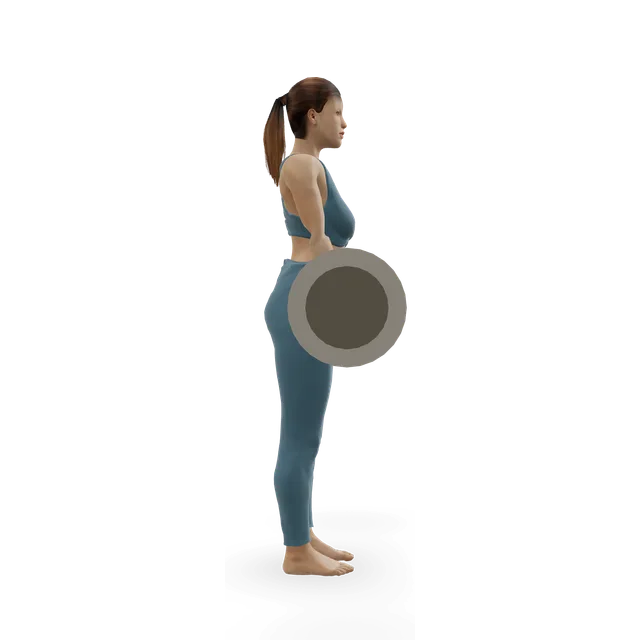
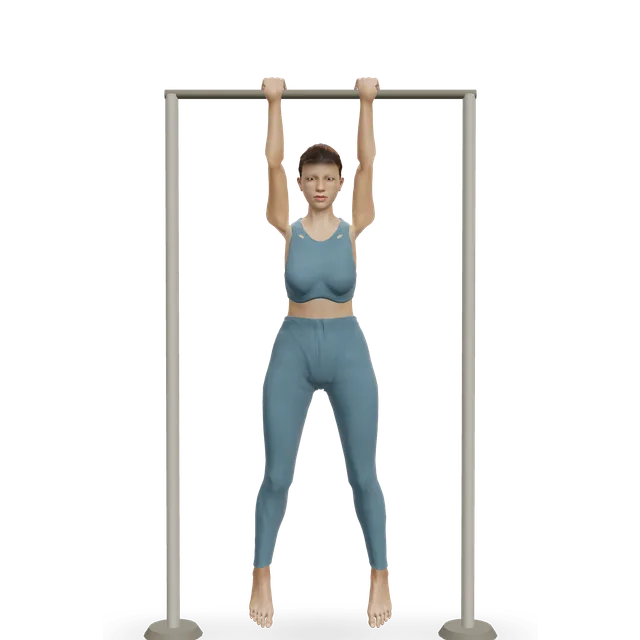
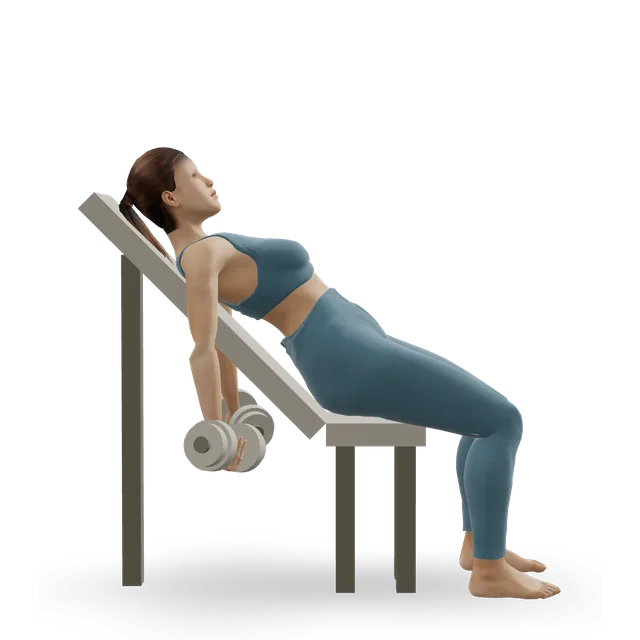
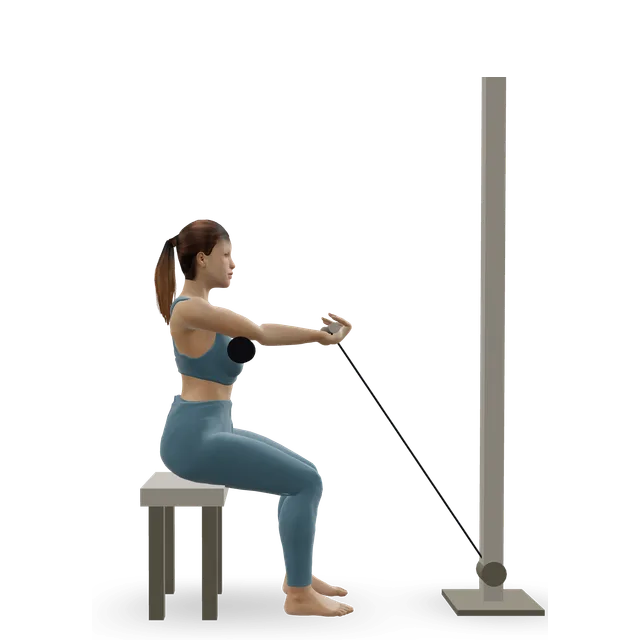
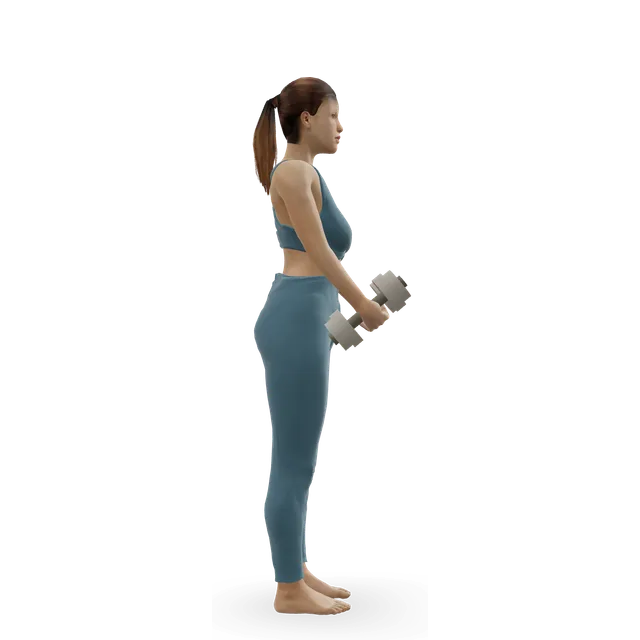
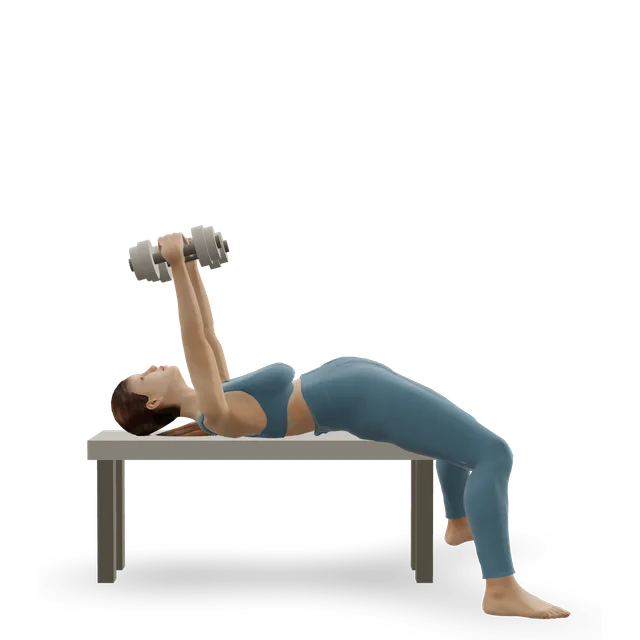
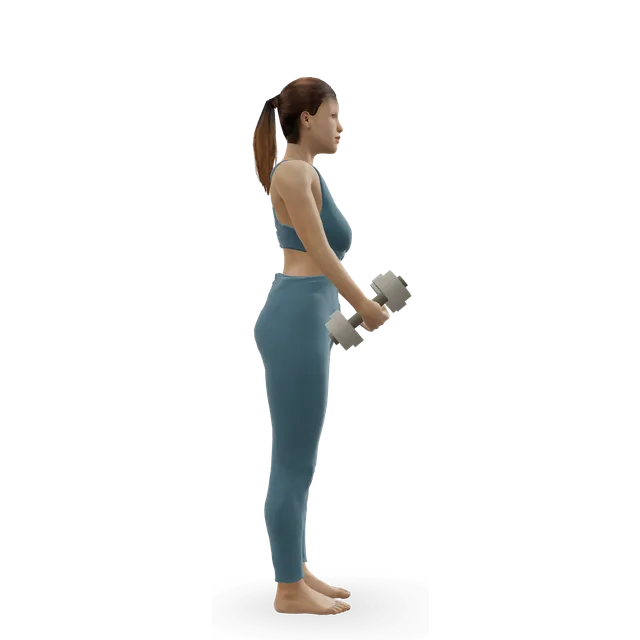
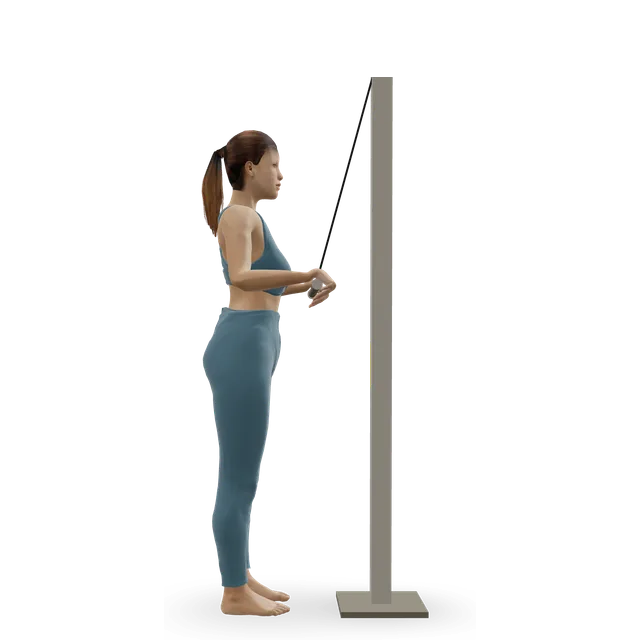
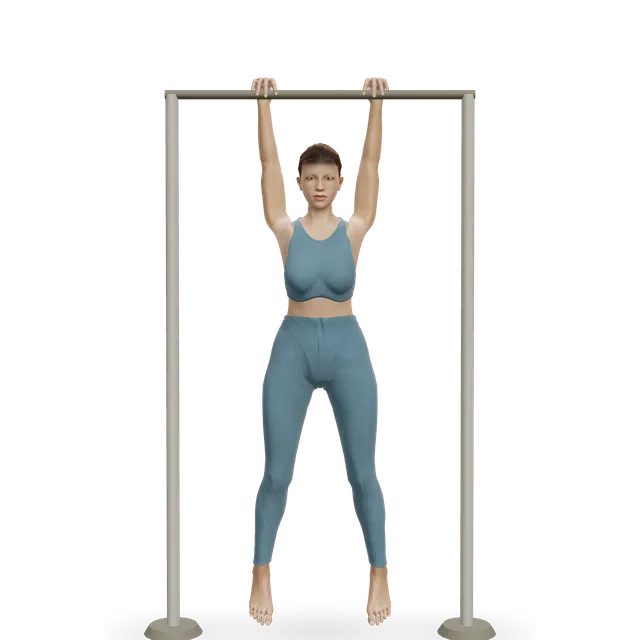
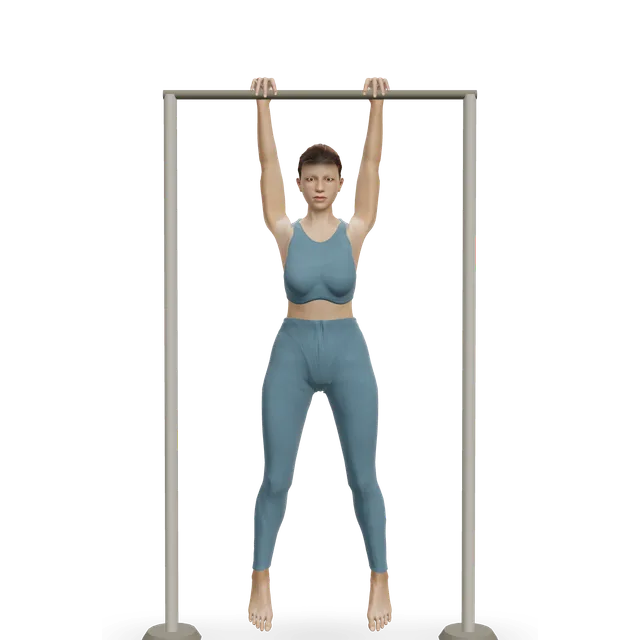
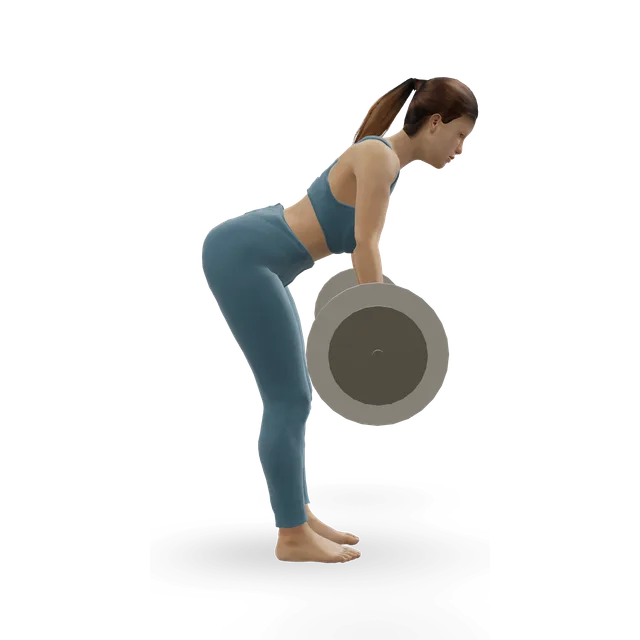
Chin-ups worked the biceps more than pull-ups. In a small EMG study, biceps activity during curls was similar with palms up, neutral or down.

Stretches for the biceps brachii

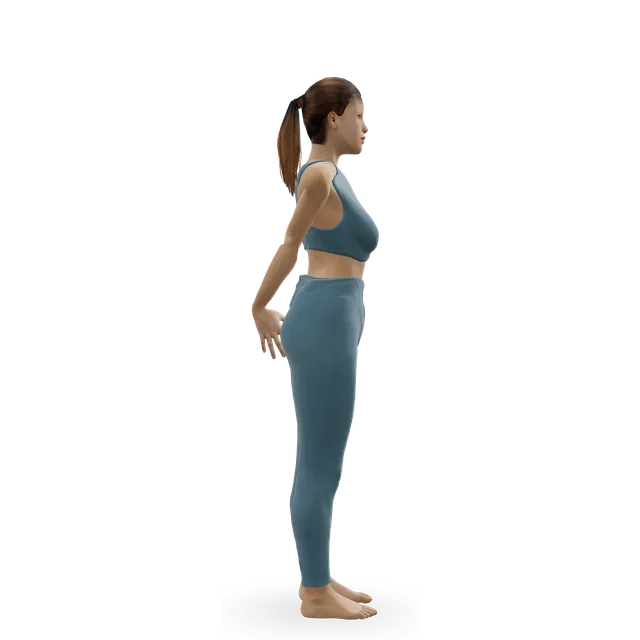
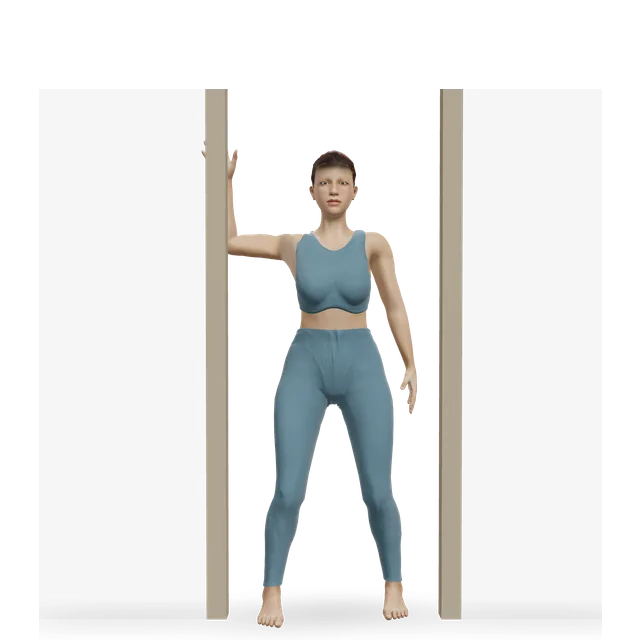
Arm straight and behind you with the palm turned down reverses all three of its actions.

Problems linked to the biceps brachii

Biceps tendon pain at the front of the shoulder

Long-head tendinopathy causes pain at the front of the shoulder, worse lifting overhead. It usually comes with other shoulder problems, most often rotator cuff disease; primary cases occur in young throwing and hitting athletes.

Sources 2, 4

Ruptures

A long-head rupture at the shoulder leaves a 'Popeye' bulge and is usually managed without surgery. A rupture at the elbow, typically from catching a load heavier than expected, causes a pop, bruising and weak palm-up turning; it is much more common in men aged 35 to 54 and usually needs surgery, otherwise supination strength falls by about 30 to 40%.

Sources 3, 5, 1

Myths worth dropping

Each grade rates the evidence for the correction.

The biceps is the main elbow flexor

The muscle-specific StatPearls chapters describe the brachialis as the primary elbow flexor and the biceps as mainly a supinator. It bends the elbow; it is just not doing it alone.

Sources 1, 3, 8

Hammer curls hit the biceps differentlyEmerging evidence

In a small EMG study, biceps activity did not change with grip; what rose with a palm-down grip was the brachioradialis.

Source 6

Routines that train it

Questions people ask

What does the biceps do?

It turns the palm up (its strongest action) and bends the elbow, with help from the brachialis underneath.

What is the best biceps exercise?

Curls with any grip work it; chin-ups also work it hard, more than pull-ups.

What are the two heads of the biceps?

The long head from the top of the shoulder socket and the short head from the front of the shoulder blade.

Muscles it works with

Sources

  1. StatPearls · Anatomy, Shoulder and Upper Limb: Biceps Muscle (2024)
  2. StatPearls · Proximal Biceps Tendinitis and Tendinopathy (2023)
  3. StatPearls · Biceps Tendon Rupture (2023)
  4. AAOS OrthoInfo · Biceps tendinitis
  5. AAOS OrthoInfo · Biceps tendon tear at the elbow
  6. Kleiber 2015 · Biceps and brachioradialis activity with different hand positions (Front Physiol)
  7. Youdas 2010 · Muscle activity in pull-ups, chin-ups and a rotating-handle variation (J Strength Cond Res, abstract)
  8. StatPearls · Anatomy, Shoulder and Upper Limb: Brachialis Muscle (2023)

Anatomy and movement education, not a diagnosis or treatment plan. If you have pain that follows an injury, is severe or getting worse, or comes with numbness, weakness or swelling, get it assessed. Health disclaimer.