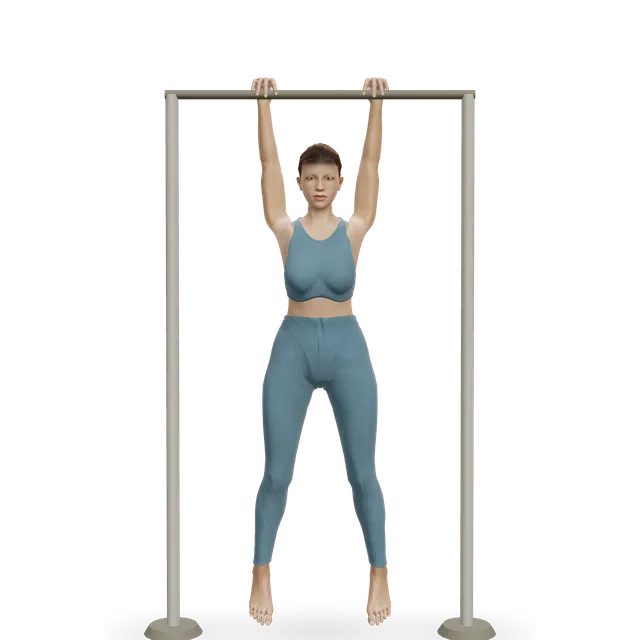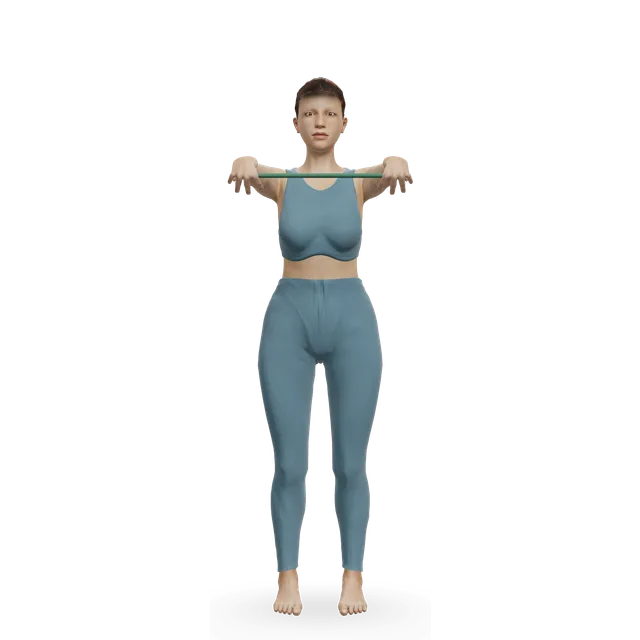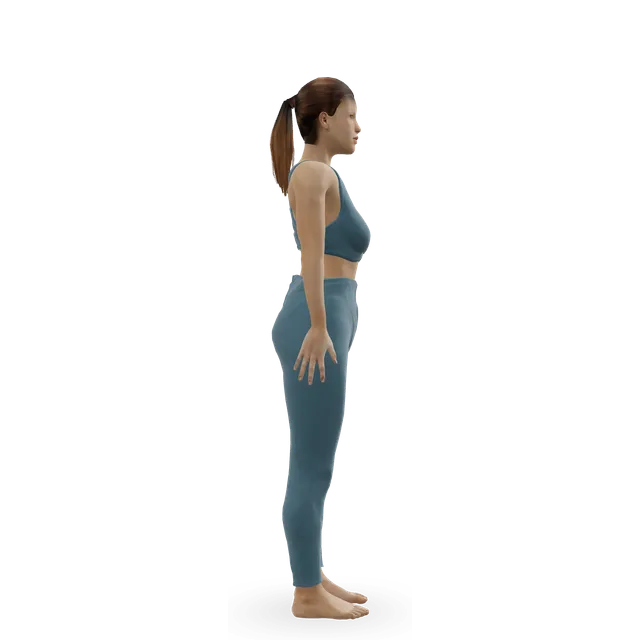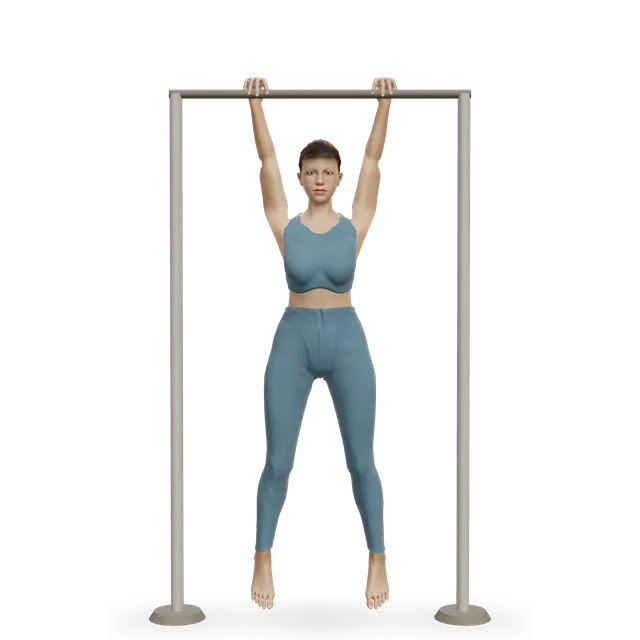
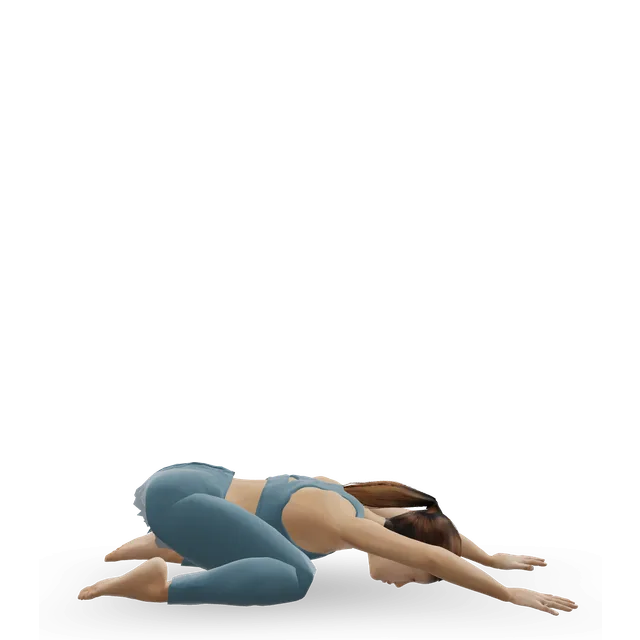
Limited overhead reach
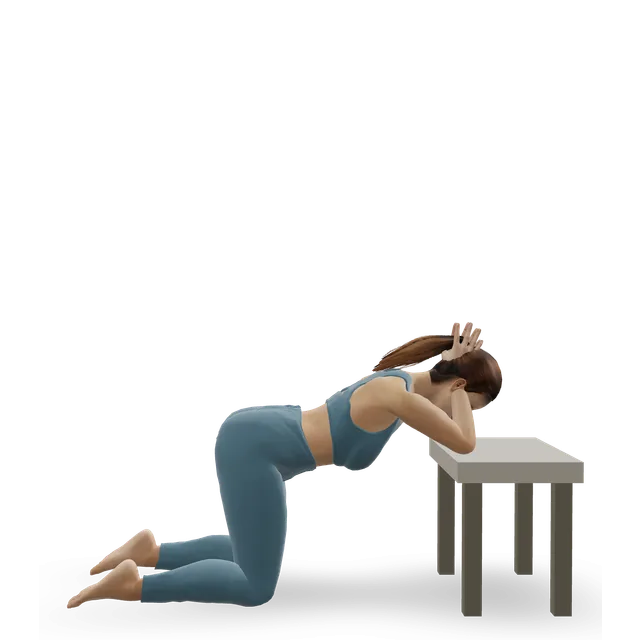
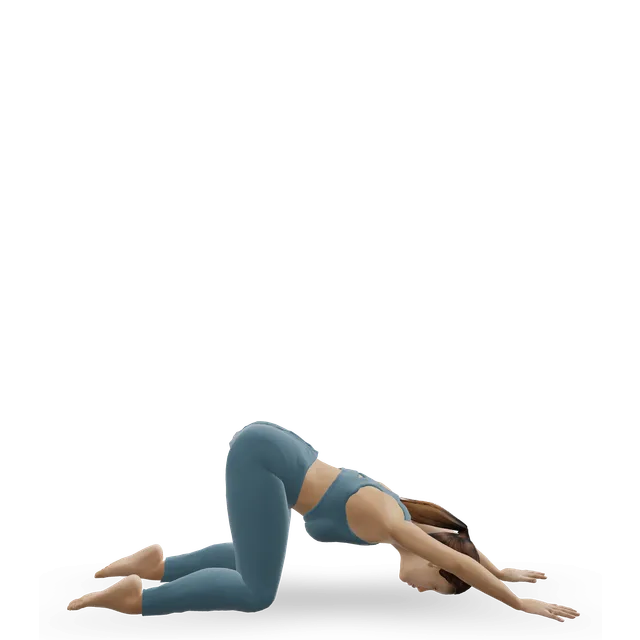
Short or stiff lats can limit raising the arm overhead, so the low back arches and twists to make up the difference. Their length is worth checking in low back pain as well.
Source 1
Muscle guide · Back
Also called lats, back wings
The latissimus dorsi is a broad, flat muscle covering most of the lower back of the rib cage. It starts from the spine between the shoulder blades and the pelvis, the back of the hip bone and the lowest ribs, and sweeps up and out to the armpit, twisting as it goes to attach to the front of the upper arm bone.
It pulls the arm down and back, and when your hands are fixed it pulls your body up to them, as in climbing or a chin-up.
Pull-ups and chin-ups drove lat activity above 100% of a maximal test; the chin-up added more biceps and chest, the pull-up more lower trapezius. Pulldowns to the front beat behind-the-neck in one study, and straight-arm pulldowns and pullovers are standard lat builders.
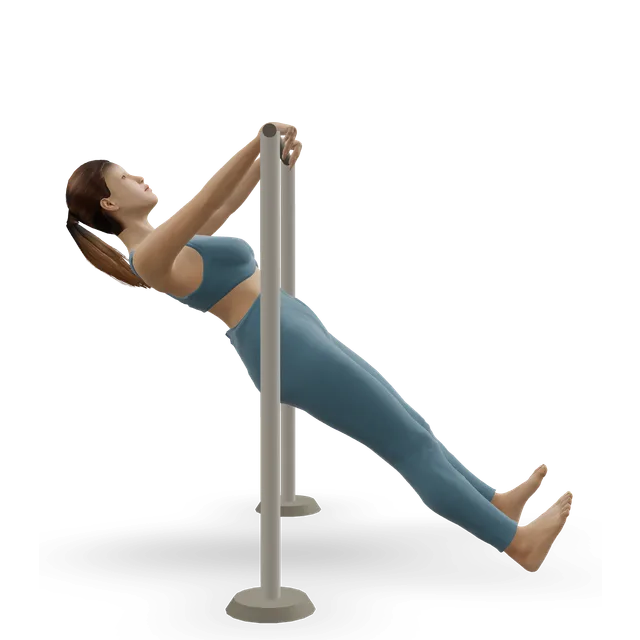
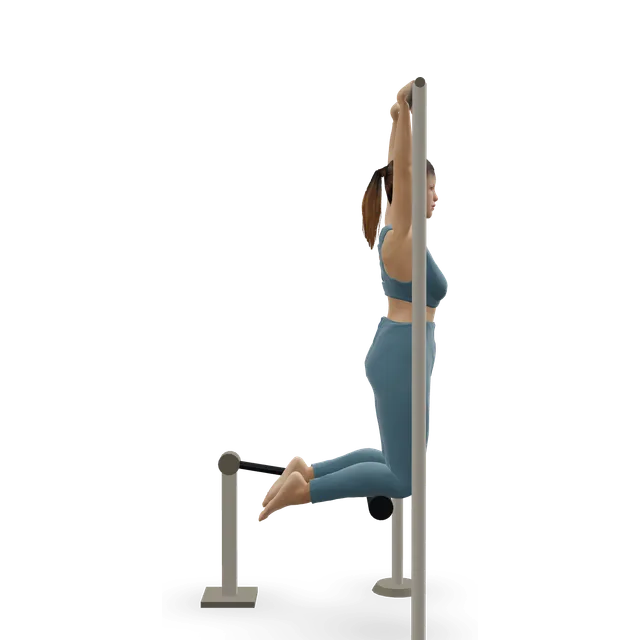
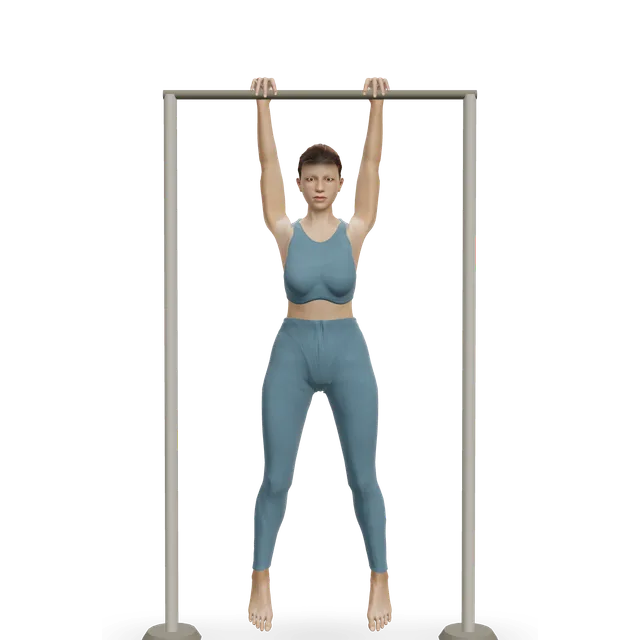 3D demoPull-upAdvanced · Pull-up bar
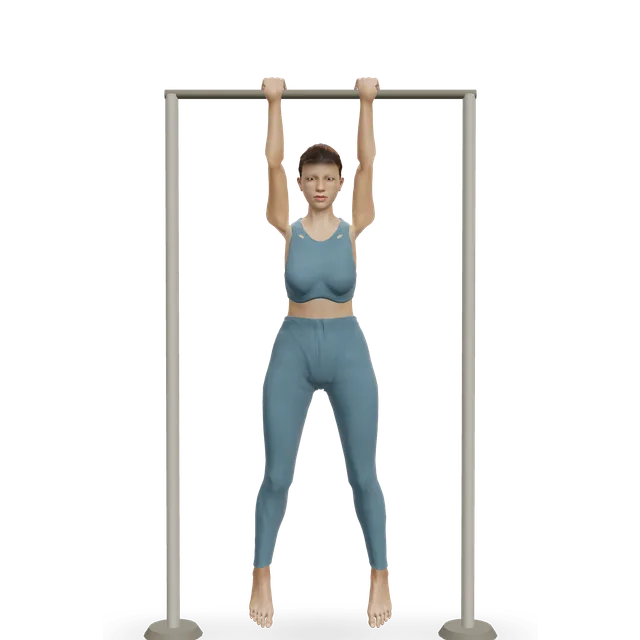 3D demoChin-upAdvanced · Pull-up bar
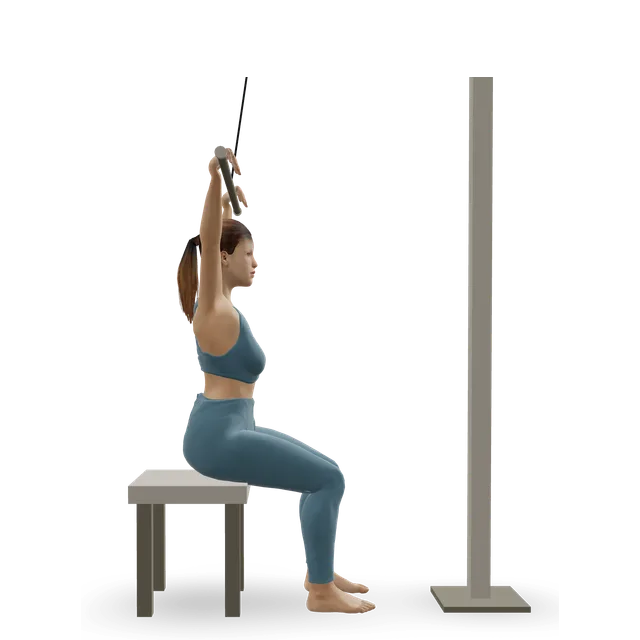 3D demoLat pulldownBeginner · A cable machine
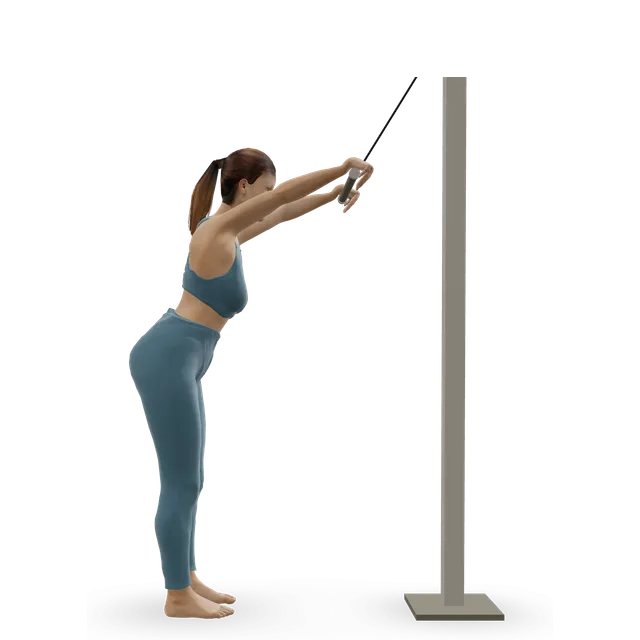 3D demoStraight-arm pulldownBeginner · A cable machine
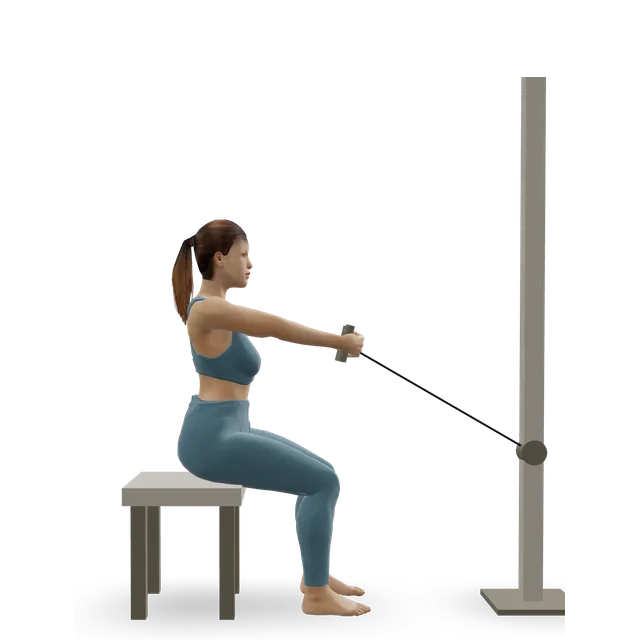 3D demoSeated cable rowBeginner · A cable machine
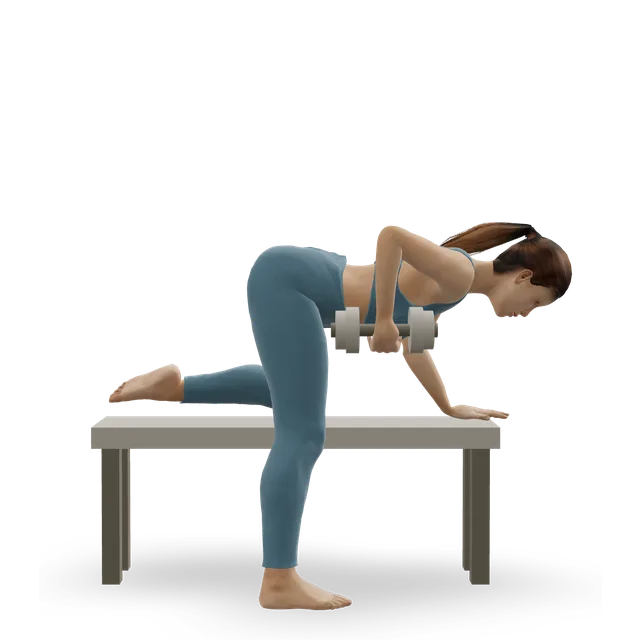 3D demoSupported single-arm dumbbell rowIntermediate · A dumbbell + A bench or box
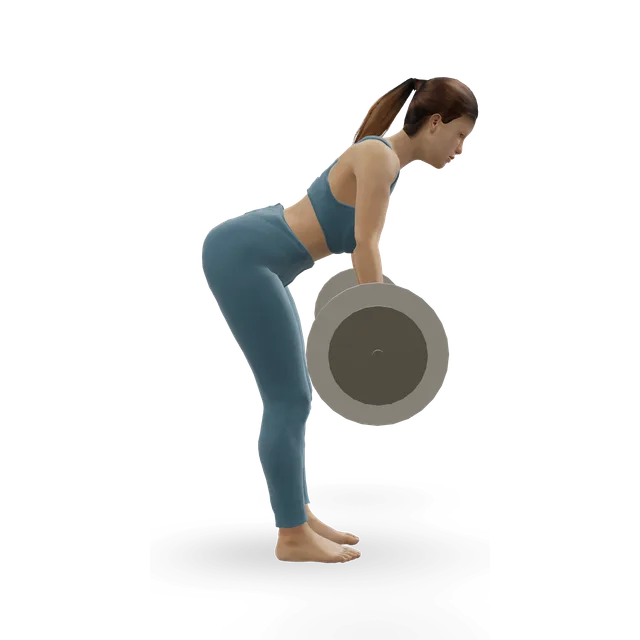 3D demoBent-over barbell rowAdvanced · A barbell
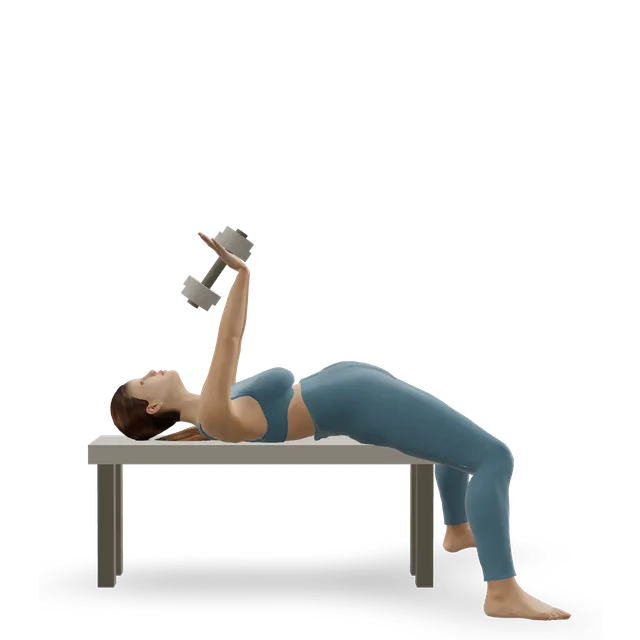 3D demoDumbbell PulloverIntermediate · A dumbbell + A bench or box
Reaching overhead lengthens it; short lats make the back arch and twist when you reach to a high shelf.
Short or stiff lats can limit raising the arm overhead, so the low back arches and twists to make up the difference. Their length is worth checking in low back pain as well.
Source 1
These mostly affect young overhead athletes such as baseball pitchers and are usually treated without surgery, with a return to sport in months.
Source 2
Each grade rates the evidence for the correction.
A gym back workout: lat pulldowns, cable rows, dumbbell rows, face pulls, back extensions and shrugs.
45 minBeginner8 movesPull-up bar, A bandA pull day workout for back and biceps: pull-ups, barbell rows, chest-supported rows, face pulls and curls, with sets, reps and rest.
55 minIntermediate10 movesPull-up bar, A barbellWork up to your first pull-up: dead hangs, scapular pulls, rows, negatives and assisted pull-ups.
25 minBeginner7 movesPull-up bar, A stepThey pull the arm down and back and turn it inward, and when your hands are fixed they pull your body up, as in a chin-up.
Pull-ups and chin-ups produced very high lat activity; lat pulldowns to the front and rows are the standard alternatives.
Not meaningfully: lat activity was similar across grip widths, and narrower grips were stronger.
Anatomy and movement education, not a diagnosis or treatment plan. If you have pain that follows an injury, is severe or getting worse, or comes with numbness, weakness or swelling, get it assessed. Health disclaimer.