Muscle guide · Back

Trapezius

Also called traps

The trapezius is the large, flat, diamond-shaped muscle covering the back of the neck, the tops of the shoulders and the upper back. It runs from the base of the skull and the spine down to the bottom of the rib cage, and out to the collarbone and shoulder blade.

Its three parts pull in different directions: the upper fibres shrug, the middle fibres squeeze the shoulder blades together, and the lower fibres draw them down, while the upper and lower fibres together turn the shoulder blade so your arm can reach overhead.

7 exercises2 stretches9 with 3D demos8 sourcesUpdated 17 October 2026

Where the trapezius is and what it does

Shaded: the back area. It marks the region, not the exact outline of the trapezius.
What it does
  • Shrug the shoulders.Scapular elevation (upper fibres)
  • Squeeze the shoulder blades together.Scapular retraction (middle fibres)
  • Turn the shoulder blade upward so the arm can go overhead, with the serratus anterior.Upward rotation of the scapula (upper and lower fibres)
Nerve supply
Accessory nerve (cranial nerve XI) for movement; C3 and C4 for sensation.

Sources 1, 2

The parts of the trapezius

PartStarts atAttaches toWhat it does
Upper fibresBase of the skull and the ligament down the back of the neckOuter third of the collarboneLift and upwardly rotate the shoulder blade; tilt the head back
Middle fibresSpine at the base of the neck and upper backShoulder tip and ridge of the shoulder bladeSqueeze the shoulder blades together
Lower fibresSpine of the mid and lower back, down to T12Inner end of the shoulder blade ridgeDraw the shoulder blade down and help rotate it upward

Sources 1, 2

Exercises for the trapezius

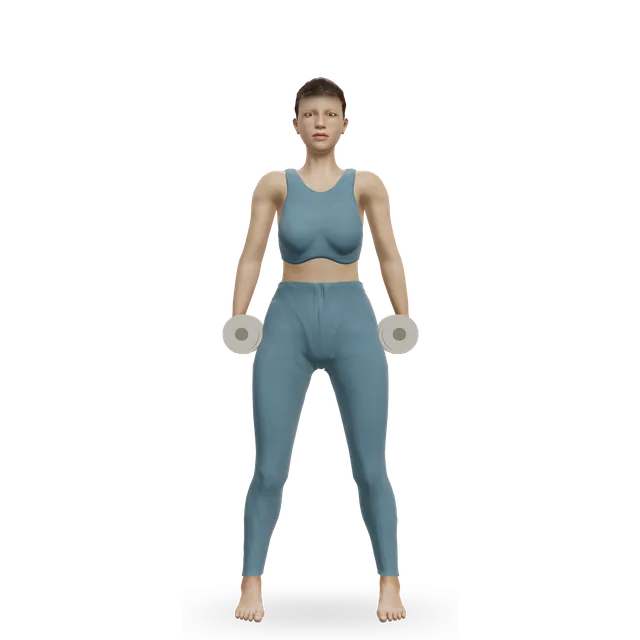
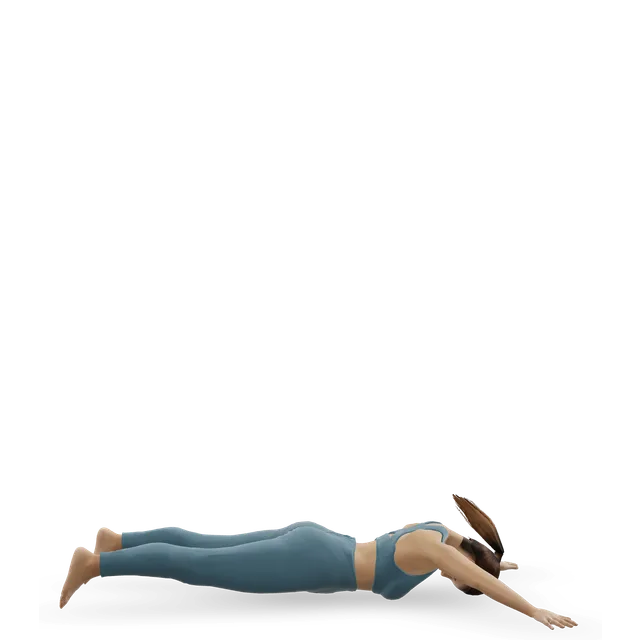
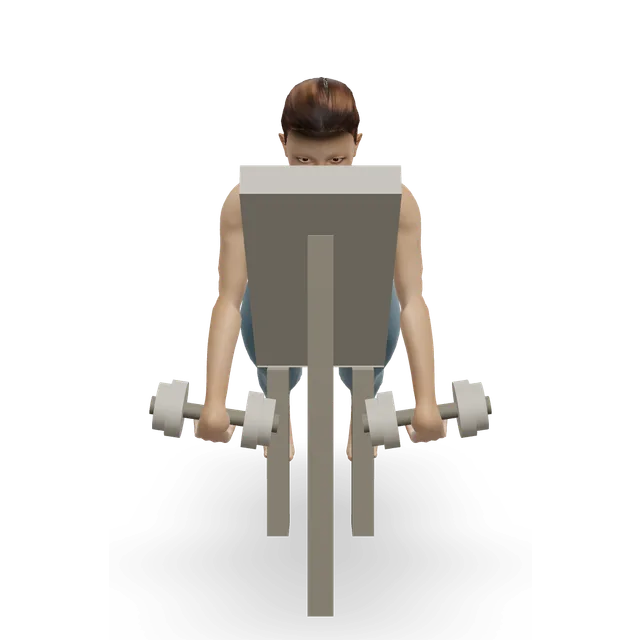
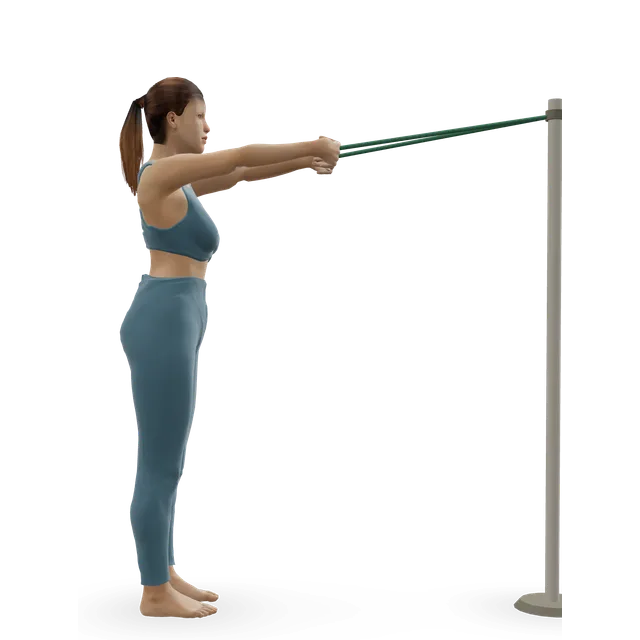
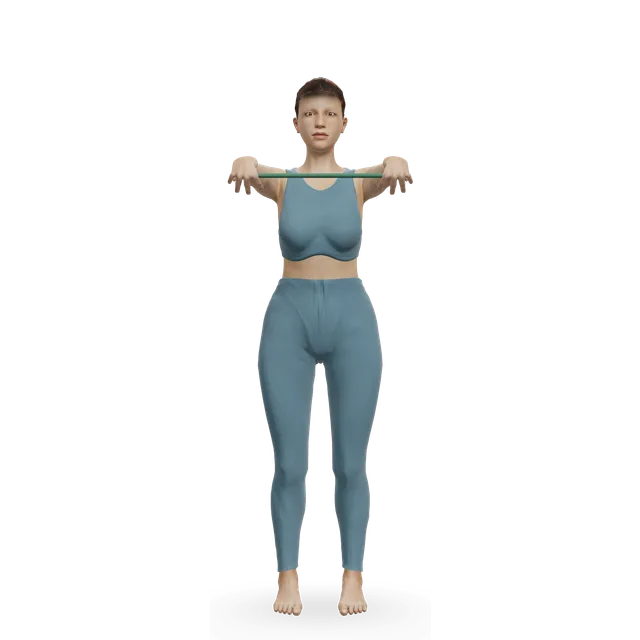
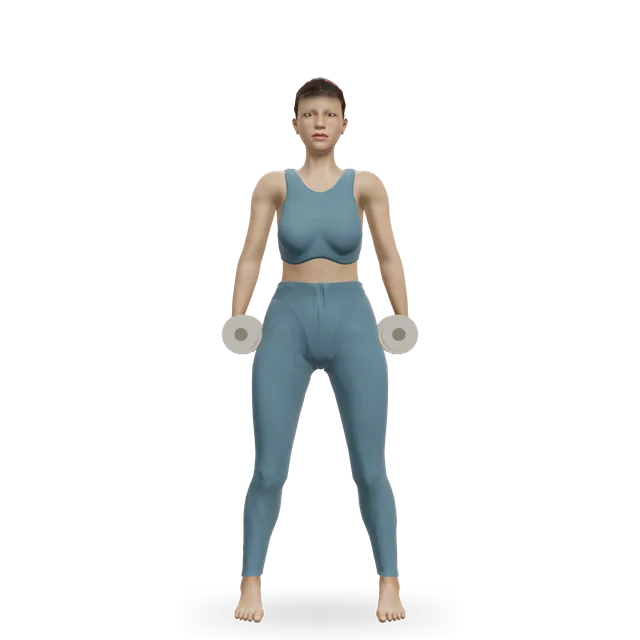
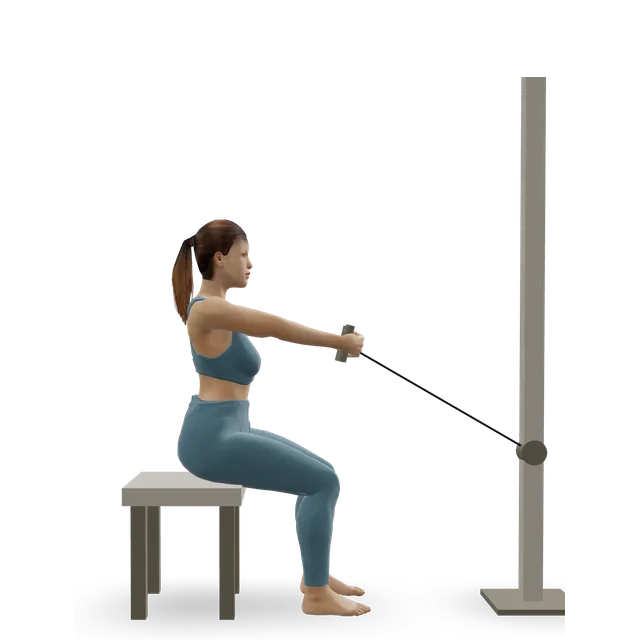
The one-arm shrug worked the upper fibres most; prone raises with the thumb out worked the middle fibres; the prone overhead 'Y' raise worked the lower fibres most. Side-lying external rotation and prone horizontal raises favoured the middle and lower fibres over the upper.

Stretches for the trapezius

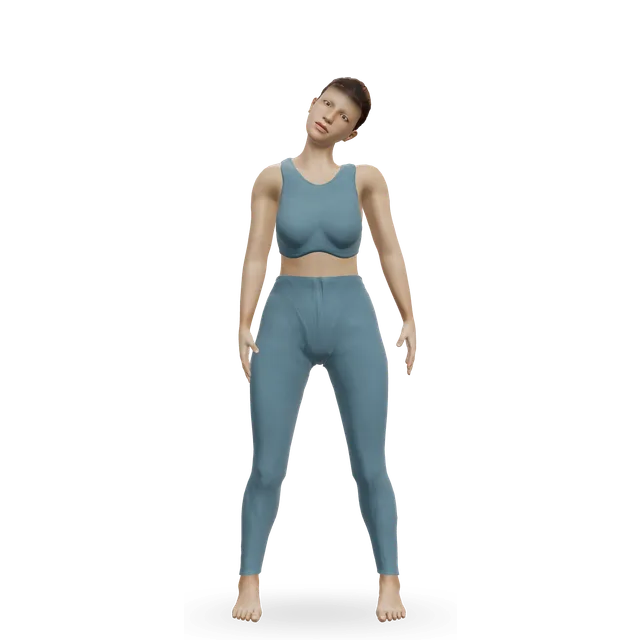
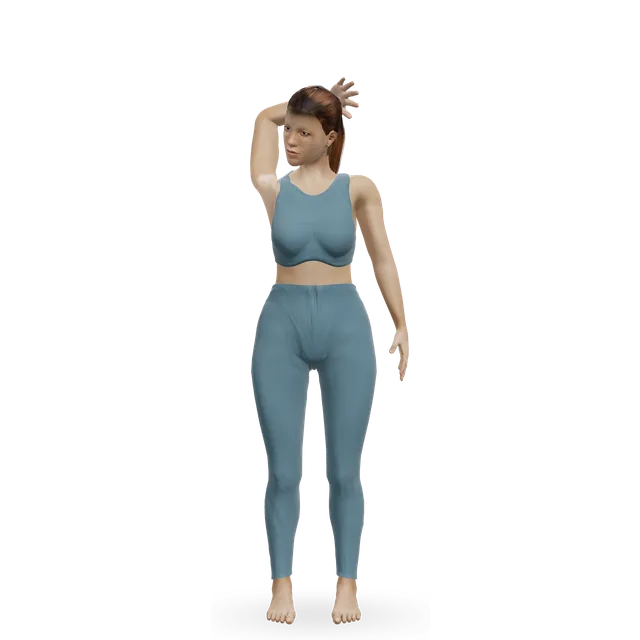
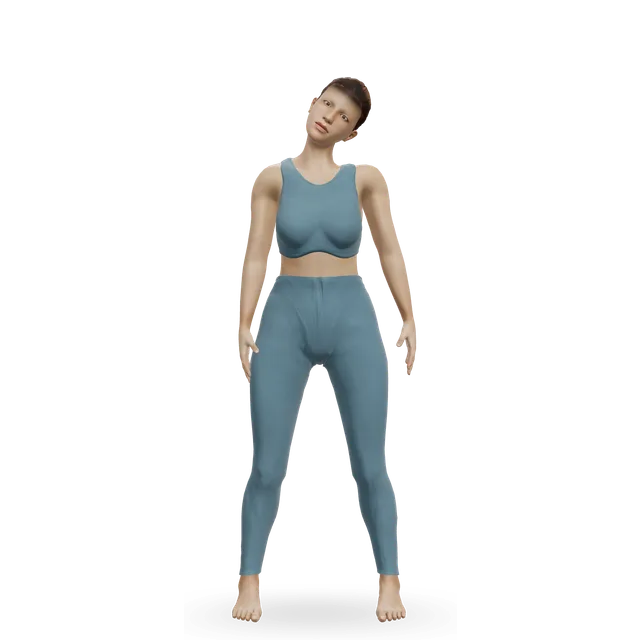
Tilt the head away with the shoulder held down to stretch the upper fibres.

Problems linked to the trapezius

Neck and shoulder muscle pain at workEmerging evidence

In a trial of women with painful upper traps from repetitive jobs, 10 weeks of specific strength training for the neck and shoulder muscles cut their worst pain by about 79%; leg cycling helped only briefly. In chronic neck pain, strength training beat stretching plus aerobic exercise.

Sources 7, 8

Accessory nerve injury

Damage to its nerve, for example in neck surgery, weakens and wastes the trapezius, so the shoulder droops and the shoulder blade wings outward.

Sources 1, 3

Myths worth dropping

Each grade rates the evidence for the correction.

Shrugs train all of your trapsEmerging evidence

Shrugs work the upper fibres hardest. The middle and lower fibres need prone raises and horizontal pulls.

Sources 4, 5

Tight, sore upper traps just need stretching or restEmerging evidence

Specific strength training markedly reduced trapezius muscle pain in a randomised trial, and in chronic neck pain strengthening did much better than stretching and aerobic exercise alone.

Sources 7, 8

Routines that train it

Questions people ask

What does the trapezius do?

Its upper fibres shrug the shoulders, its middle fibres squeeze the shoulder blades together, and its lower fibres draw them down; upper and lower together turn the shoulder blade so the arm can go overhead.

What is the best exercise for the lower traps?

The prone overhead 'Y' raise produced the most lower-trapezius activity in an EMG study of ten exercises.

How do you relieve tight upper traps?

Specific neck and shoulder strengthening cut trapezius muscle pain by about 79% in a 10-week trial, more than general exercise.

Muscles it works with

Sources

  1. StatPearls · Anatomy, Back: Trapezius (2023)
  2. StatPearls · Anatomy, Thorax: Serratus Anterior Muscles (2024)
  3. StatPearls · Anatomy, Thorax: Long Thoracic Nerve (2023)
  4. Ekstrom 2003 · Exercises that work the trapezius and serratus anterior hardest (JOSPT, abstract)
  5. Cools 2007 · Exercises that favour the middle and lower trapezius (Am J Sports Med, abstract)
  6. Andersen 2008 · Trapezius activity in five strength exercises in women with neck pain (Phys Ther, abstract)
  7. Andersen 2008 · Specific strength training vs general exercise for trapezius myalgia (RCT, Arthritis Rheum, abstract)
  8. Ylinen 2003 · Neck muscle training for chronic neck pain in women (RCT, JAMA, abstract)

Anatomy and movement education, not a diagnosis or treatment plan. If you have pain that follows an injury, is severe or getting worse, or comes with numbness, weakness or swelling, get it assessed. Health disclaimer.