Muscle guide · Neck

Levator scapulae

Also called shoulder blade lifter, neck and shoulder knot

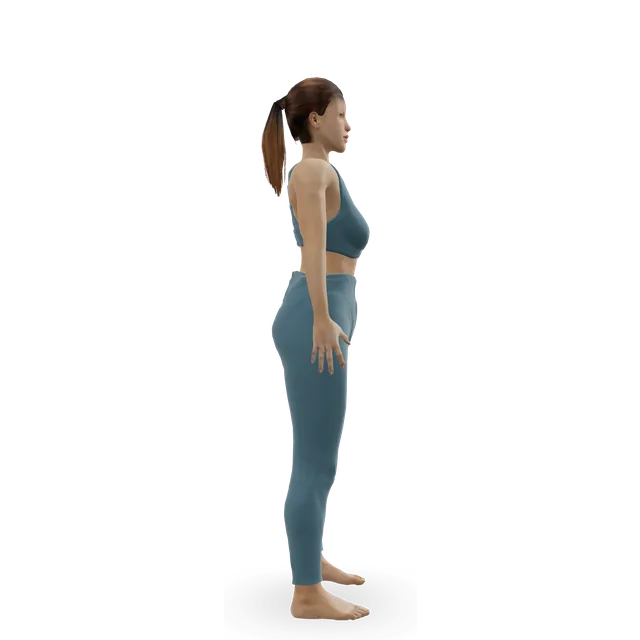
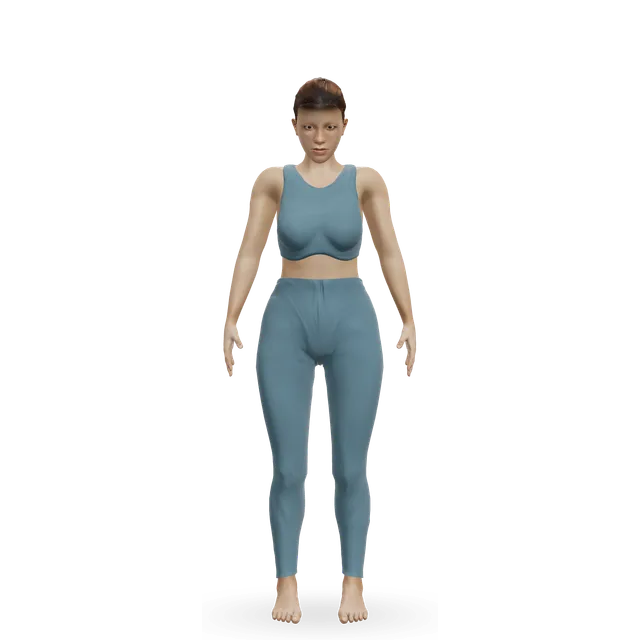
The levator scapulae is a strap-like muscle at the side and back of the neck, running from the top four neck vertebrae down to the upper inner corner of the shoulder blade, under the trapezius.

It lifts the shoulder blade, as when you hitch a bag strap onto your shoulder, and helps turn and tilt the neck.

3 exercises2 stretches5 with 3D demos4 sourcesUpdated 17 October 2026

Where the levator scapulae is and what it does

Starts at (origin)
The side bumps of the top four neck vertebrae.Transverse processes of C1 to C4
Attaches to (insertion)
The top inner corner of the shoulder blade.Medial border of the scapula between the superior angle and the root of the spine
What it does
  • Lifts the shoulder blade: shrugging, hitching up a bag strap.Scapular elevation
  • Turns the shoulder socket downward, with other muscles.Downward rotation of the scapula
  • Helps bend the neck back and turn and tilt it to the same side.Assists cervical extension, ipsilateral rotation and side-bending
Nerve supply
Dorsal scapular nerve (C4, C5), with branches from C3 and C4.

Source 1

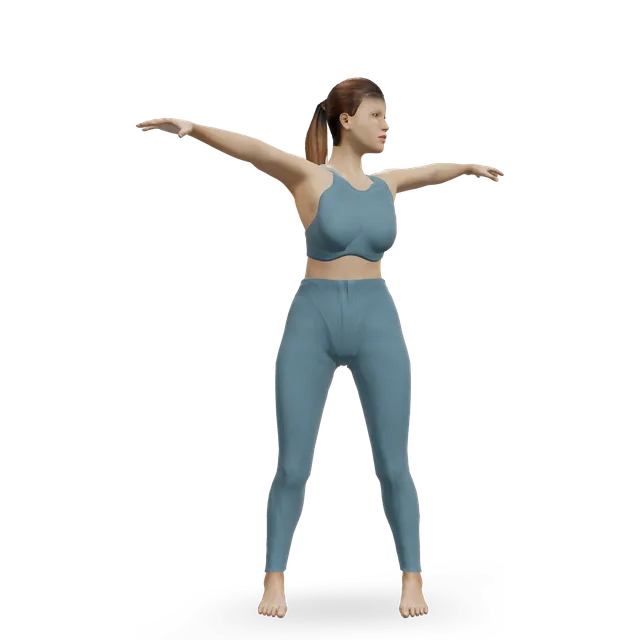
Exercises for the levator scapulae

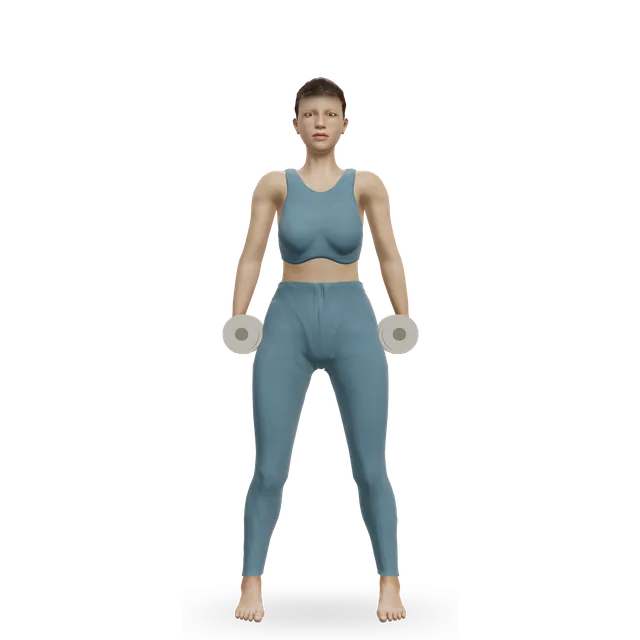
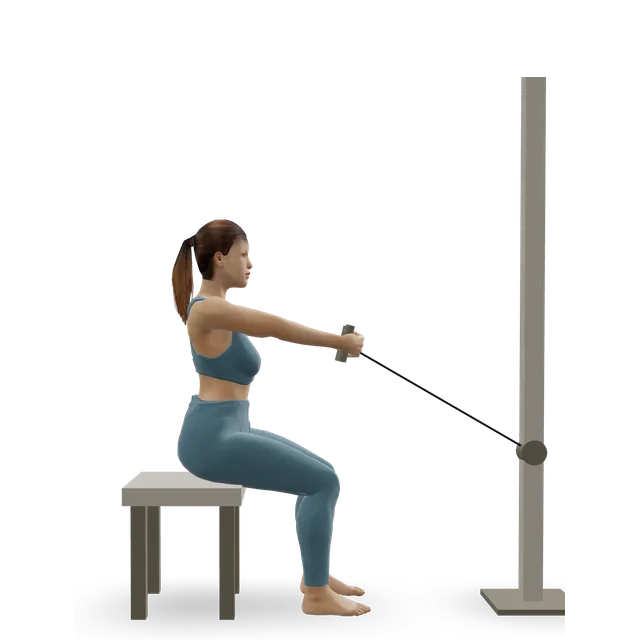
No study has measured which exercises work it hardest; these load its actions.

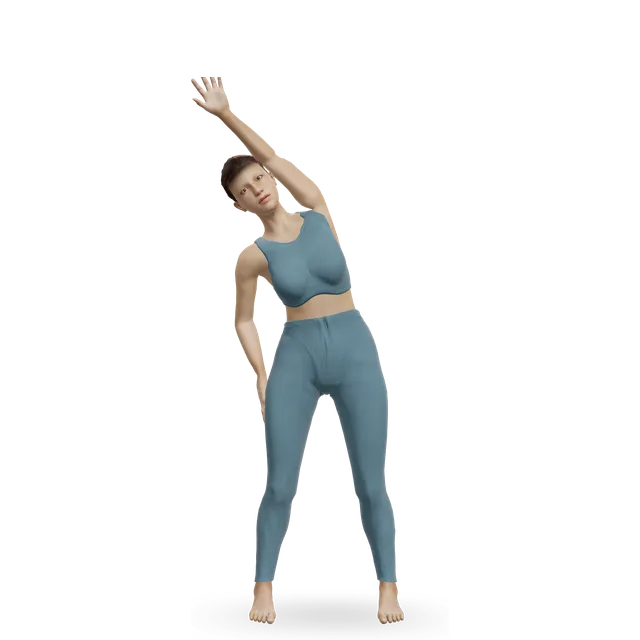
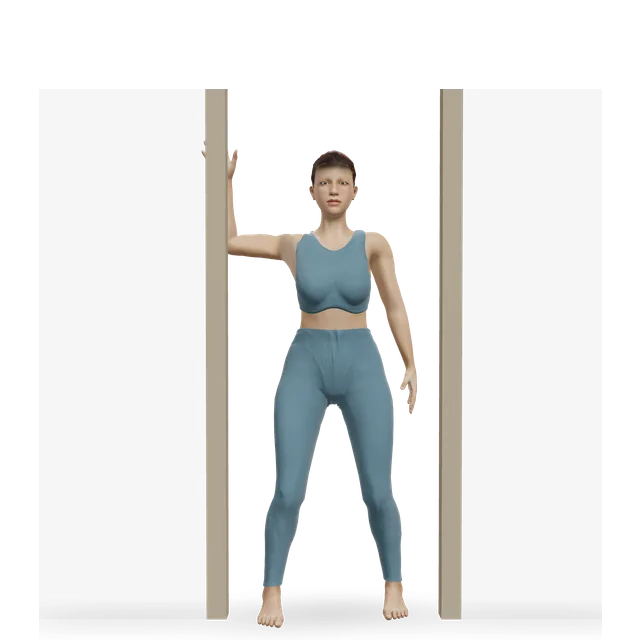
Stretches for the levator scapulae

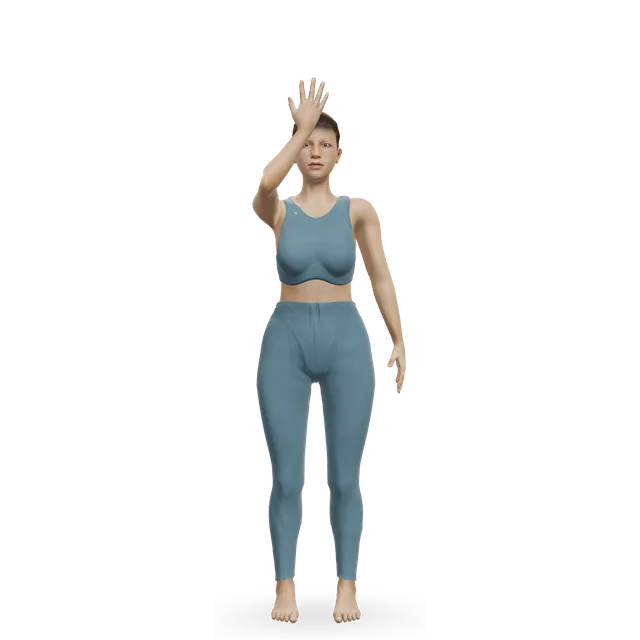
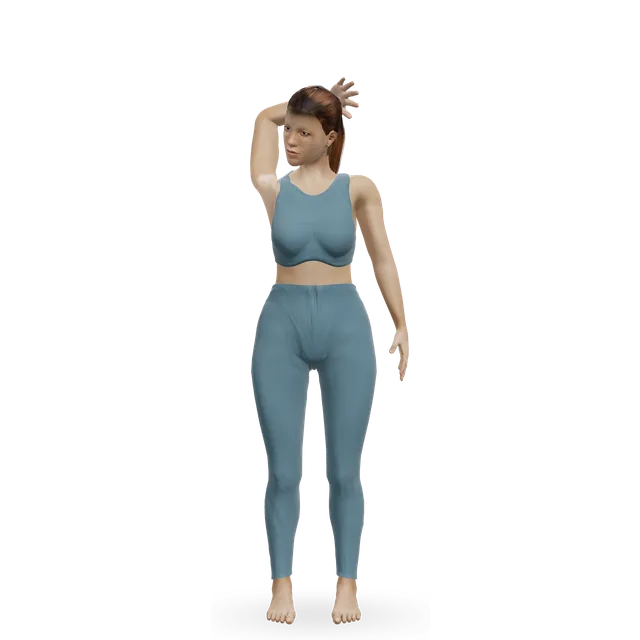
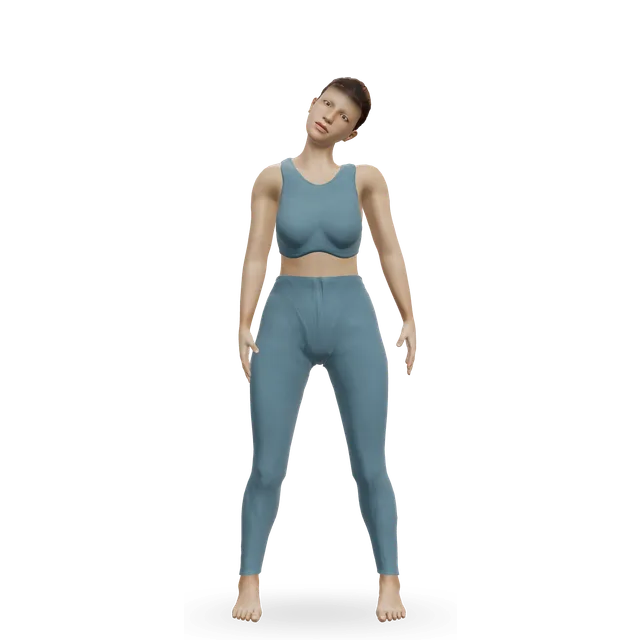
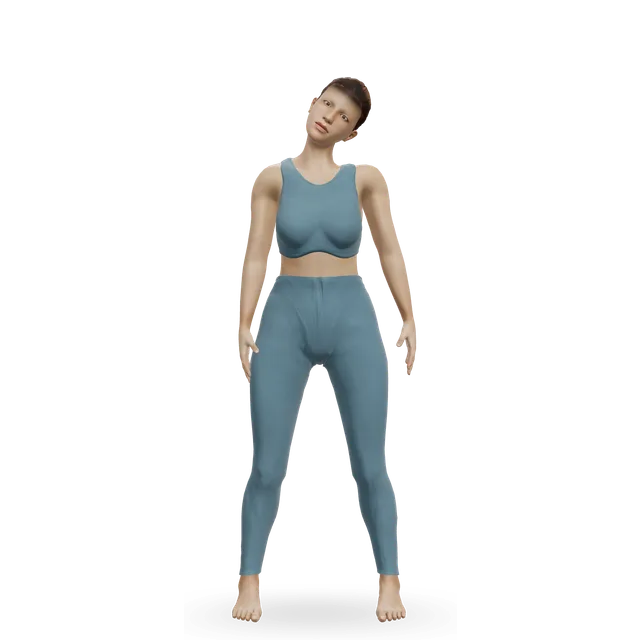
Look down toward the opposite armpit. Keep it gentle: in levator scapulae syndrome, stretching movements tend to aggravate symptoms, so stop if the pain increases.

Problems linked to the levator scapulae

Neck and shoulder-blade pain

It is one of the muscles most often involved in neck muscle pain and trigger points, including after whiplash. In levator scapulae syndrome the upper inner corner of the shoulder blade is tender; physiotherapy is described as effective.

Source 1

A snapping shoulder blade

Painful grinding as the shoulder blade moves over the ribs; it is usually treated without surgery, successfully in about 80% of cases.

Source 1

Myths worth dropping

Each grade rates the evidence for the correction.

A neck and shoulder knot just needs stretchingEmerging evidence

In chronic neck pain, neck strengthening did much better than stretching plus aerobic exercise in a year-long trial, and specific strength training cut neck and shoulder muscle pain in women with repetitive jobs. Gentle stretching can still feel good; strengthening is what the trials support.

Sources 3, 4

Routines that train it

Questions people ask

What does the levator scapulae do?

It lifts the shoulder blade and helps turn and tilt the neck to the same side.

How do you stretch the levator scapulae?

Turn your head away and look down toward the opposite armpit. Keep it gentle and stop if it increases the pain.

Why is the levator scapulae so often sore?

It is one of the muscles most often involved in neck muscle pain and trigger points, including after whiplash.

Muscles it works with

Sources

  1. StatPearls · Anatomy, Head and Neck: Levator Scapulae Muscles (2023)
  2. Moseley 1992 · Muscle activity of the shoulder-blade muscles in rehabilitation exercises (Am J Sports Med, abstract)
  3. Ylinen 2003 · Neck muscle training for chronic neck pain in women (RCT, JAMA, abstract)
  4. Andersen 2008 · Specific strength training vs general exercise for trapezius myalgia (RCT, Arthritis Rheum, abstract)

Anatomy and movement education, not a diagnosis or treatment plan. If you have pain that follows an injury, is severe or getting worse, or comes with numbness, weakness or swelling, get it assessed. Health disclaimer.