Levator scapulae stretch
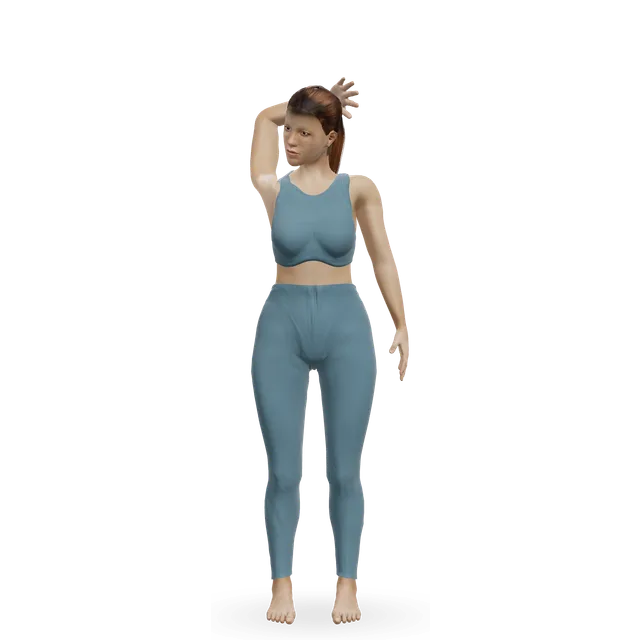
Sitting or standing, you turn your head to look down toward one armpit and rest that hand on the back of your head, stretching the back and side of the neck on the other side while that shoulder stays down. Turning the nose toward the armpit is what sets it apart from the side neck stretch, which only tilts the ear toward the shoulder. In a trial of 96 office workers with neck pain, neck and shoulder stretches twice a day for 4 weeks eased pain more than ergonomic advice alone.
Movement guide
Levator scapulae stretch
Loading the 3D figure…
Make it easier or harder
Choose a version that fits your control and comfort.
Easier option
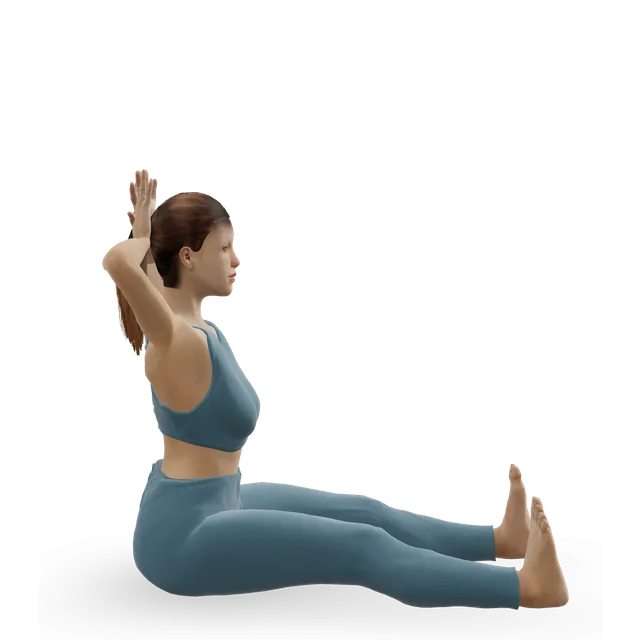 3D demoChin-to-chest stretchBeginner · No equipment
Suggested next step, beginner grade.
Harder option
Keep a comfortable range and follow any technique and timing given in the guide. A deeper stretch or more complex pose is optional, not a required next step. Ingram 2025 review of stretching and range of motion
Source-researched guide.
How to move
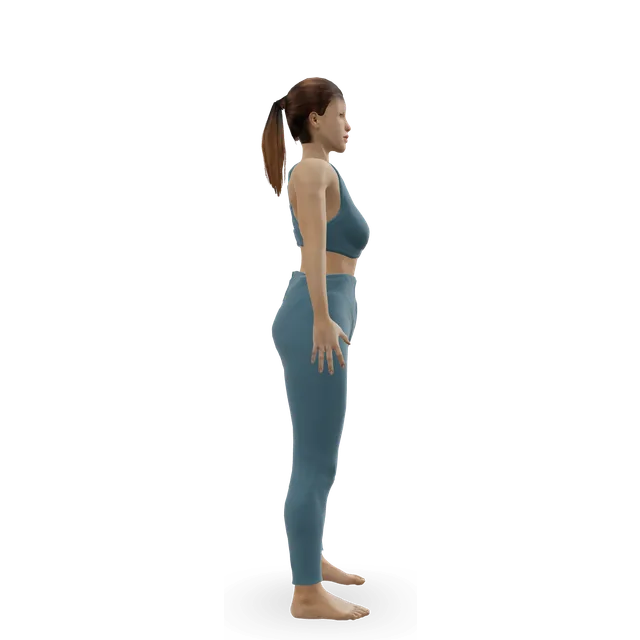
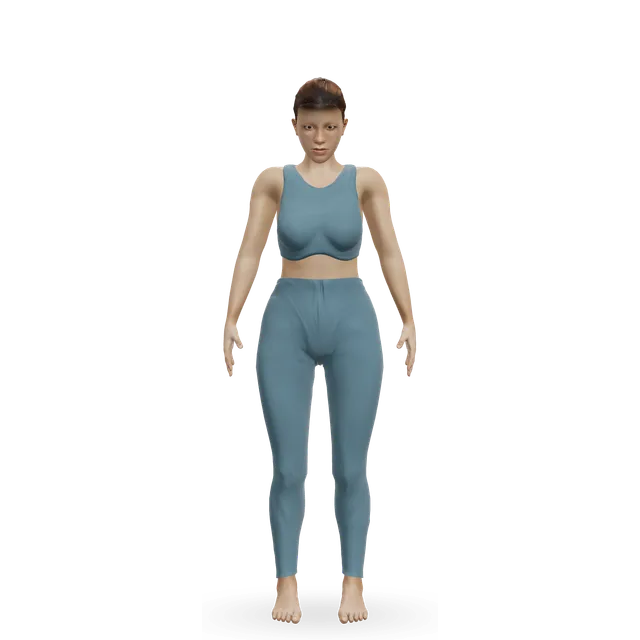
- Sit tall on a chair and hold the edge of the seat with your right hand, the arm a little out from your body, so the right shoulder stays down. Standing, let the right arm hang heavy instead.
- Turn your head about 45 degrees to the left and drop your chin toward your left armpit.
- Rest your left hand on the back of your head and let its weight ease your head a little further the same way, until you feel a stretch from the top of the right shoulder blade up the back of the neck.
- Hold, breathing slowly, then lift your head back to the centre and change sides.
Form cues
- Keep the stretched side's shoulder down, away from the ear.
- Breathe out as you settle into the stretch.
- Avoid: hunching forward from the upper back.
Practice and cautions
Hold 20 to 30 seconds, 2 to 4 times each side (our editorial starting point). The ACSM suggests about 60 seconds of stretching in all per exercise, on at least 2 days a week. The office-worker trial stretched twice a day, 5 days a week.
The hand is a guide, not a winch; hauling the head down strains the neck it is meant to relieve. Stop if you feel tingling or numbness into the arm, and keep everything painless if you already have nerve symptoms. This is movement education, not an assessment or treatment prescription. Stop for sharp or increasing pain, dizziness, numbness or tingling; seek individual guidance for symptoms, injury or restrictions.
Sources and review status
Sources support the educational description; they do not establish that this exercise is suitable for you.
- Leeds Teaching Hospitals NHS · Home exercises (levator scapula stretch: the hand on the tight side holds the seat, the chin turns toward the opposite armpit and the other hand assists) ↗
- Tunwattanapong 2016 · Neck and shoulder stretches twice a day for 4 weeks eased pain and improved neck function in office workers, beyond ergonomic advice alone (RCT of 96, Clin Rehabil) ↗
- Garber 2011 · ACSM position stand: flexibility exercise for each major muscle group, about 60 seconds in all per exercise, on 2 or more days a week (Med Sci Sports Exerc) ↗
No variation is labeled clinically validated.
What it works
Muscles
Main: Neck. Also: Back.
Anatomy: Levator scapulae, Sternocleidomastoid, Scalenes, Splenius capitis, Suboccipital muscles, Deep neck flexors.
Equipment
None: body weight and floor space.
Level
Beginner. See the easier and harder options above.
Workouts that use it
Pain guides that use it
Part of a staged plan, with when to get help first.
Guides that use it
Similar moves
Browse more
Questions people ask
What muscles does the Levator scapulae stretch work?
Mainly the neck, with help from the back.
What equipment do I need for the Levator scapulae stretch?
No equipment: your body weight and a little floor space.
Is the Levator scapulae stretch good for beginners?
It is graded beginner, so it suits most people starting out.
What is an easier alternative to the Levator scapulae stretch?
Try the Chin-to-chest stretch. It is the suggested step down from this move.