Training guide

How to strengthen your neck: the neck muscles, the exercises with evidence, for posture, sport and neck pain, and when neck symptoms need a different plan

Strengthening your neck means training the small muscles at the front that steady it, the muscles at the back and sides that hold your head up, and the shoulder and upper back muscles that share the load. Chin tucks, holds against your hand and shoulder exercises, 2 or 3 times a week, cover them; even 2 minutes a day with a band helped in a trial.

Strength training is one of the best-supported treatments for neck pain that lasts, and exercise probably prevents some new episodes. It changes posture only a little, and it hasn't been shown to prevent concussion on its own. This guide covers the neck's muscles, the neck strengthening exercises with doses, desk work, posture, sport, how long it takes, and the neck symptoms that need checking first.

The short version

Four groups of muscle, and the shoulders

The deep neck flexors under your throat, the sternocleidomastoid at the front and sides, the extensors at the back, and the upper traps and levator scapulae that tie your neck to your shoulder blades. The shoulder blade and upper back muscles belong in the plan too.

Strength work has the best support for neck pain that lasts

Neck, shoulder blade and arm strength training eased long-standing neck pain by a moderate to large amount in the Cochrane review, while stretching alone did little, and a year of training cut pain and disability in 180 women office workers. Strengthening, motor control, yoga and Pilates helped by similar amounts in pooled trials.

Sources 1, 2, 3

A little goes a long way

Two minutes a day of band lateral raises, 5 days a week, cut neck and shoulder pain by 1.4 points out of 10 in 198 workers, and specific shoulder strength work cut the worst neck muscle pain by about 79% in 48 women.

Sources 4, 5

Two or three short sessions a week

Chin tucks and head lifts, holds against your hand in four directions, and shoulder and upper back strength: rows, raises and shrugs. Build the effort over weeks, not within a session.

Posture matters less than you've been told

Adults with neck pain have slightly more forward head posture on average, teenagers don't, and texting posture didn't predict neck pain over a year. Exercise moves the head back by about 3 degrees.

Sources 6, 7, 8

A stronger neck, yes; fewer concussions, not proven

Neck training reliably raised neck strength in athletes, but whether stronger necks mean fewer concussions is unproven. Neck pain with arm symptoms, a fever, an injury or a sudden headache isn't a strengthening job: see the warning signs.

Sources 9, 10

Your neck muscles

The front

The deep neck flexors under your throat nod your head and steady your neck. The sternocleidomastoid, the rope-like muscle on each side from your breastbone and collarbone to behind your ear, turns and bends your head. Our deep neck flexors and sternocleidomastoid pages have the anatomy.

The back and sides

The splenius capitis and semispinalis lift and hold your head, under the trapezius. The scalenes tilt your neck, and the upper trapezius and levator scapulae run from the neck to the shoulder blade.

Two jobs

Your neck muscles hold your head up all day, which takes endurance, and brace it against force in sport, which takes strength. The shoulder blade muscles share the load: the trials that eased neck pain trained them too.

Sources 1, 5

Strength, not size

This guide is about strength for comfort, desk work, ageing and sport. Our thicker neck guide covers neck size, harnesses and neck bridges.

How people differ

Women's necks are weaker on average, as our thicker neck guide says, but neck training raised strength in women and men, teenagers and adults, across 26 studies (most of the people in them were young men). Normal neck changes with age are common and often painless; our neck arthritis guide covers them.

Source 9

What the evidence says

Most neck pain trials are in office workers, many of them women; most sport trials are in young male athletes. The certainty is mostly low to moderate.

Exercise is a core treatment for neck pain that lastsStrong evidence

Exercise helps neck pain that has lasted, and the NHS advises keeping the neck moving. In a network of 38 trials (3,151 people), strengthening, motor control exercise and yoga, Pilates, tai chi or qigong all beat no treatment by similar amounts, on very low-quality evidence.

Sources 1, 3, 11

Strengthening has the best supportEmerging evidence

In the Cochrane review of 27 trials, strength training for the neck, shoulder blade and arm muscles eased long-standing neck pain by a moderate to large amount straight after treatment (moderate-quality evidence), while stretching alone had low-quality evidence of no change. In 180 women office workers aged 25 to 53, a year of strength training raised neck strength by 69 to 110% and, like endurance training, cut pain and disability against a group who stretched and did aerobic exercise.

Sources 1, 2

The trapezius trialsEmerging evidence

In 48 women with long-standing neck muscle pain in monotonous jobs, 10 weeks of specific shoulder strength training cut their worst pain by 35 mm on a 100 mm scale (about 79%), while cycling gave only a small, short-lived drop. In 198 workers, band training for 2 or 12 minutes a day, 5 days a week for 10 weeks, cut pain by 1.4 and 1.9 points out of 10 against weekly health information.

Sources 5, 4

Office workers: low certainty, same directionEmerging evidence

Two reviews of 8 trials each found strengthening reduced neck pain in office workers, on low-certainty evidence. Studies that followed office workers over time found low task variation, a keyboard close to the body and low satisfaction with the workplace among the risk factors, not posture.

Sources 12, 13, 14

Exercise probably prevents some neck painEmerging evidence

In 5 trials of 1,722 people, mostly office workers, exercise programmes cut the odds of a new episode of neck pain within a year (odds ratio 0.49). The certainty is moderate, and the authors found the result isn't robust to missing data. An earlier review found workstation changes alone made no difference.

Sources 15, 16

Posture is a weak causeMixed evidence

Across 15 snapshot studies, adults with neck pain had slightly more forward head posture than adults without, with no difference in adolescents; in 1,108 17-year-olds, posture types didn't differ in neck pain. In 396 adults followed for a year, neck bending while texting didn't predict neck pain, while poor sleep and too little activity did.

Sources 6, 17, 7

Strengthening moves the head back a littleEmerging evidence

In 10 trials of 550 people with neck pain, exercise improved the head's angle by about 3.4 degrees, with a little less pain, and programmes of 8 weeks or more did better. In 23 studies of 969 mostly healthy people, strengthening changed neck and upper back posture and stretching didn't.

Sources 8, 18

Neck training raises neck strengthStrong evidence

Across 26 studies, mostly in young male athletes, resistance training raised neck strength (high-quality evidence). In 28 under-18 rugby players, one hard 15-second push against their own hand in each of four directions, 3 times a week for 8 weeks, raised neck strength a lot, and professionals gained about 17 to 21% in 5 weeks. But 12 weeks of holds added nothing to usual training in 40 elite women footballers.

Sources 9, 19, 20, 21

Neck strength and concussion: not settledMixed evidence

Stronger necks went with fewer concussions in 6,704 high school athletes and in 225 professional rugby players, but not in 136 others, where a past concussion was the strongest predictor. Pooled across 8 studies, the link was small and of very low certainty, and neck training didn't significantly change how fast the head moved after a hit.

Sources 22, 23, 24, 10, 9

Rugby warm-ups that include neck workEmerging evidence

A warm-up with neck exercises among balance, landing and strength work cut concussions by about 60% across 81 men's community rugby clubs. In schoolboy rugby, teams doing a similar warm-up 3 or more times a week had 59% fewer concussions, a result with wide (90%) confidence intervals. Neck strength wasn't measured, so the neck work can't be credited on its own.

Sources 25, 26

The neck needs its own work to growEmerging evidence

In 22 students, 12 weeks of squats, deadlifts and rows didn't grow the neck muscles, while adding neck exercises did. Our thicker neck guide covers size.

Source 27

A trapped nerve and whiplashMixed evidence

For a trapped nerve in the neck, exercise reduced pain across 10 trials, on low-certainty evidence. For long-standing whiplash, 20 sessions of physiotherapy exercise did no better than advice in 172 people. Our pinched nerve and whiplash guides have the plans.

Sources 28, 29

Neck strengthening is safe for most peopleStrong evidence

Side effects in the exercise trials were minor and short-lived, such as soreness or a headache, though more than half the trials didn't report on them. No side effects were reported in 8 weeks of hard holds in young rugby players.

Sources 1, 19

How to strengthen your neck: how much and how often

Two or three days a week

On days apart, as in the trials that raised neck strength. If you work at a desk, 2 minutes a day of band lateral raises, 5 days a week, is the best-tested small dose.

Sources 19, 20, 4

Chin tucks and head lifts

Chin tucks, 5 to 10 slow reps with a 5-second hold, and head lifts, 3 to 5 holds of 5 seconds building to 10 holds of 10 seconds, as our neck pain guide gives them. Head lifts were the endurance exercise in the year-long trial.

Source 2

Presses and holds

The presses' move pages: build to a 10-second press, 3 times in each direction, for 3 rounds, starting with light pressure. Four-way holds at light effort, building towards 5 holds of 10 seconds at about half effort (our neck pain guide). For contact sport, from about week 3, one hard 15-second hold in each direction with 30 seconds' rest between, the rugby trial's structure, kept short of all-out when training alone, as our thicker neck guide suggests.

Source 19

Shoulders and upper back

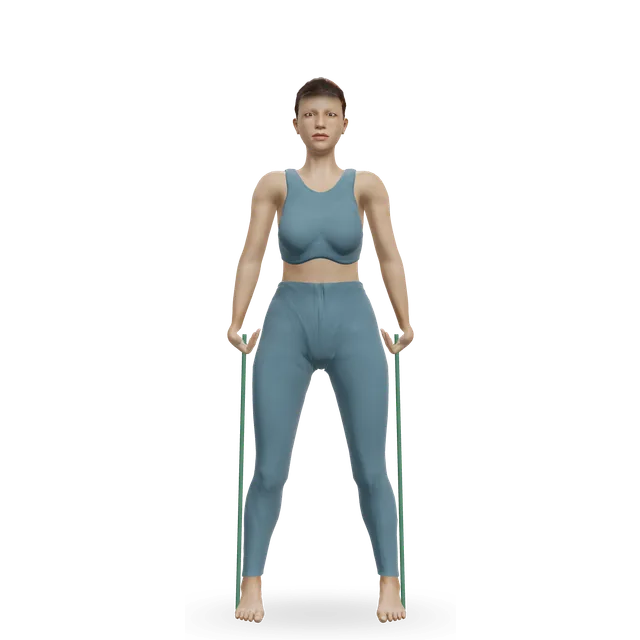
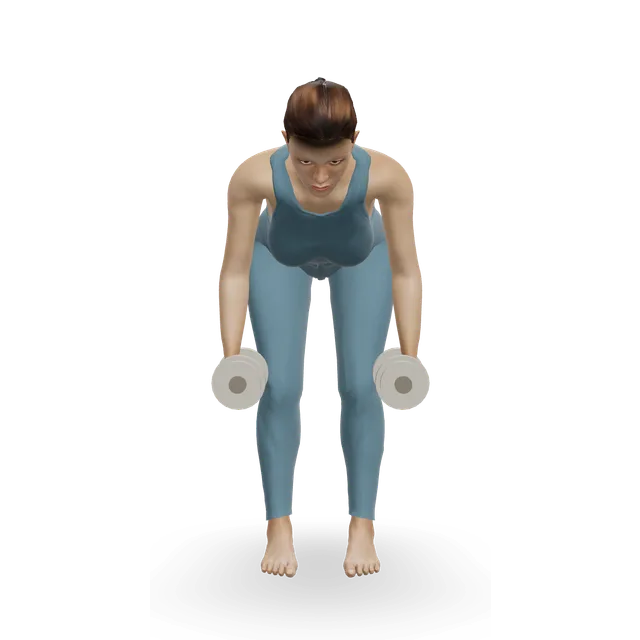
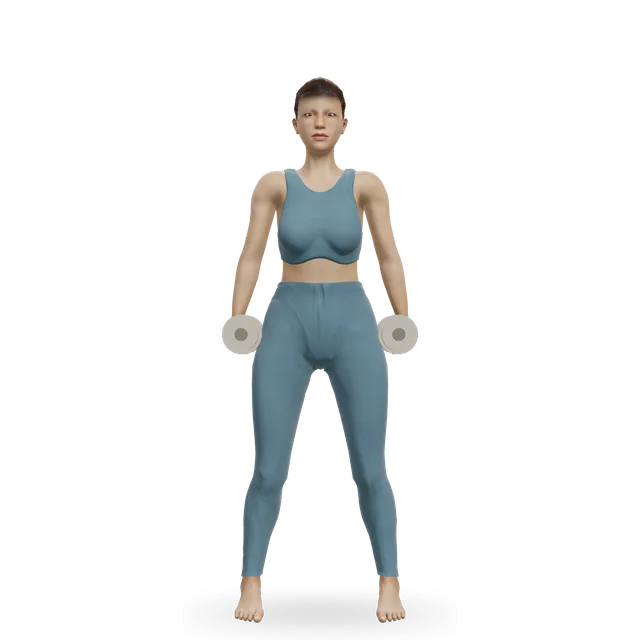
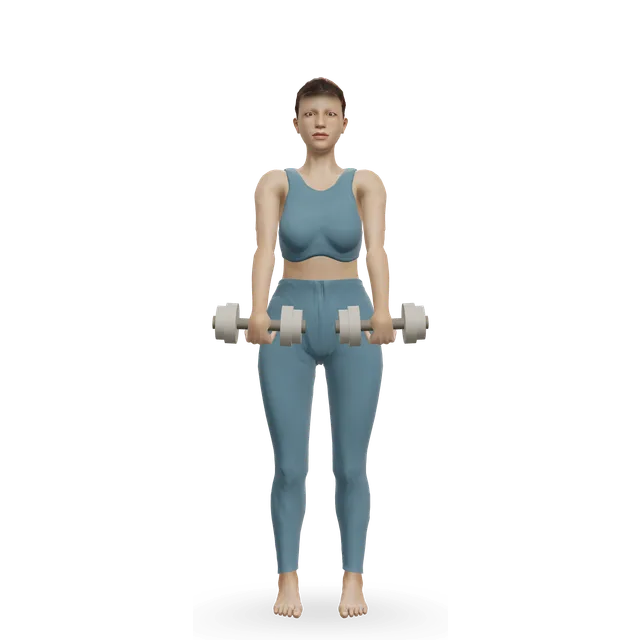
Band rows and band lateral raises, 2 or 3 sets of 10 to 15; then shrugs and one-arm rows, 3 sets of 8 to 12, and reverse flys, lateral raises and upright rows, 3 sets of 10 to 12 (our neck pain guide's sets, our editorial starting point). Stop upright rows at chest height if your shoulder pinches.

Effort, rest and progress

Stop shoulder sets 2 or 3 reps short of failure and rest 60 to 90 seconds, as our plans' notes say for small moves. Make holds longer, then harder, and add reps before weight.

How long

Neck strength rose within 5 to 8 weeks in athletes, the pain trials ran 10 weeks to a year, and posture changed more with 8 weeks or more. Treat 8 to 12 weeks as a first block, then keep a smaller dose going (our suggestion).

Sources 20, 19, 4, 8

The neck pain rule

NHS inform's neck exercise advice: rate your pain from 0 to 10. During exercise, 0 to 3 is minimal and 4 to 5 is acceptable; 6 or more is too much. If it goes higher, do fewer repetitions, move more slowly or rest longer between movements.

Exercise should not make your neck worse overall. Soreness from a new exercise should ease quickly, and your neck should be no worse the next morning. Stop any exercise that makes your symptoms worse or causes new pain.

Arm symptoms are the exception. If an exercise sends pain, tingling or numbness further down your arm, or the extra symptoms last more than an hour afterwards, make the movement smaller or leave it out. (A hospital leaflet on nerve glides allows a short-lived rise in symptoms but not one lasting over an hour; the rest of this rule is this site's suggestion.)

Stop and get checked for dizziness, double vision, slurred speech, trouble swallowing or any of the warning signs above.

Source 30

A neck strength session, step by step

Our editorial order, from our neck pain guide's stages, the presses' move pages and our neck strength workout. Our thicker neck guide's session has the same shape.

  1. Warm up: 3 slow neck circles each way, or separate nods, tilts and turns, then 5 chin tucks with a 5-second hold.
  2. Head lifts: lie on your back with your knees bent, tuck your chin and lift your head a finger's width off the floor; 3 to 5 holds of 5 seconds, building over the weeks. Stop if your chin pokes forward.
  3. Presses: sit tall with your chin gently tucked. Press your forehead into your hand while the hand stops it moving, building the pressure over a couple of seconds, for up to 10 seconds; then the back of your head and each side. Three each way, for three rounds, light in the first two weeks.
  4. Band rows and band lateral raises: 2 sets of 10 to 15, shoulders down, away from your ears.
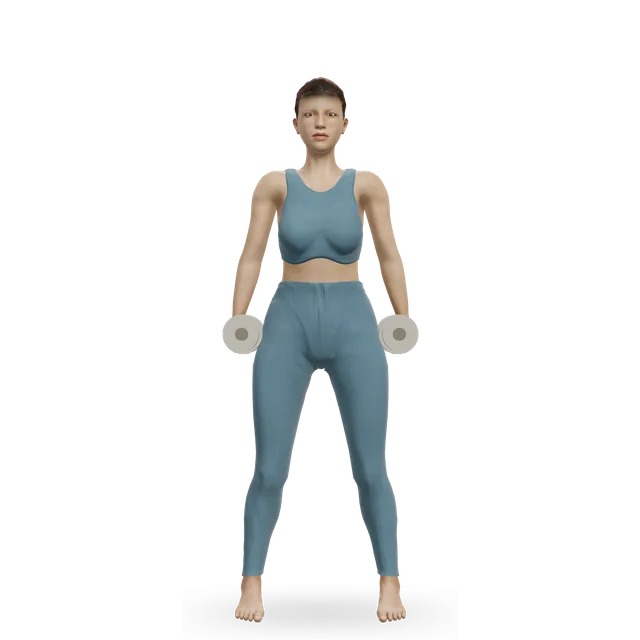
  5. Shrugs and one-arm rows: 2 or 3 sets of 8 to 12.
  6. Ease off with the upper trap release. Stop for a headache, dizziness or tingling down an arm.

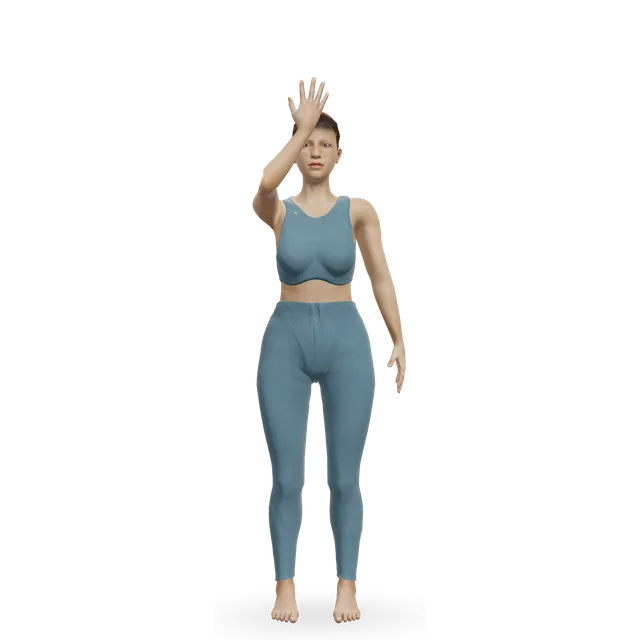
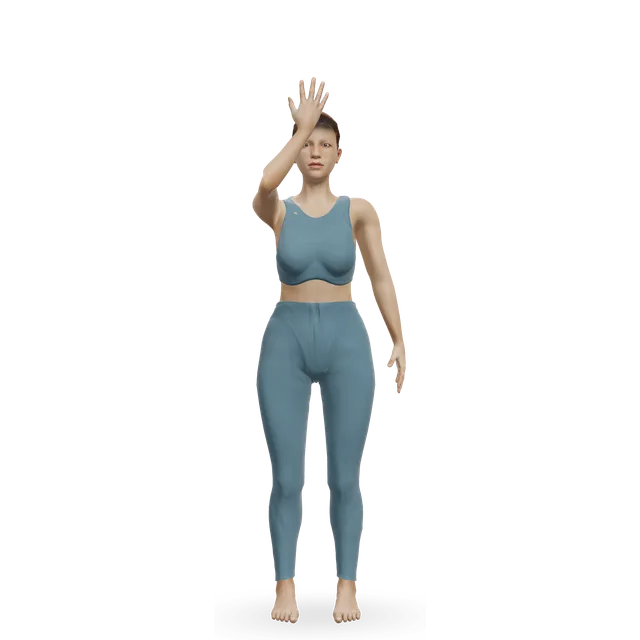
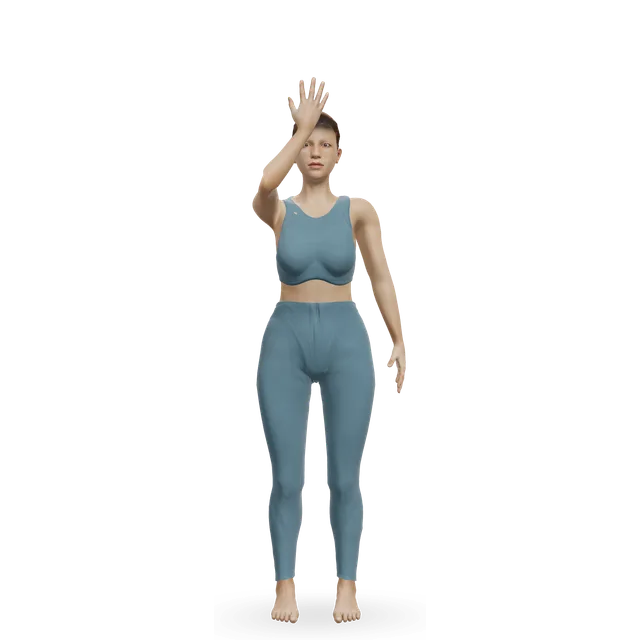
Loading the 3D figure…

Gets into position, then repeats the movement. Technical checks passed; qualified exercise review is pending.

The movement on the figure: Isometric neck holds (four-way)

Chin tucks, head lifts and holds

Chin tucks and head lifts as above (our neck pain guide). The presses' move pages give: build to a 10-second press, 3 times in each direction, for 3 rounds, starting with light pressure. Add the harder four-way holds once those are comfortable.

Shoulders and upper back

Band rows, band lateral raises, Y-T-W raises and wall angels first; then the five dumbbell moves from the trapezius trial: shrugs, one-arm rows, reverse flys, lateral raises and upright rows (our neck pain guide's sets). The dumbbell shrug's move page gives 2 to 3 sets of 8 to 12, stopping with 2 or 3 reps in reserve, with a pause for a second at the top of each rep.

At a desk: 2 minutes a day

The 2-minute option

Band lateral raises for 2 minutes a day, 5 days a week, eased neck and shoulder pain in workers over 10 weeks, almost as much as 12 minutes a day. Keep a light band at your desk.

Source 4

Move often

Varying your tasks and moving matter more than holding a perfect position: low task variation and too little activity went with neck pain in the studies above. Our desk stretches and tech neck guide cover breaks and the desk set-up.

Sources 14, 7

Posture

Strengthen rather than stretchEmerging evidence

Strengthening programmes changed neck and upper back posture where stretching didn't, and exercise moved the head back by about 3 degrees in people with neck pain. Our forward head posture guide has the moves and how to measure it.

Sources 18, 8

But posture is a weak cause of neck painMixed evidence

The link between forward head posture and neck pain is small in adults and absent in teenagers, so don't chase a perfect posture.

Sources 6, 7

For sport and concussion

Train the neck for contact sport

Neck training reliably raises neck strength, and hard holds against your own hand are the simplest way, 3 times a week. Our rugby, wrestling and boxing pages and sport workouts include four-way neck holds.

Sources 9, 19

Use the team warm-up

The rugby warm-ups that cut concussions included neck exercises among balance, landing and strength work, done several times a week. Our Activate rugby warm-up follows them.

Sources 25, 26

What matters more

In contact sport, tackle technique, the rules and how concussion is managed matter more than neck strength alone, as our thicker neck guide says. After a knock to the head, follow our concussion guide.

Sources 24, 10

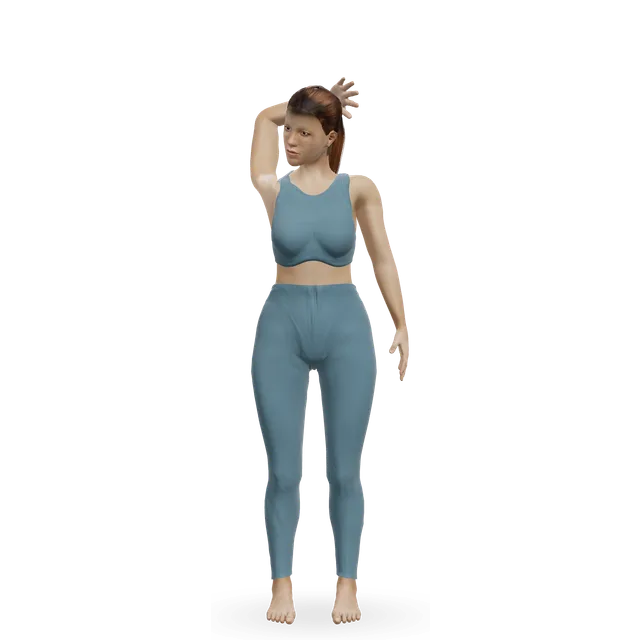
Easing off

Let the hand's weight do the work; don't pull. The levator scapulae stretch's move page gives holds of 20 to 30 seconds, 2 to 4 times each side.

Workouts to follow

The neck and shoulder strength routine suits desk workers and anyone whose neck is sometimes sore; the neck strength workout suits healthy necks and sport. The knots routine has the trapezius trial's dumbbell moves, and the sport sessions add four-way neck holds.

Neck and shoulder strength routine

Deep neck holds and shoulder-blade strength in under 20 minutes: one of the best-supported kinds of exercise for a stiff, sore neck.

18 minBeginner11 movesA band, An anchor point

Neck strength workout: holds, head lifts, shrugs and carries

A 20-minute neck session for healthy necks: head lifts and four-way presses that build to hard 15-second holds, then shrugs and carries for the upper traps.

20 minBeginner9 movesA dumbbell, A kettlebell

Neck and shoulder knots routine: press, stretch, strengthen

Knotted neck and shoulders: a minute of self-pressure, two gentle stretches, then the shoulder-blade strength work that eased neck pain in trials.

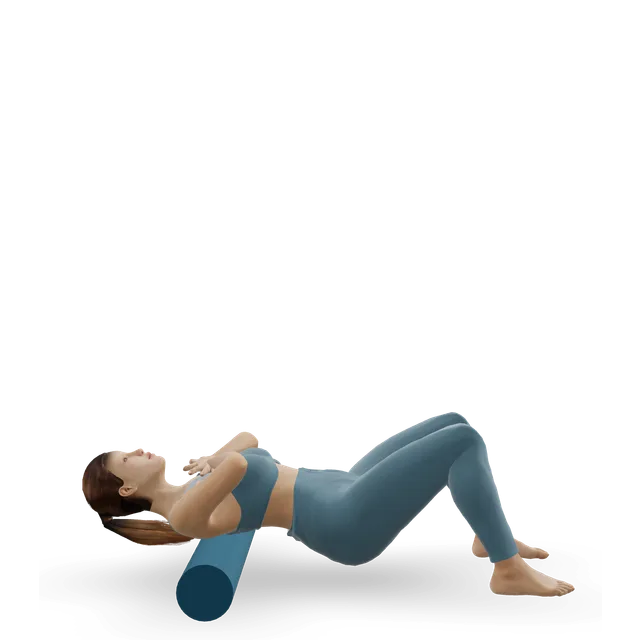
15 minBeginner8 movesA foam roller, A band

Traps workout: shrugs, rows, raises and carries

A 30-minute traps workout with dumbbells: shrugs for the upper traps, then rows, raises and reverse flys for the rest of them, and farmer's carries to finish.

30 minBeginner9 movesA band, A dumbbell

Neck and shoulder stretches

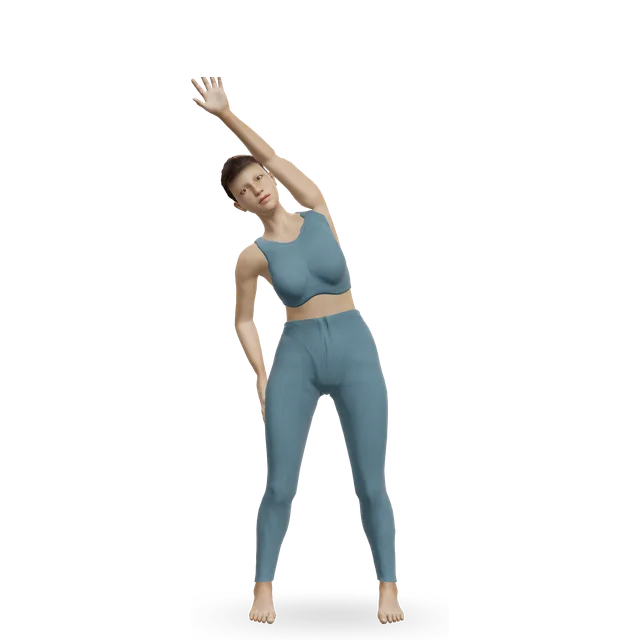
Eight gentle neck and shoulder stretches for desk stiffness, done standing or seated in ten minutes.

10 minBeginner8 movesA wall

5-minute desk stretches

A quick stretch break you can do beside your desk: neck, back, chest, wrists, hips and quads.

5 minBeginner7 movesA wall

Yoga for neck pain: a 20-minute gentle sequence

Twenty minutes of slow breathing, small neck movements, poses that keep your head supported or level, and upper-back strength, with nothing that loads the neck.

20 minBeginner14 movesA step

Pilates for neck pain: a 20-minute head-supported class

A 20-minute Pilates class for neck pain: head-supported core work, upper-back and shoulder-blade strength, gentle neck movement and slow breathing.

20 minBeginner15 movesA wall

Activate rugby warm-up: the adult sample phase

England Rugby's and World Rugby's Activate warm-up, the manual's adult sample phase: running, balance, partner holds, hops, sprints and neck holds.

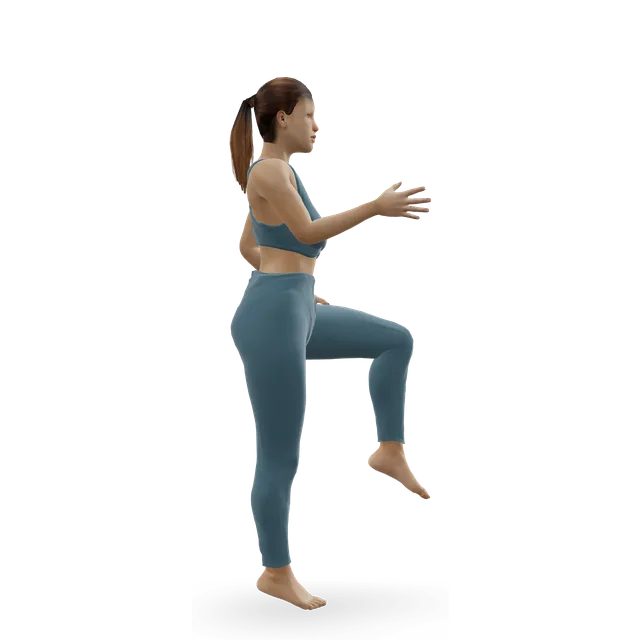
25 minBeginner15 movesCardio machine, A wall

Strength workout for rugby players: legs, upper body, hamstrings and neck

A 55-minute gym session for rugby: jump squats and chest throws, heavy squats, bench press, Romanian deadlifts, rows, Nordic lowers, shoulder and neck work.

55 minIntermediate15 movesA band, Medicine ball

Wrestling strength workout: jumps, deadlifts, split squats, pull-ups, grip and neck

A 55-minute strength and power session for wrestlers: jump squats, medicine-ball throws, trap bar deadlifts, split squats, pull-ups, carries and neck holds.

55 minIntermediate16 movesA wall, A band

Strength workout for boxers: legs, power, shoulders and grip

A 45-minute strength and power workout for boxers: jumps and chest throws, squats and single-leg hinges, push-ups, rows, rotator cuff, carries and grip.

45 minIntermediate18 movesA band, Medicine ball

Plans

Neck work fits on 2 or 3 days of any plan: add the neck blocks after your main lifts, as our thicker neck guide suggests.

When your neck hurts

Neck pain that lasts

Start with our neck pain guide's staged plan, which builds from gentle movement to the trapezius trials' programme.

Source 11

Pain, tingling or numbness down one arm

Use your arm, not your neck, as the main guide. An exercise is fine if it does not send pain, tingling or numbness further down your arm, and any increase settles within an hour. A hospital leaflet on nerve glides allows some increase in symptoms but not one lasting over an hour; applying that to every exercise is this site's suggestion.

Stop and get checked if the arm feels weaker or numbness spreads.

Our pinched nerve in the neck guide has the plan.

After a car crash or fall

Check the injury warning signs first; our whiplash guide covers recovery.

Headaches, arthritis and after surgery

Our cervicogenic headache, neck arthritis and neck surgery guides have the plans for each.

Who should change their neck training

Rheumatoid arthritis in the neck

With rheumatoid arthritis that affects your neck, leave this out: the NHS says long-standing rheumatoid arthritis raises the risk of an uncommon but serious problem at the top of the spine (cervical myelopathy).

High blood pressure

Hard holds invite breath-holding: keep breathing throughout (our suggestion).

Breathe out as you lift, keep the effort moderate, and get advice before maximal efforts.

Pregnancy

Do chin tucks and presses sitting up rather than head lifts lying on your back in later pregnancy (our suggestion, following the NHS advice on lying flat that our plans give).

Older adults

Chin tucks, head lifts and light presses suit most people; with neck arthritis, follow our neck arthritis guide's plan.

Loose joints and after a concussion

Our exercise for hypermobility and exercise after concussion guides cover the graded approach for each.

Warning signs: when to get help

After a neck injury: call 999 or go to A&E

Call 999 or go to A&E after a neck injury if the person is unresponsive, has severe neck pain or cannot move their head, has fallen from a height such as 5 or more stairs, or is drunk or has taken recreational drugs. Do not drive yourself. Being 65 or over, a dangerous fall or crash (from more than 1 metre or 5 stairs, diving, a high-speed or rollover crash, being thrown from a vehicle, a bicycle collision or an accident on a motorised recreational vehicle), or tingling in the arms or legs after an injury puts you at high risk of a broken neck: get checked.

A stiff neck with a fever: call 999 or go to A&E

Call 999 or go to A&E: a stiff neck and you can't look at bright lights; a very painful headache; a very high or very low temperature, feeling hot or cold to the touch, or shivering; confusion, slurred speech or not making sense; a rash that does not fade when you press a glass on it; or a first seizure (fit). These can be signs of meningitis. Call too for any other symptoms you're worried might be meningitis.

Brain and artery signs: call 999 or go to A&E

Call 999 or go to A&E: a headache that came on suddenly and is extremely painful; numbness or weakness in the face or body; a drooping face, or being unable to lift both arms and keep them up; difficulty speaking, swallowing, balancing, walking or remembering; double vision or loss of vision; drowsiness or confusion. A torn neck artery often starts with headache and neck pain, sometimes with dizziness or tingling, so head or neck pain unlike any you have had before needs checking.

Signs of pressure on the spinal cord: call 999 or go to A&E

Call 999 or go to A&E: new problems walking, loss of bladder or bowel control, or a sudden loss of coordination, such as difficulty doing up buttons. These can be signs of pressure on the spinal cord.

Heart signs

Call 999: chest pain that spreads to your arm, neck or jaw, especially with breathlessness, sweating or feeling sick. It could be a heart attack.

Get help from NHS 111: pain or tightness in your chest, neck, shoulders, jaw or arms that comes and goes, often brought on by exercise, stress, emotion or cold and easing after a few minutes' rest. It can be angina, a sign of a heart problem. If you've been diagnosed with angina, get help from NHS 111 too if it feels worse than before, is happening more often, lasts longer or happens when you're resting.

Same day

Same day (urgent GP appointment or NHS 111): severe neck pain that starts suddenly or gets worse quickly; heaviness or weakness in the arms or legs; pins and needles in an arm along with neck or arm pain; or pain between the shoulder blades.

Same day: clumsiness in your hands, or numbness, pins and needles or weakness in one or both arms, that is getting worse; problems with balance or walking since the neck pain started; or neck pain with a severe headache.

Source 11

A trapped nerve that's getting worse

Arm weakness or numbness that keeps getting worse, severe pain that painkillers and rest do not touch, or an unexplained fever.

No improvement after 6 weeks of exercise, or arm symptoms still there beyond 6 to 12 weeks.

See a GP

Neck pain or stiffness that has not eased after a few weeks, or after 8 weeks of looking after it yourself; painkillers are not helping; or you are worried. In many areas you can refer yourself to NHS physiotherapy.

Severe pain that is constant or disturbs your sleep, a fever or unexplained weight loss, or a history of cancer, inflammatory arthritis, tuberculosis (TB), a weakened immune system, neck surgery or a violent injury. Serious causes are very rare, but these need checking.

Source 11

During presses, holds and shrugs

Build the pressure slowly, never push suddenly against your hand, and ease off if a press brings on a headache.

If shrugs bring on pins and needles, numbness or pain down your arm, lighten them or leave them out, and get it checked if it persists, as our shrug guide says.

Stop and get medical help

If you get chest pain or pressure, feel faint or dizzy, are unusually breathless, or your heart races or beats irregularly during exercise, as our plans advise.

Call 999 (911 in the US)

For chest pain that comes on suddenly and doesn't go away, feels tight or like squeezing, spreads to your arms, neck, jaw, stomach or back, or comes with sweating, feeling sick, light-headedness or breathlessness; severe difficulty breathing; someone who faints while exercising; palpitations that don't go away, or come with chest pain, shortness of breath or feeling faint; or a headache that starts suddenly and is extremely painful, especially while lifting or straining, or comes with numbness or weakness, difficulty speaking or loss of vision. The NHS says a bleed on the brain may be more likely when lifting something heavy. Don't drive yourself to A&E.

Ask for an urgent GP appointment or call NHS 111

Ask for an urgent GP appointment or get help from NHS 111 for a headache that's triggered or made worse by coughing, sneezing, bending down or exercising. In the US, contact your doctor or urgent care.

During any session

Stop straight away if you feel any pain or become unwell, the NHS says, and contact 111 if your symptoms worry you or don't go away.

A dull ache in your muscles for a day or two after something new is normal. Joint pain that's sharp, gets worse during a set or lingers into the next day means switching to the easier option, and seeing a GP or physiotherapist if it carries on (our plans' rule). Our muscle soreness guide has more.

Check first

Speak to your GP first if you haven't exercised for some time or have medical conditions or concerns, as the NHS advises. Get advice before heavy lifting or hard straining work if your blood pressure is uncontrolled, or you have heart disease or chest pain when you're active, a pacemaker or defibrillator, diabetic eye disease, glaucoma, a hernia, recent eye or tummy surgery, or you're pregnant, as our breathing guide lists. After a recent shoulder dislocation or shoulder surgery, follow our shoulder dislocation guide or your surgical team first.

After heart surgery through the breastbone, or a heart or lung transplant, follow your surgeon's advice before pushing, pulling or lifting with your arms.

Source 31

Hernia

See a GP if you think you have a hernia, a bulge or lump that may get bigger when you strain and smaller when you lie down. Get help from NHS 111 if you have a hernia and pain in or around it, a bloated tummy, you feel or are sick, you're vomiting blood or your vomit looks like coffee grounds, you're constipated, you have a high temperature or feel hot, cold or shivery, or you've suddenly become confused. Call 999 or go to A&E for a femoral hernia (a small lump at the top of your thigh, in your groin) with very bad tummy pain, sickness, being unable to fart or poo, a high temperature or sudden confusion.

Myths

"A strong neck prevents all concussions"Mixed evidence

Neck training reliably raises neck strength, but studies disagree on whether stronger necks have fewer concussions, pooled the link is small and very uncertain, and training didn't significantly change how fast the head moved after a hit. Technique, the rules and whole warm-up programmes matter too.

Sources 9, 22, 23, 24, 10

"Neck exercises will fix your posture"Mixed evidence

They move the head back a little, about 3 degrees on average, and strengthening works where stretching doesn't. But posture is only weakly linked with neck pain in adults, and texting posture didn't predict neck pain over a year.

Sources 8, 18, 6, 7

"Neck pain means your neck is weak"Mixed evidence

Strengthening helps neck pain, but low neck strength wasn't among the risk factors that studies of office workers found, and strengthening, motor control and yoga helped about equally. Exercise seems to help in more ways than strength alone (our reading).

Sources 1, 14, 3

"Stretching is enough"Mixed evidence

Stretching alone had low-quality evidence of no change in the Cochrane review, and strength training beat stretching and aerobic exercise over a year. Stretch if it helps; strengthen as well.

Sources 1, 2

"Neck training is dangerous"Emerging evidence

Built up gradually, trials reported only minor, short-lived side effects, though more than half didn't report on them. Neck bridges, harness work and jerking against heavy loads haven't been tested.

Sources 1, 19

"Big lifts and shrugs train your neck"Emerging evidence

Squats, deadlifts and rows didn't grow the neck muscles in 12 weeks; shrugs train the upper traps beside your neck. Your neck needs its own work.

Source 27

Questions people ask

How do I strengthen my neck?

Two or three times a week, do chin tucks and head lifts, then holds against your hand in four directions, building the effort over weeks. Add rows, lateral raises and shrugs for the shoulders and upper back. Strength training of this kind eased long-standing neck pain in trials.

What are the best neck strengthening exercises?

No single one: chin tucks and head lifts train the deep neck muscles, presses and four-way holds train the rest, and rows, lateral raises and shrugs share the load. Strengthening, motor control exercise and yoga helped neck pain about equally in pooled trials, so pick moves you'll keep doing.

Can I strengthen my neck at home without equipment?

Yes: your hand is the resistance. In young rugby players, one hard 15-second push against their own hand in each direction, 3 times a week, raised neck strength a lot in 8 weeks. A resistance band adds rows and raises.

How long does it take to strengthen your neck?

Neck strength rose within 5 to 8 weeks in athletes. Pain trials ran 10 weeks to a year, and posture improved more with programmes of 8 weeks or more.

Will neck strengthening help my neck pain?

For neck pain that has lasted, yes, modestly: strength work for the neck and shoulders has moderate-quality evidence, and 2 minutes a day of band raises eased pain in workers. If your neck hurts now, start with our neck pain guide's plan and its pain rule.

Can neck exercises fix forward head posture?

A little: exercise moved the head back about 3 degrees on average in trials, and strengthening worked where stretching didn't. Posture is only weakly linked with neck pain, so moving often matters more than holding a perfect position.

Does a strong neck prevent concussion?

Not proven. Neck training raises neck strength, but studies disagree on whether stronger necks have fewer concussions, and pooled the link is small and very uncertain. Rugby warm-ups that included neck work did cut concussions, alongside everything else they trained.

How often should I do neck exercises?

Two or three days a week for holds and shoulder work, as in the trials that raised neck strength. The band option was 2 minutes a day, 5 days a week.

Are neck exercises safe?

For most people, built up gradually, yes: trials reported only minor, short-lived soreness or headaches. Stop for dizziness, tingling down an arm or a headache, and never jerk against a load.

Should I use a neck harness?

You don't need one: the trials used bands, dumbbells and your own hand. If you do, start very light and get coaching, as our thicker neck guide says; harness work hasn't been tested for safety.

Can older adults strengthen their neck?

Yes, gently: chin tucks, head lifts and light presses suit most people. With neck arthritis, follow our neck arthritis guide; with rheumatoid arthritis in the neck, leave out presses and holds.

When should I see a doctor about my neck?

Call 999 for neck pain after a serious injury, a stiff neck with a fever or rash, or a sudden, extremely painful headache. Get same-day help for weakness, numbness or pins and needles in an arm, or clumsy hands. See a GP if it hasn't eased after a few weeks.

Sources

  1. Gross 2015 · Exercises for mechanical neck disorders: 27 trials (Cochrane review)
  2. Ylinen 2003 · A year of neck muscle training for chronic neck pain in 180 women (randomised trial, JAMA)
  3. de Zoete 2021 · Exercise types for chronic neck pain compared: 40 trials (network meta-analysis, BJSM)
  4. Andersen 2011 · Small daily amounts of resistance training for frequent neck and shoulder pain in 198 workers (randomised trial, Pain)
  5. Andersen 2008 · Specific strength training against leg cycling for chronic neck muscle pain in 48 women (randomised trial, Arthritis Rheum)
  6. Mahmoud 2019 · Forward head posture and neck pain: 15 studies (systematic review and meta-analysis, Curr Rev Musculoskelet Med)
  7. Correia 2025 · Neck bending on a smartphone did not predict neck pain in 396 adults; poor sleep and low activity did (cohort study, Braz J Phys Ther)
  8. Xing 2026 · Exercise for forward head posture in people with neck pain: 10 trials (systematic review and meta-analysis, J Pain Res)
  9. Ivanic 2024 · Exercise to prevent sport-related concussion: neck strength and head acceleration, 26 studies (systematic review and meta-analysis, BJSM)
  10. Garrett 2023 · Neck strength and concussion in team sports: 8 studies (meta-analysis, JOSPT)
  11. NHS · Neck pain and stiff neck (past its review date: reviewed April 2023, review due April 2026)
  12. Louw 2017 · Exercise for office workers with neck pain: 8 trials (systematic review and meta-analysis, S Afr J Physiother)
  13. Jones 2024 · Exercise for office workers with chronic neck pain: 8 trials (systematic review and meta-analysis, Appl Ergon)
  14. Jun 2017 · Physical risk factors for neck pain in office workers (systematic review and meta-analysis, Int Arch Occup Environ Health)
  15. Teichert 2023 · Exercise to prevent neck pain: 5 trials, 1,722 people (systematic review and meta-analysis, JOSPT)
  16. de Campos 2018 · Exercise programmes to prevent a new episode of neck pain (systematic review and meta-analysis, J Physiother)
  17. Richards 2016 · Neck posture and neck pain in 1,108 Australian 17-year-olds (cross-sectional study, Phys Ther)
  18. Warneke 2024 · Stretching or strengthening for spinal posture: 23 studies (systematic review and meta-analysis, Sports Med Open)
  19. Attwood 2022 · Eight weeks of self-resisted neck strength training in 28 under-18 rugby players (pilot randomised trial, Sports Health)
  20. Geary 2014 · Five weeks of neck strength training in 15 professional rugby union players against 10 controls (controlled study, Clin J Sport Med)
  21. Deng 2022 · A 12-week isometric neck strengthening programme in 40 elite women footballers (randomised trial, J Sci Med Sport)
  22. Collins 2014 · Neck strength and concussion in 6,704 high school athletes (cohort study, J Prim Prev)
  23. Farley 2022 · Neck extension strength and concussion in 225 professional rugby players (cohort study, BJSM)
  24. Liston 2023 · Neck strength didn't predict concussion in 136 professional rugby players (cohort study, JOSPT)
  25. Attwood 2018 · A movement control warm-up in men's community rugby: 81 clubs (cluster randomised trial, BJSM)
  26. Hislop 2017 · A movement control warm-up in schoolboy rugby: 40 schools (cluster randomised trial, BJSM)
  27. Conley 1997 · Neck muscle size and strength after 12 weeks of training with or without neck exercises, in 22 students (MRI study, Eur J Appl Physiol)
  28. Liang 2019 · Exercise for cervical radiculopathy: 10 trials (systematic review and meta-analysis, Medicine)
  29. Michaleff 2014 · An exercise programme or advice for chronic whiplash in 172 people: PROMISE (randomised trial, Lancet)
  30. NHS inform · Exercises for neck problems
  31. NHS · Physical activity guidelines for adults aged 19 to 64

Exercise education, not a personal prescription, and clinical review of these guides is pending. Check with a GP before starting hard training if you have a heart condition, chest pain, dizziness or breathlessness when active, and stop for sharp or increasing pain. Health disclaimer.