Three parts, three jobs
The upper traps shrug your shoulders, the middle traps squeeze your shoulder blades together, and the lower traps draw them down. Bigger traps means training all three, not just shrugging.
Training guide
Your traps, or trapezius, run from the base of your skull down to the middle of your back, and their three parts do different jobs: the upper part shrugs your shoulders, the middle squeezes your shoulder blades together and the lower draws them down. Shrugs work the upper traps hardest; rows, raises and face pulls work the rest. In a 10-week trial, five dumbbell exercises including shrugs enlarged trapezius muscle fibres by about a fifth.
This guide covers what each part does, which exercises work which part (and what muscle activity studies can't tell you), whether deadlifts build your traps, how many sets and how often, traps at home, building a thicker neck, how long it takes, and the headache, neck and shoulder signs that mean stop.
The upper traps shrug your shoulders, the middle traps squeeze your shoulder blades together, and the lower traps draw them down. Bigger traps means training all three, not just shrugging.
Of the exercises compared, shrugs worked the upper traps hardest. Upright rows and lateral raises worked them almost as hard with much lighter weights, and face-down raises and rows worked the middle and lower parts.
Ten weeks of five dumbbell exercises, shrugs among them, enlarged the faster trapezius fibres by about 20% in women with trapezius pain. No trial has tested shrugs alone, or in people without neck pain, and how hard a muscle works in a few reps doesn't predict how much it grows.
No study has measured trap growth from deadlifts. In one 12-week trial of squats, deadlifts, push presses, rows and pulls, the neck muscles didn't grow on scans, but that study didn't report the traps on their own. Keep your big lifts and add direct trap work.
Source 7
Count shrugs in full and rows, raises, upright rows and carries as half sets at most, over 2 sessions (our editorial counting, as our shrug guide sets out). Shrugs at 2 to 3 sets of 8 to 12, with a one-second pause at the top, is the shrug's move page dose.
The muscles at the back of the neck sit under the traps. In one trial, neck exercises grew them by about 13% in 12 weeks while whole-body lifting didn't, and simple neck holds raised neck strength in young rugby players.
From the base of your skull and the back of your neck to your outer collarbone. They lift your shoulder blades when you shrug and turn them upwards as your arms rise. They're the part most people mean by "traps", between the neck and the shoulder.
From the spine of your upper and middle back to your shoulder blades. The middle part squeezes your shoulder blades together, and the lower part draws them down and helps turn them up so you can reach overhead. They add thickness to your upper back from behind.
The levator scapulae at the side of your neck helps you shrug. Under the traps, deep neck muscles hold up and tilt back your head; whole-body lifting didn't grow them in a trial, but neck exercises did.
Source 7
Most trap research measures muscle activity, with electrodes on the skin during a few reps. That shows effort, not growth. The only training study that measured the trapezius itself growing used small samples of muscle in women with trapezius pain.
Of 10 exercises in 30 healthy adults, the one-arm shrug drew the most upper trapezius activity, while face-down arm raises worked the middle and lower trapezius hardest.
Source 3
In 12 women with neck muscle pain, the dumbbell shrug reached 102% of a maximal test contraction with 20 to 30 kg, the lateral raise 97% and the upright row 85%, with only 3 to 10 kg.
Source 4
Shrugging with the arms 30 degrees out to the sides raised upper and lower trapezius activity in 37 adults, and in the upright row, a wider grip raised trapezius and shoulder activity in 16 trained men. These are one-session studies, not training trials.
In women with long-standing trapezius pain, 10 weeks of five dumbbell exercises (lateral raises, shrugs, one-arm rows, reverse flys and upright rows; three of them each session, 3 sets of 8 to 12 hard reps, 3 times a week) enlarged the faster trapezius fibres by about 20%, measured from small muscle samples. It's the best direct evidence there is, and it wasn't in people without pain.
Source 5
In 48 women with long-standing trapezius pain, that kind of strength training cut their worst pain by about 79% in 10 weeks, while leg cycling gave only a small, short-lived drop.
Source 13
How hard a muscle works in a few reps hasn't been shown to predict how much it grows over months, so the activity studies help choose exercises, not rank them for size.
Source 6
In 22 active students, 12 weeks of squats, deadlifts, push presses, bent-over rows and pulls didn't change the total area of the neck muscles on MRI (magnetic resonance imaging) scans, though the thighs grew 7%. Adding a head extension exercise grew the neck muscles from 19.5 to 22.0 square centimetres, mostly the deep ones. The study didn't report the trapezius on its own, so it can't say whether deadlifts build your traps.
More weekly sets build more muscle, with diminishing returns; light and heavy loads build similar muscle when the sets are hard; and with weekly sets matched, training a muscle once or three times a week builds about the same.
Women and men grow at similar rates relative to their starting size, and men gain more in absolute terms in the upper body. On the same programme, some people barely change and others grow a lot.
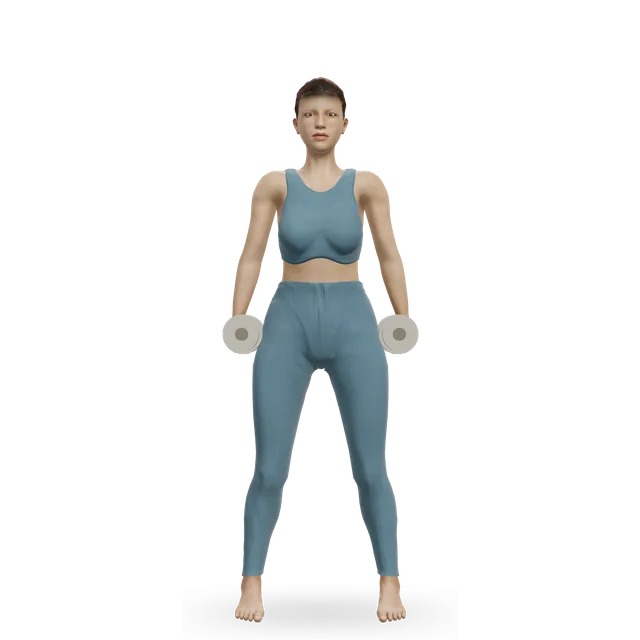
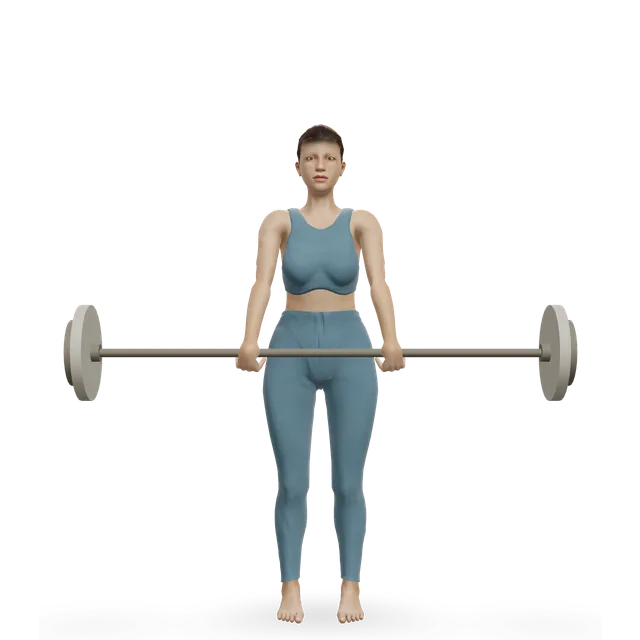
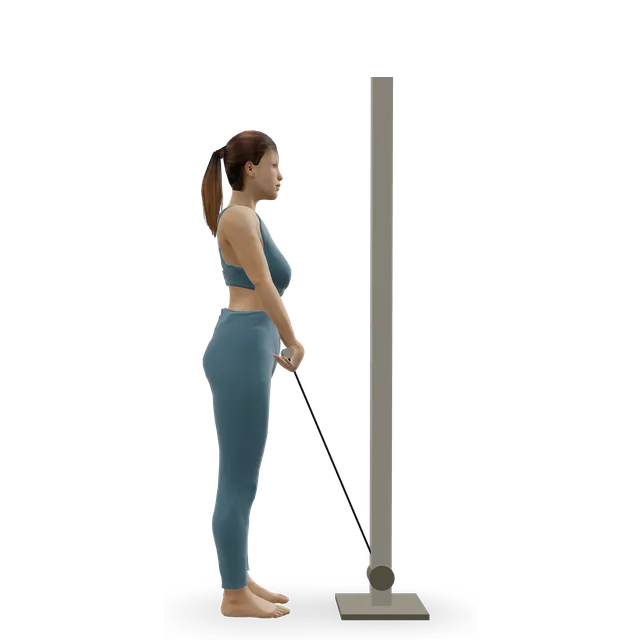
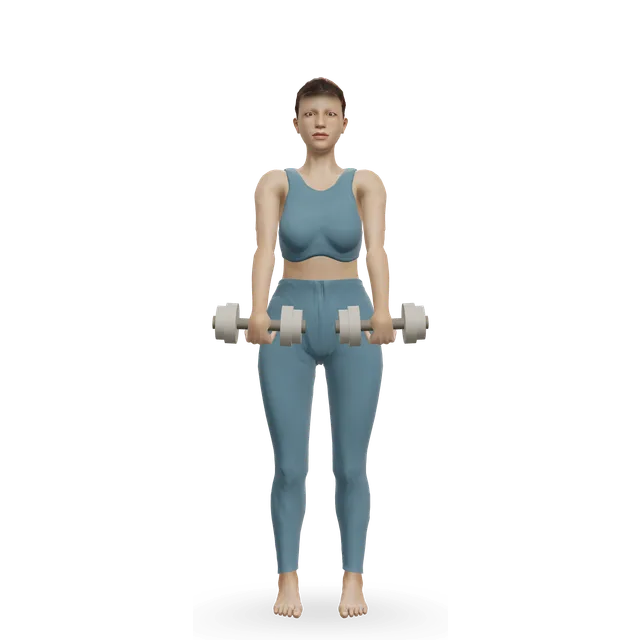
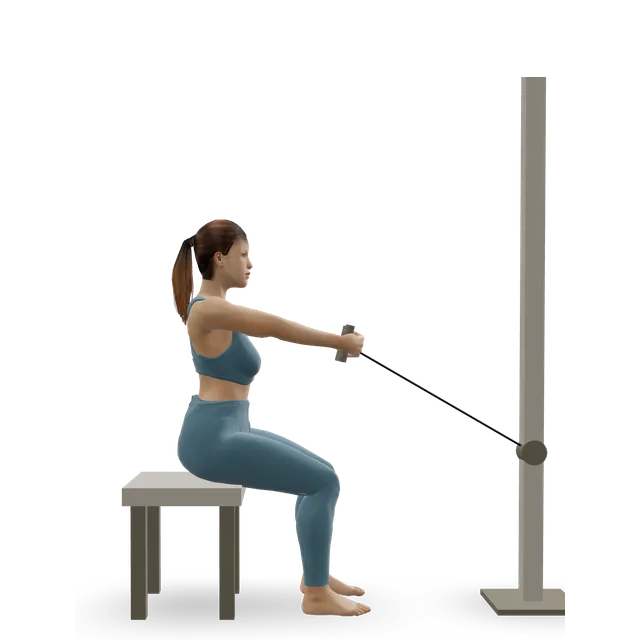
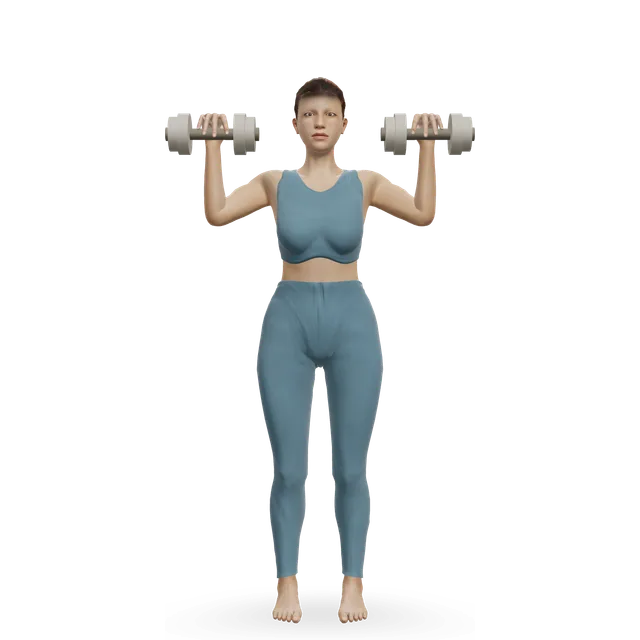
Shrugs straight up and down with a one-second hold: 2 to 3 sets of 8 to 12, stopping 2 or 3 reps short (the dumbbell, barbell and cable shrugs' move pages). Upright rows at 10 to 12 with your hands at least 30 cm apart and elbows no higher than your shoulders, and farmer's carries of 30 m (our traps workout).
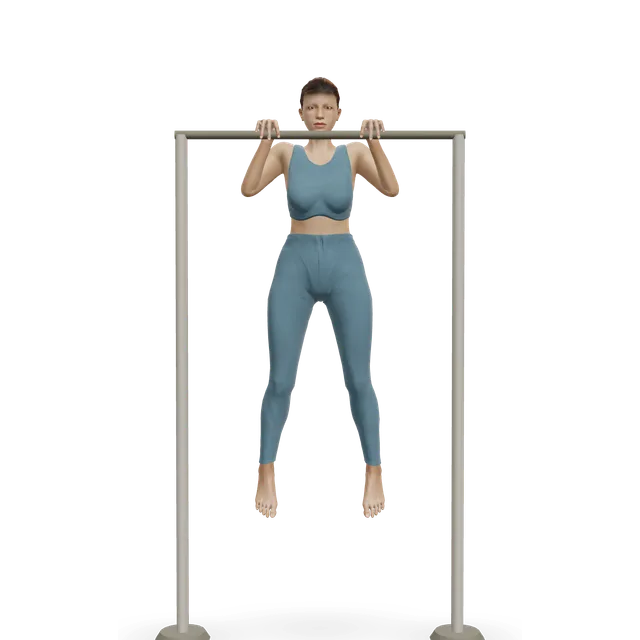
One-arm rows at 8 to 12 each side and lateral raises and reverse flys at 12 to 15 (our traps workout), face pulls at 12 to 20, and Y-T-W raises at 5 to 8 of each shape for 2 rounds (our neck and shoulder strength routine). The prone shoulder-blade squeeze's move page gives 2 to 3 sets of 8 to 12 with a one-second hold.
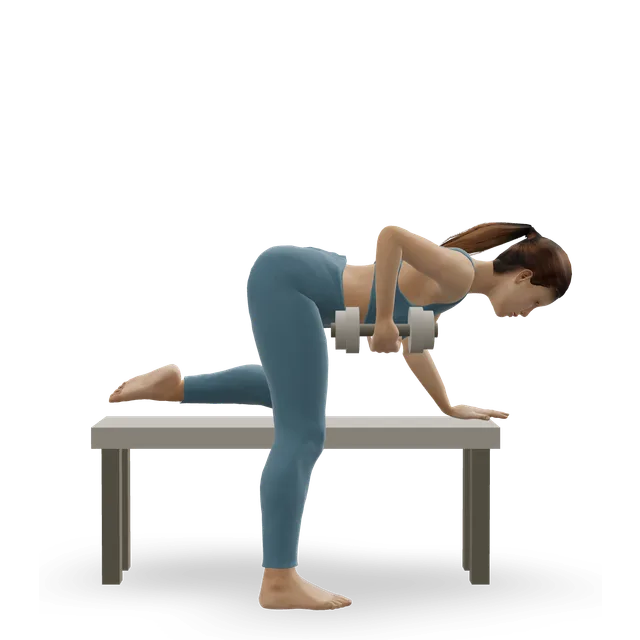 3D demoSupported single-arm dumbbell rowIntermediate · A dumbbell + A bench or box
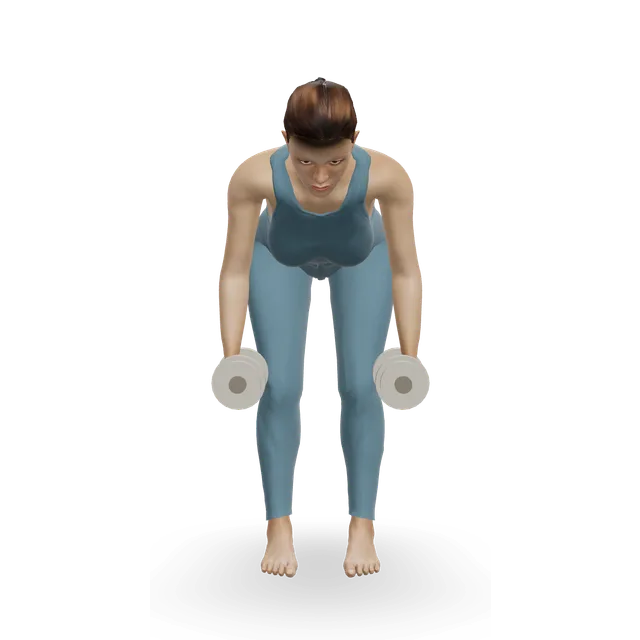 3D demoBent-over reverse flyIntermediate · A dumbbell
 3D demoFace pullIntermediate · A band
 3D demoProne Y-T-W raisesBeginner · No equipment
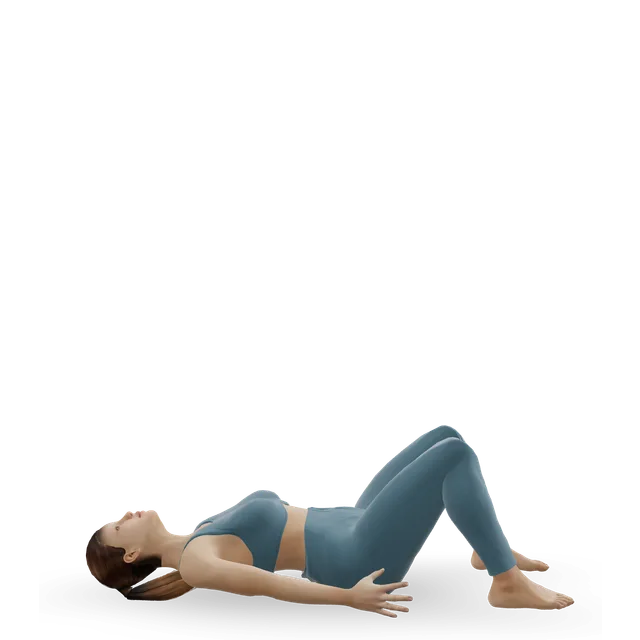
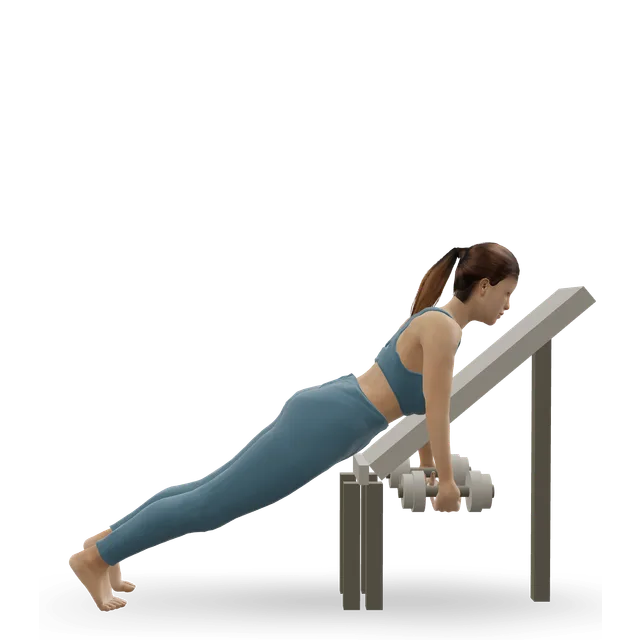 3D demoProne dumbbell shoulder-blade squeezeBeginner · A dumbbell + A bench or box
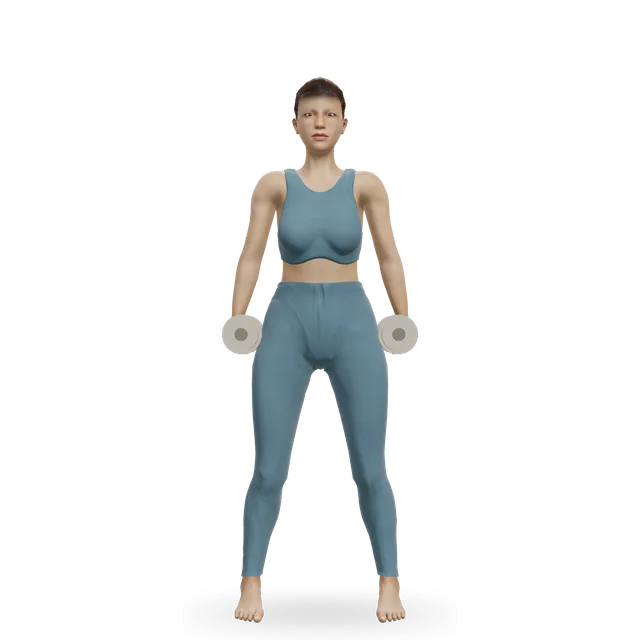 3D demoDumbbell lateral raiseBeginner · A dumbbell
Build towards about 10 hard sets a week, counting shrugs in full and rows, raises, upright rows and carries as half sets at most (our editorial counting, as our shrug guide sets out). For health alone, shrugs are optional.
Our traps workout, twice a week, at least 2 days apart: 3 sets of shrugs, 2 rounds each of upright rows with one-arm rows and lateral raises with reverse flys, and 3 farmer's carries. The trial behind it trained 3 times a week, doing three of five exercises each time.
Source 5
Shrugs of 8 to 12, raises and flys of 12 to 15. Stop most sets 2 or 3 reps short; the last set of shrugs can go to 0 to 2 reps short, as our plans allow for small moves. Use a weight you can lift to full height and hold for a second: women with neck pain reached full trapezius activity with 20 to 30 kg, which is an observation, not a target.
60 to 90 seconds between sets of shrugs and raises, our plans' rest for small moves, or pair two moves and rest after the pair.
Add reps before weight: when every set of shrugs reaches 12 with the pause, take the next dumbbell, as our traps workout suggests. A cable lets you add weight in smaller steps.
From our traps workout; shrug technique from our shrug guide.
Loading the 3D figure…
The movement on the figure: Dumbbell shrug
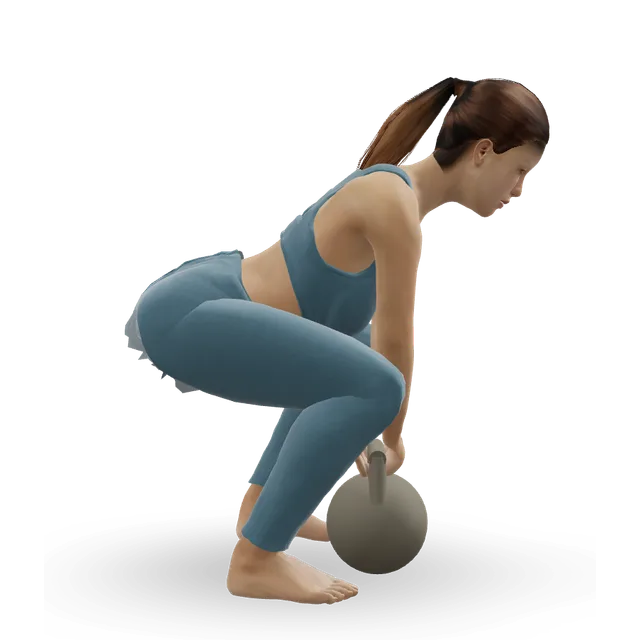
Deadlifts, rack pulls and carries hold your shoulders down against a heavy load and train your grip, back and legs. Whether they grow the traps hasn't been measured: in the one MRI trial of whole-body lifting, neck muscle area didn't change, but the traps weren't reported separately.
Source 7
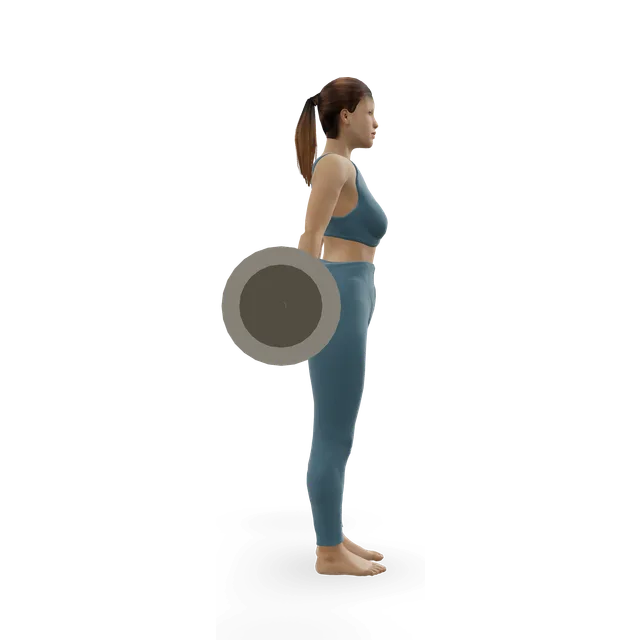
Rack pulls are for people who already have a sound barbell deadlift, as their move page says. If bigger traps are the goal, shrugs and rows are the direct route; our deadlift guide covers the lift itself.
In one trial, adding 3 sets of 10 head extensions to whole-body lifting grew the neck muscles by about 13% in 12 weeks, mostly the deep muscles at the back, while the lifting alone didn't. Training also changed which neck muscles did the work.
Isometric neck presses are the gentle way in: their move pages give a 10-second press, 3 times in each direction, for 3 rounds, from an NHS leaflet, starting with light pressure. In 28 young rugby players, 15-second self-resisted holds in four directions, 3 times a week for 8 weeks, raised neck strength.
Source 10
Never push suddenly against your hand, and ease off if a press brings on a headache, as the move pages say. Our thicker neck guide covers neck training in full, including harnesses, safe loading and how long it takes.
Chin tucks at 5 slow reps with a 5-second hold, and four-way neck holds at 3 to 5 holds of 5 to 10 seconds at light effort (our neck and shoulder strength routine); the isometric neck presses' move pages give a 10-second press, 3 times each way, for 3 rounds. The upper trap release (2 slow holds of 30 seconds each side, its move page) eases tight traps after a session.
Dumbbells or a loaded backpack for shrugs and rows, a band for face pulls and band shrugs, and the floor for face-down raises. Bands built strength like weights and machines across 8 studies.
Source 20
Shrugs without any weight are too easy to build much, as our shrug guide says. Filled water bottles or a loaded backpack will do to start.
Trapezius fibres grew within 10 weeks and neck muscles within 12 in the trials; in a thigh study, growth showed on scans from about weeks 3 to 4. Visible change takes months.
The same programme can change one person a lot and another barely at all. Track your shrug weights and reps rather than the mirror.
Source 19
Nobody can tell you how your traps will look, or when. What you can control is the habit: all three parts trained twice a week, adding reps before weight.
The traps workout covers all three parts with the trial's exercises; the back workouts end with shrugs; the neck and shoulder strength routine adds neck holds.
A 30-minute traps workout with dumbbells: shrugs for the upper traps, then rows, raises and reverse flys for the rest of them, and farmer's carries to finish.
30 minBeginner9 movesA band, A dumbbellA back workout at home with dumbbells and a band: pull-ups or band-assisted pulls, two rows, face pulls, reverse flys, shrugs and Romanian deadlifts.
40 minIntermediate14 movesA band, Pull-up barA gym back workout: lat pulldowns, cable rows, dumbbell rows, face pulls, back extensions and shrugs.
45 minBeginner8 movesPull-up bar, A bandA shoulder workout for all three heads: overhead press, lateral raises, reverse flyes, face pulls and rotations.
40 minIntermediate8 movesA band, A barbellA 25-minute carry workout with dumbbells or kettlebells: farmer's carries, suitcase carries on each side and an overhead carry, with a safe pick-up first.
25 minBeginner7 movesA kettlebell, A dumbbellDeep neck holds and shoulder-blade strength in under 20 minutes: one of the best-supported kinds of exercise for a stiff, sore neck.
18 minBeginner11 movesA band, An anchor pointThe bro split's back day ends with shrugs; the other splits have a pull or upper day where the traps workout's moves fit.
The classic chest, back, legs, shoulders and arms week, built from our gym workouts, with what research says about training each muscle once.
5 training days45 minIntermediate6 days a weekA 6-day push/pull/legs plan for experienced lifters: two push, two pull and two leg days, with sets, reps, rest and lighter weeks.
6 training days55 minAdvanced5 days a weekA 5-day gym split that trains every muscle twice a week: upper, lower, push, pull and legs, with an honest look at the bro split.
5 training days50 minIntermediate4 days a weekA 4-day dumbbell-only plan for home or gym: two upper and two lower days, every set, rep and rest, and how to keep progressing when the dumbbells max out.
4 training days45 minBeginnerStrength training that included shrugs eased long-standing neck muscle pain in women. During exercise, neck pain of 0 to 3 out of 10 is minimal and 4 to 5 acceptable; 6 or more is too much, and your neck should be no worse the next morning, as our neck pain guide sets out. See a GP if neck pain hasn't gone after a few weeks.
Leave upright rows out; shrugs keep your arms by your sides and usually suit a shoulder that complains when you raise your arm. See a GP if shoulder pain isn't improving after 2 weeks.
Source 23
Breathe out as you lift and don't hold your breath, keep the effort moderate, and get advice before maximal lifts. The American Heart Association's 2023 statement notes that studies of people with controlled high blood pressure reported no serious heart events during strength training, and that strength training can lower resting blood pressure.
You can keep up strength training if you already do it, as the NHS says. Ask your midwife before starting anything new, and leave heavy maximal lifts.
Source 26
If you get chest pain or pressure, feel faint or dizzy, are unusually breathless, or your heart races or beats irregularly during exercise, as our plans advise.
For a headache that starts suddenly and is extremely painful, for example while straining under a heavy lift: the NHS says a bleed on the brain may be more likely when lifting something heavy. Also for chest pain that comes on suddenly and doesn't go away or spreads to your arms, neck, jaw, stomach or back; palpitations that don't go away or come with chest pain, breathlessness or feeling faint; fainting while exercising; and back pain with numbness, tingling or weakness in both legs, loss of feeling around your genitals or bottom, or changes in your bladder or bowels. Don't drive yourself to A&E.
For a headache brought on or made worse by exercising, coughing, sneezing or bending down: stop heavy lifting until it's checked. Also for sudden or very bad shoulder pain, an arm you can't move, a shoulder that has changed shape or is badly swollen, or pins and needles that don't go away. In the US, contact your doctor or urgent care.
If shrugs bring on pins and needles, numbness or pain down your arm, lighten them or leave them out, and get it checked if it persists, as our shrug guide says.
If neck pain or stiffness hasn't gone after a few weeks, painkillers haven't helped, or you have pins and needles or a cold arm.
Source 22
See a GP if you think you have a hernia; get help from NHS 111 if a hernia hurts or comes with being sick, constipation or a high temperature. Call 999 for a femoral hernia (a small lump at the top of your thigh) with very bad tummy pain, sickness or being unable to poo or fart. After an inguinal hernia repair, avoid heavy lifting for at least 4 to 6 weeks.
Beat says a drive to be more muscular can be part of an eating disorder, especially in men, and worrying a lot about one part of your body can be body dysmorphic disorder. See a GP; Beat's helpline in England is 0808 801 0677, and our eating disorders guide has the other numbers.
Lateral raises and upright rows worked the trapezius almost as hard as shrugs with much lighter weights, and the trial that grew trap fibres used five exercises, shrugs among them. Shrugs are the most direct option, not the only one.
They work the upper part hardest; face-down raises, rows and face pulls work the middle and lower parts.
Source 3
No study has measured trap growth from deadlifts, and the one MRI trial of whole-body lifting reported the neck muscles, not the traps. Deadlift for the rest of your body, and add direct trap work if traps are the goal.
Source 7
Women with neck pain reached full trapezius activity with 20 to 30 kg, and light and heavy loads build similar muscle when the sets are hard. A weight too heavy to lift far only shortens the shrug: go to full height and hold for a second.
Strength training that included shrugs eased long-standing neck muscle pain in women. Some people do get headaches or arm symptoms: lighten the load or leave them out.
Source 13
The deep neck muscles grew only with neck exercises in the one MRI trial. If a thicker neck is the goal, train the neck itself, gently.
Source 7
Shrug for the upper traps, and row and raise for the middle and lower traps, building towards about 10 hard sets a week over 2 sessions. In a 10-week trial, five dumbbell exercises including shrugs enlarged trapezius fibres by about 20%. Our traps workout puts it together.
For the upper traps, shrugs: they drew the most upper trapezius activity of the exercises compared. Face-down Y and T raises, rows and face pulls work the middle and lower parts.
Yes. Lateral raises and upright rows worked the trapezius almost as hard as shrugs with much lighter weights, and rows, face pulls and carries load it too. Shrugs are the most direct option, not the only one.
They load them, but no study has measured trap growth from deadlifts. In a 12-week trial of squats, deadlifts and rows, the neck muscles didn't grow on scans, though the traps weren't reported separately. If you want bigger traps, add shrugs and rows rather than relying on deadlifts.
Start with 2 to 3 sets of 8 to 12, pausing for a second at the top and stopping 2 or 3 reps short, twice a week. Build towards about 10 hard trap sets a week, counting rows and raises as half sets.
Heavy enough that 8 to 12 reps are hard, light enough that you can lift to full height and hold for a second. Light and heavy weights build similar muscle when the sets are hard.
Yes: dumbbells or a loaded backpack for shrugs and rows, a band for face pulls, and the floor for face-down raises. Bands built strength like weights in trials.
Trapezius fibres grew within 10 weeks in a trial, and growth shows on scans from about weeks 3 to 4 in other muscles. Visible change takes months, and people vary a lot.
The muscles at the back of your neck sit under the traps and need neck exercises of their own: in one trial, neck extensions grew them about 13% in 12 weeks, while squats, deadlifts and rows didn't. Start with gentle isometric neck presses and build the pressure slowly; our thicker neck guide has the full plan.
For many people it helps: strength training that included shrugs cut long-standing neck muscle pain by about 79% in women. If shrugs bring on a headache or tingling in your arm, go lighter or leave them out, and get it checked if it persists.
They work the upper traps and the side of the shoulders hard with light weights, and a wider grip worked them more. Keep your hands at least 30 cm apart, stop when your elbows reach shoulder height, and leave them out if your shoulder pinches.
Often from going too heavy or craning your neck: go lighter, keep your head level and breathe out as you lift. A headache brought on by exercise needs an urgent GP appointment or NHS 111, and a sudden, extremely painful headache while lifting is a 999 call.
Exercise education, not a personal prescription, and clinical review of these guides is pending. Check with a GP before starting hard training if you have a heart condition, chest pain, dizziness or breathlessness when active, and stop for sharp or increasing pain. Health disclaimer.