Very common, usually not serious
In the Edinburgh Vein Study, 40% of men and 32% of women aged 18 to 64 had varicose veins. They can ache, feel heavy, itch or make your ankles swell, usually worse after standing and better with your legs up.
Exercise guide
Varicose veins are swollen, twisted veins, usually in the legs, caused by valves that don't close properly. They're very common and usually harmless, though they can ache, feel heavy or make your ankles swell. Exercise that works your calf muscles helps push blood back up your legs, and the NHS recommends it, but the trials are small and exercise won't make the veins disappear.
This guide covers the calf muscle pump and the exercises that work it, running, cycling, swimming and weights, compression stockings, standing at work, pregnancy, and when you can exercise after vein treatment. It ends with the signs that need a GP, and what to do if a vein bleeds.
In the Edinburgh Vein Study, 40% of men and 32% of women aged 18 to 64 had varicose veins. They can ache, feel heavy, itch or make your ankles swell, usually worse after standing and better with your legs up.
The NHS says exercise regularly, such as running or walking, to improve blood flow. NICE (the National Institute for Health and Care Excellence) advises light to moderate physical activity, and the European vascular surgeons say exercise should be considered to ease symptoms.
Standing still, the pressure in a vein on top of the foot is 80 to 90 mmHg; walking or rising onto your toes brings it down to 20 to 30. In a small trial, 6 months of calf exercises and uphill walking brought calf pump measurements back to normal in people with skin changes or ulcers from vein disease.
A Cochrane review found 5 small trials (146 people) and rated the evidence on symptoms very low certainty. Exercise eases aching for some people, but it won't make varicose veins disappear.
Source 6
We found no study showing that running or lifting worsens varicose veins, and the NHS names running. Long hours standing still at work are linked with them, so break up long spells of standing or sitting and move your calves.
Most people go back to their usual activities straight away after ablation or foam treatment. Clinics differ on harder exercise, from a few days to 4 weeks, so follow your own discharge sheet.
Varicose veins are swollen, twisted veins under the skin, usually on the legs. The valves inside them don't close properly, so blood flows back and pools, raising the pressure in the vein. Thread veins (spider veins) are small red, blue or purple veins that are usually harmless.
Pain, aching or heaviness; itching, colour changes or dry, scaly skin; swollen ankles or legs. Symptoms are usually worse after standing for a long time and better when you rest with your legs up.
Source 2
Anyone can. They're more likely if you're a woman, older, overweight or pregnant, stand or sit a lot, have family members with them, or have had a DVT (deep vein thrombosis, a clot in a deep vein). In the Edinburgh study they were common in men as well as women.
Usually slowly. Over 13 years in Edinburgh, 57.8% of people with varicose veins or venous insufficiency got worse, and almost a third of those with varicose veins alone developed the skin changes of chronic venous insufficiency. Age, a family history, a past DVT and being overweight raised the risk. Thrombosis UK says about 1 in 50 adults with varicose veins develop chronic venous insufficiency each year.
Chronic venous insufficiency (CVI) is blood pooling in the legs, usually with swollen feet and ankles, from damaged veins. It usually comes from varicose veins, and about a third of people get it after a DVT, when it's called post-thrombotic syndrome.
Source 10
They're uncommon: bleeding, itchy, flaky skin over the veins (varicose eczema), sores that take a long time to heal (venous leg ulcers), and clots in veins near the skin or deeper in the leg. Venous leg ulcers affect about 1 in 500 people in the UK, and about 1 in 50 people over 80.
Not always needed. For symptoms or complications, a specialist usually offers endothermal ablation first (heat from radio waves or a laser seals the vein), then foam sclerotherapy if that isn't suitable, then surgery. Treatment just to improve how the veins look isn't usually available on the NHS.
Leg veins have one-way valves. When your calf muscles squeeze, as you walk or rise onto your toes, they push blood up towards your heart. Standing still, the pressure in a vein on top of the foot is 80 to 90 mmHg; walking or tiptoe exercise brings it down to 20 to 30. When the valves leak or the pump is weak, the pressure stays high, which drives swelling, skin changes and ulcers.
Source 4
The European vascular surgeons say exercise that builds leg strength and ankle movement may strengthen the calf pump and help blood return from the legs. That's why the advice is to keep moving: walking, calf raises, moving your feet up and down, circling your ankles, and resting with your legs up.
The NHS, NICE and the European vascular surgeons all include exercise in their advice. The European guideline says it should be considered to reduce symptoms, based on moderate evidence, and that larger studies are still needed.
In a trial of 31 people with skin changes or ulcers, 6 months of calf strengthening and uphill walking improved calf pump measurements and calf strength, though not the leaky valves, symptoms or quality of life. In 32 people already wearing stockings, 8 weeks of calf training improved pain, swelling, ankle movement and strength more than stockings alone, and a 2026 trial of 50 people found similar gains with home calf exercises. A review of 11 studies agreed that exercise improves calf pump function and ankle movement.
The Cochrane review found 5 trials with 146 people, too different to combine, and rated the evidence on every outcome very low certainty. Exercise may ease aching and heaviness for some people, but no trial shows it removes varicose veins.
Source 6
We found no study showing that running or lifting worsens varicose veins, but that's an absence of evidence rather than proof. What is linked: jobs with long hours standing or walking (1.78 times the risk of hospital treatment for varicose veins over 12 years, in 5,647 Danish workers), and age, a family history, a past DVT and being overweight.
In small trials, exercise plus compression healed more venous leg ulcers at 12 weeks than compression alone: 14 more in every 100 people, and 27 more with strength work that got harder over time plus general activity. A review of 7 trials rated the evidence very low quality and found nothing on whether ulcers come back.
Endothermal ablation, foam sclerotherapy or surgery treat the veins themselves. Exercise is part of looking after your legs, alongside treatment or when your veins don't need any.
These are starting points for someone without warning signs.
30 minutes of walking or cycling at a pace where you can talk but not sing, building towards 150 minutes a week. Hills or a treadmill slope work your calves harder, as the uphill walking did in the calf pump trial (our editorial starting point).
2 or 3 sets of 10 to 20 slow calf raises and ankle movements, moving on to one leg at a time or raising your heels from a step. That's our editorial starting point: the trials used strength work from twice a week to daily, 2 to 5 sets of 10 to 25, and a trial in post-thrombotic syndrome used strength work 3 to 4 times a week.
Move your feet up and down and circle your ankles when you've been sitting a while, take a short walk or a calf pump break every 30 to 60 minutes (our suggestion), and put your legs up when they ache. NHS advice for leg ulcers is to raise your feet above your hips for 30 minutes, 3 or 4 times a day.
Strength work on 2 days a week, as for everyone.
Source 20
Built on the NHS advice to move your feet up and down and rotate your ankles, and on the calf training in the trials; the counts and timing are our editorial suggestion.
See the movement on the 3D figure: Slow calf raise
Do the calf raises 3 or 4 days a week, 2 or 3 sets of 10 to 20 (our editorial starting point); ankle pumps and circles are fine every day. The ankle CARs move page gives 5 slow circles each way with each ankle, morning and evening.
 3D demoSlow calf raiseBeginner · A wall
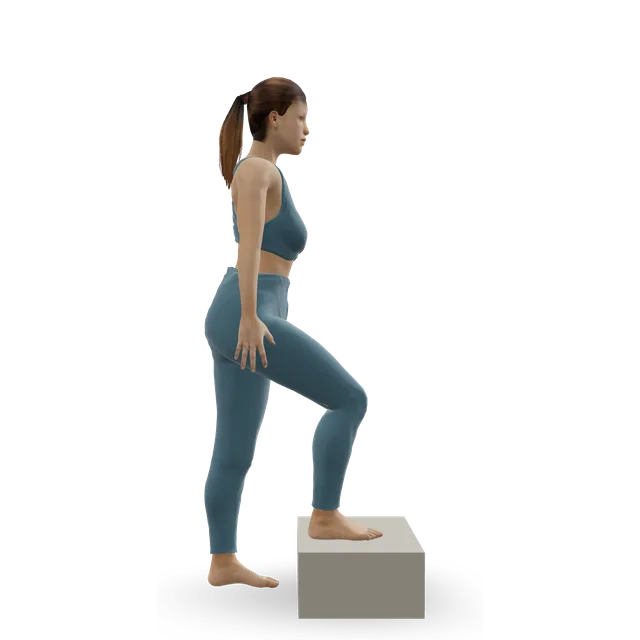
 3D demoSingle-leg calf raise from a stepIntermediate · A step + A wall
 3D demoSeated bent-knee calf raise (soleus raise)Beginner · A bench or box
 3D demoAnkle circlesBeginner · No equipment
 3D demoTibialis raiseBeginner · No equipment
 3D demoAnkle CARs (controlled articular rotations)Beginner · No equipment
Walk on most days. A slope, a hill or stairs work the calves harder, like the uphill walking in the calf pump trial.
Strength work on 2 days a week; hold each calf stretch for about 30 seconds (our suggestion). For legs up the wall, prop up your upper body, or skip it, if lying flat makes you dizzy or you're in later pregnancy.
The NHS names running and walking, and the European guideline supports exercise in general. Walking and cycling work the calf pump. Swimming and water walking add the water's pressure on your legs: in one small trial of 34 people, exercise in warm mineral water reduced leg swelling more than the same exercises on dry land.
We found no study showing that running or lifting worsens varicose veins. Breathe out as you lift rather than holding your breath (our suggestion), and if your legs ache after a run or a heavy session, raise them. Compression stockings for exercise are fine if a professional has checked your circulation.
The NHS advises trying not to injure your legs, to help prevent bleeding. Shin guards help in football and hockey (our suggestion).
Source 2
Legs-up poses raise your legs, which can ease aching, but no trial has tested yoga for varicose veins.
In a 12-year study of 5,647 workers in Denmark, jobs with standing or walking for at least three-quarters of the working day were linked with 1.78 times the risk of hospital treatment for varicose veins, about a fifth of cases. The NHS advises not standing or sitting for long periods unless your feet are raised.
Shift your weight, rise onto your toes every so often, and take a short walk or a calf pump break every 30 to 60 minutes (our suggestion). Our 3-minute desk movement break works at a desk too.
Stockings are offered for varicose veins only if procedures or surgery aren't suitable, or you don't need other treatment. They improve blood flow and can help with swelling and pain; wear them in the day and take them off at bedtime.
A Cochrane review of 13 trials (1,021 people) found too little good evidence that stockings work as the only first treatment, and many people stop wearing them. The European guideline uses them more widely, recommending at least 15 mmHg at the ankle for symptoms and 20 to 40 mmHg for swelling.
Stockings aren't suitable if the arteries in your legs are narrowed. A GP may check the pulses in your feet and do an ankle brachial pressure index (ABPI) test, comparing the blood pressure at your ankles and arms. The European guideline also lists severe diabetic nerve damage with loss of feeling and severe heart failure as reasons not to use them.
Varicose veins are common in pregnancy. Compression stockings can help with leg swelling, procedures usually wait until after the birth, and veins often get better or go away after your baby is born. The usual advice to stay active applies: our pregnancy guide has the details. Pain and swelling in one leg needs a same-day check: call your maternity unit, an urgent GP appointment or NHS 111.
Itchy, dry, flaky skin that may darken, often with swollen legs. It's treated with moisturisers, steroid creams and compression, with keeping active and raising your legs; left untreated it can lead to leg ulcers.
Source 24
A venous leg ulcer is a sore on the leg that hasn't healed after 2 weeks. Compression from a trained nurse is the treatment, and most heal within 6 months. The NHS advises walking regularly, moving your feet up and down and rotating them at the ankles, and raising your feet for 30 minutes, 3 or 4 times a day; after healing, compression stockings help stop ulcers coming back.
Clinics differ on stockings, strenuous exercise and flying, so your own clinic's discharge sheet comes first.
You go home the same day and can go back to most usual activities straight away, walking often. Some clinics say avoid strenuous exercise for the first few days; one suggests about 2 weeks before the gym, with gradual training before any competition and no contact sport while you wear stockings. Swimming waits until the wounds have healed (at least a week at one clinic). Stockings are usually worn for about a week; NICE says no more than 7 days, though some clinics use 2 to 4 weeks.
Walk straight away: one clinic suggests a 5 to 10-minute walk every waking hour in the first week. Clinics advise avoiding strenuous exercise for anything from 3 or 4 days to 2 weeks, and one says no jogging, tennis or aerobics for 4 weeks.
Usually under general anaesthetic, going home the same day. Walk from the start: at least 20 minutes, 3 times a day, at one hospital. Expect bruising for a few weeks and 1 to 2 weeks off work; most people are back to normal activities within 1 to 2 weeks.
Two clinics allow short flights after 2 weeks and long-haul after 4; another says 4 weeks for any flight. After foam, one clinic says 4 to 6 weeks, and another 6 weeks for Europe and 8 weeks for long-haul.
Walking keeps blood moving in the deep veins and lowers the small risk of a clot: one clinic puts a DVT after laser treatment at under 1%. Firm, tender lumps along the treated vein are common and settle over weeks.
Keep foam rollers, massage guns, cups and deep massage off varicose veins: the NHS advises trying not to injure your legs, to help prevent bleeding. Never roll or massage a calf that's swollen, red or throbbing, because it could be a clot. The European guideline advises avoiding heat, so hot tubs and saunas may make heavy legs feel worse.
The calf pump routine is built for vein symptoms. The incline walk adds the uphill walking used in the calf pump trial, and the desk break suits long days sitting or standing. The foot and ankle routine's ankle bounces are optional.
A 15-minute calf pump routine for varicose veins and heavy, swollen legs: ankle pumps, calf raises, a brisk walk, calf stretches and legs up to finish.
15 minBeginner10 movesA bench or box, A wallA 50-minute walk with hills, outdoors or on a treadmill slope: brisk on the flat, slower on the climbs, building from gentle slopes to about 6%.
50 minBeginner5 movesCardio machine, A stepA 40-minute walk alternating 3 minutes fast and 3 minutes easy, five times over: the interval walking tested in Japanese trials, built up from three rounds.
40 minBeginner3 movesCardio machine, A wallA steady 30 to 45 minute cardio session at talk-but-not-sing pace: walk, cycle, row or cross-train, counting toward weekly activity guidelines.
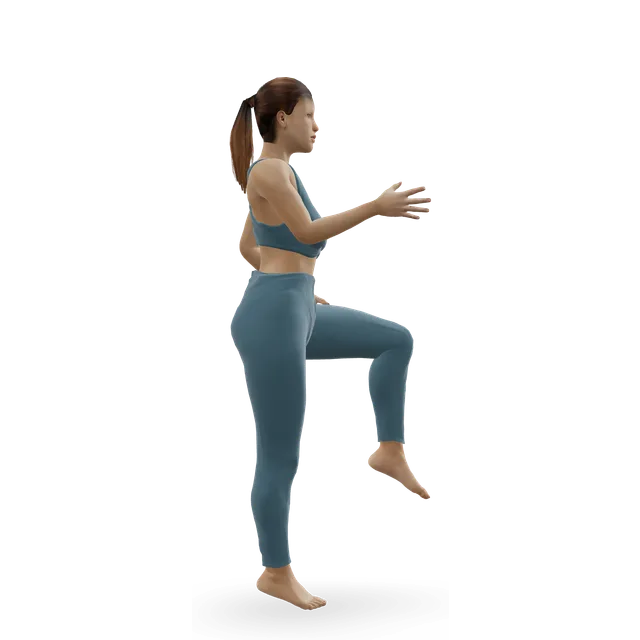
40 minBeginner3 movesCardio machine, A wallA 3-minute standing break to repeat every 30 to 60 minutes at your desk: sit-to-stands, calf raises, marching, an upper-back turn and chin tucks.
3 minBeginner5 movesA bench or box, A wallA 15-minute barefoot routine for stronger toes, arches, calves and ankles, finishing with balance. You need only a towel, a wall and a resistance band.
15 minBeginner11 movesA wall, Other / check instructionsA gentle leg strength routine with no jumping: sit-to-stands, step-ups, wall sits, bridges and calf raises.
20 minBeginner7 movesA bench or box, A stepThe walking plan builds towards 150 minutes a week.
This is general information, not a diagnosis. A&E means accident and emergency, and GP means general practitioner. In the US, call 911 where this page says 999.
Lie down, raise your leg above the level of your heart, and press firmly on the bleeding point with a bandage or a clean, folded cloth; if blood comes through, put another pad on top. Call 999 or go to A&E if you can't stop the bleeding, or you feel faint or dizzy; one NHS emergency department advises coming back if it hasn't stopped within 10 minutes. Even if it stops, get an urgent GP appointment or call NHS 111: NICE refers bleeding varicose veins to a specialist straight away.
Leg pain or swelling with breathlessness or chest pain: it could be a clot that has reached the lungs.
Source 26
Red, hot, painful lumps along the treated vein are often phlebitis, which Hull treats with anti-inflammatories such as ibuprofen and regular exercise rather than rest. If you take blood thinners, don't take ibuprofen unless your doctor says you can.
Exercise can ease aching for some people, but no trial shows it removes or shrinks varicose veins: in the calf pump trial, the leaky valves didn't change. If they bother you, see a GP about treatment.
We found no study showing that running or lifting worsens varicose veins, and the NHS names running as good exercise for them.
Source 2
They're usually harmless, but over 13 years more than half got worse, and almost a third of people with varicose veins alone developed skin changes. Aching, swelling, skin changes or a sore that won't heal are worth showing a GP.
In the NHS, stockings are mainly for people who can't have, or don't need, a procedure, and a Cochrane review found too little good evidence for them as the only first treatment. Get your circulation checked before you buy strong ones.
In the Edinburgh Vein Study, 40% of men and 32% of women aged 18 to 64 had them. Pregnancy makes them more likely for women.
You'll be asked to walk the same day, and often: walking lowers the small risk of a clot. It's harder exercise that waits for a while.
We found no study of it. Keep rollers and massage guns off varicose veins: they don't treat the veins, and the NHS advises avoiding knocks to your legs, which can make a vein bleed.
Source 2
It can ease aching, heaviness and swelling for some people, and the NHS advises exercising regularly, such as running or walking. Calf exercises improved how well the calf pump works in small trials, but the evidence that they ease symptoms is very low certainty. Exercise won't make the veins disappear.
Anything that works your calves: brisk walking (uphill if you can), cycling and swimming, plus calf raises and ankle movements. Choose something you'll keep doing and build towards 150 minutes a week. If you sit or stand for long periods, take short breaks to walk or rise onto your toes.
We found no study showing that running or lifting weights makes varicose veins worse, and the NHS lists running as a good choice. Getting older, a family history, pregnancy, being overweight and long hours standing still at work are what's linked with them. Breathe out as you lift rather than holding your breath, and raise your legs afterwards if they ache.
Vein symptoms are usually worse after standing for a long time and ease when you rest with your legs up. Raising your legs, and compression stockings if a professional has checked your circulation, can help. See a GP if the pain, itching or swelling bothers you or the veins are getting worse.
In the trials, programmes lasted 8 weeks to 6 months, with strength work from twice a week to daily. A good start is 2 or 3 sets of 10 to 20 slow calf raises on 3 or 4 days a week, plus ankle pumps whenever you've been still for a while (our suggestion). When that's easy, raise one heel at a time or work from a step.
They can ease aching and swelling, but in the NHS they're mainly offered when vein treatment isn't suitable or needed, and a Cochrane review found too little good evidence that they work as the only first treatment. They aren't safe if the arteries in your legs are narrowed, so a GP may check the pulses in your feet and do an ankle pressure test first. If you've been given stockings, you can wear them for exercise if they're comfortable.
Yes: the NHS advises putting your legs up when you can, for example lying with them on cushions. NHS advice for leg ulcers is to raise your feet above your hips for 30 minutes, 3 or 4 times a day, which is a reasonable target when your legs ache. If lying flat makes you dizzy, prop up your upper body.
Yes: varicose veins are common in pregnancy, and the usual advice to stay active applies. Compression stockings can help with leg swelling, treatment usually waits until after the birth, and veins often get better or go away after your baby is born. Pain and swelling in one leg needs a same-day check with your maternity unit, an urgent GP appointment or NHS 111.
Walk the same day and often: most people go back to their usual activities straight away. NHS clinics differ on harder exercise: some say avoid strenuous exercise for the first few days, one suggests about 2 weeks before the gym, and swimming waits until the wounds have healed. Follow your own clinic's discharge sheet.
After foam, walk straight away; clinics advise avoiding strenuous exercise for anything from 3 or 4 days to 2 weeks, and one says no jogging, tennis or aerobics for 4 weeks. After surgery, walk from the start (one hospital says at least 20 minutes, 3 times a day) and expect to be back to normal activities within 1 to 2 weeks. Your clinic's advice comes first.
Keep foam rollers, massage guns and deep massage off varicose veins: the NHS advises avoiding injuring your legs to help prevent bleeding. Never roll or massage a calf that's swollen, red or throbbing, because it could be a clot that needs checking. Gentle rolling away from the veins is fine.
Lie down, raise the leg above the level of your heart and press firmly on the bleeding point with a clean pad or folded cloth, adding another pad on top if blood comes through. Call 999 or go to A&E if you can't stop the bleeding or you feel faint. Even if it stops, get an urgent GP appointment or call NHS 111, because a vein that has bled needs a specialist's review.
Exercise education, not a diagnosis or treatment plan, and clinical review of these guides is pending. Stop and get advice for chest pain, unusual breathlessness, dizziness or fainting, or new pain, and check with your doctor or midwife first if they have told you to limit activity. Health disclaimer.