Calf strain ('tennis leg')
A tear in the gastrocnemius, most often its inner (medial) head, felt as sudden pain at the back of the calf and a weak push-off. It is common after 40 and named for how often it happens in racquet sports.
Muscle guide · Lower legs
Also called calf muscle, gastroc
The gastrocnemius is the two-headed muscle that forms the visible bulge of the calf, the outermost muscle at the back of the lower leg. Its heads start just above the knee and join the soleus in the Achilles tendon.
Mostly fast-twitch, it is the calf's power muscle, used for jumping, sprinting and the push-off of each stride, while the soleus underneath handles long, steady work.
In a 12-week trial, standing (straight-knee) calf raises grew the gastrocnemius far more than seated raises: about 9 to 12% against under 2%.
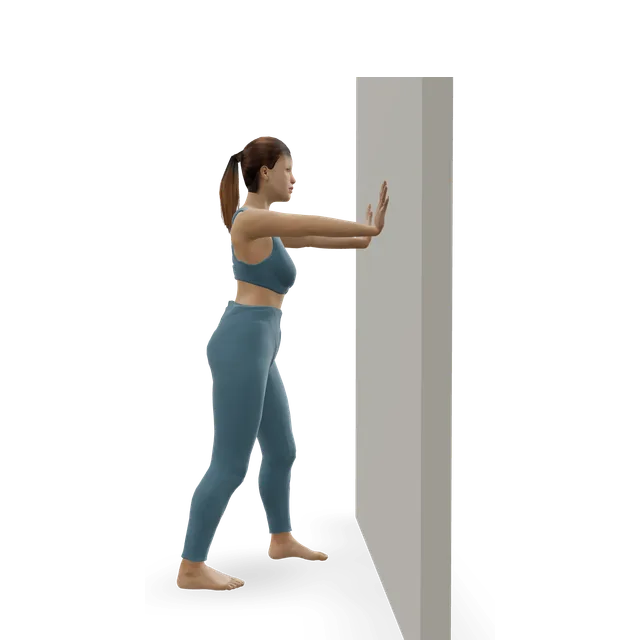
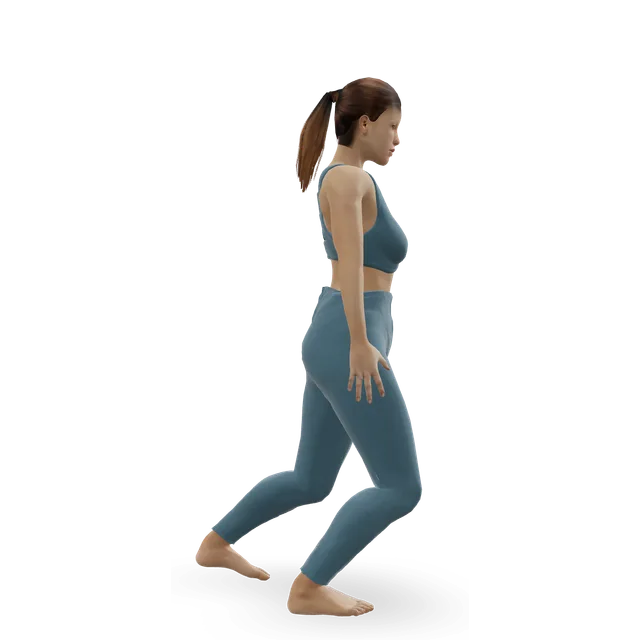
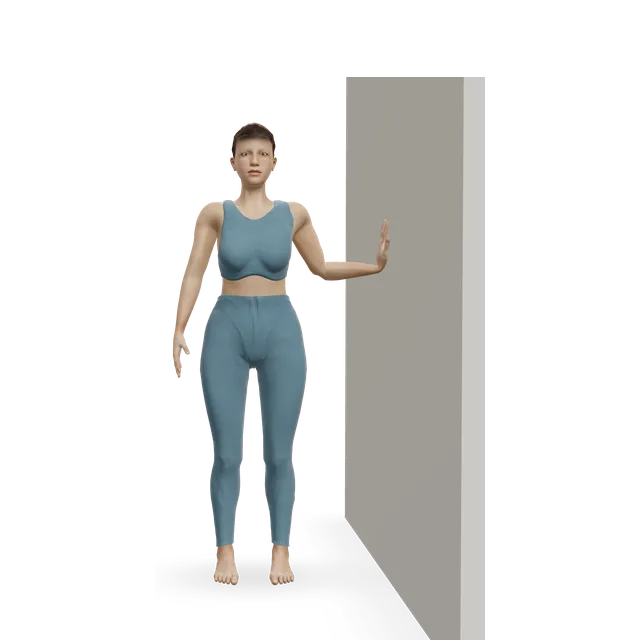
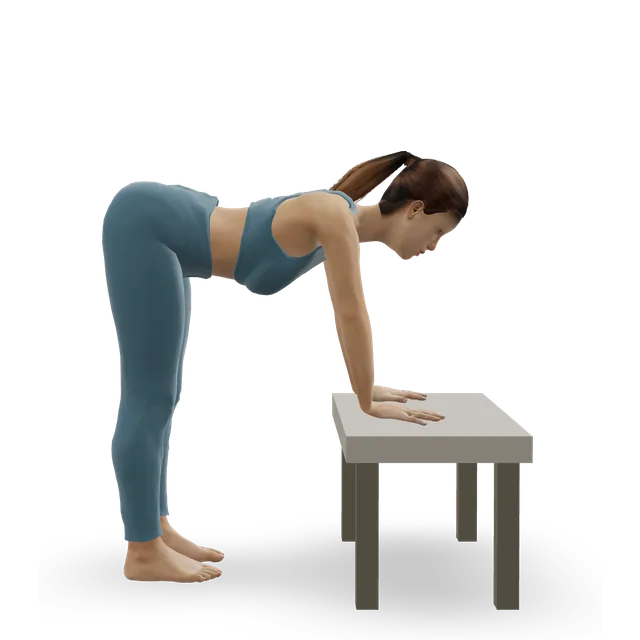
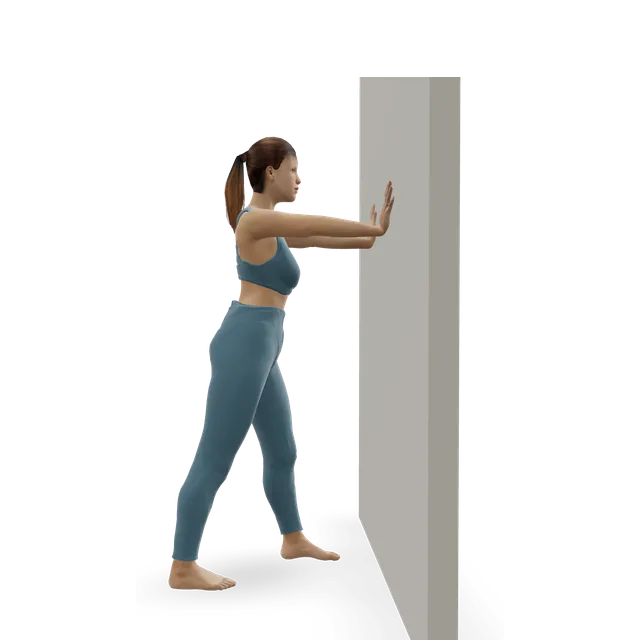
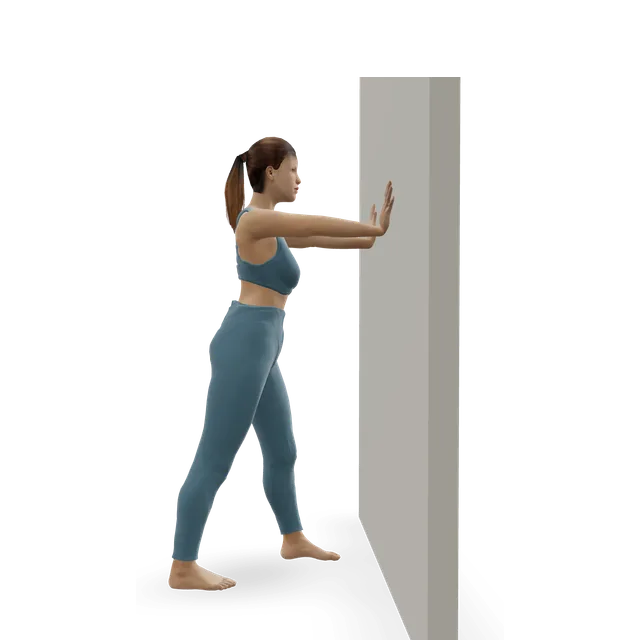
Keep the back knee straight; bending it slackens the gastrocnemius and moves the stretch to the soleus. A common prescription is 30 seconds, 10 times.
A tear in the gastrocnemius, most often its inner (medial) head, felt as sudden pain at the back of the calf and a weak push-off. It is common after 40 and named for how often it happens in racquet sports.
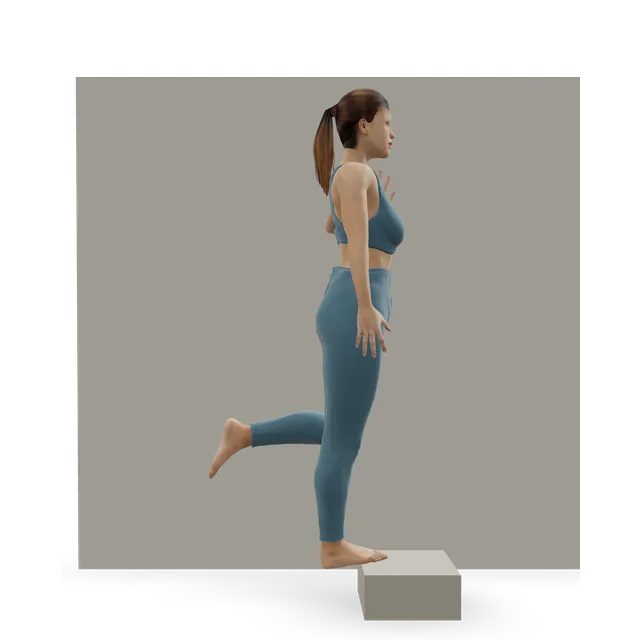
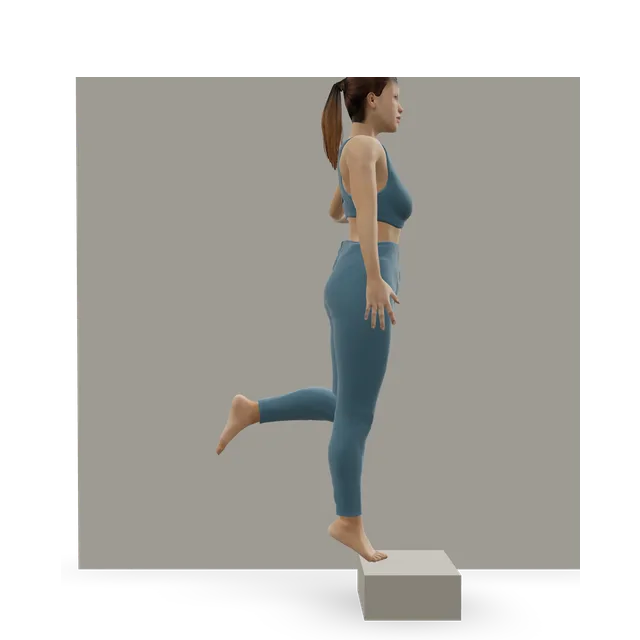
Pain in the Achilles tendon itself, a few centimetres above the heel where its blood supply is poorest, or where it attaches to the heel. Tight calves add stress at the attachment. Eccentric heel drops are a standard exercise for the mid-tendon type.
Each grade rates the evidence for the correction.
Across 25 randomised trials in sport, stretching programmes did not lower injury rates, while strength training cut them to about a third. Stretch for range of motion and comfort, not as injury insurance.
For the Achilles, pre-activity calf stretching is described as possibly helpful, which is as far as the evidence goes.
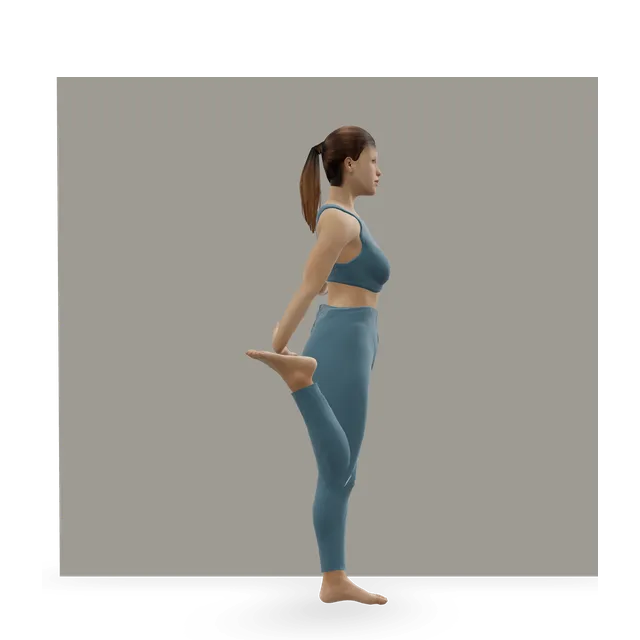
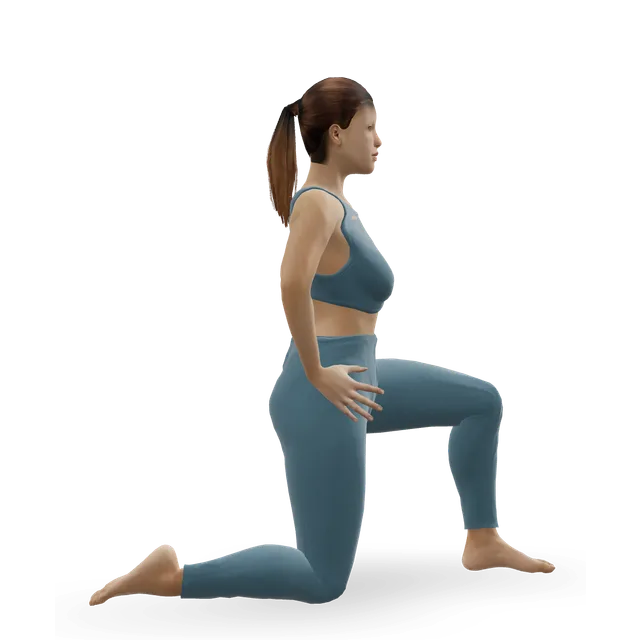
Seven stretches for after a run: calves, soleus, quads, hip flexors, hamstrings and glutes.
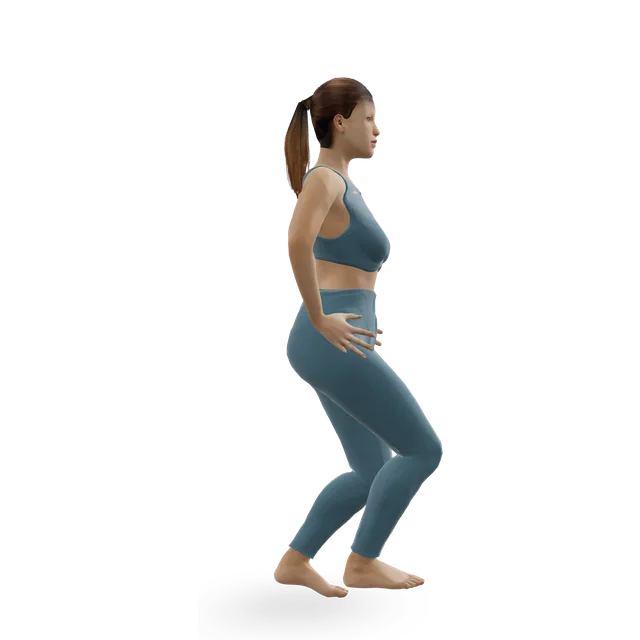
10 minBeginner7 movesA wallAn 8-minute dynamic warm-up for runners: ankle and hip mobility, lunges, skips and pogo hops.
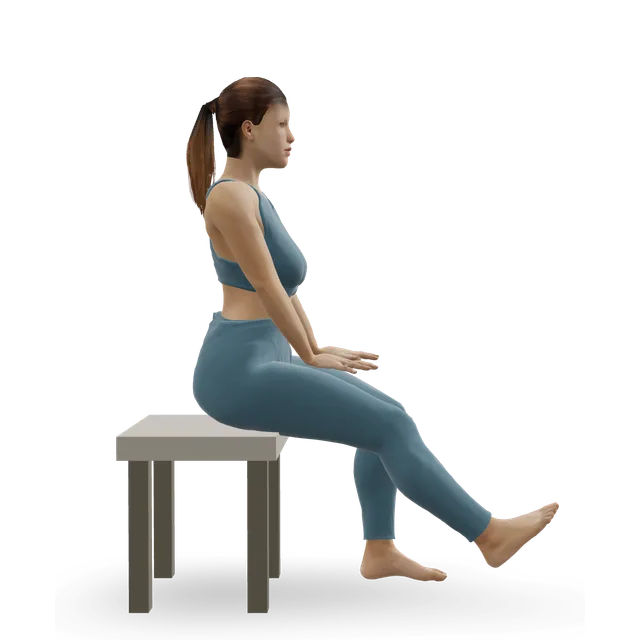
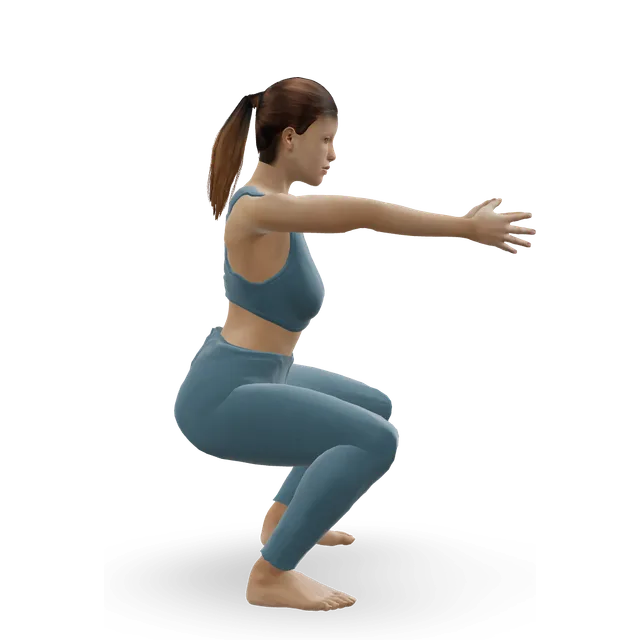
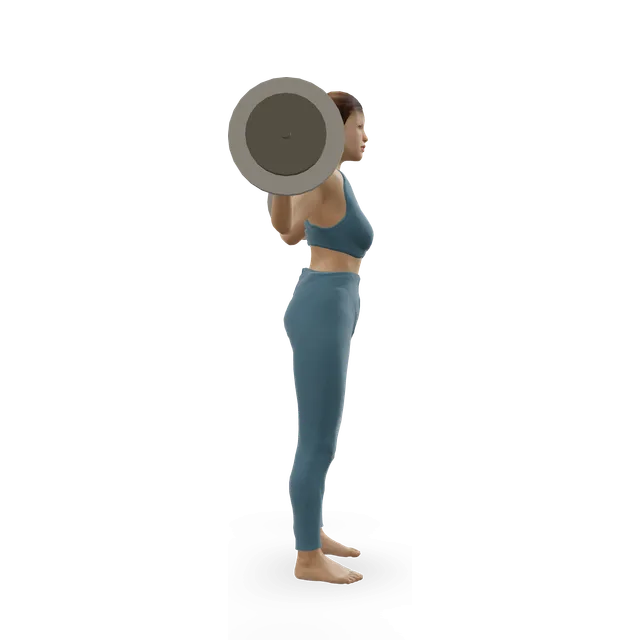
8 minIntermediate8 movesA wallA gym leg day: back squats, leg press, leg curls, Bulgarian split squats, leg extensions and calf raises.
55 minIntermediate9 movesA wall, A barbellIt points the foot and lifts you onto your toes, especially with the knee straight, helps bend the knee, and powers push-off in jumping and sprinting.
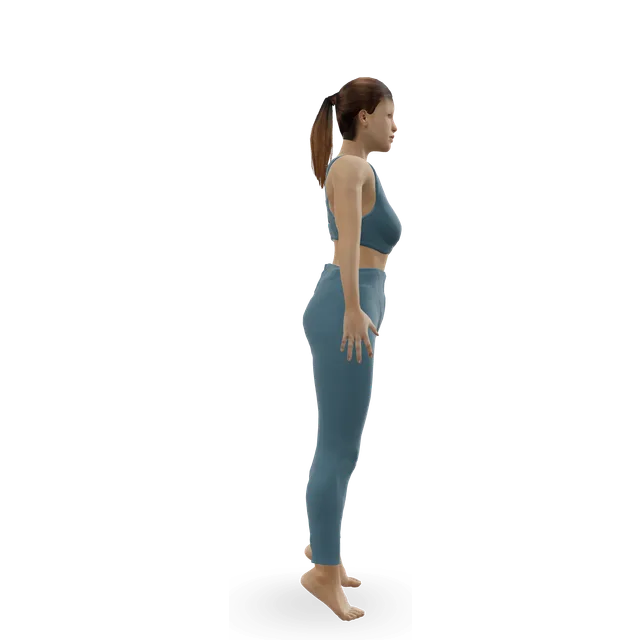
Standing calf raises with straight knees. In a 12-week trial they grew it several times more than seated raises.
The gastrocnemius is the outer, two-headed calf muscle that crosses the knee and is built for power. The soleus lies underneath, does not cross the knee, and is built for endurance.
Anatomy and movement education, not a diagnosis or treatment plan. If you have pain that follows an injury, is severe or getting worse, or comes with numbness, weakness or swelling, get it assessed. Health disclaimer.