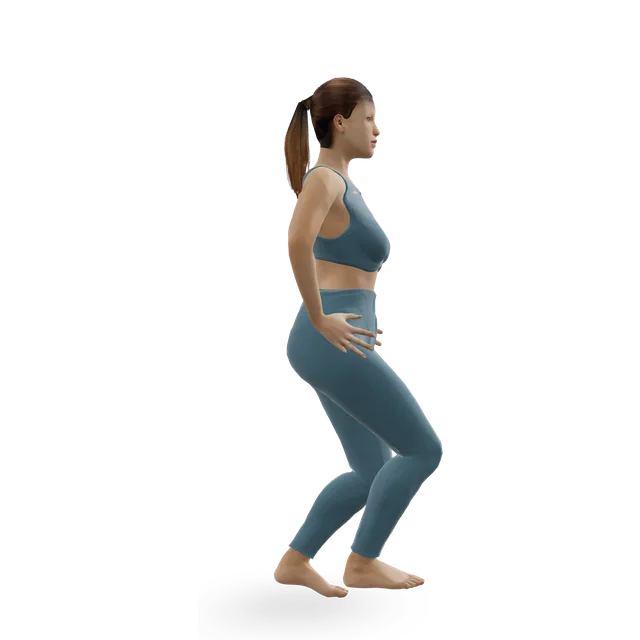
Muscle guide · Lower legs

Tibialis anterior

Also called shin muscle, tib anterior

The tibialis anterior is the thick muscle you can feel just to the outside of the shin bone at the front of the lower leg, the largest of the four muscles in that front compartment.

It lifts the front of the foot, which is what lets your toes clear the ground as your leg swings through each step.

4 exercises2 stretches6 with 3D demos4 sourcesUpdated 17 October 2026

Where the tibialis anterior is and what it does

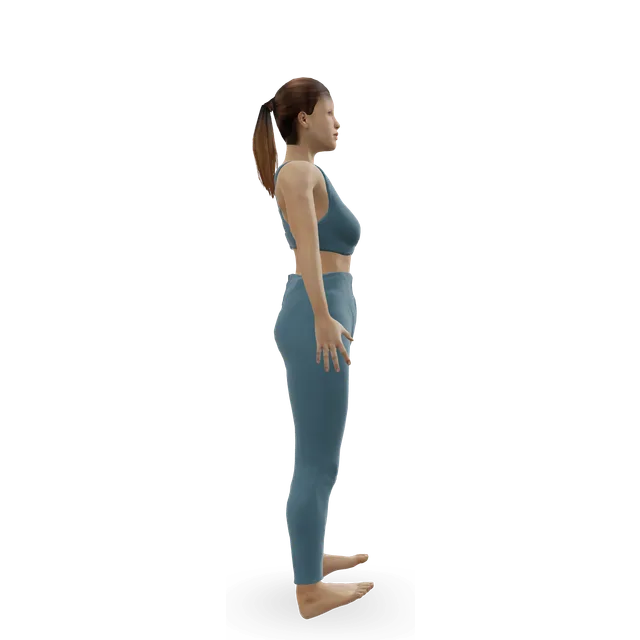
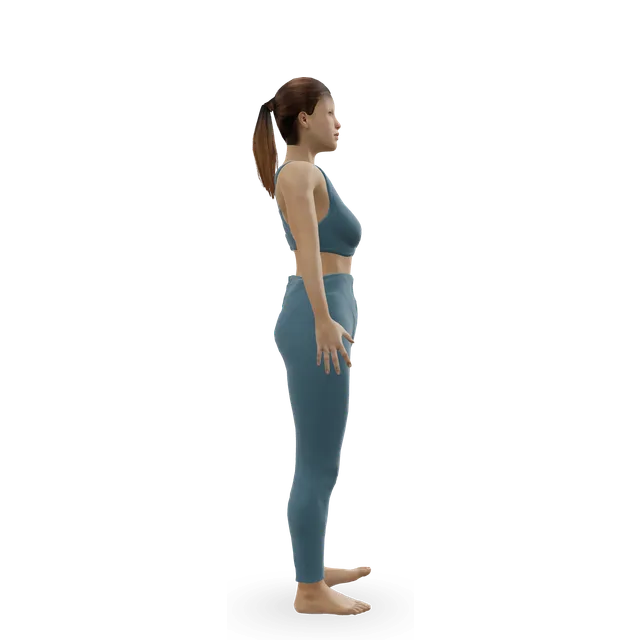
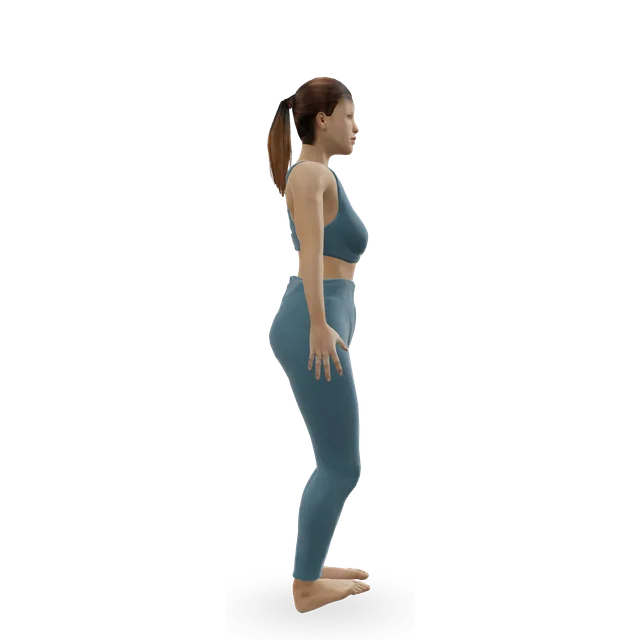
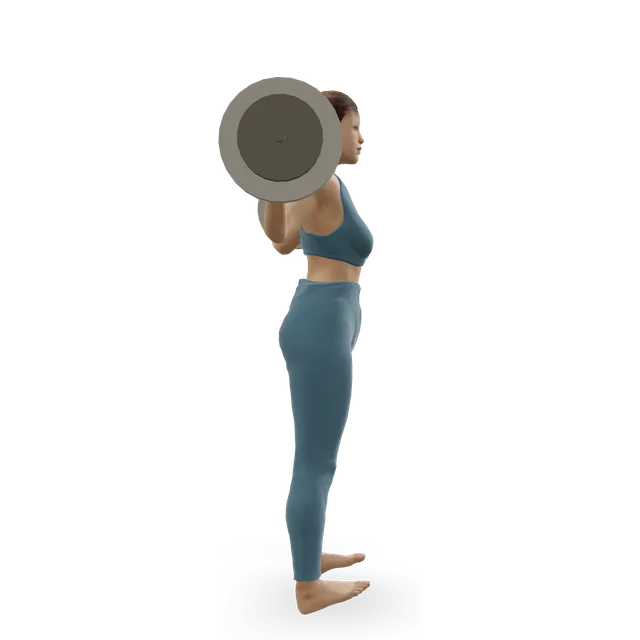
Shaded: the shins area. It marks the region, not the exact outline of the tibialis anterior.
Starts at (origin)
The outer side of the upper shin bone and the membrane between the two shin bones.Lateral condyle and upper lateral tibia, interosseous membrane
Attaches to (insertion)
The inner edge of the midfoot, at the base of the big-toe bone.Medial cuneiform and base of the first metatarsal
What it does
  • Lifts the front of the foot; the strongest muscle that does this.Ankle dorsiflexion
  • Turns the sole inward, with the tibialis posterior.Foot inversion
  • Helps support the inner arch.Medial arch support
Nerve supply
Deep peroneal (fibular) nerve; sources give its roots as L4 to S1 or L4 to S2.

Sources 1, 2, 3

Exercises for the tibialis anterior

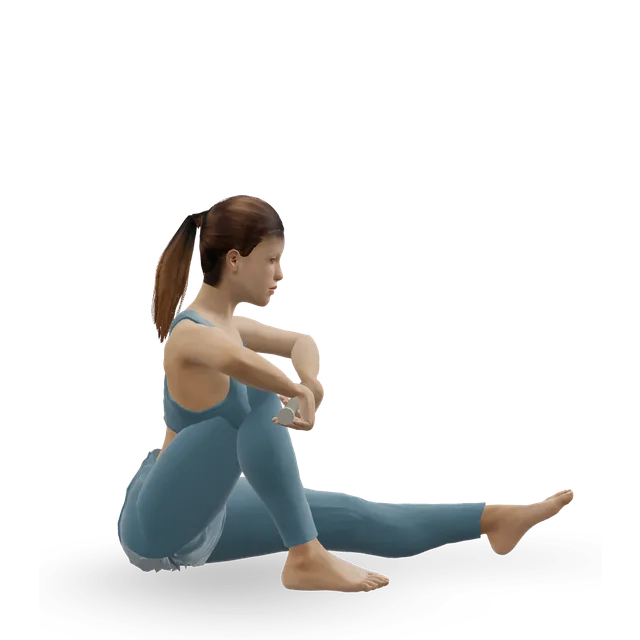
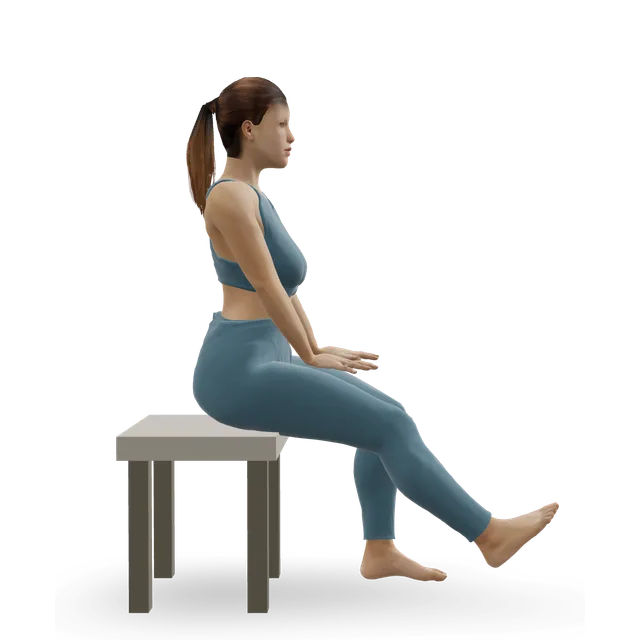
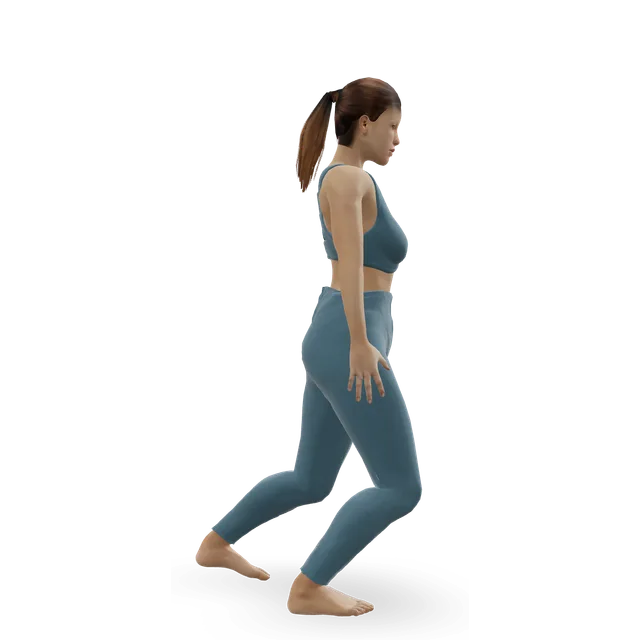
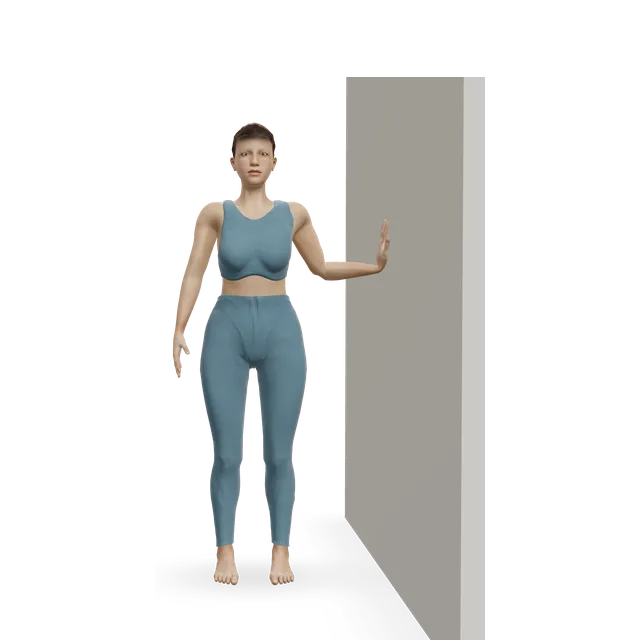
These lift the foot against resistance, its main action. Strengthening it is part of long-term management of shin splints.

Stretches for the tibialis anterior

Kneeling back on pointed feet reverses its action.

Problems linked to the tibialis anterior

Shin splints at the front

Anterior shin splints tend to come on quickly in new runners or walkers and involve this muscle more. The more common inner-shin type involves the tibialis posterior more. Doing too much too soon, and hard or uneven ground, are the usual triggers.

Source 1

Foot drop

If the muscle or its nerve stops working, the front of the foot cannot lift, so the toes catch when you walk.

Source 1

Tendon irritation at the front of the ankle

Pain at the front of the ankle or inner midfoot, often after hill running or from tight laces pressing on the tendon.

Source 1

Myths worth dropping

Each grade rates the evidence for the correction.

All shin splints come from the front shin muscle

The usual inner-shin form is linked to the tibialis posterior, soleus and flexor digitorum longus, not the tibialis anterior.

Sources 1, 4

Routines that train it

Questions people ask

What does the tibialis anterior do?

It lifts the front of the foot so your toes clear the ground as you walk, turns the sole inward, and helps support the arch.

How do you strengthen the tibialis anterior?

Tibialis raises (leaning on a wall and lifting your toes), single-leg tibialis raises and heel walks all lift the foot against resistance.

Do weak shin muscles cause shin splints?

Front-of-shin splints involve the tibialis anterior, and strengthening it is part of long-term management. The more common inner-shin type is linked to other muscles.

Muscles it works with

Sources

  1. StatPearls · Anatomy, Bony Pelvis and Lower Limb: Tibialis Anterior Muscles (2023)
  2. StatPearls · Anatomy, Bony Pelvis and Lower Limb: Calf Deep Peroneal Nerve (2025)
  3. StatPearls · Anatomy, Bony Pelvis and Lower Limb: Calf Common Peroneal Nerve (2022)
  4. StatPearls · Medial Tibial Stress Syndrome (2025)

Anatomy and movement education, not a diagnosis or treatment plan. If you have pain that follows an injury, is severe or getting worse, or comes with numbness, weakness or swelling, get it assessed. Health disclaimer.