The tibialis posterior is the deepest muscle at the back of the lower leg. Its tendon runs behind the bony bump on the inside of the ankle and fans out under the arch of the foot.
It is the main support of the inner arch: as you walk it lets the midfoot flatten under load, then locks it into a stiff lever for push-off.
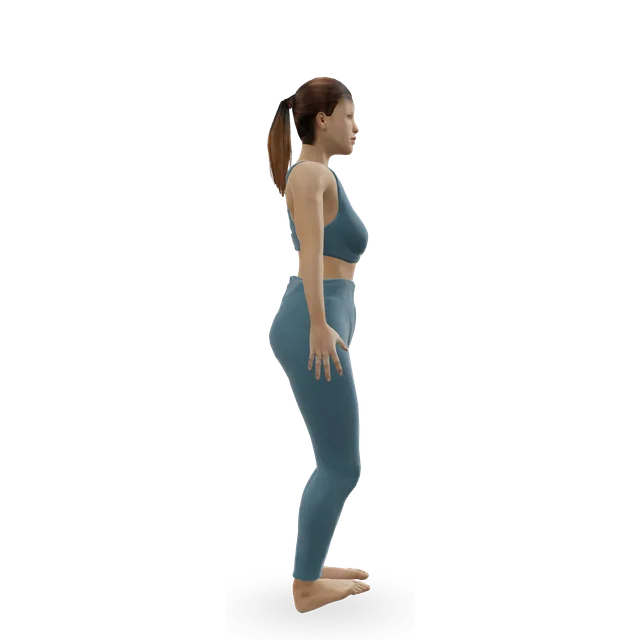
Shaded: the calves area. It marks the region, not the exact outline of the tibialis posterior.
Starts at (origin)
The backs of both shin bones and the membrane between them, deep in the calf.Posterior tibia, posterior fibula and interosseous membrane
Attaches to (insertion)
Many bones under the inner arch and midfoot, mainly the navicular.Navicular tuberosity and medial cuneiform, with slips to the other cuneiforms, cuboid, sustentaculum tali and 2nd to 4th metatarsal bases
What it does
Turns the sole inward; one of the two main muscles that do.Foot inversion
Holds up the inner arch and stiffens the midfoot for push-off.Medial longitudinal arch support
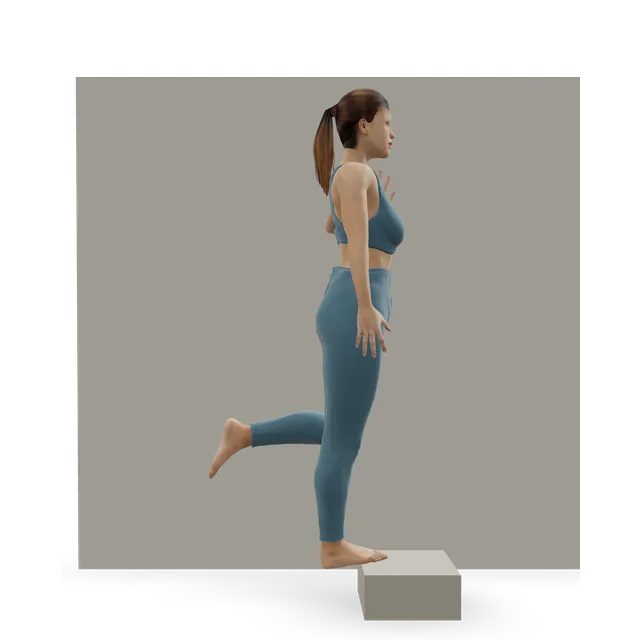
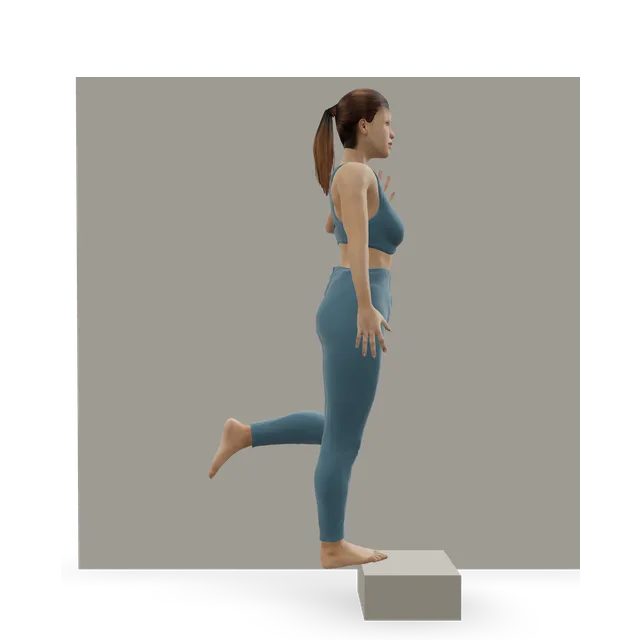
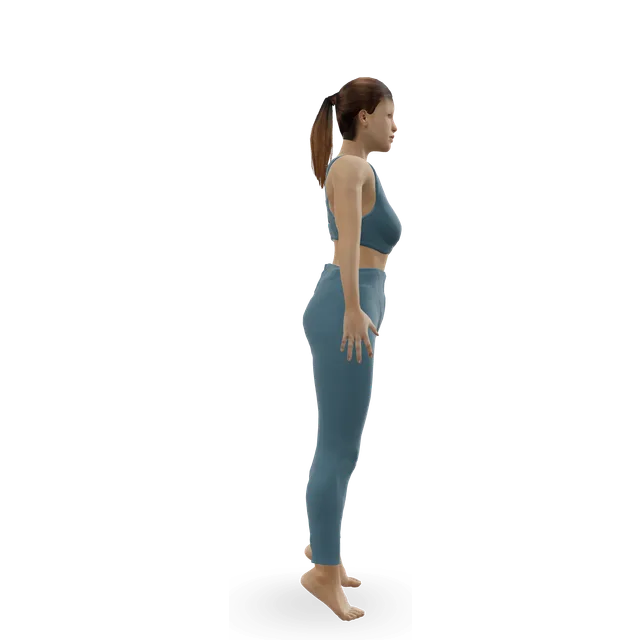
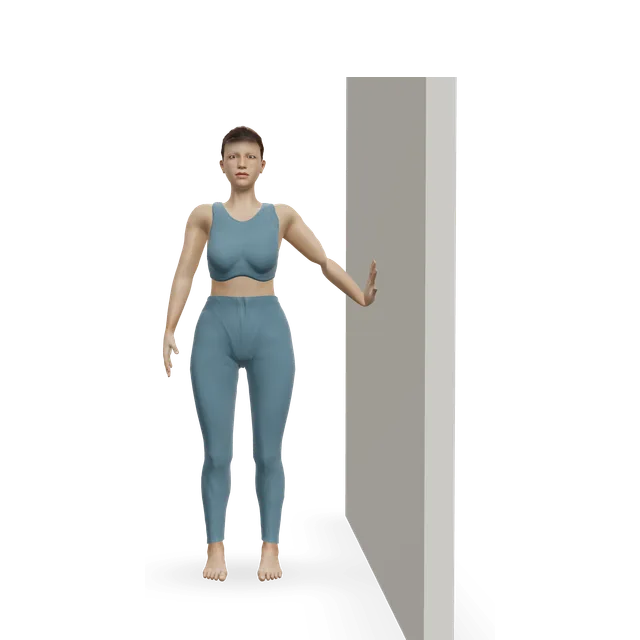
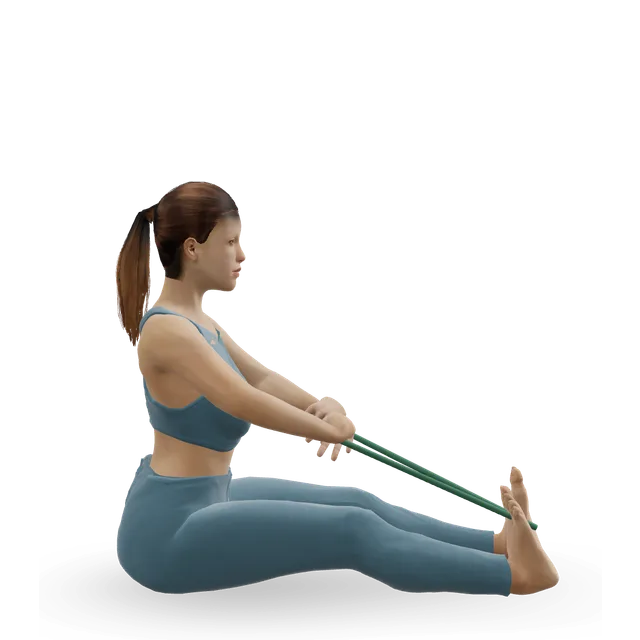
In an MRI study, resisted foot adduction (sweeping the foot inward against a band) targeted it most selectively; single-leg heel raises worked it too, though they worked the calf more. In early tendon problems, adding resistance exercise to orthoses and stretching helped more than orthoses and stretching alone.
Gradual failure of the tendon lets the inner arch sag. It is the most common cause of a flat foot that develops in adulthood; from behind, more toes than usual show on the outside of the foot.
Pain along the inner edge of the shin bone, linked to repeated strain where the tibialis posterior, soleus and flexor digitorum longus attach. It affects 13.6% to 20% of runners. Flat feet can add stress to these muscles.
Arch problems need orthoses, not exerciseEmerging evidence
In a randomised trial of early tendon dysfunction, people who added progressive resistance exercise to orthoses and stretching had less pain and better function than those using orthoses and stretching alone.
Anatomy and movement education, not a diagnosis or treatment plan. If you have pain that follows an injury, is severe or getting worse, or comes with numbness, weakness or swelling, get it assessed. Health disclaimer.