Also called fibularis muscles, peroneal muscles, outer calf muscles
The peroneals, also called the fibularis longus and brevis, are the two muscles on the outside of the lower leg. Their tendons run behind the bony bump on the outside of the ankle.
They turn the sole outward, which is how you catch yourself when the foot starts to roll on uneven ground.
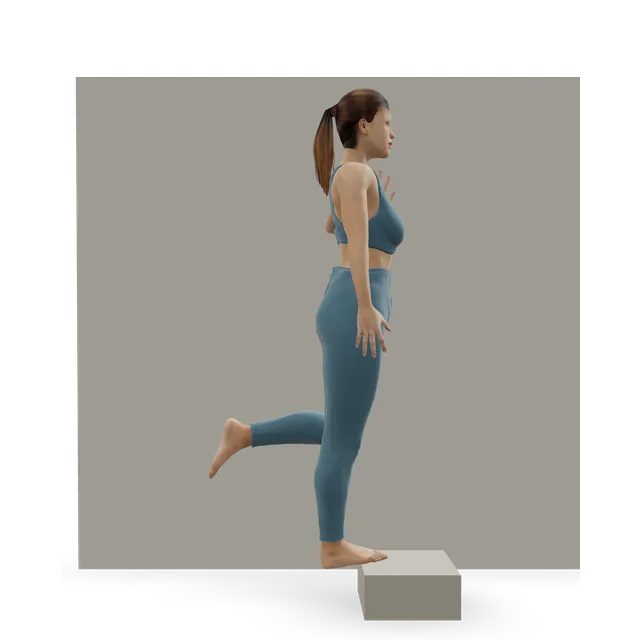
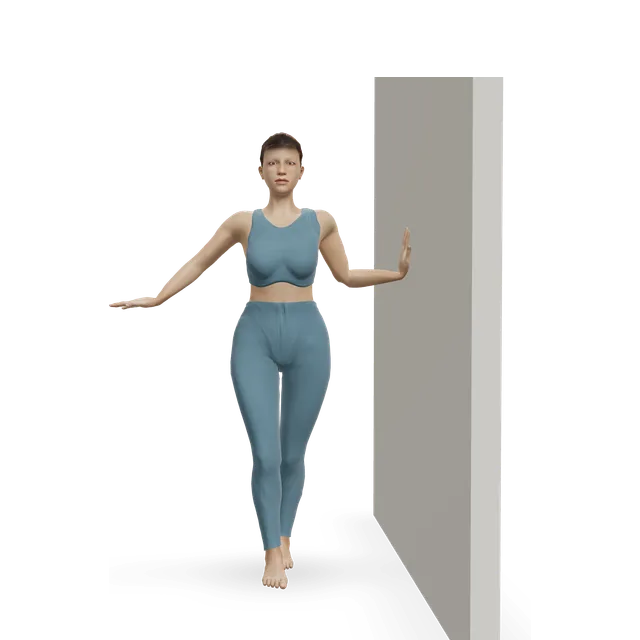
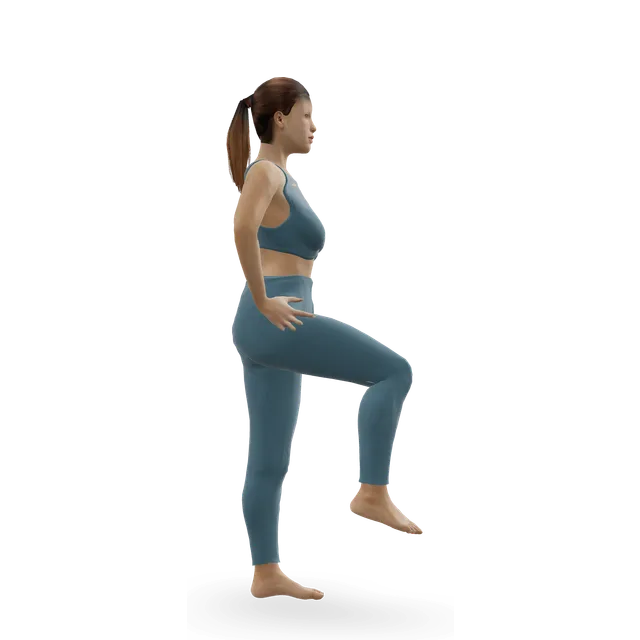
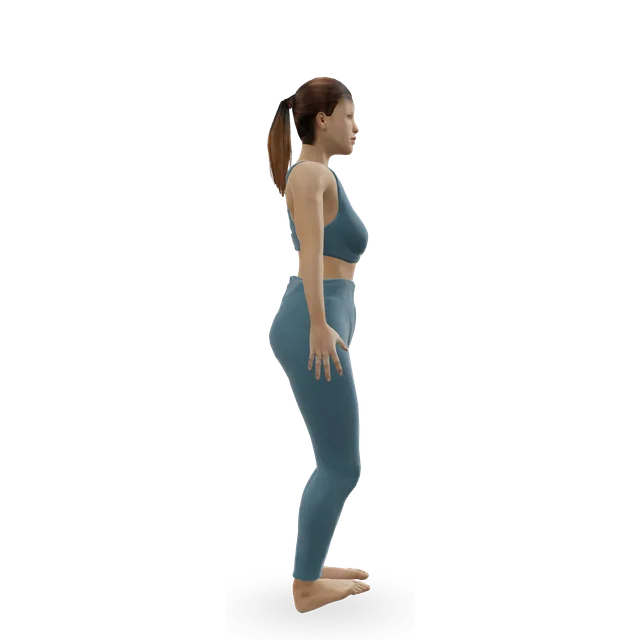
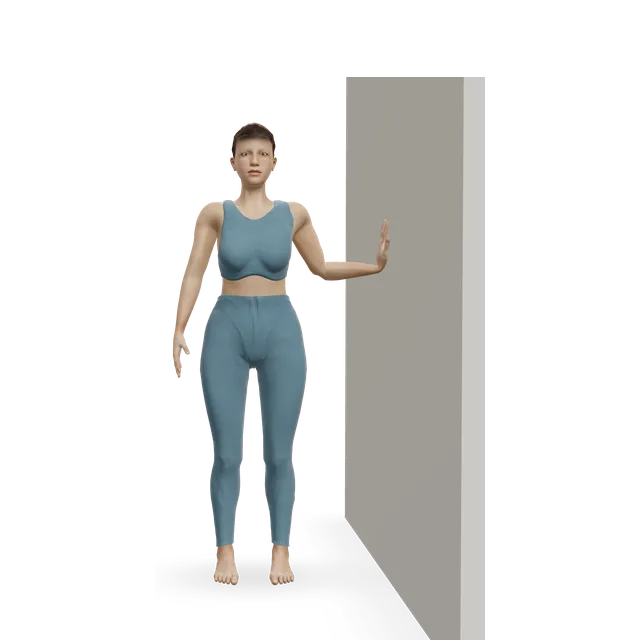
Peroneal strengthening and balance work are standard stages of ankle-sprain rehabilitation. In an MRI study a single-leg heel raise worked the peroneus longus strongly.
Most sprains are a forced inward roll that injures the ligaments on the outside of the ankle. Severe ones can also tear the peroneal tendons, and the brevis can pull off the bump on the outer midfoot.
In the year after a sprain, the risk of another one is about double.
Tendinopathy, tears and tendons slipping out of their groove behind the outer ankle. They are the most commonly dislocated tendons at the ankle, partly because the groove is shallow in some people.
Once a sprain stops hurting, you are doneStrong evidence
Poor balance is a common reason sprains come back. In a randomised trial of 522 athletes, an 8-week home balance programme after usual care cut repeat sprains from 33% to 22%.
Anatomy and movement education, not a diagnosis or treatment plan. If you have pain that follows an injury, is severe or getting worse, or comes with numbness, weakness or swelling, get it assessed. Health disclaimer.