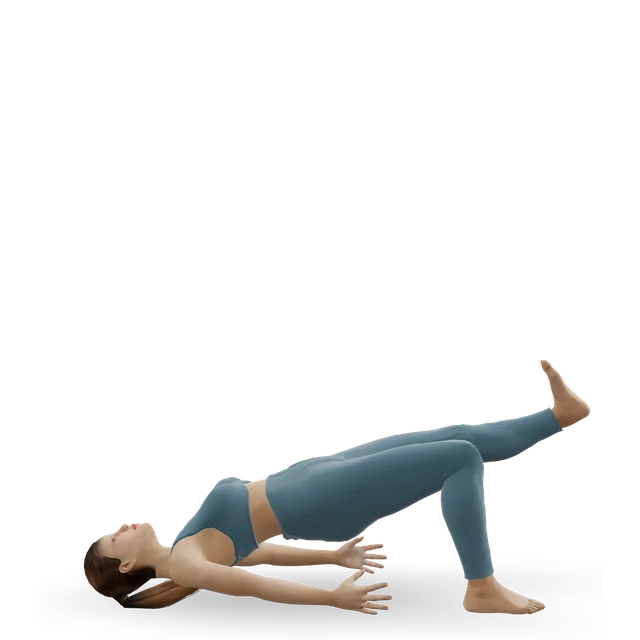
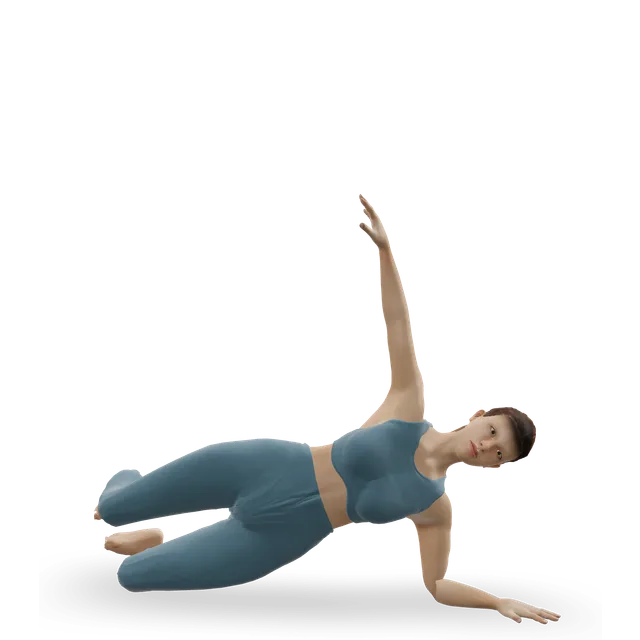
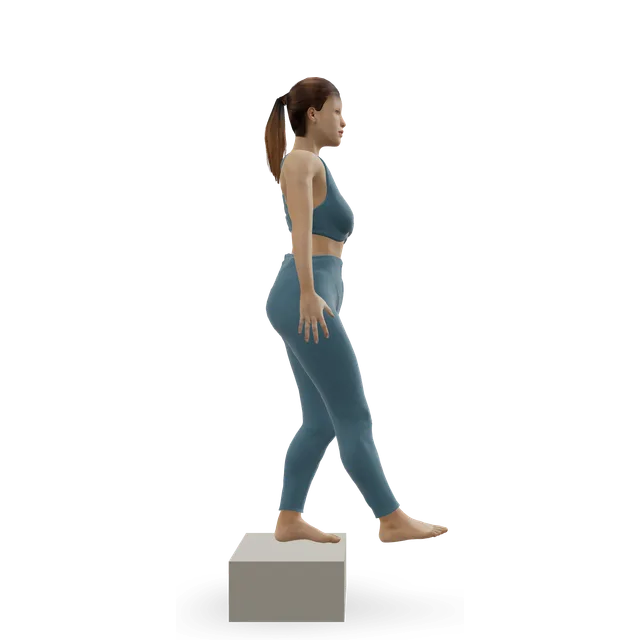
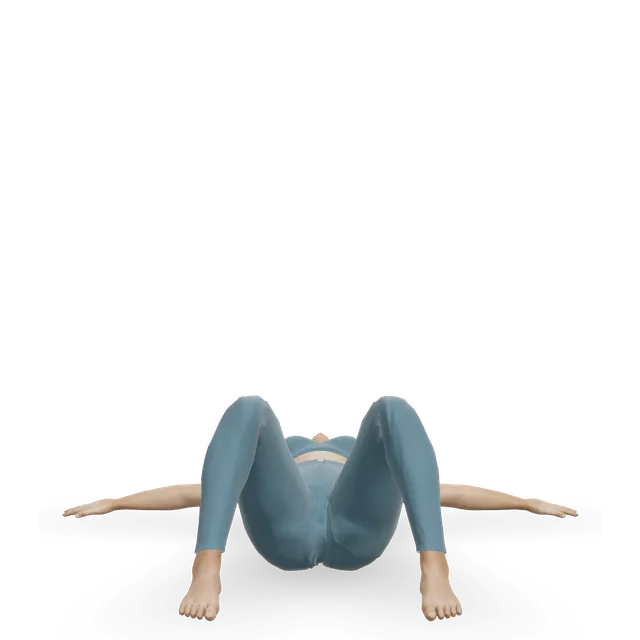
Exercises for hip pain, and when to get it checked
Most hip pain that is not from an injury gets better with the right exercise, and for the common causes exercise is the first treatment guidelines recommend. Where you feel the pain is the best first clue to what is going on.
Start with the warning signs below. Then find your pain on the map, read what helps, and follow the plan from stage 1.
Exercise is for pain that has been checked or is clearly mild and settling.
Get urgent medical help if
Severe hip pain after a fall or injury, or you cannot stand, walk or put weight on the leg. In an older adult this can be a broken hip; the leg may look shorter or turned outward.
Tingling or loss of feeling in the hip or leg after an injury.
Buttock or leg pain with numbness around the genitals or bottom, new trouble controlling your bladder or bowels, or weakness or numbness in both legs.
A hot, swollen hip, or hip pain with a fever or feeling generally unwell (a possible joint infection).
A child or teenager with sudden hip, thigh or knee pain, a limp, or who will not put weight on a leg. Hip problems in children can be felt only in the knee.
See a doctor or physiotherapist if
Hip pain that stops normal activities or disturbs sleep, keeps getting worse, or has not improved after 2 weeks of looking after it at home.
Stiffness lasting more than 30 minutes after waking.
Bone pain that is constant or worse at night, especially with a lump, unexplained weight loss, fever or tiredness, or a past history of cancer.
Pain that builds with running and hurts to hop on (a stress fracture can look normal on an early X-ray).
Where does it hurt?
Location narrows the likely causes; it does not diagnose.
Buttock pain is not always the back, or the piriformisEmerging evidence
In a study of people whose pain was confirmed to come from the hip joint, 71% felt it in the buttock, 57% in the thigh and 55% in the groin; it never spread to the low back. The reverse is also true: back problems often send pain into the buttock and leg.
So use the map to choose a starting point, not to diagnose yourself. If the pain does not settle, or does not fit, get it assessed.
Hip and groin pain in pregnancy is often pelvic girdle pain. The NHS advises staying active within comfort, keeping the knees together getting in and out of a car, a pillow between the knees in bed, and asking for a physiotherapy referral. This guide's plan is not written for pregnancy.
Exercise is the first treatment for hip arthritisStrong evidence
NICE, the American College of Rheumatology and OARSI all make exercise a core treatment for hip osteoarthritis. On average it lowers pain by about 8 points on a 0 to 100 scale and improves daily function: a real but modest effect that lasts while you keep it up.
Education plus exercise beat an injection for outer hip painEmerging evidence
In the LEAP trial, people with gluteal tendon pain who learned to avoid compressing the tendon and did a progressive exercise programme did better at 8 weeks than those given a steroid injection or told to wait and see.
Young active adults: three months of exercise firstEmerging evidence
An international consensus recommends at least 3 months of exercise-based treatment for hip-related pain (impingement and labral problems) in young and middle-aged active adults, while noting that strong trial evidence is still lacking.
Strength training improves range about as much as stretchingEmerging evidence
A meta-analysis found strength training through a full range improves flexibility about as much as stretching does. Stretch if it feels good, but do not rely on stretching alone to fix a painful hip.
During the exercise, pain up to about 5 out of 10 is acceptable. It should settle within an hour or so, and your hip should be no worse that night or the next morning. If it is, do less next time (fewer repetitions, a smaller range, a lighter load), not nothing.
Pain can go up a little when you start a new exercise programme; guidelines for arthritis say so and still recommend keeping going. If pain climbs week after week, or a warning sign appears, stop and get it checked.
For most hip pain without warning signs, yes. Guidelines for hip arthritis recommend aerobic activity such as walking alongside strengthening. Start with short, comfortable walks, break them up if needed, and build the time gradually. Outer hip pain is the exception that needs care: walk with your weight even on both feet rather than hanging on the sore hip.
Why does my hip hurt at night?
The most common reason is lying on a sore outer hip, which presses on the gluteal tendons; a pillow between the knees and lying on the other side usually helps. Pain that is constant, does not change with position, and comes with weight loss, fever or a history of cancer is different and needs checking.
Why does my hip hurt when I sit?
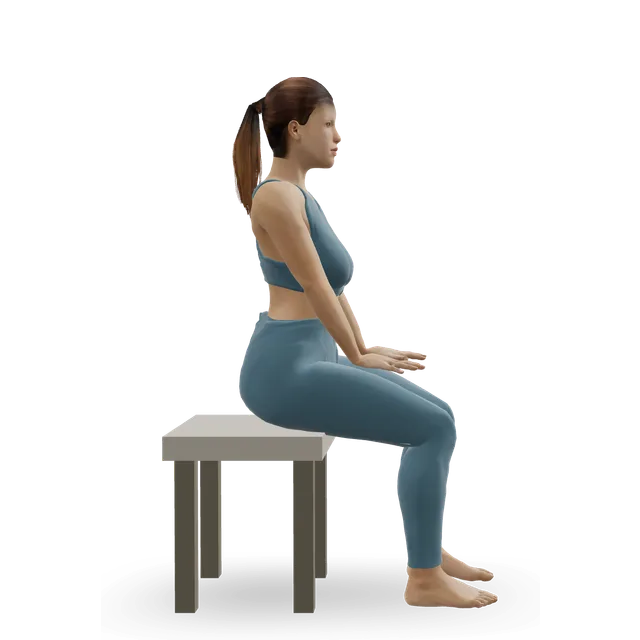
Low chairs bend the hip deeply, which can pinch an arthritic or impinging hip, and sitting cross-legged compresses the outer hip tendons. A higher seat, knees apart and hips a little higher than the knees often helps. Pain at the sitting bone with hamstring use is a different problem (hamstring tendon).
Should I stretch or strengthen a painful hip?
Strengthen first. The trials that helped hip pain were built on strengthening and education, and strength training improves range about as much as stretching does. Stretches are fine if they feel good, but some, such as pulling the knee across the body, aggravate outer hip pain.
How long until hip pain gets better?
It depends on the cause. People in exercise programmes for arthritis are usually measured at 6 to 12 weeks; outer hip tendon pain often takes months. Steady progress over weeks matters more than any single day.
Exercise education, not a diagnosis or treatment plan. It is written from the guidelines and studies listed above; review by a clinician is pending. If your pain follows an injury, is severe, is getting worse, or comes with any warning sign listed on this page, get it assessed. Health disclaimer.