Groin strain and adductor pain: the exercises with the best evidence
Pain at the inner thigh or pubic bone, worse with kicking, sprinting, cutting and squeezing the knees together. In sport, the adductors are the most common source.
Rule out the things exercise will not fix: a hernia (a lump or pain with coughing), hip joint problems, and stress fractures in runners.
Exercise is for pain that has been checked or is clearly mild and settling.
Get urgent medical help if
Severe hip pain after a fall or injury, or you cannot stand, walk or put weight on the leg. In an older adult this can be a broken hip; the leg may look shorter or turned outward.
Tingling or loss of feeling in the hip or leg after an injury.
Buttock or leg pain with numbness around the genitals or bottom, new trouble controlling your bladder or bowels, or weakness or numbness in both legs.
A hot, swollen hip, or hip pain with a fever or feeling generally unwell (a possible joint infection).
See a doctor or physiotherapist if
Hip pain that stops normal activities or disturbs sleep, keeps getting worse, or has not improved after 2 weeks of looking after it at home.
Pain that builds with running and hurts to hop on (a stress fracture can look normal on an early X-ray).
A lump in the groin, or groin pain with coughing or straining (a possible hernia).
Understand it
Groin pain has four defined muscle and tendon typesStrong evidence
The Doha agreement sorts groin pain in athletes into adductor-related, iliopsoas-related, inguinal-related and pubic-related groin pain, plus hip-related and other causes, based on the history and examination.
Active strengthening beat passive treatmentEmerging evidence
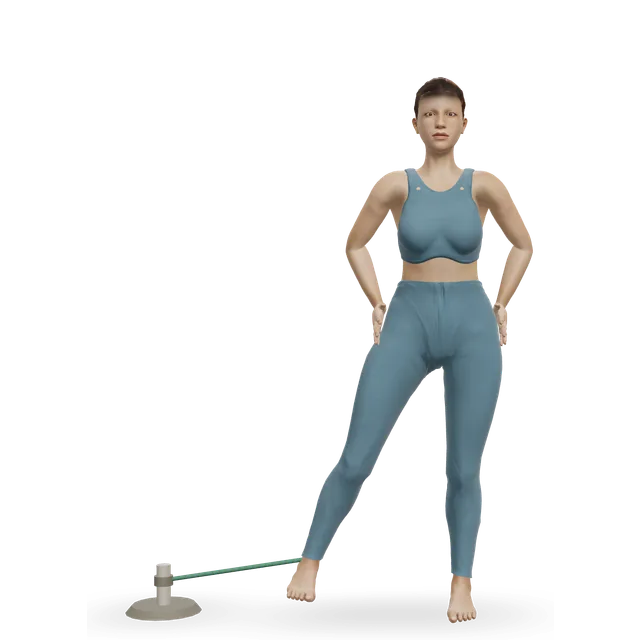
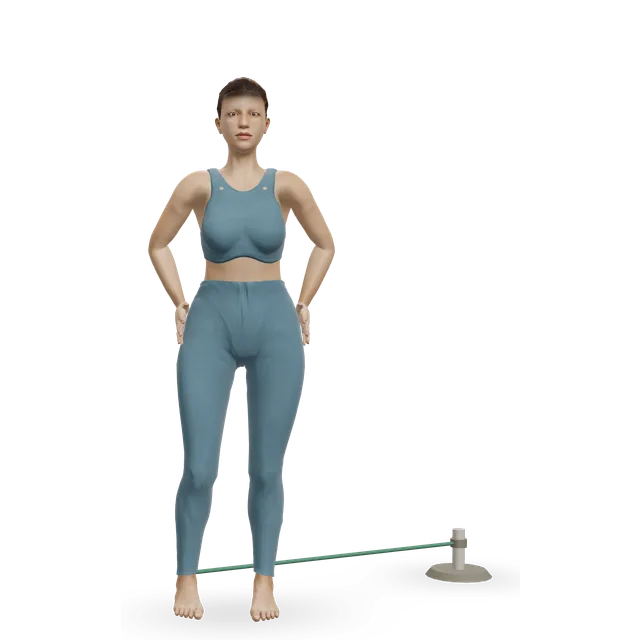
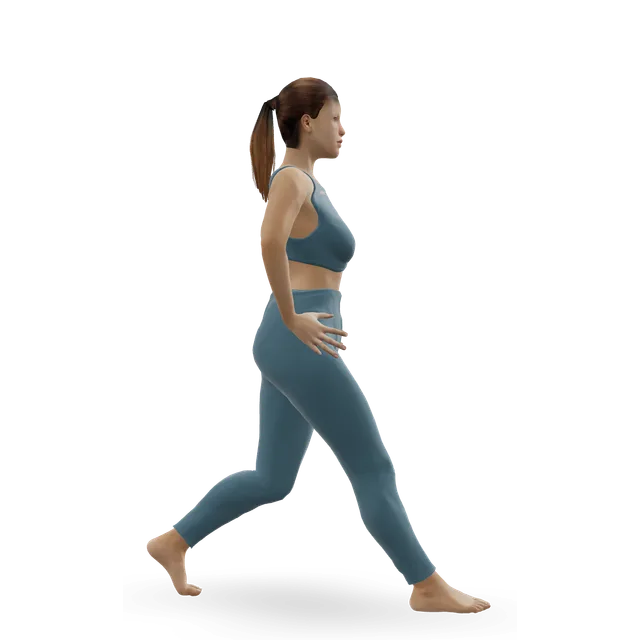
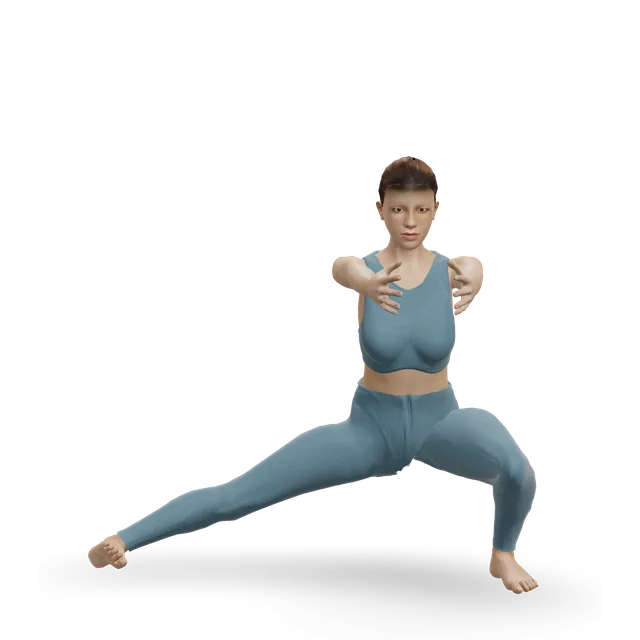
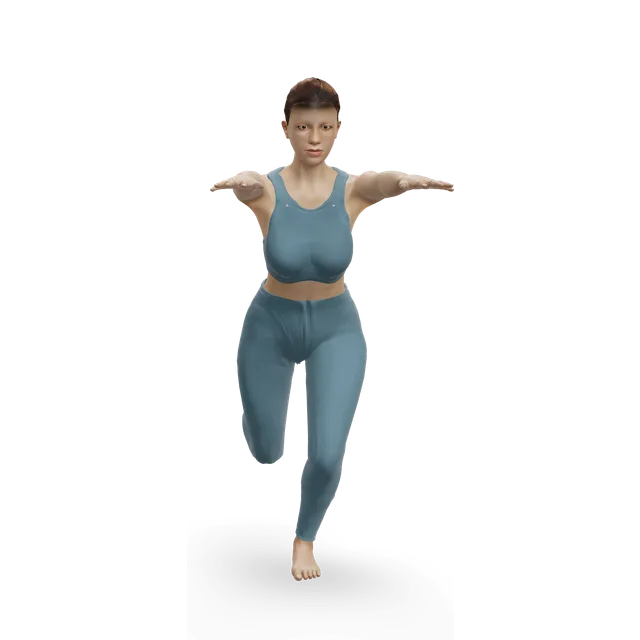
In a Lancet trial of 68 athletes with long-standing adductor-related groin pain, an 8 to 12 week programme of strength and coordination training for the muscles round the pelvis returned 23 to sport without pain, against 4 with physiotherapy without active training.
One exercise cut groin problems by 41%Emerging evidence
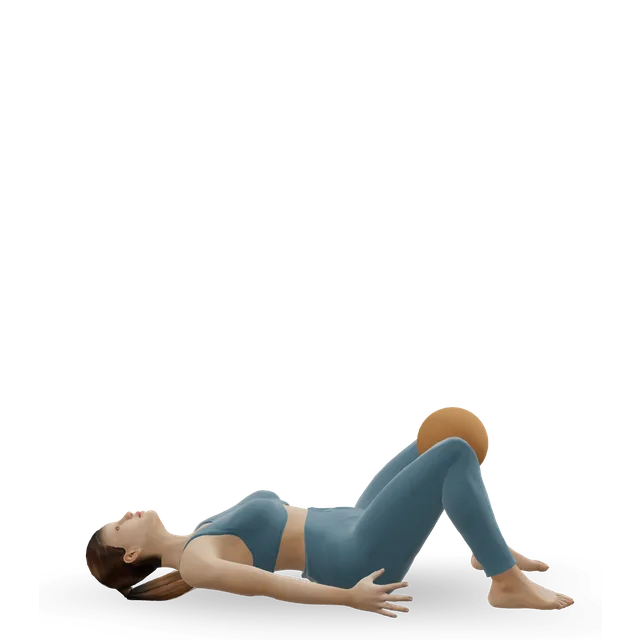
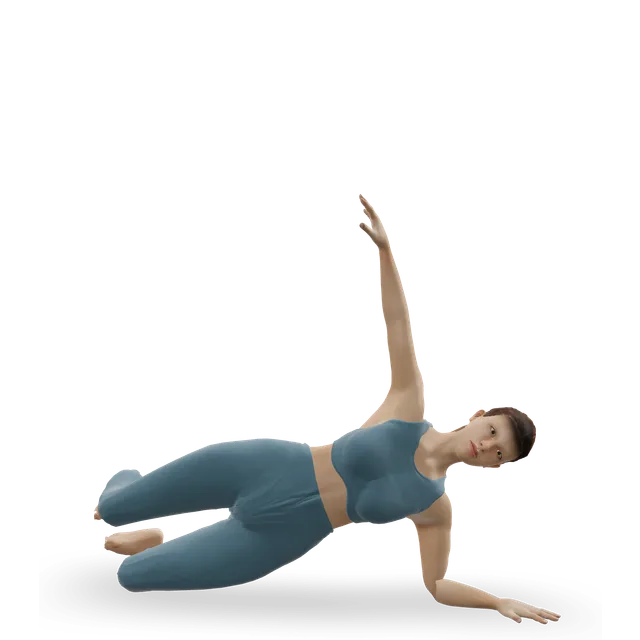
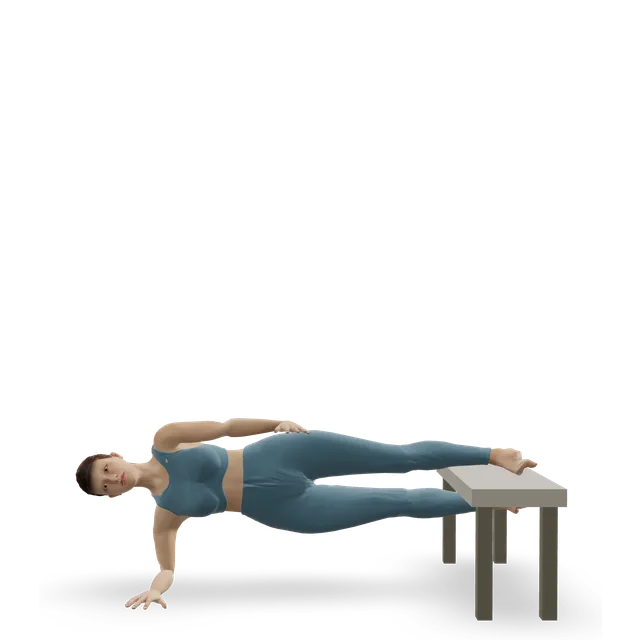
In 35 semi-professional football teams, a programme built on the Copenhagen adduction exercise, three times a week in pre-season and once a week in season, lowered the risk of groin problems by 41%. The players were all men.
During the exercise, pain up to about 5 out of 10 is acceptable. It should settle within an hour or so, and your hip should be no worse that night or the next morning. If it is, do less next time (fewer repetitions, a smaller range, a lighter load), not nothing.
Pain can go up a little when you start a new exercise programme; guidelines for arthritis say so and still recommend keeping going. If pain climbs week after week, or a warning sign appears, stop and get it checked.
Gentle stretching is fine once it no longer hurts to, but the trials that worked were built on strengthening. Do not push into a painful stretch early on.
When can I play again?
When sprinting, cutting, kicking and the Copenhagen plank are pain-free at full effort, and your strength is similar on both sides.
Is the Copenhagen plank safe?
It is demanding: start with the knee on the bench (a short lever), use small sets and expect some soreness at first. Avoid it while the groin is acutely painful.
Exercise education, not a diagnosis or treatment plan. It is written from the guidelines and studies listed above; review by a clinician is pending. If your pain follows an injury, is severe, is getting worse, or comes with any warning sign listed on this page, get it assessed. Health disclaimer.