Hip impingement (FAI) and labral tears: exercise first, and what to expect
Groin or front-of-hip pain, sometimes a deep C-shaped ache round the hip, in people from their teens to middle age. It tends to catch with deep bending, sitting low, getting out of a car, pivoting or kicking.
The most useful thing to know first: a bone shape or a labral tear on a scan is not, by itself, the cause of your pain. Many people without pain have the same findings.
Exercise is for pain that has been checked or is clearly mild and settling.
Get urgent medical help if
Severe hip pain after a fall or injury, or you cannot stand, walk or put weight on the leg. In an older adult this can be a broken hip; the leg may look shorter or turned outward.
Tingling or loss of feeling in the hip or leg after an injury.
Buttock or leg pain with numbness around the genitals or bottom, new trouble controlling your bladder or bowels, or weakness or numbness in both legs.
A hot, swollen hip, or hip pain with a fever or feeling generally unwell (a possible joint infection).
See a doctor or physiotherapist if
Hip pain that stops normal activities or disturbs sleep, keeps getting worse, or has not improved after 2 weeks of looking after it at home.
Pain that builds with running and hurts to hop on (a stress fracture can look normal on an early X-ray).
Pain that has not improved after a good 3 months of exercise-based treatment.
Understand it
The diagnosis needs symptoms, signs and a scan togetherStrong evidence
The Warwick Agreement defined femoroacetabular impingement (FAI) syndrome as symptoms, clinical signs and imaging findings together, so that a shape on a scan alone is never the diagnosis. The Zurich consensus adds that labral and cartilage changes often appear in people with no pain.
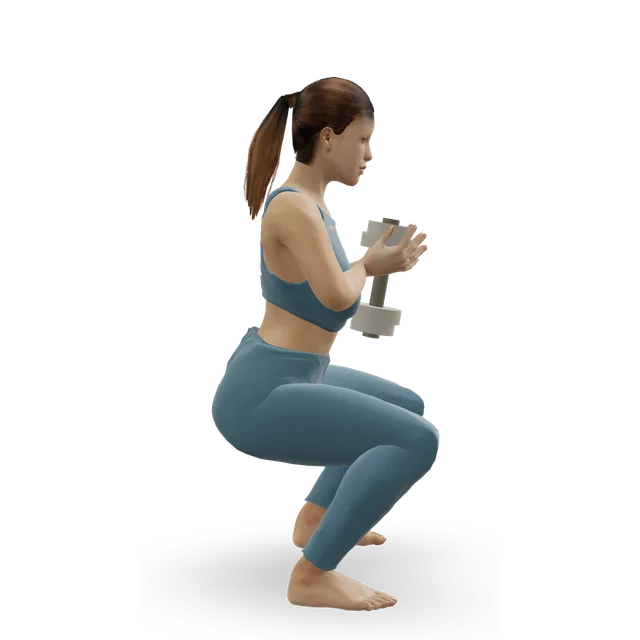
The standard clinical test for hip-related pain bends the hip deeply and turns the knee in. Positions close to that (deep squats with the knees caving in, sitting very low, pulling the knee toward the opposite shoulder) often pinch. Stretching into the pinch does not change a bone shape; build range back as strength improves.
At least three months of exercise firstEmerging evidence
The International Hip-related Pain Research Network recommends exercise-based treatment for at least 3 months, staying physically active, and shared decisions. They are candid that strong trial evidence for physiotherapy is lacking and the best dose is unknown.
In two UK trials, hip arthroscopy scored somewhat better than physiotherapy: by 6.8 points at 12 months in FASHIoN, and by about 9 to 10 points in FAIT, around the smallest difference patients notice. Neither blinded patients. A 2025 meta-analysis of 21 trials found the differences did not reach that threshold, and pain did not differ.
In plain terms: both help, physiotherapy carries less risk, and exercise is recommended first. If a good 3 months has not helped, it is reasonable to see a hip specialist.
The same consensus recommends keeping up physical activity, including sport, during treatment, and tracking progress with how the hip feels in daily life rather than with scans. Lower the volume or the hills when pain builds over a week, rather than stopping altogether.
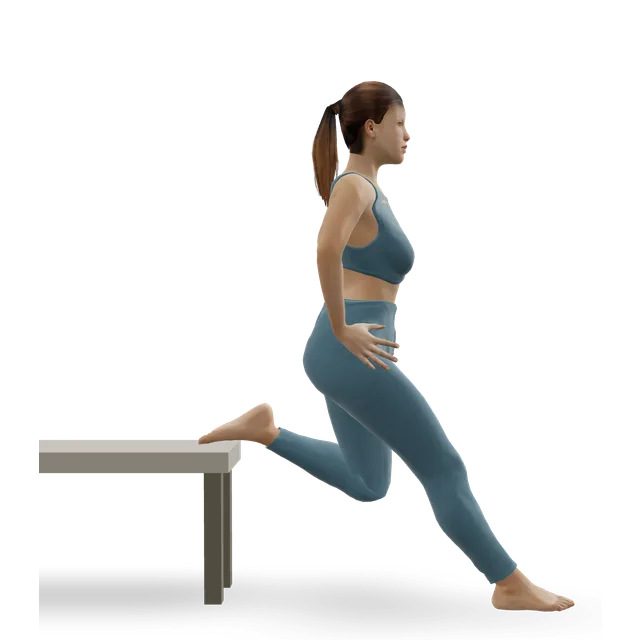
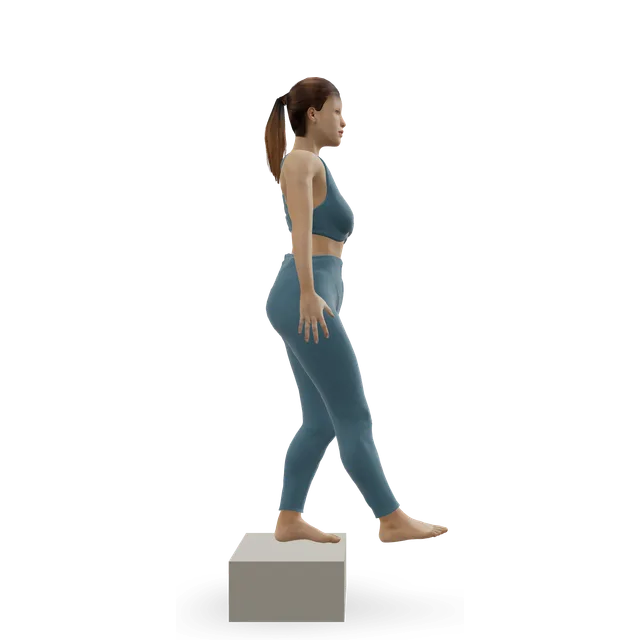
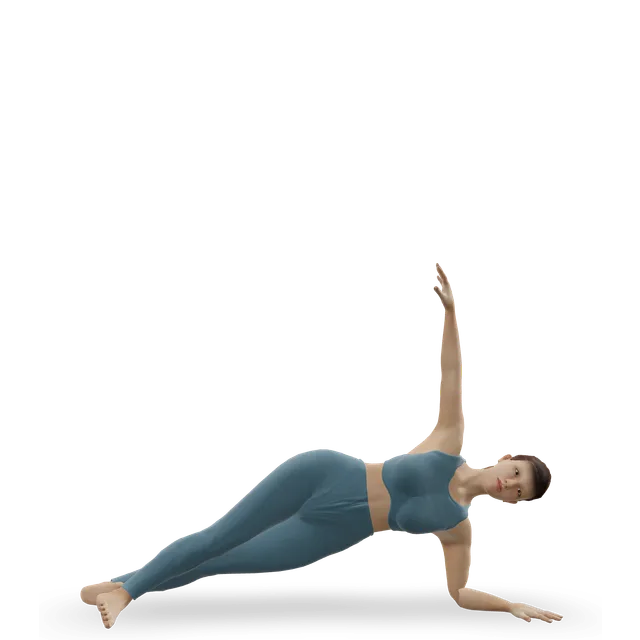
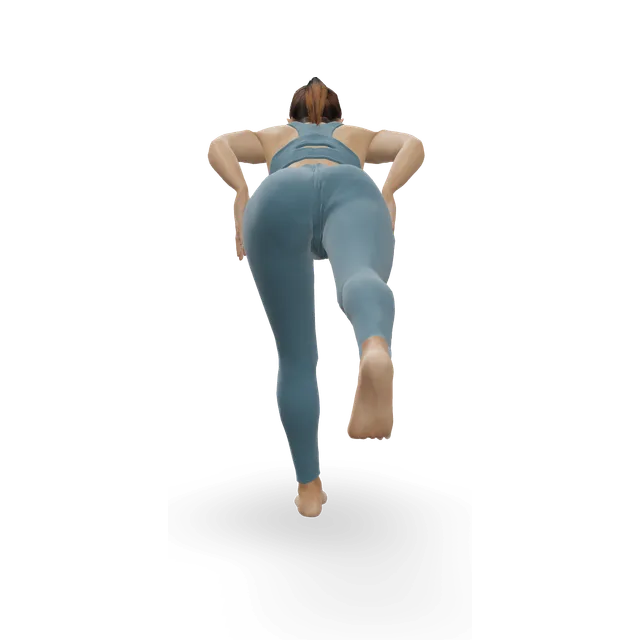
During the exercise, pain up to about 5 out of 10 is acceptable. It should settle within an hour or so, and your hip should be no worse that night or the next morning. If it is, do less next time (fewer repetitions, a smaller range, a lighter load), not nothing.
Pain can go up a little when you start a new exercise programme; guidelines for arthritis say so and still recommend keeping going. If pain climbs week after week, or a warning sign appears, stop and get it checked.
What exercises should I avoid with hip impingement?
No trial lists forbidden exercises. The positions that usually pinch are deep bending with the knee turned in: deep squats with the knees caving, sitting very low, and pulling the knee to the opposite shoulder. Work just short of the pinch and let strength bring the range back.
Can a labral tear heal without surgery?
Exercise does not glue a labrum back together, but many people with labral findings become pain-free and active with exercise-based treatment, which is why it is recommended first.
Can I keep running?
Often, yes, at a level the hip tolerates. The consensus supports staying active; reduce volume or hills if pain builds over the week.
When should I see a surgeon?
If a good 3 months of progressive exercise has not helped and the pain limits your life, discuss surgery with a specialist, knowing the trials found its advantage over physiotherapy is modest.
Exercise education, not a diagnosis or treatment plan. It is written from the guidelines and studies listed above; review by a clinician is pending. If your pain follows an injury, is severe, is getting worse, or comes with any warning sign listed on this page, get it assessed. Health disclaimer.