Hip flexor pain: strengthen first, and the truth about tight hip flexors
Pain at the front of the hip or groin when lifting the knee, sprinting, kicking or climbing stairs. A strain usually follows a sudden effort; tendon pain builds up over time.
Teenagers who sprint or kick can pull off a small piece of bone where these muscles attach. Sudden severe pain with a pop in a young athlete needs an assessment, not a stretch.
Exercise is for pain that has been checked or is clearly mild and settling.
Get urgent medical help if
Severe hip pain after a fall or injury, or you cannot stand, walk or put weight on the leg. In an older adult this can be a broken hip; the leg may look shorter or turned outward.
Tingling or loss of feeling in the hip or leg after an injury.
Buttock or leg pain with numbness around the genitals or bottom, new trouble controlling your bladder or bowels, or weakness or numbness in both legs.
A hot, swollen hip, or hip pain with a fever or feeling generally unwell (a possible joint infection).
A child or teenager with sudden hip, thigh or knee pain, a limp, or who will not put weight on a leg. Hip problems in children can be felt only in the knee.
See a doctor or physiotherapist if
Hip pain that stops normal activities or disturbs sleep, keeps getting worse, or has not improved after 2 weeks of looking after it at home.
Pain that builds with running and hurts to hop on (a stress fracture can look normal on an early X-ray).
A sudden pop and sharp pain at the front of the hip in a teenager.
Understand it
The tight hip flexor story: what is true and what is notMixed evidence
True: people who sit for more than 7 hours a day and are inactive had about 6 degrees less hip extension than active people who sit less. Not established: that this causes back or hip pain. In another study, back pain did not predict hip flexor range once body weight was accounted for.
A tight feeling is often stiffness or sensitivity rather than a short muscle. Stretching raises range, but so does strength training through a full range.
Hip flexors respond quickly to band trainingEmerging evidence
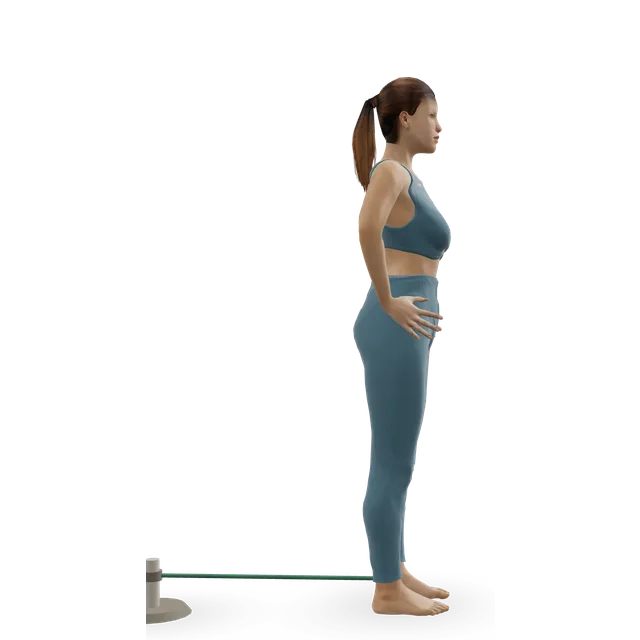
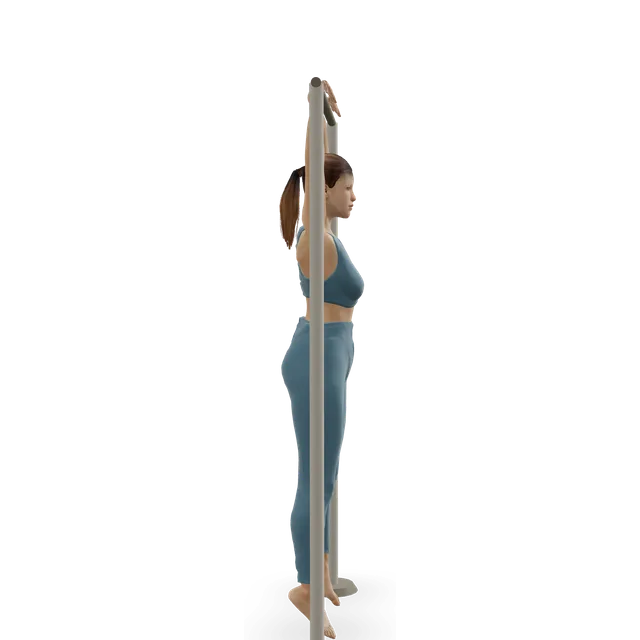
In healthy adults, about 10 minutes of elastic-band hip flexor training three times a week raised hip flexion strength by 17% in six weeks. It has not been tested in people with pain, but it is a sensible way to load a recovering hip flexor.
Strengthen before you stretch a painful hip flexorEmerging evidence
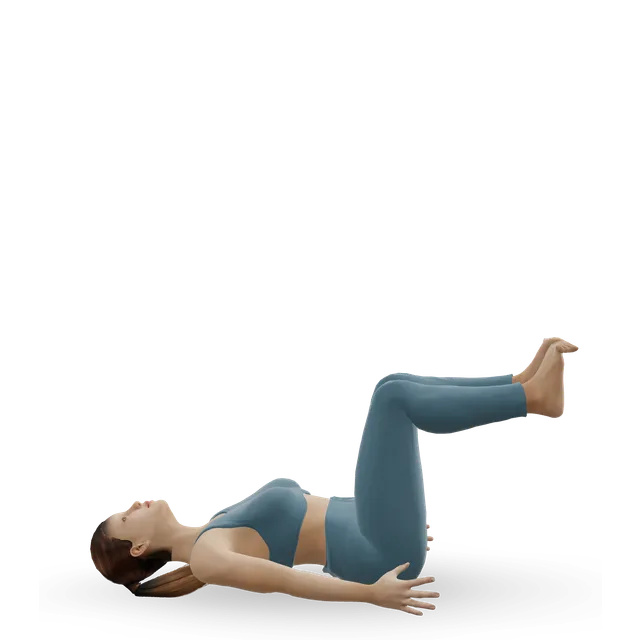
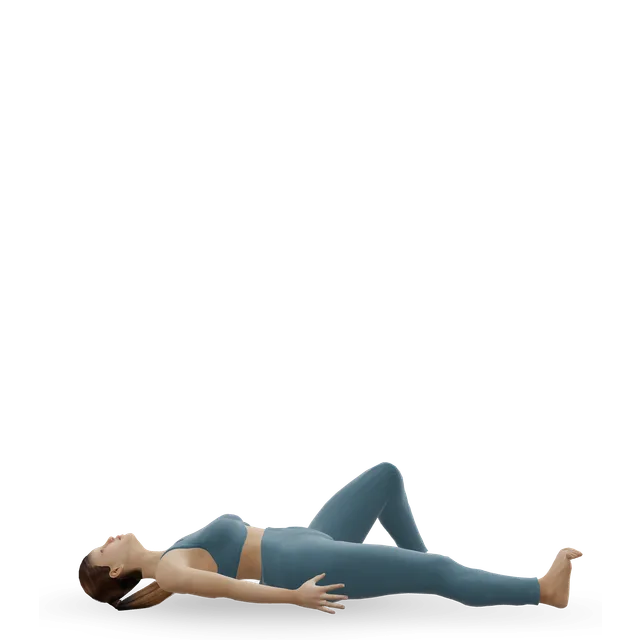
For a strain or a sore tendon, gradual loading comes first; stretching hard early on is likely to aggravate it. Gentle stretching can come back once loading is comfortable.
It is one of the defined causes of groin pain in sportStrong evidence
The Doha agreement lists iliopsoas-related groin pain as one of four defined clinical entities, alongside adductor, inguinal and pubic-related groin pain.
During the exercise, pain up to about 5 out of 10 is acceptable. It should settle within an hour or so, and your hip should be no worse that night or the next morning. If it is, do less next time (fewer repetitions, a smaller range, a lighter load), not nothing.
Pain can go up a little when you start a new exercise programme; guidelines for arthritis say so and still recommend keeping going. If pain climbs week after week, or a warning sign appears, stop and get it checked.
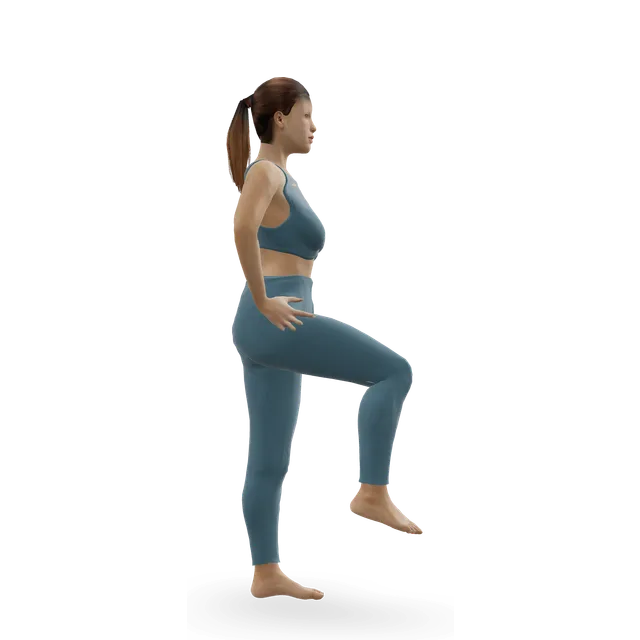
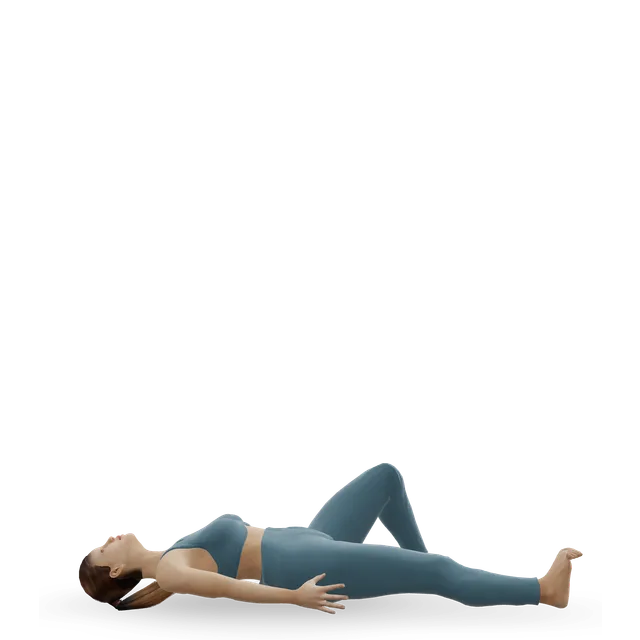
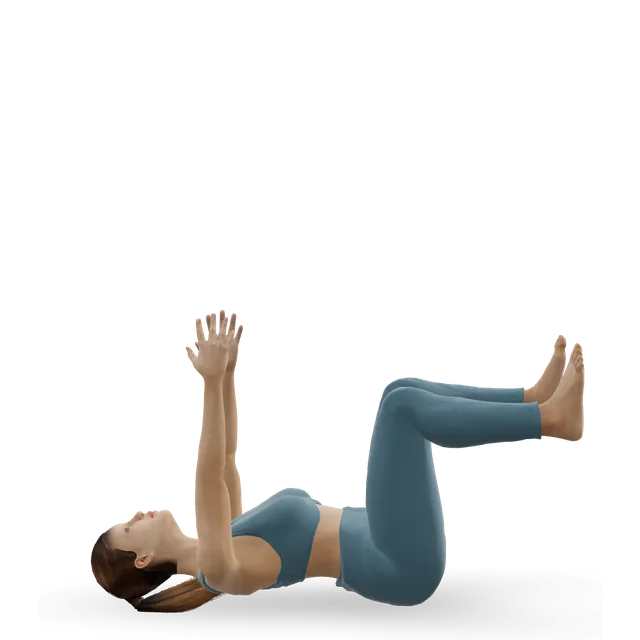
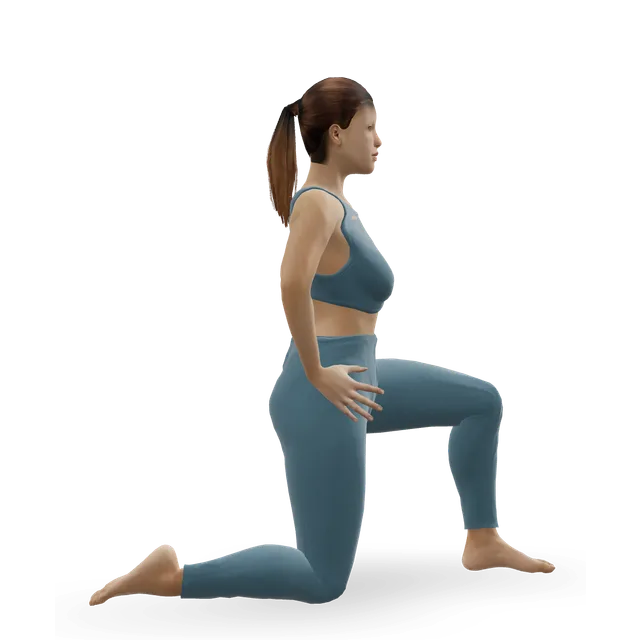
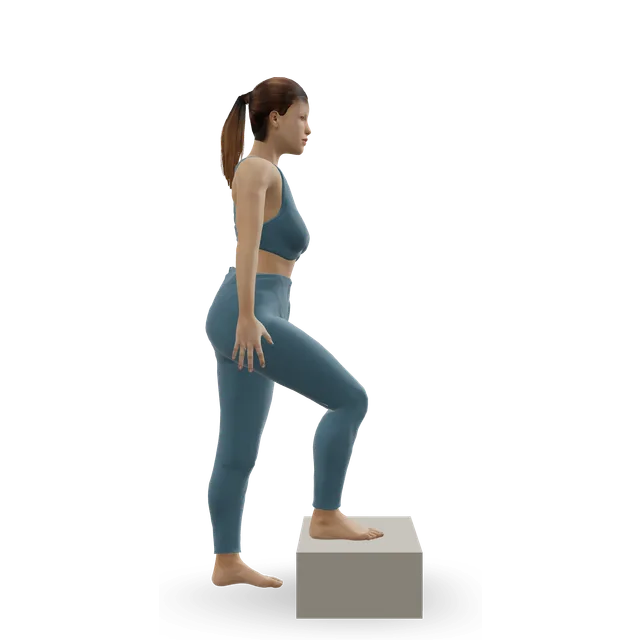
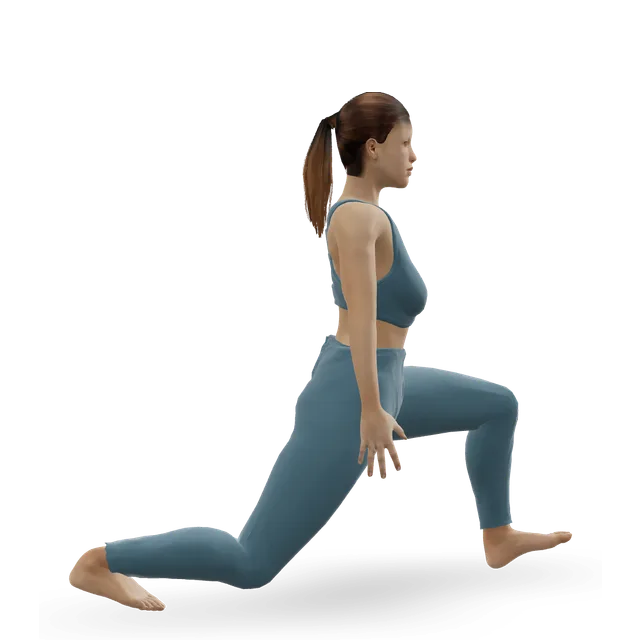
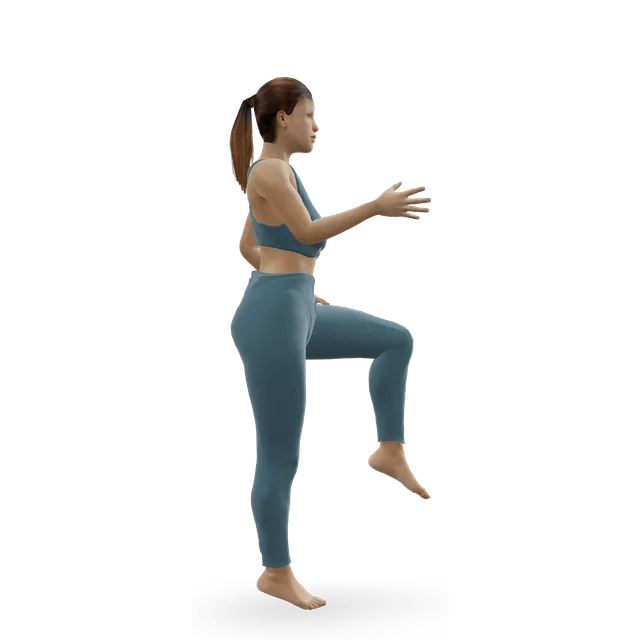
Not at first. Load it gently with marches and band work; add mild stretching once those are pain-free.
Does sitting tighten your hip flexors?
Long sitting and inactivity are linked with a little less hip extension, about 6 degrees in one study, but a link is not proof of cause, and it has not been shown to cause pain.
Do tight hip flexors cause lower back pain?
The evidence does not show that. In one study, back pain did not predict hip flexor range once body weight was accounted for.
How long does a hip flexor strain take?
Mild strains often settle within a few weeks with gradual loading; more severe ones take longer. Let pain-free running and band strength guide you, not the calendar.
Exercise education, not a diagnosis or treatment plan. It is written from the guidelines and studies listed above; review by a clinician is pending. If your pain follows an injury, is severe, is getting worse, or comes with any warning sign listed on this page, get it assessed. Health disclaimer.