Hanging knee raise
Hanging from a bar, the knees draw up toward the chest as the pelvis curls; its supported form, the captain's chair, was among the top abdominal exercises in an ACE comparison.
Leg raise family
Hanging knee raise
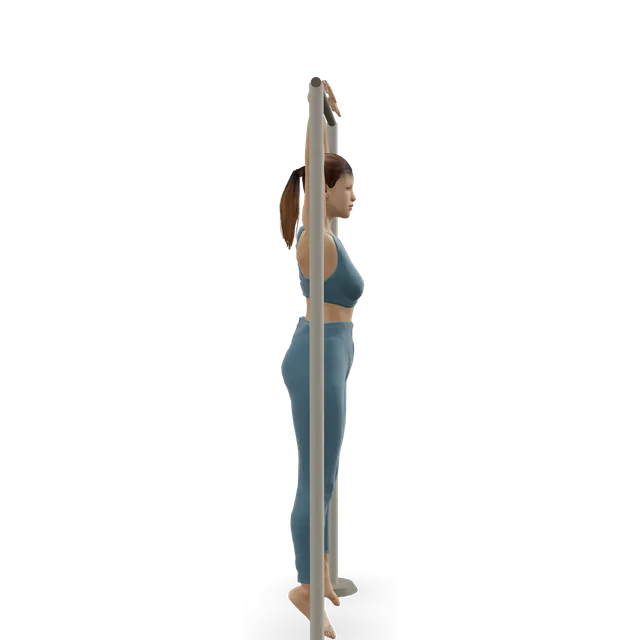
Loading the 3D figure…
Source-researched guide.
How to move
- Hang from a bar with the shoulders active, drawn slightly down away from the ears.
- Curl the pelvis and draw the knees up toward the chest.
- Lower slowly to a full stop before the next rep.
Form cues
- No swinging: move slowly and keep the trunk still.
- A dip station or captain's chair with forearm pads makes it easier.
Practice and cautions
No universal dose is assigned. Choose a manageable amount for your current capacity, leave room for controlled repetitions, and allow recovery. A clinician’s individual plan takes priority.
Not ideal with unstable or painful shoulders. Use straps only if your grip fails well before your trunk does. After abdominal or bowel surgery (including gallbladder or appendix removal, a hernia repair, hysterectomy, caesarean, weight-loss surgery or a kidney or liver transplant), or with a stoma, leave this out while your tummy heals: UK stoma and hospital leaflets advise against sit-ups and double leg raises at first. Build up through gentler core exercises, breathe out on the effort, and stop if you notice bulging around a scar or stoma. This is movement education, not an assessment or treatment prescription. Stop for sharp or increasing pain, dizziness, numbness or tingling; seek individual guidance for symptoms, injury or restrictions.
Sources and review status
Sources support the educational description; they do not establish that this exercise is suitable for you.
- NASM · Best abs exercises (hanging knee raise and its progressions) ↗
- ACE-commissioned study · Top ab exercises (captain's chair knee raise and reverse crunch) ↗
No variation is labeled clinically validated.
What it works
Muscles
Main: Abs, Hip flexors. Also: Forearms, Shoulders.
Anatomy: Rectus abdominis, Obliques, Transversus abdominis, Iliopsoas, Rectus femoris, Pectineus.
Equipment
Pull-up bar
Level
Intermediate. See the easier and harder options above.
Workouts that use it
- Lower body gym workout · 50 min
- Full-body calisthenics workout · 45 min
- Strength workout for mountain bikers: heavy trunk work, legs, pulling and grip · 50 min
- Pole conditioning workout: hangs and pulls, shoulders, inverts, hamstrings, inner thighs and grip, off the pole · 45 min
- Aerial conditioning workout: pull-ups, hangs, inversions, shoulders, grip and landings for silks, hoop and trapeze · 50 min
- Aerial warm-up: shoulders, wrists, fingers, a graded hang and a tuck before silks, hoop or trapeze · 15 min
- Gym ab workout: cable crunches, hanging knee raises, rollouts and carries · 25 min
- Front lever progression workout · 30 min
- Hanging leg raise progression workout: five steps to strict toes to bar · 25 min
- Hip flexor strengthening workout: marches, band knee drives, leg raises and step-ups · 25 min
Pain guides that use it
Part of a staged plan, with when to get help first.
- Hip flexor pain: strengthen first, and the truth about tight hip flexors
- Pulled stomach muscle and side strain: tummy pain that isn't a strain, recovery times, and a staged plan
- Hip pain when lifting your leg: the hip flexors, the joint, the groin, socks, the car and what helps
- Lower back pain when doing leg raises: the arch, the hip flexors, the tummy muscles and what helps
- Hip flexor pain when doing sit-ups: the front of the hip, anchored feet, the groin and swaps
- Groin pain when doing sit-ups: hooked feet, the inner thigh, the lower tummy, hernias and swaps
- Hip flexor pain when doing leg raises: the front of the hip, clicks, a pinch, the groin and swaps
Guides that use it
Similar moves
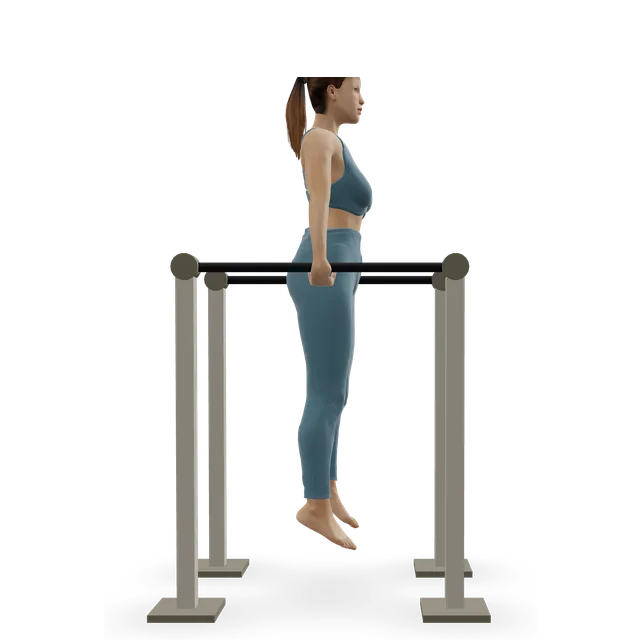 3D demoCaptain's chair knee raiseIntermediate · Other / check instructions
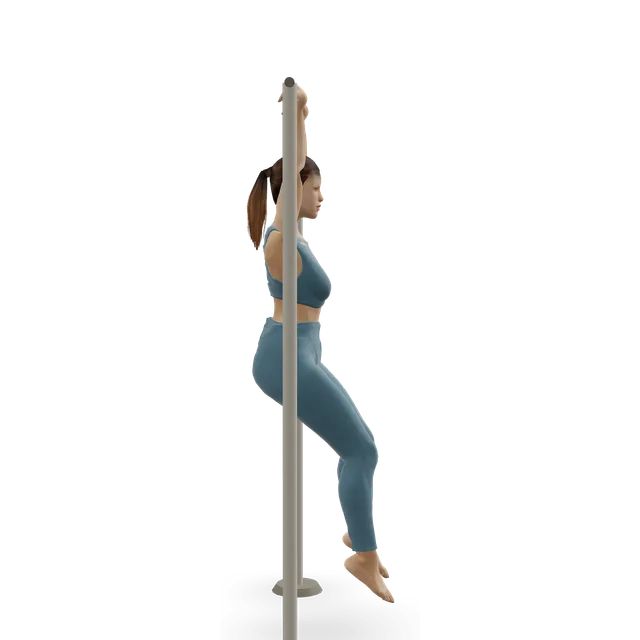 3D demoChin-up with a knee raise (gorilla chin)Advanced · Pull-up bar
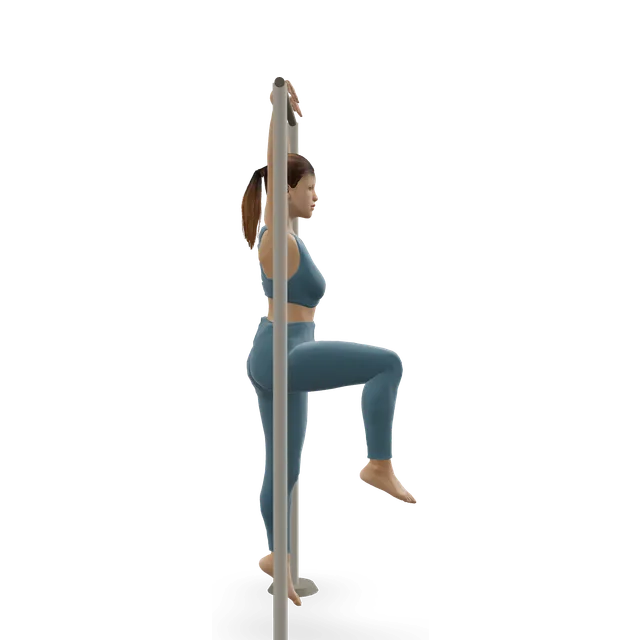 3D demoHanging alternating knee raise (wind sprints)Intermediate · Pull-up bar
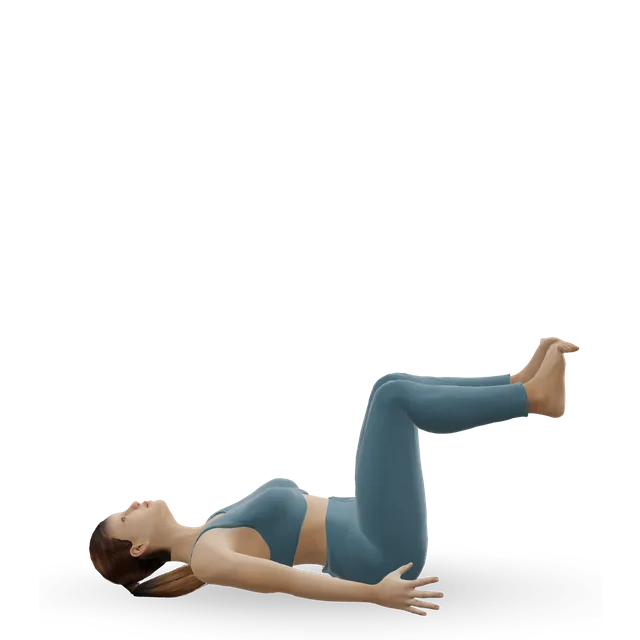 3D demoBent-knee hip raiseIntermediate · No equipment
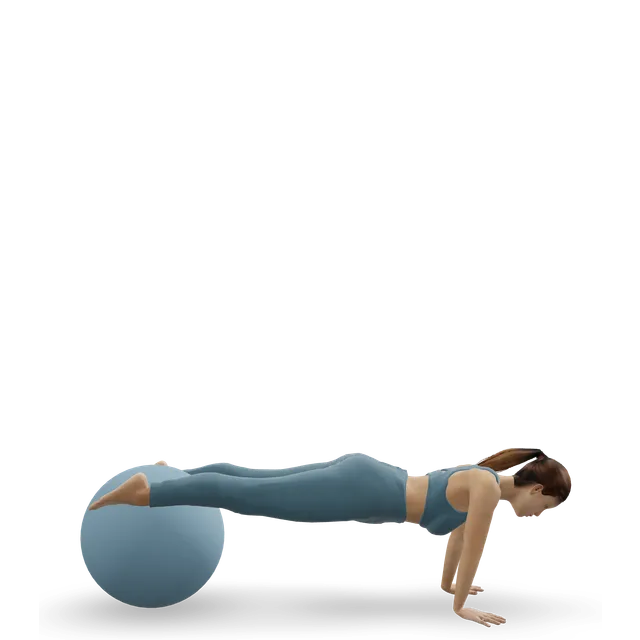 3D demoStability ball knee tuckAdvanced · Exercise ball
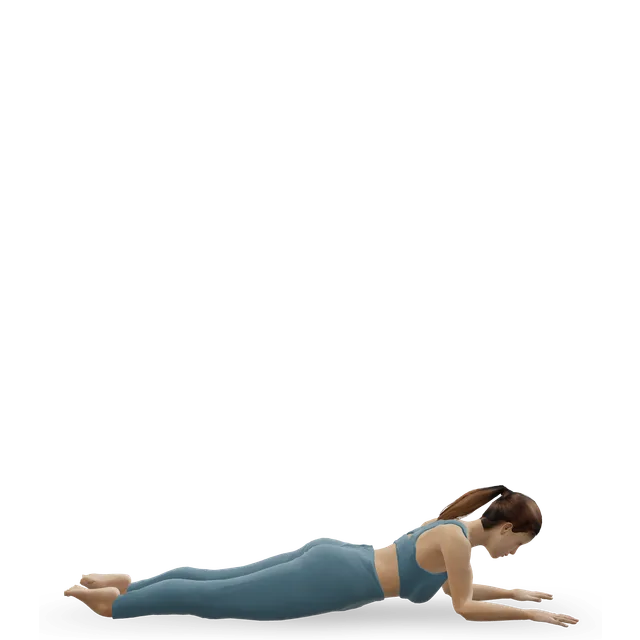 3D demoKnee plankBeginner · No equipment
Browse more
Questions people ask
What muscles does the Hanging knee raise work?
Mainly the abs and hip flexors, with help from the forearms and shoulders.
What equipment do I need for the Hanging knee raise?
Pull-up bar.
Is the Hanging knee raise good for beginners?
It is graded intermediate. If it is too hard right now, start with the Reverse crunch.
What is an easier alternative to the Hanging knee raise?
Try the Reverse crunch or the Lying leg raise on a bench. Both are written steps in the same progression.
How do I make the Hanging knee raise harder?
Progress to the Hanging straight-leg raise or the Hanging pike. Follow that guide’s technique and any stated timing.