Reverse crunch
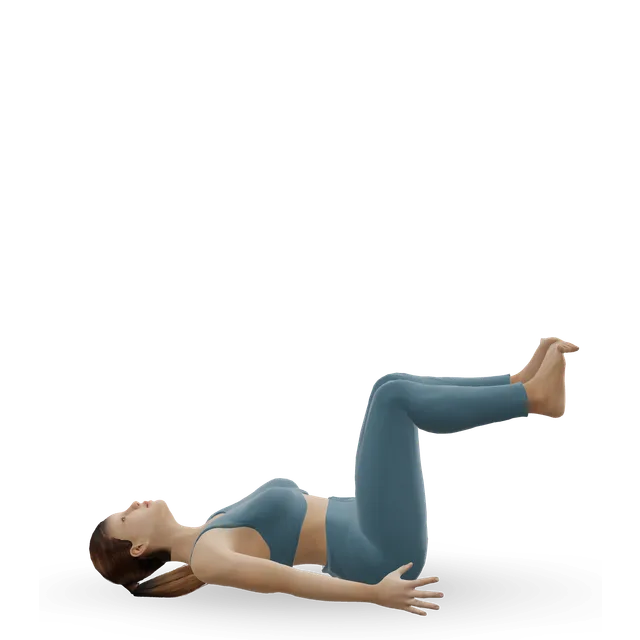
Lying on the back with the hips and knees bent at right angles, the pelvis curls toward the ribs; the floor supports the trunk.
Leg raise family
Reverse crunch
Loading the 3D figure…
Source-researched guide.
How to move
- Lie on your back with the hips and knees bent to right angles, the feet off the floor and the hands by your sides.
- Curl the pelvis toward the ribs so the hips lift a little off the floor, the knee angle staying the same.
- Lower one segment of the back at a time, without swinging the legs.
Form cues
- Pull the pelvis up toward the ribs rather than swinging the knees.
- Keep the knees from moving past the hips.
Practice and cautions
No universal dose is assigned. Choose a manageable amount for your current capacity, leave room for controlled repetitions, and allow recovery. A clinician’s individual plan takes priority.
Ease off if repeated bending flares your back. With osteoporosis, a UK consensus advises modifying or avoiding repeated or end-range rounding of the spine: choose a dead bug, bird dog or plank instead. After abdominal or bowel surgery (including gallbladder or appendix removal, a hernia repair, hysterectomy, caesarean, weight-loss surgery or a kidney or liver transplant), or with a stoma, leave this out while your tummy heals: UK stoma and hospital leaflets advise against sit-ups and double leg raises at first. Build up through gentler core exercises, breathe out on the effort, and stop if you notice bulging around a scar or stoma. This is movement education, not an assessment or treatment prescription. Stop for sharp or increasing pain, dizziness, numbness or tingling; seek individual guidance for symptoms, injury or restrictions.
Sources and review status
Sources support the educational description; they do not establish that this exercise is suitable for you.
- ACE · Reverse crunch ↗
- ACE-commissioned study · Top ab exercises (captain's chair knee raise and reverse crunch) ↗
- Free Exercise DB · alias and muscle metadata ↗
Unlicense · Free Exercise DB contributors; derived from wrkout/exercises.json. Text import; no photographs or media. · Revision f00c92c7dcf1216a928a52c3706c7ce8e2f71ed5
No variation is labeled clinically validated.
What it works
Equipment
None: body weight and floor space.
Level
Intermediate. See the easier and harder options above.
Workouts that use it
- Full-body bodyweight workout · 30 min
- Ab workout (no equipment) · 20 min
- Crunch and sit-up workout: from the crunch to the full sit-up · 15 min
- Dragon flag progression workout · 25 min
- Core session A: dead bugs, curls and front planks · 12 min
- Hanging leg raise progression workout: five steps to strict toes to bar · 25 min
- Lower ab workout: a leg raise ladder from heel taps to bench leg raises · 15 min
- V-up progression: from dead bugs and the hollow hold to the V-up · 20 min
- Hip flexor strengthening workout: marches, band knee drives, leg raises and step-ups · 25 min
Pain guides that use it
Part of a staged plan, with when to get help first.
- Pulled stomach muscle and side strain: tummy pain that isn't a strain, recovery times, and a staged plan
- Lower back pain when doing leg raises: the arch, the hip flexors, the tummy muscles and what helps
- Neck pain when doing sit-ups: pulling on your head, the neck muscles, technique and swaps
- Lower back pain when doing sit-ups: the arch, the hip flexors, the tailbone, crunches and what helps
- Hip flexor pain when doing sit-ups: the front of the hip, anchored feet, the groin and swaps
- Hip flexor pain when doing leg raises: the front of the hip, clicks, a pinch, the groin and swaps
Guides that use it
- Classical Pilates mat exercises guide
- Anterior pelvic tilt guide
- Sit-ups guide
- How to get abs guide
- Dragon flags guide
- Hanging leg raises guide
- Hollow body hold guide
- Reverse crunches guide
Show all 14 guidesShow fewer guides
Similar moves
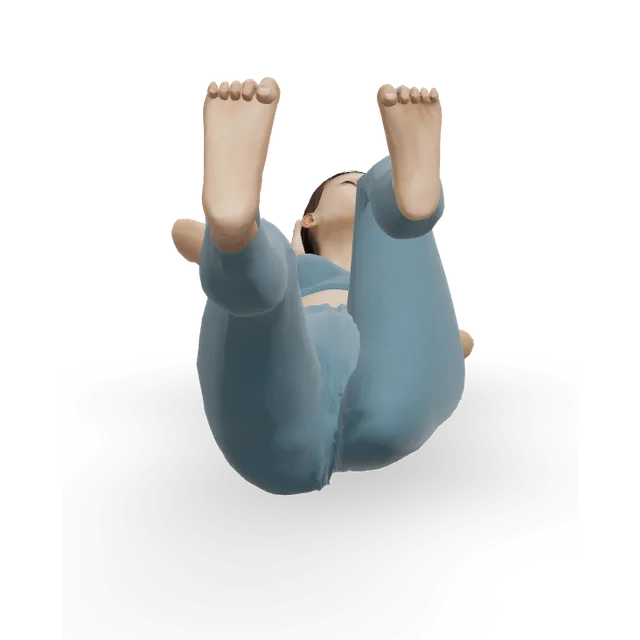 3D demoBicycle crunchIntermediate · No equipment
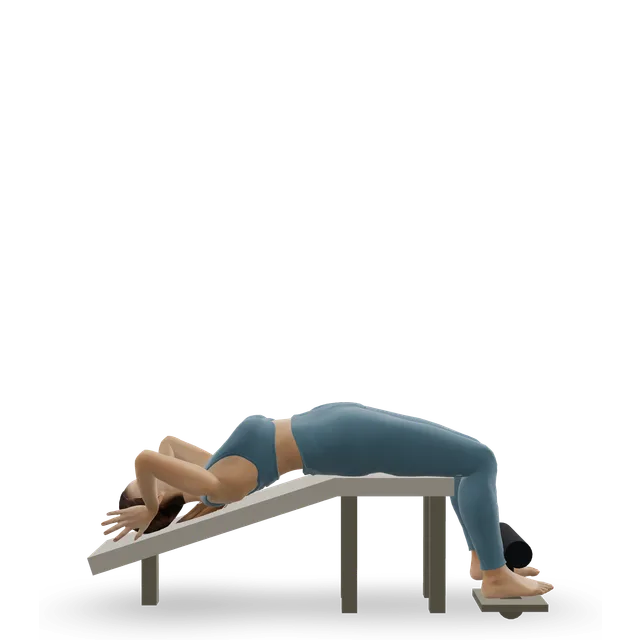 3D demoDecline oblique crunchIntermediate · A bench or box
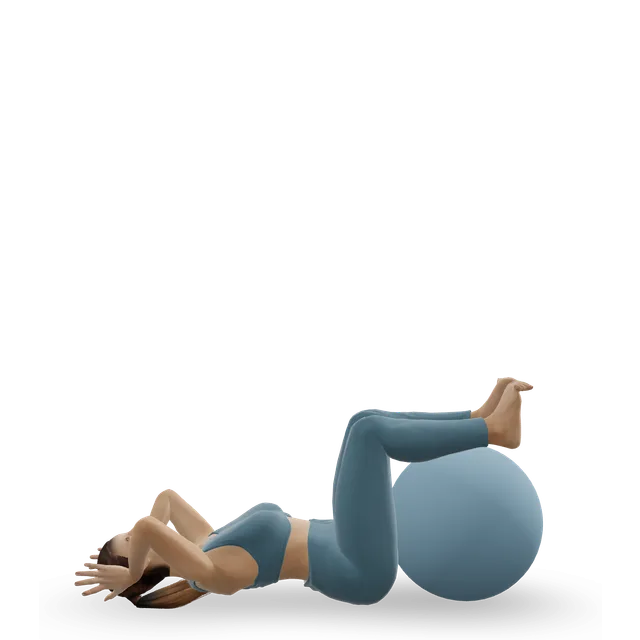 3D demoCrunch with the legs on a ballBeginner · Exercise ball
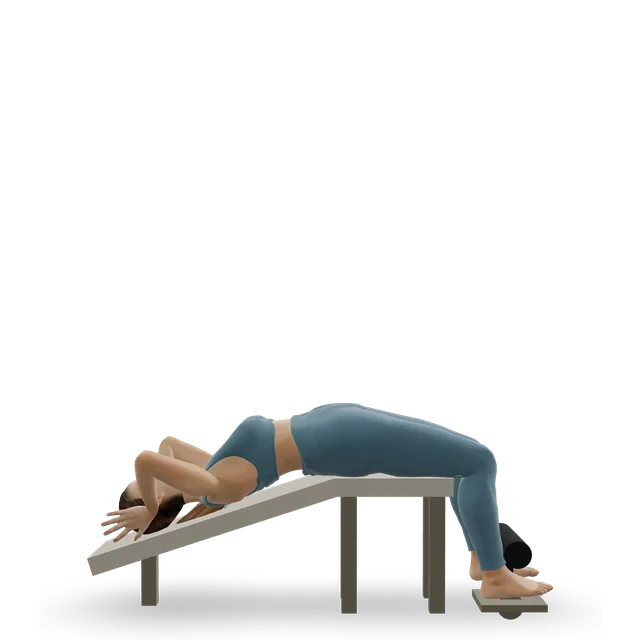 3D demoDecline crunchIntermediate · A bench or box
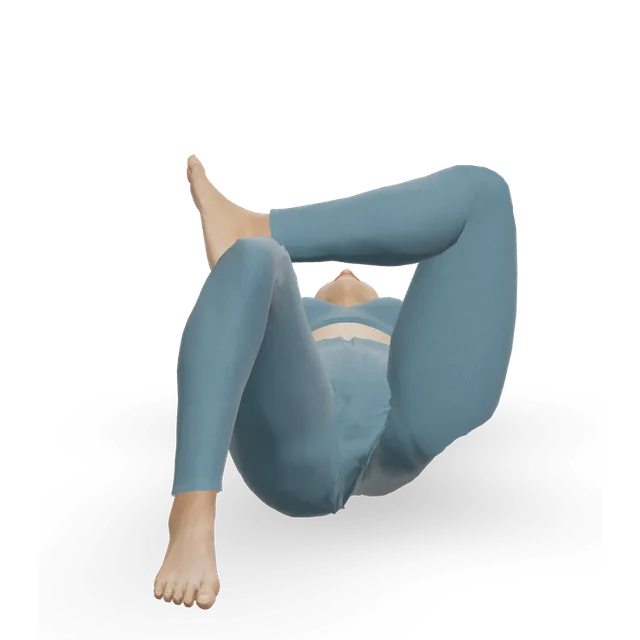 3D demoElbow-to-knee crunchBeginner · No equipment
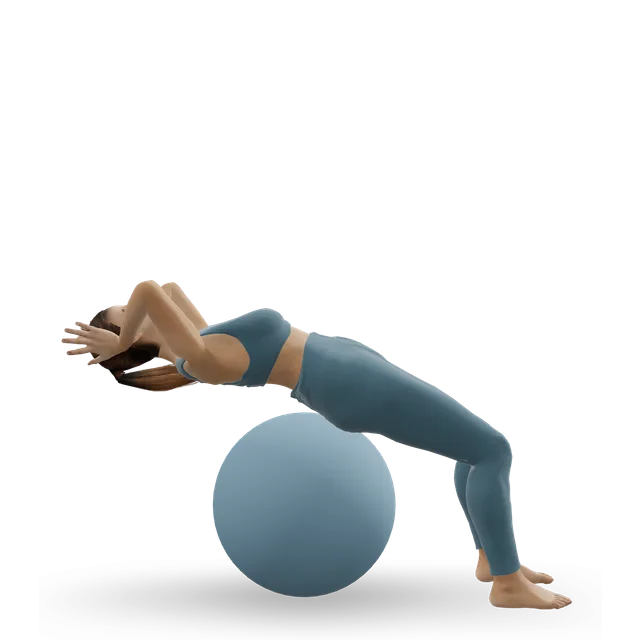 3D demoExercise ball crunchBeginner · Exercise ball
Browse more
Questions people ask
What muscles does the Reverse crunch work?
Mainly the abs, with help from the hip flexors.
What equipment do I need for the Reverse crunch?
No equipment: your body weight and a little floor space.
Is the Reverse crunch good for beginners?
It is graded intermediate. If it is too hard right now, start with the Cross-body crunch.
What is an easier alternative to the Reverse crunch?
Try the Cross-body crunch or the Crunch. It works similar muscles at a lower grade.
How do I make the Reverse crunch harder?
Progress to the Captain's chair knee raise or the Hanging knee raise. Follow that guide’s technique and any stated timing.