Sport

Dance conditioning: strength and jump training for dancers, the common injuries, and eating enough to dance well

Dance is a sport as much as an art: class, rehearsals and performances add up to long weeks of jumps, turns and extreme ranges of movement, much of it on the balls of the feet. Injuries are common in every style, mostly from overuse, and the feet, ankles, hips and lower back take most of them; street styles add the knees and, in breaking, the wrists, shoulders and neck. Strength and jump training make dancers stronger and more powerful without making them bulky, and in the one randomised trial in professional ballet, the dancers who kept up a short strength programme were injured much less often, though only about half managed to.

This guide covers what each style asks of your body, the common injuries and what helps prevent them, strength and jump training, eating enough and why missed periods matter, hypermobility, young dancers and pointe work, breaking, and when to see a GP. It includes a strength workout built on the ballet trial and a dance warm-up, with a 3D demo of every move. We're not connected with any dance school, company or awarding body.

The short version

Injuries are common, mostly from overuse

Across 16 studies of recreational, student and professional dancers, there were fewer than 5 injuries per 1,000 hours of dancing, yet over a school year 76% of 266 full-time ballet students and 81% of 130 contemporary dance students were injured. Most injuries build up gradually, and the foot and ankle lead in every style.

Sources 1, 2, 3, 4

One trial, in professional ballet

Dancers who did three short strength sessions a week on their own, for at least 4 weeks in a row, were injured much less often than dancers who didn't. Only 11 of the 20 managed that, and the analysis left the others out, so the true benefit is probably smaller.

Source 5

Stronger, not bulkier

Across 36 studies of dancers over 16, strength and conditioning improved strength, power and flexibility, and 12 weeks of thigh strength training made professional ballerinas stronger without changing their thigh size or body weight.

Sources 6, 7

Eating enough is a safety issue

In pooled studies, about 12% of dancers had an eating disorder, about 3 times the rate in people who don't dance. A dance medicine consensus treats missed or irregular periods as a key sign of not eating enough for your training, which weakens bone, and in professional ballerinas stress fractures went with longer spells without periods.

Sources 8, 9, 10

Pointe on readiness, not age

A commonly cited guide ties pointe work to years of training and readiness rather than a birthday, and experts rate a teacher's assessment above any test. Your teacher decides, based on strength and control as well as years of training.

Sources 11, 12

Hypermobility: symptoms matter

Very flexible joints are common in dancers and, without symptoms, weren't linked with more hip problems in professional ballet dancers. With pain, repeated sprains or joints that slip, strength and control come first.

Sources 13, 14, 15

What dance asks of your body

Each style asks something different

The main loads, by style:

  • Ballet: turnout from the hips, jumps, turns, partnering, and pointe work for most female dancers.
  • Contemporary and modern: floor work, falls and spirals.
  • Street styles: hip hop, popping, locking and house on the feet; breaking, an Olympic sport at Paris 2024, adds power moves, freezes and spins on the hands, head and back.
  • Irish dance: fast footwork, jumps and landings on the balls of the feet.
  • Jazz, musical theatre, ballroom and DanceSport: long, intense routines, often while singing or partnering.

Sources 16, 17

Stop-start effort, and performance is harder than class

The Compendium of Physical Activities, from published measurements, gives ballet, modern or jazz class 5.0 metabolic equivalents (METs), performance 6.8, contemporary dancing in general 3.8, vigorous folk dancing including Irish step dancing 9.8 and DanceSport competition 13.0. Dancers' aerobic fitness (VO2 max) ranged from 37 to 57 mL/kg/min across studies, and class asks less of the heart and lungs than performance, so reviewers suggest extra fitness training.

In a professional contemporary company, weekly training load was higher than in many sports, and the dance energy consensus notes that dancers' activity can exceed 30 hours a week. The UK's National Health Service (NHS) counts dancing as moderate activity.

Sources 18, 19, 20, 9, 21

Where the load falls

The sites the studies point to:

  • Feet and ankles: repeated rises onto the balls of the feet (relevé), pointe work and landings. They lead the injury counts in every style.
  • Hips and groin: turnout, extensions and splits, which make up about a sixth of dancers' injuries.
  • Knees: landings, and the commonest injury site in hip hop and youth street dance.
  • Lower back: arching and twisting in arabesques, cambrés and back bends.
  • Hamstrings: slow, forced stretching can strain the tendon high near the sitting bone.
  • Wrists, hands, shoulders and neck: breaking's spins and freezes.

Sources 22, 23, 24, 25, 26, 27, 28, 29

What goes with more injuriesEmerging evidence

In pre-professional dancers, a previous injury and poor coping skills went with more injuries. Overload and longer hours, forcing turnout beyond your hips' range (compensated turnout) and lower energy availability went with injuries in other studies. These are associations, not proven causes.

Sources 30, 31, 32, 33, 34

What to train (our reading)

Calf and foot strength for relevé and landings, hip strength and control in turnout and in parallel, single-leg landings, hamstring strength at long lengths, trunk control when arching and twisting, upper-body strength for partnering and floor work, and aerobic fitness for long rehearsals and performances.

Common injuries

Each study counted injuries its own way (any complaint, an injury needing medical attention, or one that stopped dancing), so the figures in different lines aren't comparable.

How often dancers get hurtEmerging evidence

The numbers, by group:

  • Ballet, across studies: 0.97 injuries per 1,000 dance hours in amateurs and 1.24 in professionals.
  • All styles and levels, 16 studies: fewer than 5 per 1,000 dance hours, with no clear difference between recreational, student and professional dancers.
  • Full-time ballet students aged 15 to 19 (266): 76% injured in a school year; 1.38 per 1,000 dance hours.
  • Pre-professional ballet dancers (452, over 5 years): 32% to 67% injured each year, depending on whether only injuries that stopped dancing were counted.
  • Contemporary dance students (130): 81% injured in a year; 1.9 per 1,000 dance hours.
  • Professional ballet, 3 companies: musculoskeletal pain in 82% of weeks across a season.
  • Irish dancers, 11 studies: 72% to 93% injured, depending on the study.

Sources 4, 1, 2, 35, 3, 36, 17

Feet and anklesEmerging evidence

In two professional ballet companies over 3 seasons, women had 1.20 foot and ankle injuries per dancer per season that needed medical attention, and men 0.83. Ankle impingement (pinching inside the joint) and inflamed joint linings were the commonest problems, pointe work and jumps were the commonest causes in women, and ankle sprains, mostly from jumps, were the commonest foot and ankle injury that stopped dancers dancing. Our sprained ankle, Achilles tendinopathy and flexor hallucis longus guides cover these, and our posterior ankle impingement guide covers pinching at the back of the ankle on pointe.

Our anterior ankle impingement guide covers the pinch at the front of the ankle in plié. Two other foot problems seen in dancers have their own guides too: cuboid syndrome on the outer midfoot, described mostly in ballet dancers and athletes, though the evidence is thin, and a plantar plate tear under the second toe, a joint that time on demi-pointe loads heavily.

Sources 22, 78, 79, 80

Stress fracturesEmerging evidence

In 54 professional ballerinas, 17 had had 27 stress fractures between them: 63% in the long bones of the foot, 22% in the shin and 7% in the spine. They went with dancing more than 5 hours a day and with longer spells without periods, both associations. Reviews link low energy availability, low bone density and heavy loads with them. Our stress fracture and sesamoiditis guides cover treatment.

Sources 10, 37

HipsEmerging evidence

Hip and groin injuries made up 17.2% of dancers' injuries across 13 studies, more in professionals than students. Painful snapping, labral tears and hip impingement are the common problems, and our splits guide explains why even professional dancers' hips reach a bony limit at the end of a split. Our snapping hip, hip labral tear and hip impingement guides cover them.

Source 24

BacksEmerging evidence

Low back pain is very common: across 50 studies, a median of 73% of dancers had it in a year, and the lower back accounted for about 11% of injuries that cost dance time. In young dancers, a stress fracture in the back of a vertebra (spondylolysis) was the commonest bone injury among dancers seen at a children's sports medicine clinic. Back pain that lasts, or is worse arching back, needs checking: see the warning signs below and our spondylolisthesis guide.

Sources 27, 38

KneesEmerging evidence

Knees lead in hip hop and youth street dance: 36% of hip hop dancers' injuries at a London dance clinic (men mostly tore a meniscus, women mostly had kneecap pain) and 47% of injuries in youth street dancers. Dancers tear an anterior cruciate ligament (ACL) far less often than team-sport players: 0.009 per 1,000 exposures in 298 elite dancers over 5 years, almost all landing on one leg. Our runner's knee, meniscus tear and ACL injury guides cover these.

Sources 25, 26, 39

HamstringsEmerging evidence

Slow, forced stretching can strain the hamstring tendon high near the sitting bone: 15 professional dancers injured this way took a median of 50 weeks to get back to their previous level. Our hamstring strain and high hamstring tendinopathy guides cover recovery.

Source 28

Breaking and street stylesEmerging evidence

In 42 break-dancers, 95% had been injured in more than one place: wrists 69%, fingers 62%, knees 62%, shoulders 52%, lower back 50% and neck 38%. 31% had broken or dislocated something, and only 19% had been taught under supervision. Case reports describe spins, freezes and landings injuring the wrists, head, neck and back. In 146 street dancers, breakers had the highest injury rates, mostly in the arms.

Sources 29, 16, 40

ConcussionEmerging evidence

Dancers get concussed too. In a case series of 11 dancers aged 12 to 20, causes included stunts and flips, being dropped in partnering, slips and falls, blows, and repeated head whipping, and symptoms lasted from under 3 weeks to over 2 years. See the warning signs below.

Source 41

What prevents injuries

There's one randomised trial of an injury prevention programme in professional dance, and none in street or Irish dance. Most other studies compared injuries before and after a programme, without a control group.

The professional ballet trial, as it was doneEmerging evidence

In one US professional ballet company, 39 of 52 dancers took part (13 said they had no time): 20 were randomised to the programme and 19 to their usual practice, for a season.

  • What: three different sessions of about 30 minutes a week, on non-consecutive days, done on their own in their own time.
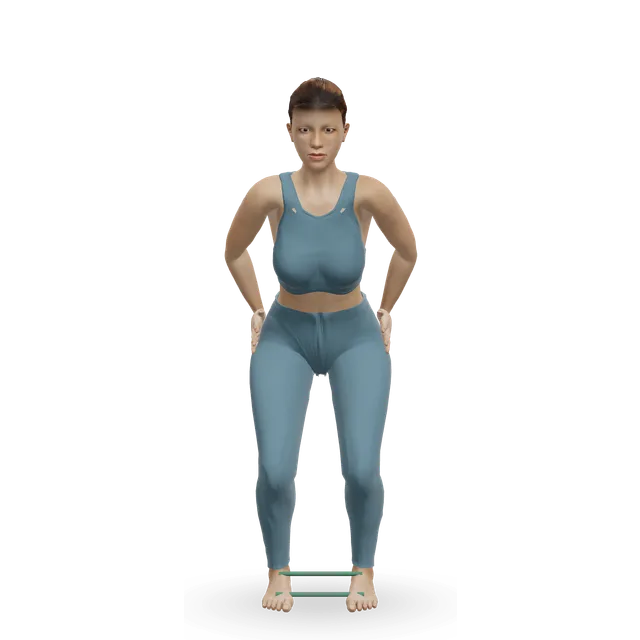
  • Day 1, hips, trunk, feet and ankles: fire hydrants, 3 × 15 each side; side plank clams, 3 × 15 each side; side steps with a band round the ankles, 3 × 15 each way; side plank, 2 × 30 seconds each side; band toe points, 3 × 30 each foot; a star drill of turns and travelling steps, 2 each side; heel and outer hip stretches, 3 × 15 seconds each.
  • Day 2, hamstrings, glutes, trunk and feet: Nordic hamstring lowers, 3 × 10, lowering as far as you can control and then catching yourself into a push-up position; bird dog, 3 × 20 each side; bridges with a ball between the knees, 3 × 15; lying leg lifts, 3 × 10 each leg with 5-second holds; glute kicks on all fours, 3 × 10; band exercises for the outside of the foot, 3 × 10; plank, 4 × 45 seconds; a hamstring stretch.
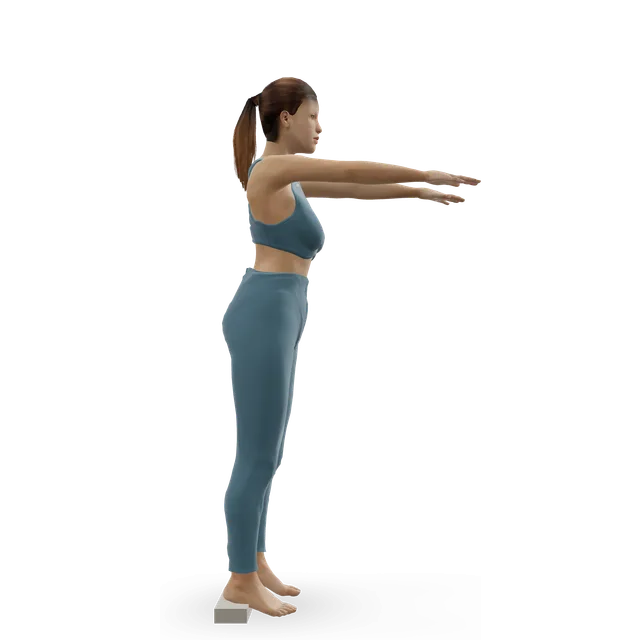
  • Day 3, thighs and balance: lunges with 1 to 10 pulses, 2 rounds; wall sits, 3 × 30 seconds; squats on a slant board, 3 × 10; step-downs from a 15 to 20 cm step, 3 × 10 each leg; standing on one leg with your eyes closed, 3 × 30 seconds each leg; band foot flexion, 3 × 10; dead bugs, 2 × 20; a quad stretch.

  • Progression: stronger bands, more reps and longer holds as each exercise got easier, as the paper sets out.
  • Effect, as analysed: among the 11 of 20 dancers who kept it up for at least 4 weeks in a row, injuries were much lower than in the controls (hazard ratio 0.18, 95% confidence interval 0.04 to 0.78), and the time between injuries was longer. The 9 who didn't keep it up were left out of that analysis, so the true effect is probably smaller.

Source 5

Why it's still worth doing (our reading)

It's one small trial in one company, but it's the only randomised injury trial in professional dance, it needs little kit, and its direction fits the wider evidence: across 25 trials in many sports, strength training cut injuries to about a third. Our strength workout for dancers uses its exercises and doses.

Sources 5, 42

Keeping it up is the hard partEmerging evidence

In the ballet trial, done unsupervised in the dancers' own time, 9 of the 20 didn't manage 4 weeks in a row. In a trial of 11+ Dance, a warm-up adapted from the 11+ warm-up used in football and done 5 times a week before class, only 38% of sessions were done, and dancers cited tiredness and fear of building bulky muscle. Shorter sessions built into the school or company day are our suggestion.

Sources 5, 43

Company-wide programmesEmerging evidence

In a professional ballet company, individual conditioning programmes built from each dancer's injury history and a movement screen went with injury rates falling by about half over 3 years: from 4.76 to 2.22 per 1,000 hours in men, and from 4.14 to 1.81 in women. In a modern dance company, early treatment and case management went with the yearly rate of new injury compensation cases falling from a high of 81% to a low of 17%. Neither study had a comparison group.

Sources 44, 45, 46

Conditioning in students: fewer back injuriesEmerging evidence

In 44 pre-professional dancers randomised to 4 months of conditioning (endurance, strength and movement control) or health education, injury rates didn't differ, but the conditioning group had fewer low back injuries and less pain.

Source 47

Coping skillsEmerging evidence

In 35 ballet dancers, 12 weeks of training in relaxation, imagery and self-talk, then practice 3 times a week, cut the time spent injured compared with a control group. Poor coping skills went with more injuries in pre-professional dancers.

Sources 48, 30

Load, hours and recoveryEmerging evidence

Stress fractures went with dancing more than 5 hours a day, injury risk rose through 3 years of full-time ballet training, and professional dancers blamed too much workload and tiredness for their injuries. Our suggestions: at least one full rest day a week, lighter weeks after performance seasons, hours added gradually at the start of a term or production, and pain that changes how you dance treated as a reason to be assessed.

Sources 10, 2, 36

What isn't shownMixed evidence

Stretching didn't prevent sports injuries in trials, and no dance warm-up has been tested on injuries: the 11+ Dance trials measured how often it was done and fitness, not injuries. No screening test has been shown to predict dance injuries well, and reviews of dance prevention call the evidence limited.

Sources 42, 49, 33, 50, 51

Training for performance

Strength and conditioningEmerging evidence

Across 36 studies of dancers over 16, strength and conditioning programmes improved lower-body strength, upper-body strength, lower-body power and flexibility, with large effects in mostly small studies. The authors recommend extra sessions to improve fitness and, in the end, dance performance.

Source 6

Stronger without getting biggerEmerging evidence

In 22 professional ballerinas, 12 weeks of thigh strength training raised knee strength and stopped it dropping after a tiring routine, without changing body weight or thigh size. The weakest dancers gained most.

Source 7

Jump higherEmerging evidence

In 81 professional ballet dancers, two extra 1-hour sessions a week of jump training, or jump and strength training, for 9 weeks raised jump height, sautés included. In 23 ballet dancers, 5 months of kettlebell training in place of the jump and balance part of class raised jump height by 39% to 53% and improved balance. The 11+ Dance warm-up did no better than usual training.

Sources 52, 53, 49

Fitness for performanceEmerging evidence

Class asks less of the heart and lungs than performance. In 24 contemporary dancers, 6 weeks of twice-weekly circuit and vibration training raised lower-body power and aerobic fitness by 11% each, and judges rated their dancing 12% better, while the control group declined.

Sources 19, 54

Range you can useEmerging evidence

In 39 dance students, strength training at the end of the hip's range plus gentle stretching raised how high they could lift the leg themselves more than moderate-to-hard stretching did. Our splits guide explains the method.

Source 55

Fitting it around dance

The ballet trial used three short sessions a week and the jump trial two 1-hour sessions. Our suggestion: two strength sessions a week on lighter dance days or after class, jumps while you're fresh, sets stopped with a couple of reps in reserve, no heavy leg work or big jump sessions in the 48 hours before a performance or exam, lighter weeks in production periods, and aerobic intervals once or twice a week if your style needs stamina.

Young dancers can strength train too: the NHS says young people can use weights if a qualified adult trains them to use weights correctly and supervises them.

Sources 5, 52, 56

Eating enough, and eating disorders

Not eating enough for your trainingStrong evidence

When you eat too little for the dancing and training you do, your body saves energy by turning down other jobs. The International Olympic Committee (IOC) calls this REDs (relative energy deficiency in sport, also written RED-S): it can stop periods and harm bone, health and performance, in men and in women. A 2024 consensus of dance medicine experts applied it to dance.

Sources 57, 9

How common it isEmerging evidence

In 247 trained dancers answering a survey, 57% of women and 29% of men reported signs of low energy availability. Across 11 studies of female dancers, disordered eating or low energy availability appeared in 28% to 74%, period problems in 40% to 66% and low bone density in 15% to 40%. These are screening results, not diagnoses.

Sources 58, 59

What the dance consensus advisesStrong evidence

Missing or irregular periods are a key sign in female dancers; poor sleep and low sex drive can add to the picture in men. Eating more and changing the dance workload come first, with a dietitian's assessment and strength training for bone, and the contraceptive pill shouldn't be used to manage it. After a bone stress injury, blood tests should include bone health, and after two (or one with other warning signs), a bone density scan. Every school and company should have an action plan, education and a referral pathway.

Source 9

Eating disordersEmerging evidence

Across 33 studies, 12% of dancers had an eating disorder, and 16.4% of ballet dancers: about 3 times the rate in people who don't dance. The NHS says you may be more likely to get one if you're really worried about being slim, particularly if you also feel pressure from your job, for example ballet dancers, models or athletes, or if you've been criticised for your eating habits, body shape or weight.

Sources 8, 60

Bodies aren't for commentStrong evidence

In the dance consensus's focus groups, dancers described restrictive eating being rewarded with praise, roles and jobs. An IOC expert group says body composition should be measured only by trained practitioners and treated as confidential medical information, and found no body composition cut-off for performance. A review of dancers' diets recommends sports dietitians. Our suggestion: no weighing or comments about bodies in class, and food advice from a dietitian, not a teacher.

Sources 61, 9, 62

Where to get help

If you have, or think you might have, an eating disorder, see a GP as soon as you can, or talk in confidence to the eating disorder charity Beat: 0808 801 0677 (England), 0808 801 0432 (Scotland), 0808 801 0433 (Wales) or 0808 801 0434 (Northern Ireland), 3pm to 8pm, Monday to Friday. Missed periods, bone pain or repeated stress fractures also mean seeing a GP: our women's guide explains why.

Sources 60, 63

Hypermobility

Common in dancers, and fine without symptomsEmerging evidence

A Beighton score of 5 or more out of 9, a common measure of hypermobility, was found in 72% of 85 elite Australian dancers, and up to 44% of dance students had hypermobility in other studies. In professional ballet dancers followed for 5 years, hypermobility wasn't linked with more hip pain, hip injury or retiring.

Sources 13, 64, 14

When it needs careStrong evidence

The NHS says the main treatment for joint hypermobility syndrome is improving muscle strength and fitness so your joints are better protected, and not to overextend your joints just because you can. One Dance UK's guide for teachers says hypermobile dancers, including those with symptoms, can strengthen their muscles and control their range of movement.

Sources 15, 65

In practice (our reading)

Build strength in the middle of your range, avoid hanging in end-range positions such as locked knees, stretch only what's genuinely tight, and see a GP or physiotherapist with pain, repeated sprains or joints that slip. Our hypermobility guide and workout cover this.

Young dancers, pointe work and growth

Pointe on readiness, not ageEmerging evidence

A commonly cited guide, from a 2009 dance medicine paper (we read its abstract), suggests starting pointe work in about the fourth year of ballet training for students who started at 8 or older and take class at least twice a week, if they have good trunk and pelvic control, leg alignment, and foot and ankle strength and range. It discourages pointe for students who take class once a week, and rules it out with too little ankle range or poor alignment.

Readiness tests such as the topple, airplane, sauté and relevé tests predicted readiness better than age in 8 small studies, and in a 2026 expert panel all agreed that a teacher's assessment is more reliable than a test battery. Your teacher decides, based on strength and control as well as years of training.

Sources 11, 66, 12

Growth spurts and training hoursEmerging evidence

Range of movement changes through the growth spurt, which may relate to injury in young dancers and athletes. An expert consensus on young athletes says children who train more hours a week than their age in years, or more than 16 hours of intense training, should be watched closely for overuse injury and burnout.

Sources 67, 68

Back pain in young dancersEmerging evidence

A stress fracture in the back of a vertebra (spondylolysis) was the commonest bone injury among dancers seen at a children's sports medicine clinic. Back pain that lasts more than a couple of weeks, is worse when arching back or stops a young dancer dancing should be checked by a GP or sports physiotherapist.

Source 38

Strength training for young dancers

The NHS says young people can use weights if a qualified adult trains them to use weights correctly and supervises them. Bodyweight exercises and light loads with a teacher or coach watching are a sensible start (our suggestion).

Source 56

Breaking and street styles

Learn power moves with a teacherEmerging evidence

Most breaking injuries come from spins, freezes and landings on the hands, head and back, and few injured breakers had been taught under supervision. Learn power moves step by step with a qualified teacher, on a suitable floor, and build up spins and freezes gradually (our suggestion).

Sources 29, 16

Knees in hip hopEmerging evidence

Knee injuries led in hip hop and youth street dancers. Landing practice and leg strength, as in our knee control warm-up and the strength workout below, are borrowed from sports where they cut knee injuries (our reading).

Sources 25, 26

A warm-up for dance

Built on the site's warm-up guide and a study in which short static and moving stretches after easy cardio gave dancers their best jump height and balance (editorial). No dance warm-up has been tested on injuries.

  1. Raise your temperature for 3 minutes: step jacks or easy travelling steps, then skips across the studio.
  2. Feet and ankles: 5 slow ankle circles each way on each foot, then 10 slow rises onto the balls of the feet, through the big toe.
  3. Hips: 3 slow hip circles on each leg, holding the barre, then 8 front-to-back and 8 side-to-side leg swings on each leg, letting the swing grow.
  4. Spine: 6 slow cat-cows, then 5 upper-back turns to each side.
  5. Short holds, only where your work needs range: 2 holds of 15 to 30 seconds for the hip flexors and calves, then keep moving. Never force a stretch.
  6. Turnout and balance: 10 clamshells on each side, turning out from the hip, then 2 holds of 20 seconds on one leg, parallel and then turned out.
  7. Rehearse: 8 slow pliés, 2 sets of 20 small springs, then 2 sets of 5 drops to a soft, quiet landing.
  8. Build into the work: barre or centre practice, then turns and bigger jumps. Save the biggest jumps, lifts and extensions until you're properly warm.

Loading the 3D figure…

Gets into position, then repeats the movement. Technical checks passed; qualified exercise review is pending.

The movement on the figure: Front-to-back leg swings

Moves for dance

The strength workout's main exercises, from the professional ballet trial, and the warm-up's key moves. Each has a 3D demo.

Workouts

The first two are new: a strength workout built on the professional ballet trial, and a dance warm-up. The others add foot and ankle strength, hypermobility control, jump training, balance, a knee-protecting warm-up tested in football, splits, hips, bone loading, Pilates and a cool-down.

Strength workout for dancers: feet, hips, hamstrings, trunk and landings

A strength session for dancers, built on the professional ballet trial: calf and foot work, hip and trunk strength, Nordic lowers, step-downs and landings.

55 minIntermediate21 movesA wall, A step

Dance warm-up: feet, hips, spine and small jumps

A dance warm-up for class, rehearsal or performance: easy cardio, ankle circles and rises, leg swings, spine moves, turnout, balance and small jumps.

15 minBeginner16 movesA wall, A dumbbell

Foot and ankle strengthening routine: toes, arches, calves and balance

A 15-minute barefoot routine for stronger toes, arches, calves and ankles, finishing with balance. You need only a towel, a wall and a resistance band.

15 minBeginner11 movesA wall, Other / check instructions

Hypermobility exercises: a strength and control routine

A 25-minute low-load routine for hypermobile joints: hip, trunk and shoulder control plus balance, done slowly in the middle of your range.

25 minBeginner15 movesA bench or box, A wall

Plyometric workout

An advanced jump training session: pogo hops, box jumps, split squat jumps, broad jumps and depth jumps.

30 minAdvanced8 movesA bench or box, A step

Balance exercises routine

Balance practice in 10 minutes: tandem stance, single-leg stands, marches, heel walks, tree pose and floor transfers.

10 minBeginner7 movesA wall, A bench or box

Knee control warm-up

A 20-minute warm-up that trains your knees to track over your toes: side-hip strength, squats and lunges with alignment practice, balance and quiet landings.

20 minBeginner10 movesA wall, A band

Splits stretching routine

Front-split and middle-split days: hip flexor, hamstring and inner-thigh stretches, then strength in the stretched position. Alternate them 3 to 4 times a week.

25 minIntermediate16 movesA wall, An anchor point

Hip mobility routine

A 15-minute hip opener: 90/90 switches, windshield wipers, CARs, Cossack squats, frog and pigeon.

15 minIntermediate8 movesA wall

Bone-strengthening workout

Impact, strength and balance for stronger bones, following UK osteoporosis consensus advice, with options for every level.

40 minBeginner14 movesA kettlebell, Other / check instructions

Beginner Pilates workout

A 20-minute mat Pilates workout for complete beginners. It covers breathing, spine position and the foundation moves, each with an easier option.

20 minBeginner13 movesNo equipment

Cool-down routine: 10 minutes after any workout

A 10-minute cool-down for after a run, a class or a gym session: a few minutes of easy movement, stretches for the muscles you used, then slow breathing.

10 minBeginner9 movesCardio machine, A wall

Plans

Two strength sessions a week fit around classes and rehearsals. Keep heavy leg days away from performances.

Who should check first

If you haven't exercised for a while, or have a health condition

The NHS advises speaking to your GP first if you haven't exercised for some time, or if you have medical conditions or concerns. The Physical Activity Readiness Questionnaire for Everyone (PAR-Q+) asks about a heart condition or high blood pressure, chest pain, dizziness or fainting, other long-term conditions and their medicines, and bone or joint problems. Start with a beginners' class.

Sources 21, 69

Periods that have stopped, become irregular or haven't started by 15

They can be a sign of not eating enough for your training, which harms bone. See a GP: our women's guide explains the checks.

Source 9

If you have, or have had, an eating disorder

The NHS lists exercising too much among the signs. Talk to your GP or treatment team before adding training (our suggestion); Beat's helpline in England is 0808 801 0677.

Sources 60, 63

Hypermobile, with pain, sprains or joints that slip

See a GP or physiotherapist, and build strength and control before end-range work. Our hypermobility guide explains.

Source 15

A teenage dancer with back pain

Back pain that lasts more than a couple of weeks, is worse arching back or stops them dancing can be a stress fracture in the spine: see a GP or sports physiotherapist.

Source 38

Starting pointe

Ask your teacher, who decides on readiness. A dance physiotherapist's screen helps if one is available.

Sources 11, 12

After an injury

A previous injury is the most consistent risk factor for the next one. Finish your rehabilitation, as our pain guides set out, before going back to full classes.

Source 30

Learning breaking or acrobatic moves

Learn with a qualified teacher, on a suitable floor, and build up spins, freezes and flips gradually (our suggestion).

Sources 29, 16

Pregnant

The NHS advises against sports and activities with a risk of falling or bumping your tummy. Talk to your midwife: dancing with changes, without jumps, lifts or partner work that could cause a fall, may suit (our suggestion).

Source 70

After a head injury

Follow the UK's grassroots concussion guidelines and our concussion guide before dancing again.

Source 71

When to stop and get help

Bone pain that builds

Pain in one spot of a bone that builds with each jump, then aches at rest or at night, can be a stress fracture: stop jumping and get it checked, even if an early X-ray looks normal. Our stress fracture guide explains.

Source 10

A sprain or a crack

Call 999 or go to A&E (accident and emergency) if you heard a crack when you were injured, the injured part has changed shape or points at an odd angle, it's numb or tingling, or the skin has turned blue or grey or is cold to touch. Get help from NHS 111 if it's very painful, very swollen or bruised, or you can't put weight on it or walk more than a few steps.

Source 72

A pop high at the back of the thigh

Sudden pain or a pop high at the back of the thigh during a stretch needs checking the same day: stretching strains of the hamstring tendon can feel mild but take months to recover.

Source 28

Back pain with numbness or bladder problems: call 999

Call 999 or go to A&E if you have back pain with pain, tingling, weakness or numbness in both legs, a loss of feeling around your genitals or bottom, or changes in your bladder or bowels.

Source 73

Missed periods

See a GP if you've missed 3 periods in a row, or your periods haven't started by 15, as our women's guide advises.

Signs of an eating disorder

The NHS lists spending a lot of time worrying about your weight and body shape, avoiding socialising when food might be involved, eating very little, making yourself sick or taking laxatives, exercising too much, very strict habits around food, and changes in mood. See a GP as soon as you can, or call Beat on 0808 801 0677.

Sources 60, 63

A head injury: call 999

The NHS says to call 999 if someone has hit their head and:

  • Has been knocked out and hasn't woken up, or can't stay awake or keep their eyes open.
  • Has a fit (seizure).
  • Has problems with their vision or hearing, or clear fluid coming from their ears or nose.
  • Has new numbness or weakness in any part of their body, or problems with walking, balance, understanding, speaking or writing.

Source 74

Suspected concussion

Stop dancing: if in doubt, sit them out. Under the UK's grassroots concussion guidelines, there's no training or performing for at least 24 hours, an assessment within 24 hours by a healthcare professional or NHS 111, and no return to competition before day 21. Contact NHS 111 straight away if they're being sick or feel dizzy. Our concussion guide covers the stages.

Sources 71, 74

Fainting or chest pain: call 999

Call 999 if someone faints while exercising, can't be woken within a minute, or has chest pain or a pounding, fluttering or irregular heartbeat. Call 999 for sudden chest pain that doesn't go away, pain that spreads to your arms, neck, jaw, stomach or back, or chest pain with sweating, feeling sick, light-headedness or breathlessness.

Sources 75, 76

Myths

"Strength training makes dancers bulky"Emerging evidence

Thigh strength training made professional ballerinas stronger without changing their thigh size or body weight, and strength and conditioning improved dancers' strength, power and flexibility across 36 studies. Fear of bulk is still a reason dancers give for skipping conditioning.

Sources 7, 6, 43

"Class is all the conditioning a dancer needs"Emerging evidence

Class asks less of the heart and lungs than performance, and extra conditioning improved fitness and judged artistry in a trial.

Sources 19, 54

"Missing periods is normal for a dancer"Strong evidence

It's a key sign of not eating enough for your training, which harms bone. See a GP after 3 missed periods in a row.

Sources 9, 57

"Stretching before class prevents injuries"Strong evidence

Stretching didn't prevent sports injuries in trials, and forced stretching can cause hamstring strains that take months to heal. Short holds inside a moving warm-up are fine if your work needs range.

Sources 42, 28, 77

"Hypermobility is always an advantage", or "always a problem"Mixed evidence

It's common in dancers and wasn't linked with hip problems or retiring in professional dancers, but with pain, sprains or slipping joints it needs strength and control first.

Sources 13, 14, 15

"You can go on pointe at a set age"Emerging evidence

A commonly cited guide ties pointe to readiness and years of training, not age, readiness tests beat age alone, and experts rate a teacher's assessment above any test. Your teacher decides.

Sources 11, 66, 12

"Force your turnout from your feet"Emerging evidence

Injured dancers had more compensated turnout, forced beyond the hips' range, than uninjured dancers. Turn out from the hips, within your range.

Source 33

"Dancers have to be thin"Strong evidence

The NHS names pressure to be slim, including for ballet dancers, and criticism of body shape among the things that make eating disorders more likely, and an IOC expert group found no body composition cut-off for performance.

Sources 60, 61

Questions people ask

What are the most common dance injuries?

Overuse injuries of the foot and ankle lead in every style, such as ankle impingement (our posterior and anterior ankle impingement guides cover the back and the front of the ankle), tendon problems and stress fractures, followed by the hips, knees and lower back. In ballet companies, ankle sprains were the commonest foot and ankle injury that stopped dancers dancing. Street dancers hurt their knees more, and breakers their wrists, hands and shoulders.

What exercises should dancers do to get stronger?

Calf raises and foot work for relevé, hip and trunk exercises for turnout and balance, hamstring work such as Nordic lowers, step-downs and landings. That's the mix in the one professional ballet trial, and strength and conditioning improved dancers' strength and power across 36 studies.

Will strength training make me bulky?

Not in the studies: professional ballerinas who did 12 weeks of thigh strength training got stronger without bigger thighs or a change in body weight. Building size takes a lot of extra food and training aimed at it.

How can I jump higher in dance?

Add jump training and strength work. Two extra hours a week of jump training, or jump and strength training, for 9 weeks raised professional ballet dancers' jump height, sautés included, and kettlebell training in place of part of class did the same in another study.

When can I go on pointe?

Not at a set age. A commonly cited guide ties it to training and readiness: usually around the fourth year of ballet for students who started at 8 or later and take class at least twice a week, with good trunk control, alignment, and foot and ankle strength and range. Your teacher decides, based on strength and control as well as years of training.

Is it normal for dancers to miss periods?

No. Periods that stop or become irregular can be a sign of not eating enough for your training, which weakens bone. See a GP if you've missed 3 periods in a row or your periods haven't started by 15.

Are eating disorders common in dancers?

More common than in people who don't dance: about 12% in pooled studies, and higher in ballet. If you're worried about your eating, see a GP or talk in confidence to the charity Beat on 0808 801 0677.

I'm hypermobile. Can I dance?

Yes: hypermobility is very common in dancers and isn't a problem on its own. If you have pain, repeated sprains or joints that slip, build strength and control in the middle of your range before working at the extremes, and see our hypermobility guide.

Should I stretch before dancing?

Briefly, if your class needs big ranges: short holds of 15 to 30 seconds inside a moving warm-up didn't harm performance and went with dancers' best jumps and balance in one study. Stretching doesn't prevent injuries, and you should never force a stretch.

Why does my back hurt when I arch?

Often it's a sore muscle, but in a teenager, back pain that lasts more than a couple of weeks and is worse when arching back can be a stress fracture in the spine. See a GP or sports physiotherapist.

Sources

  1. Vassallo 2019 · Injury rates in recreational, student and professional dancers (systematic review of 16 studies, J Sports Sci)
  2. Ekegren 2014 · Injuries in 266 pre-professional ballet students (prospective cohort, J Sci Med Sport)
  3. van Winden 2019 · Injuries in contemporary dance students over a year (prospective cohort, BMJ Open Sport Exerc Med)
  4. Smith 2015 · Injury incidence and prevalence in ballet (systematic review, Orthop J Sports Med)
  5. Vera 2020 · An injury prevention programme for professional ballet (randomised trial of 39, Orthop J Sports Med)
  6. Ngo 2024 · Strength and conditioning in dance (meta-analysis of 36 studies, Eur J Sport Sci)
  7. Koutedakis 2004 · Thigh strength training in professional ballerinas (randomised trial of 22, J Strength Cond Res)
  8. Arcelus 2014 · Eating disorders in dancers (meta-analysis of 33 studies, Eur Eat Disord Rev)
  9. Allen 2024 · Relative energy deficiency in dance (RED-D) (expert consensus, BMJ Open Sport Exerc Med)
  10. Kadel 1992 · Stress fractures in 54 professional ballet dancers (survey, Am J Sports Med)
  11. Weiss 2009 · When can I start pointe work? Guidelines for starting pointe training (dance medicine guidelines, J Dance Med Sci)
  12. Hough-Coles 2026 · Screening for pointe readiness (Delphi study of 15 experts, J Dance Med Sci)
  13. Chan 2018 · Hypermobility in 85 elite Australian dancers (cross-sectional study, Phys Ther Sport)
  14. Mayes 2021 · Hypermobility and hip problems in professional ballet dancers over 5 years (cohort, Clin J Sport Med)
  15. NHS · Joint hypermobility syndrome
  16. Brborović 2026 · Injuries in breaking: case reports and letters (synthesis, J Dance Med Sci)
  17. Póvoa 2023 · Irish dancing injuries and risk factors (systematic review of 11 studies, Int J Environ Res Public Health)
  18. Compendium of Physical Activities 2024 · Dancing
  19. Rodrigues-Krause 2015 · The heart and lungs in dance, from class to performance (review, J Dance Med Sci)
  20. Jeffries 2020 · Injury, illness and training load in a professional contemporary dance company (prospective study, J Athl Train)
  21. NHS · Physical activity guidelines for adults aged 19 to 64
  22. Katakura 2023 · Foot and ankle injuries in 2 professional ballet companies over 3 seasons (cohort, Orthop J Sports Med)
  23. Sun 2024 · Injuries in modern and contemporary dancers (meta-analysis of 18 prospective studies, Front Public Health)
  24. Trentacosta 2017 · Hip and groin injuries in dancers (systematic review, Sports Health)
  25. Jubb 2019 · Injury patterns in hip hop dancers at a London clinic (case series of 73, J Dance Med Sci)
  26. Tran 2025 · Injury rates in youth street dancers (prospective cohort of 40, Med Probl Perform Art)
  27. Swain 2019 · Low back pain and injury in dance (systematic review of 50 studies, JOSPT)
  28. Askling 2007 · Hamstring strains during slow stretching in professional dancers (case series of 15, Am J Sports Med)
  29. Cho 2009 · Injuries in 42 break-dancers (survey, Injury)
  30. Kenny 2016 · Risk factors for injury in pre-professional dancers (systematic review, BJSM)
  31. Lira 2026 · Injuries and risk factors in classical ballet dancers (systematic review, J Dance Med Sci)
  32. Biernacki 2021 · Risk factors for leg injuries in female ballet dancers (systematic review, Clin J Sport Med)
  33. Armstrong 2018 · Screening tools as predictors of dance injury (meta-analysis, Sports Med Open)
  34. Prus 2022 · Low energy availability and injury in female dancers (cross-sectional study of 50, Medicina)
  35. Critchley 2022 · Injuries in 452 pre-professional ballet dancers over 5 years (prospective cohort, Phys Ther Sport)
  36. Junge 2024 · Health problems in professional ballet dancers over a season: 1,627 weekly reports (prospective study, Sports Med Open)
  37. Jotwani 2022 · Managing stress fractures in ballet (review, J Am Acad Orthop Surg)
  38. Yin 2016 · Dance injuries at a children's sports medicine clinic (cross-sectional study of 181, PM&R)
  39. Liederbach 2008 · ACL injuries in 298 elite ballet and modern dancers over 5 years (prospective study, Am J Sports Med)
  40. Tjukov 2020 · The injury profile of hip hop and street dancers (survey of 146, J Dance Med Sci)
  41. Stein 2014 · Dance-related concussion (case series of 11, J Dance Med Sci)
  42. Lauersen 2014 · Exercise programmes to prevent sports injuries: 25 randomised trials (meta-analysis, BJSM)
  43. Kolokythas 2022 · The 11+ Dance warm-up in pre-professional ballet dancers (feasibility randomised trial, J Dance Med Sci)
  44. Allen 2013 · An injury audit and conditioning programme in a professional ballet company over 3 years (before-and-after study, Clin J Sport Med)
  45. Bronner 2003 · Comprehensive injury management in a modern dance company (before-and-after study, Am J Sports Med)
  46. Ojofeitimi 2011 · Comprehensive injury management in a modern dance company over 8 years (before-and-after study, J Dance Med Sci)
  47. Roussel 2014 · Physical conditioning vs health education in 44 dancers (randomised trial, Man Ther)
  48. Noh 2007 · Coping skills training to reduce injury in ballet dancers (randomised trial of 35, Res Sports Med)
  49. Kolokythas 2025 · The 11+ Dance warm-up and fitness in 76 adolescent ballet dancers (randomised trial, J Dance Med Sci)
  50. Critchley 2026 · Injury prevention strategies in dance (systematic review, J Dance Med Sci)
  51. Dang 2023 · Fitness training and dance injury (systematic review of 10 studies, Int J Sports Med)
  52. Escobar-Álvarez 2022 · Extra training and jump height in 81 professional ballet dancers (controlled trial, Int J Sports Physiol Perform)
  53. Grigoletto 2020 · Kettlebell training for female ballet dancers (controlled trial of 23, J Hum Kinet)
  54. Angioi 2012 · Extra fitness training and artistry in contemporary dancers (randomised trial of 24, Med Probl Perform Art)
  55. Wyon 2013 · Strength vs stretching for active range in dance students (randomised trial of 39, J Strength Cond Res)
  56. NHS · Physical activity guidelines for children and young people
  57. Mountjoy 2023 · IOC consensus statement on relative energy deficiency in sport (REDs) (consensus statement, BJSM)
  58. Keay 2020 · Signs of low energy availability in 247 male and female dancers (survey, BMJ Open Sport Exerc Med)
  59. Valverde 2026 · Female athlete triad features in dancers (systematic review of 11 studies, J Dance Med Sci)
  60. NHS · Eating disorders: overview
  61. Mathisen 2023 · Body composition in sport: best practice to reduce health and performance risks (IOC REDs consensus subgroup, BJSM)
  62. Rigoli 2024 · Energy status and diets of pre-professional and professional dancers (scoping review, Nutrients)
  63. Beat · Eating disorder helplines (I need support now)
  64. Day 2011 · Hypermobility and dance (review, Int J Sports Med)
  65. One Dance UK · Foundations for Excellence: managing joint hypermobility, a guide for dance teachers (summary page)
  66. Hough-Coles 2022 · Tests of pointe readiness in young dancers (systematic review, J Dance Med Sci)
  67. Storm 2018 · Range of motion and injury in adolescent dancers and athletes (systematic review, Front Psychol)
  68. LaPrade 2016 · AOSSM early sport specialization consensus statement (Orthop J Sports Med)
  69. PAR-Q+ Collaboration 2025 · The Physical Activity Readiness Questionnaire for Everyone (PAR-Q+)
  70. NHS · Exercise in pregnancy
  71. UK Government and Sport and Recreation Alliance 2024 · UK concussion guidelines for non-elite (grassroots) sport, November 2024 update
  72. NHS · Sprains and strains
  73. NHS · Back pain
  74. NHS · Head injury and concussion
  75. NHS · Fainting
  76. NHS · Chest pain
  77. Morrin 2013 · Warm-up stretching, balance and jump height in dancers (crossover study, J Dance Med Sci)
  78. O'Kane 2008 · Anterior impingement syndrome in dancers (review, Curr Rev Musculoskelet Med)
  79. Marshall 1992 · Cuboid subluxation in ballet dancers (clinical report, AJSM)
  80. Ojofeitimi 2016 · Second toe joint instability in a professional dancer (case report, JOSPT)

Exercise education for people who play sport, not a personal prescription or a diagnosis, and clinical review of these pages is pending. Check with a GP or physiotherapist before hard training if you have a heart condition, chest pain, dizziness or an injury that isn't settling, and stop for sharp or increasing pain. Health disclaimer.