Cuboid syndrome: outer midfoot pain, what manipulation can and can't do, and how thin the evidence is
Cuboid syndrome is pain on the outer side of the midfoot, over the cuboid bone, thought to come from a subtle disturbance of the joint between the cuboid and the heel bone. It's described mostly after ankle sprains and in dancers and runners, and it feels like a sprain that hurts most when you push off, hop or move side to side.
The evidence is thin: mostly reviews and case reports, plus one series of 7 people, with no proven test and no trials. A broken bone has to be ruled out first. Manipulation by a clinician has helped in case reports, but it isn't safe for everyone and isn't something to try on yourself. This guide sets out what is and isn't known, who shouldn't be manipulated, and what taping and pads do, and gives a staged plan with 3D demos.
Exercise is for pain that has been checked or is clearly mild and settling.
Get urgent medical help if
Call 999 or go to A&E: after an injury, you heard a crack, the foot or ankle has changed shape or points at an odd angle, a bone is sticking out, there is a bad cut over it, you're in severe pain, or the toes look blue or white, feel numb or are cold to touch. These can mean a broken bone. Don't drive yourself.
Same day (urgent GP appointment or NHS 111): after an injury, you can't put weight on it or walk more than a few steps, the pain is very bad or getting worse, there is a lot of swelling or bruising or it is getting worse, or it feels very stiff. If you think it's broken, don't treat it yourself.
Same day: after rolling your ankle, tenderness on the bony bump halfway along the outer edge of the foot, or not being able to take 4 steps. Clinicians use the Ottawa ankle rules to decide whether it needs an X-ray for a fracture, and the foot shouldn't be manipulated until a fracture has been ruled out.
Same day: pain across the middle of the foot after a twist, a fall or a stamp, worse standing or on tiptoe, often with bruising on the sole. It could be a Lisfranc (midfoot) injury, which is easily mistaken for a sprain.
Same day: a sudden, very painful, hot, swollen, red joint, often the big toe, especially with a high temperature, feeling shivery or being unable to eat. It may be gout, but it could be a joint infection (septic arthritis), which is urgent.
Same day: you have diabetes and a new foot problem, such as an ulcer or wound, signs of infection, or a hot, swollen foot with a change in colour, even if it doesn't hurt. Contact your diabetes foot team or GP: NICE asks for these to reach a specialist foot service within 1 working day, and a suspected Charcot foot is kept off weight until it has been checked.
See a doctor or physiotherapist if
One spot on a foot bone that hurts with every step and later at night: a possible stress fracture.
Pain that isn't better after 2 weeks of looking after it yourself, is getting worse, keeps coming back, or stops you doing normal things.
No better a week or two after treatment, or it keeps coming back: get it re-examined. Tendon problems, a painful small bone in the peroneal tendon (the os peroneum), a stress fracture or a coalition can look like cuboid syndrome.
Tingling or loss of feeling in the foot, or a foot that feels weak.
Any foot pain if you have diabetes: foot problems can be more serious.
Understand it
The evidence, plainly
Almost everything known about cuboid syndrome comes from reviews and case reports, plus one case series of 7 patients. There are no trials, no good studies of how common it is, and no test with known accuracy. A 2011 review puts it plainly: 'Evidence-based guidelines regarding cuboid syndrome are lacking.' Treat everything below with that in mind.
The cuboid sits on the outer side of the midfoot, between the heel bone and the 4th and 5th metatarsals, with the peroneus longus tendon running underneath it like a rope over a pulley. Cuboid syndrome is thought to be a subtle disturbance of the joint between the heel bone and the cuboid, irritating the joint capsule, ligaments and that tendon, after a forceful inward roll of the ankle or from overuse. Other names include cuboid subluxation and a 'locked' or 'dropped' cuboid.
Whether the bone actually moves out of place has never been shown. Folds of joint lining inside the joint may be involved, but a review calls that idea 'highly speculative'.
It's described mostly in dancers and athletes, after inversion sprains or heavy training. How common it is isn't reliably known: old clinic series and reviews give figures from about 4% to 17% in different groups, such as athletes with foot problems and professional ballet dancers with foot or ankle injuries, and none is a good estimate.
Suggested contributors are a loose midfoot, extra body weight, ill-fitting shoes or orthoses, sudden increases in training, uneven surfaces and sprains. A 1981 clinic series saw it most often in feet that roll in, but it also occurs with high arches.
Like a sprain: pain on the outer midfoot that can spread across the foot, worse with weight, pushing off, hopping and side-to-side moves, and often a limp. The cuboid is tender, sometimes with a slight dip on top and fullness underneath. Dancers describe being unable to 'work through the foot'.
There's no proven test. Clinicians make the diagnosis from the story and a cluster of findings, pressing the cuboid and testing how the midfoot moves. Pain over the cuboid that lingers after the rest of a sprain has settled should raise the question, a review notes.
Scans, and ruling out a broken boneEmerging evidence
X-rays, CT (computed tomography) and MRI (magnetic resonance imaging) scans haven't helped diagnose cuboid syndrome, partly because the way these bones line up varies a lot between normal feet. Their job is to rule out a broken bone, a coalition or other bone disease.
After a twist, the Ottawa ankle rules decide who needs an X-ray: in a review of 27 studies (15,581 people), they missed almost no fractures of the ankle and midfoot. Cuboid fractures are rare but can be missed on plain X-rays, especially in children, and an MRI or a bone scan may be needed. In one patient whose pain was put down to cuboid syndrome, a bone scan showed active disease in the cuboid itself.
A broken bone (the cuboid, the heel bone, or the 4th or 5th metatarsal, including a Jones fracture) or a stress fracture; peroneal tendon problems or a painful small bone in the peroneal tendon (the os peroneum); sinus tarsi pain, further back in the dip in front of the ankle bone; a tarsal coalition; a Lisfranc injury; gout; and an irritated nerve on the outer foot. In one case report, a runner first thought to have a split os peroneum was treated as cuboid syndrome.
Manipulation: case reports and one series of 7Mixed evidence
Reviews recommend manipulation by a trained clinician as the first treatment unless there's a reason not to. In the only case series, 7 athletes seen 1 to 8 weeks after an ankle sprain all returned to sport after one or two quick manipulations (the 'cuboid whip'), with no return of symptoms over an average of 5.7 months. A 1992 report on ballet dancers recommends manual reduction, a 1994 report describes two patients treated with mobilisation and manipulation, and a 2009 review says most athletes and dancers return to full participation.
None of this compares manipulation with rest, exercise or a sham treatment, so how much it helps is unknown.
Two techniques, done by a clinicianEmerging evidence
In the cuboid whip, you lie face down (or stand) with the knee bent, and the clinician quickly whips the foot down and in while pushing the cuboid up with the thumbs. In the cuboid squeeze, the clinician slowly takes the ankle and toes down, then pushes the cuboid up with the thumbs. A 'pop' may be felt. Longer-standing symptoms may need more than one treatment.
Reviews list a broken bone, bone disease or a tumour, inflammatory arthritis, gout, and nerve or blood-vessel problems as reasons not to manipulate. After a sprain, manipulation should wait until swelling and bruising have largely gone and the ligaments can take the stress, and the squeeze points the ankle fully, so it may not suit a fresh sprain.
If a manipulation doesn't help, it shouldn't just be repeated, because that causes needless pain: the foot should be re-examined. One case report describes relief after mobilisation despite active disease in the cuboid bone, so relief doesn't prove the bone is healthy.
The usual explanation is that manipulation puts the joint back in line, but no study has shown that. A 2014 case report argues that fast, lasting relief fits better with an effect on the nervous system that calms pain.
Afterwards: rest from running, then taping, pads and exerciseEmerging evidence
Reviews advise avoiding vigorous weight-bearing, such as running, for several days after a manipulation. Low-Dye taping (a taping method that supports the arch), a felt pad under the cuboid (3 to 6 mm thick) and orthoses are used to stop it coming back, and a wedge under the outer heel may ease weight-bearing pain. Calf stretching, strengthening the muscles of the foot and lower leg, and balance work are suggested too. None of these has been tested.
Get re-examined and consider other diagnoses, including a sprain of the outer midfoot ligaments, for which a review suggests a spell of immobilisation and crutches. Surgery is rare: a 2021 case report describes reconstructing the ligaments in a 14-year-old athlete, who was back to high-impact activities within 6 months, and its authors found two similar reports.
Settle first, then the foot rule (borrowed)Emerging evidence
For several days after a manipulation, avoid vigorous weight-bearing such as running, and walk within comfort, as reviews advise.
After that, our foot and ankle rule: discomfort up to about 5 out of 10 that settles within an hour, with no more swelling or stiffness the next morning, is fine. The 5 out of 10 figure is an editorial starting point that matches our other foot and ankle guides, not a tested rule.
Pain that isn't easing week by week, sharp pain in one spot on a bone, or pain that comes back each time you hop or move side to side means stop that activity and get it re-examined (our suggestion).
Dancers returning to class can use the soreness rules of a published return-to-ballet protocol, whose foot and ankle stages include midfoot sprains. No pain rule has been tested in cuboid syndrome.
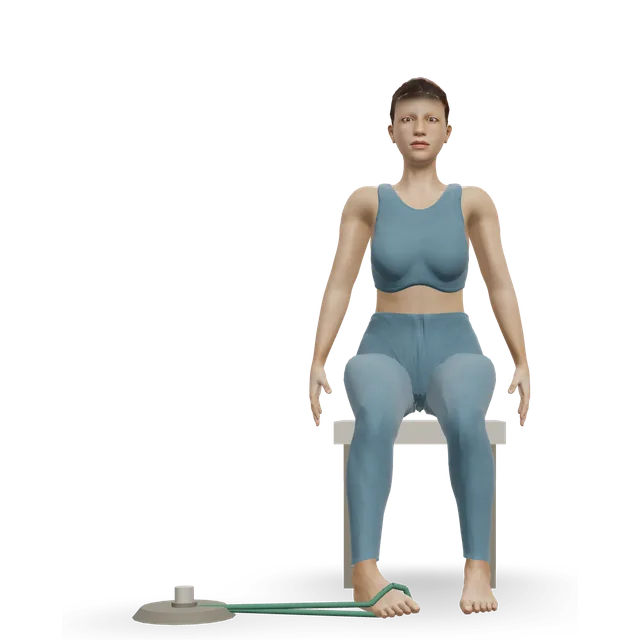
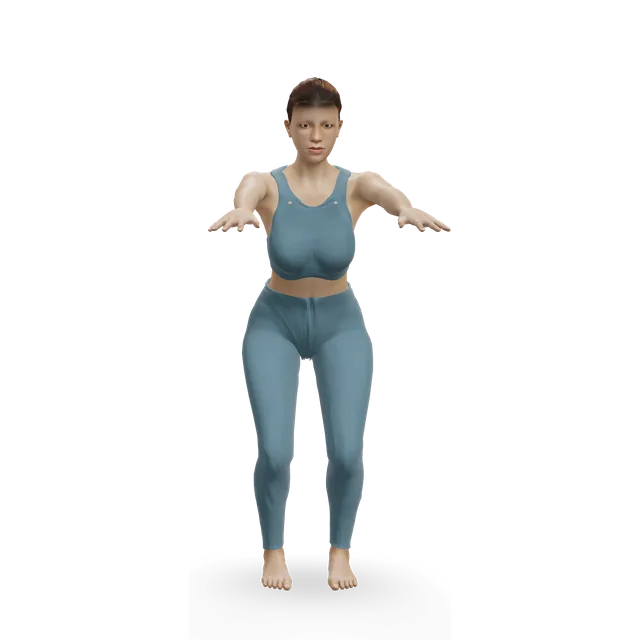
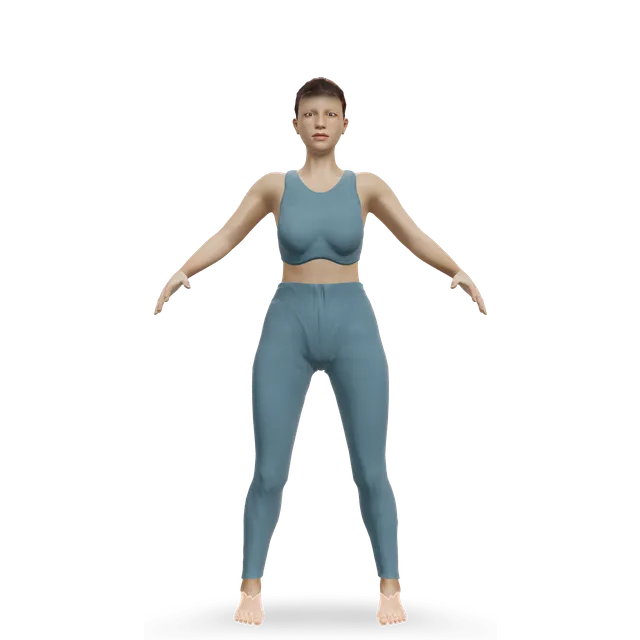
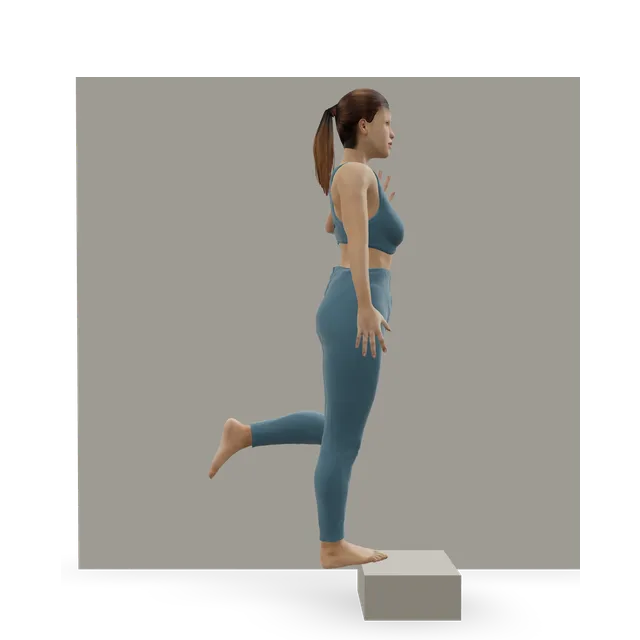
Start at the first stage. Each move opens a full guide with a 3D demo.
Stage 1
Get it checked, then settle (about the first week)
A broken bone ruled out first. If a clinician manipulates the cuboid, no running, hopping or vigorous weight-bearing for several days. Use taping or a cuboid pad if you're given one, and supportive, well-fitting shoes. The NHS advice for foot pain applies too: rest and raise the foot, use ice, wear roomy shoes with a soft sole, and take simple painkillers.
Move on when: Single-leg calf raises and a full day of walking are comfortable.
Follow along: a timer, a cue and the next move, one step at a time.
Stage 3
Hops and back to sport (about weeks 2 to 6)
Straight-line running before side-to-side work, because side-to-side moves bring it on. Dancers return through the stages of a published return-to-ballet protocol whose foot and ankle stages include midfoot sprains (in the notes below).
Move on when: Hops, side-to-side moves, rising onto the toes and your sport are comfortable the next day. If it isn't clearly better within a week or two of treatment, or keeps coming back, get it re-examined.
Follow along: a timer, a cue and the next move, one step at a time.
What to change for now
Before and after a manipulation
Get a broken bone ruled out first: after a twist, clinicians use the Ottawa ankle rules to decide on an X-ray. Manipulation is a clinician's technique, and we don't describe how to do it on yourself: no source supports self-manipulation, and doing it skips the step of ruling out a fracture. Afterwards, allow several days without running or jumping.
Low-Dye taping or a felt pad under the cuboid (3 to 6 mm thick and about 4 cm wide, not reaching past the bony bump on the outer edge of the foot) are used to stop it coming back; a physiotherapist or podiatrist can fit them. Supportive, well-fitting shoes help, and orthoses may be suggested if your feet roll in. None of these has been tested in a trial.
Side-to-side movements and pushing off bring it on, a review notes. Run in straight lines first, add gentle turns, and leave cutting and side hops until straight-line running and hopping are comfortable (our suggestion).
These stages come from a return-to-ballet protocol for foot and ankle injuries, published in a 2022 review; its foot and ankle stages name midfoot sprains among the injuries they cover. It is expert opinion and hasn't been tested in a trial. Start once you can balance on the sore leg for 30 seconds, movement is pain-free and strength is within 80% to 90% of the other side, and follow your teacher's or physiotherapist's plan if they have one.
1. In trainers or jazz shoes: demi-plié to half range, tendus, rond de jambe à terre, and relevé on two feet. Any single-leg work uses the sore leg as the working leg, not the supporting leg.
2. Full demi-plié, building to grand plié; dégagé; relevé on one foot; bourrée; développé and arabesque. Turns only with the sore leg as the working leg.
3. Full barre without restriction; fondu, and turns with the sore leg as the supporting leg, singles first.
4. Fouetté and à la seconde turns on the sore leg; small jumps without beats, such as glissade, pas de chat and changement.
5. Small jumps with beats and all petit allegro except temps levé.
6. Grand jeté, tour jeté, saut de chat and temps levé, and partner work. Pointe work can start once this stage is pain-free.
Pain on the outer side of the midfoot, over the cuboid bone, thought to come from a subtle disturbance of the joint between the cuboid and the heel bone after a sprain or overuse. Whether the bone actually shifts has never been shown.
How good is the evidence?
Thin: mostly reviews and case reports, plus one case series of 7 people, with no trials and no proven test. How common it is isn't reliably known either.
Where does it hurt?
On the outer edge of the midfoot, often like a sprain, and worse when you push off, hop, go on tiptoe or move side to side. The cuboid bone itself is usually tender, and many people limp.
Will an X-ray show it?
No: X-rays and scans haven't helped diagnose it, partly because the way these bones line up varies between normal feet. But an X-ray is used to rule out a broken bone first, and some cuboid fractures only show on an MRI or a bone scan.
Does manipulation work?
In the one case series, all 7 athletes returned to sport after one or two manipulations. The rest of the evidence is case reports, and manipulation has never been tested against a sham treatment or exercise.
Can I do the cuboid whip on myself?
We don't advise it. It's a clinician's technique, it should only be done once a broken bone and other problems have been ruled out, and no source supports doing it yourself.
Who shouldn't have manipulation?
Reviews list people with a possible fracture, bone disease or a tumour, inflammatory arthritis, gout, or nerve or blood-vessel problems. After a sprain, it should wait until the swelling and bruising have largely gone.
Do taping and a cuboid pad help?
They're commonly used, along with insoles, to stop it coming back after manipulation, but they haven't been tested. A physiotherapist or podiatrist can fit a felt pad under the cuboid if you want to try one.
How long does it take?
In the case series, people returned to sport within one or two treatments, and pain that has lasted longer may take more. If it isn't better within a week or two of treatment, get it re-examined.
Is it cuboid syndrome or peroneal tendinopathy?
Peroneal tendon pain runs along the tendons behind and below the outer ankle bone, while cuboid pain sits further forward on the outer midfoot. They can occur together, and a painful os peroneum is another look-alike.
Is it cuboid syndrome or a broken bone?
After rolling your ankle, tenderness on the bump halfway along the outer edge of the foot, or not being able to take 4 steps, needs an X-ray. One spot of bone pain that hurts with every step and later at night can be a stress fracture.
Exercise education, not a diagnosis or treatment plan. It is written from the guidelines and studies listed above; review by a clinician is pending. If your pain follows an injury, is severe, is getting worse, or comes with any warning sign listed on this page, get it assessed. Health disclaimer.