Sports training
Strength workout for dancers: feet, hips, hamstrings, trunk and landings
In the one randomised injury trial in professional ballet, dancers did three different 30-minute sessions a week of hip, trunk, hamstring, foot and balance exercises. Those who kept it up for at least 4 weeks in a row were injured much less often, although only about half managed it and the trial was small. This session puts the trial's exercises and doses into one workout, with landings added. Strength training made professional ballerinas stronger without changing their thigh size. Do it twice a week on lighter dance days, or split it across the week as the trial did.
Warm-up
- Standing march60 sBeginner · Hip flexors, Abs, Glutes · 3D demoSwing the armsHarder: Standing band hip flexion
- Ankle CARs (controlled articular rotations)5 circles each way, each ankleBeginner · Calves, Shins · 3D demoSlow and bigEasier: Ankle circlesHarder: Toes-tucked kneeling (toe squat)
- Standing hip CARs3 slow circles each legBeginner · Glutes, Hip flexors, Hip abductors · 3D demoHold the barreHarder: 90/90 hip lift-off
- Beginner · Quads, Glutes, Hamstrings · 3D demoFeet parallelEasier: Sit squat (partial squat)Harder: Dumbbell goblet squat




Feet and calves
Rest 30 to 45 s
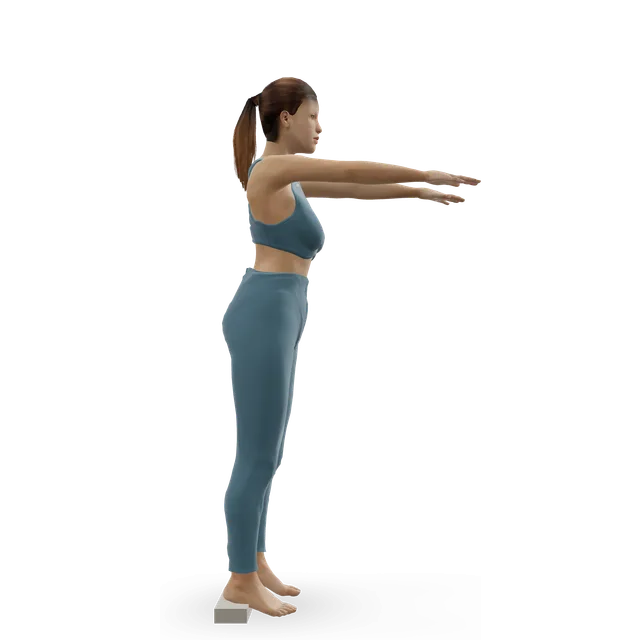
- Single-leg calf raise from a step2 × 12 each legIntermediate · Calves · 3D demoRise high over the big toe and lower for 3 secondsEasier: Slow calf raiseHarder: Single-leg pogo hops
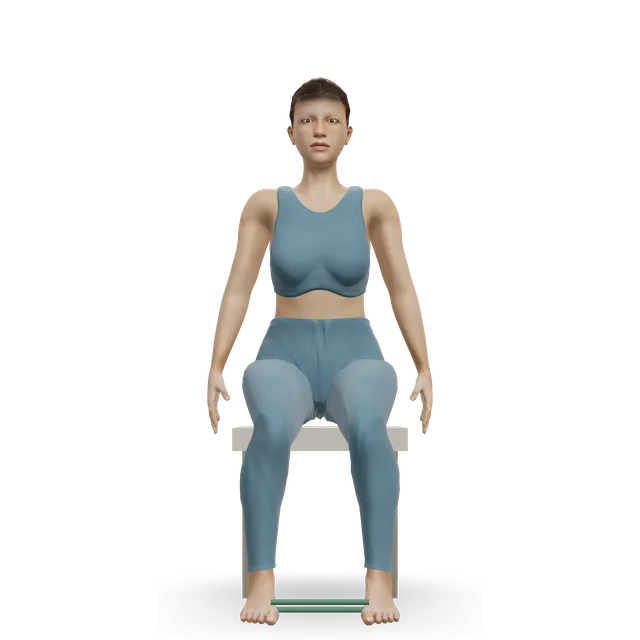
- Band ankle eversion3 × 10 each footBeginner · Calves, Shins · 3D demoThe trial's band exercise: point the foot, turn the sole out against the band, then return slowlyEasier: Isometric ankle eversion against a wallHarder: Pogo hops
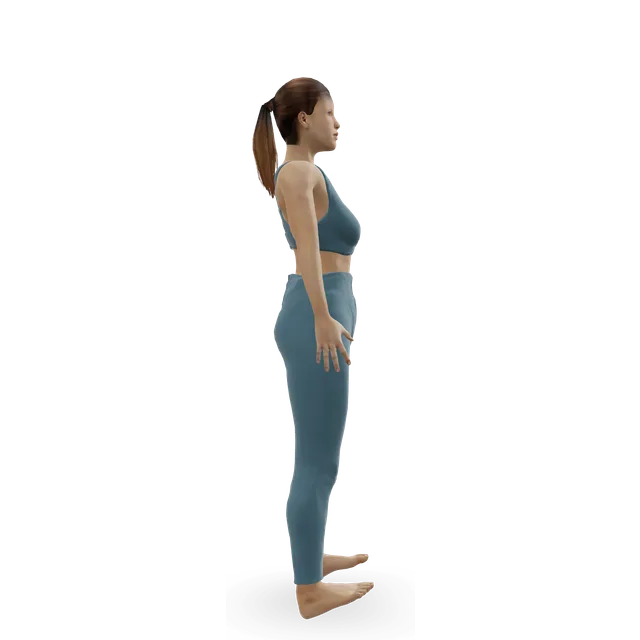
- Tibialis raise3 × 10Beginner · Shins · 3D demoStand-in for the trial's band foot flexion: lift the toes, then lower them slowlyHarder: Single-leg tibialis raise

Hips and trunk
Rest 30 to 45 s
- Clamshell3 × 15 each sideBeginner · Hip abductors, Glutes · 3D demoStand-in for the trial's fire hydrants (side leg lifts on all fours). Keep the pelvis still; add a band round the knees when it's easyHarder: Lateral band walk
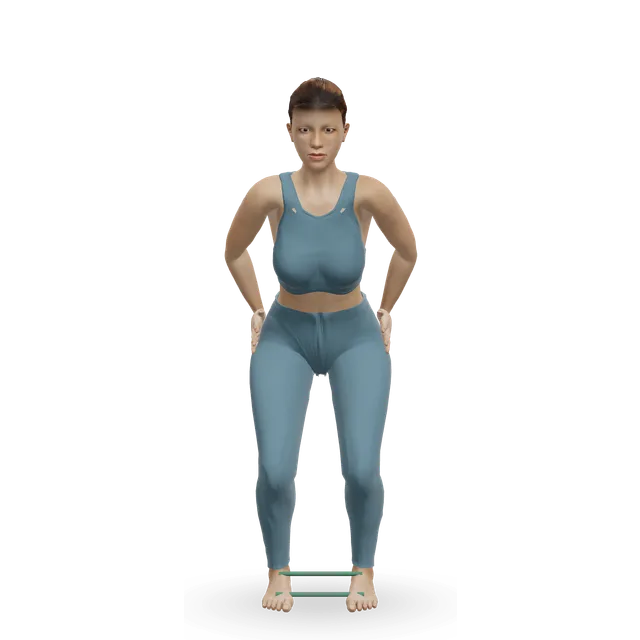
- Lateral band walk, band at the feet3 × 15 steps each wayIntermediate · Hip abductors, Glutes, Quads · 3D demoBand round the ankles, feet parallel, knees over the toesEasier: Lateral band walkHarder: Side plank with leg lift
- Side plank2 × 30 s each sideIntermediate · Abs, Hip abductors, Shoulders · 3D demoRest 30 s between holds. Add 15 s when it's easy, up to 90 sEasier: Knee side plankHarder: Side plank with leg lift
- Dead bug2 × 20Beginner · Abs, Hip flexors · 3D demoAlternate sides with your lower back pressed down; go to 3 sets when it's easyHarder: Forearm plank



Hamstrings and thighs
Rest 30 to 60 s
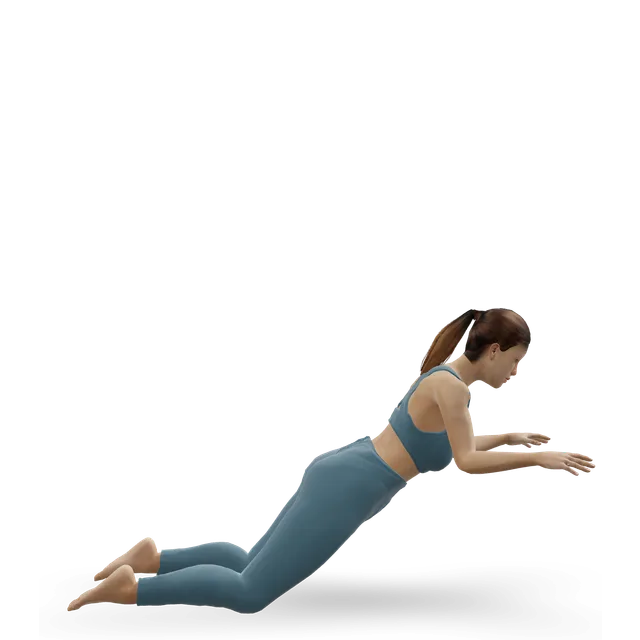
- Nordic curl3 × 10Advanced · Hamstrings, Glutes · 3D demoLower as far as you can control, then catch yourself into a push-up position. Add 2 reps a set when it's easyEasier: Slider hamstring curlHarder: Full Nordic curl
- Glute bridge3 × 15Beginner · Glutes, Hamstrings, Abs · 3D demoSqueeze a ball between your knees and keep the pelvis levelEasier: Pelvic tilt into bridgeHarder: Glute kickback (quadruped hip extension)
- Intermediate · Quads, Glutes, Adductors · 3D demoThe trial's slant board squats: bend to about 60° at the knee, knees over the middle toesEasier: Bodyweight squatHarder: Deep squat hold
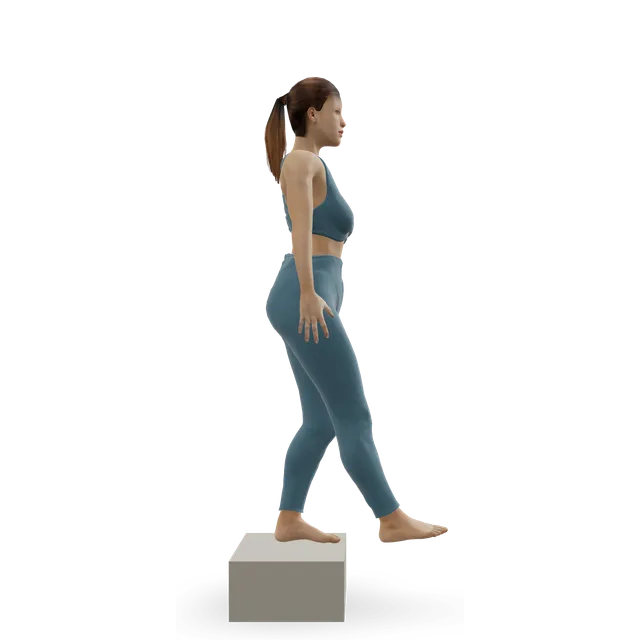
- Patrick step-down3 × 10 each legIntermediate · Quads, Glutes, Hip abductors · 3D demoFrom a 15 to 20 cm step, slowly, with the pelvis levelEasier: Bodyweight squatHarder: Skater squat

Balance and landings
- Single-leg stand3 × 30 s each legBeginner · Hip abductors, Calves, Glutes · 3D demoEyes closed when you're steady. Then turned out, then on demi-pointe, as the trial progressedEasier: Tandem stance and heel-to-toe walkHarder: Single-leg reach matrix
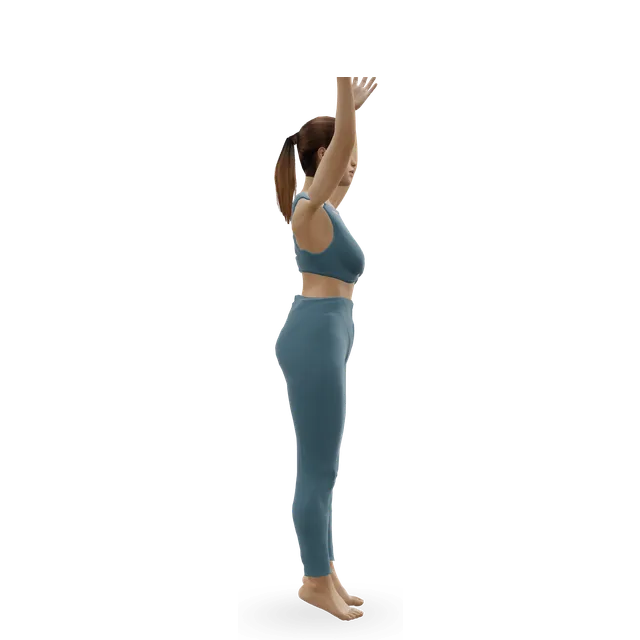
- Snapdown to athletic landing2 × 5, hold each landing for 2 sBeginner · Quads, Glutes, Hamstrings · 3D demoQuiet landing, knees over the middle toesHarder: Box drop landing
- Single-leg hop and stick3 × 5 each legIntermediate · Quads, Glutes, Calves · 3D demoLand through the foot to the heel and holdEasier: Standing broad jump with stuck landingHarder: Alternate-leg bounding


Cool-down
- Standing quad stretch3 × 15 s each sideBeginner · Quads, Hip flexors · 3D demoGentleHarder: Couch stretch
- Wall calf stretch (gastrocnemius)3 × 15 s each sideBeginner · Calves · 3D demoStand-in for the trial's heel stretch on a stepEasier: Seated calf stretch with a towelHarder: Toes-tucked kneeling (toe squat)
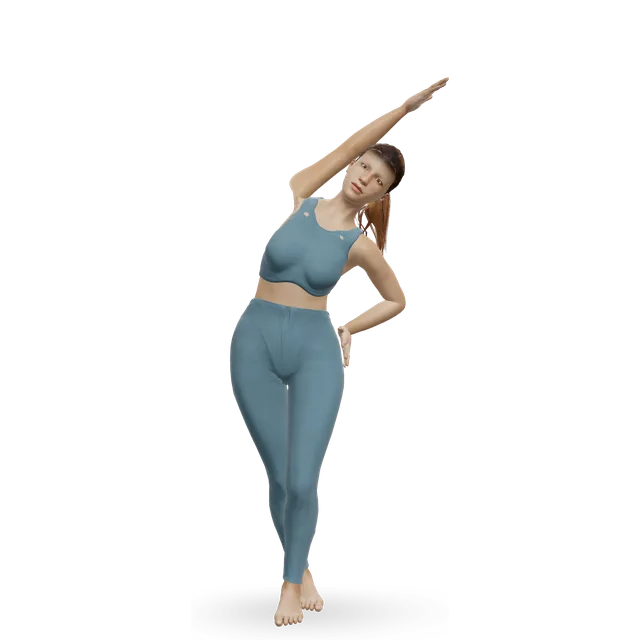
- Standing crossed-leg side reach3 × 15 s each sideBeginner · Hip abductors, Abs, Back · 3D demoThe trial's outer hip stretchEasier: Overhead side bendHarder: Gate pose (Parighasana)


Tips
- Twice a week on lighter dance days, or split it into three shorter sessions on non-consecutive days, as the ballet trial did.
- Keep it going: in the trial, the benefit came in dancers who kept it up for at least 4 weeks in a row, and only about half managed that.
- Strength training made professional ballerinas stronger without changing their thigh size or body weight.
- Very flexible? Keep your knees and elbows soft rather than locked, and work in the middle of your range, as our hypermobility guide explains.
- No heavy leg work or big jump sessions in the 48 hours before a performance.
- Periods that stop, bone pain in one spot, or worries about food mean seeing a GP; you can also talk in confidence to the eating disorder charity Beat: 0808 801 0677 (England), 0808 801 0432 (Scotland), 0808 801 0433 (Wales) or 0808 801 0434 (Northern Ireland), 3pm to 8pm, Monday to Friday.
The doses are suggested starting points, not a prescription. Choose a range you can control and stop for sharp or increasing pain, numbness or tingling. Get individual advice after an injury or surgery, or if you are pregnant or managing a health condition.
Guides that recommend it
Find more moves like these
More sports training

Injury prevention exercises for runners
Foot, calf, balance and hop exercises taken from the running trials with positive results, in a 25-minute home routine for 3 or 4 days a week.
25 minBeginner11 movesOther / check instructions, A bench or box


Plyometrics for runners
A 20-minute hop and bound session for runners: ankle bounces to pogo hops, one-leg hops and bounding, building foot contacts slowly over 10 weeks.
20 minIntermediate8 movesCardio machine

Strength workout for cyclists (gym)
A 50-minute gym session for cyclists: heavy squats, one-leg presses, hip flexion and calf raises as in the cycling trials, plus jumps for bone.
50 minIntermediate13 movesCardio machine, A barbellQuestions people ask
How long does the strength workout for dancers: feet, hips, hamstrings, trunk and landings take?
About 55 minutes, including any warm-up and cool-down listed. Shorten it by doing fewer rounds; lengthen it by adding one.
What equipment do I need?
You need: A wall, A step, A band, A bench or box, An anchor point. Each move links to its guide, where you can find an alternative if you are missing something.
Is it suitable for me?
It is written at intermediate level. 14 of its 21 moves have an easier option listed beside them; use them freely.
How do I make it easier or harder?
Use the easier or harder option listed under each move, change the number of rounds, or adjust the rest. Progress one change at a time.