Exercise guide

Pelvic floor exercises (Kegels) for women and men: how to do them and what they help

Your pelvic floor is the sling of muscle at the base of your pelvis. It supports your bladder and bowel, keeps you dry when you cough or lift, and helps with sex. Training it is the first treatment for leaking: in trials of women who leaked with coughs, sneezes or exercise, 56% of those who trained reported a cure, against 6% of those who didn't. For men leaking after prostate surgery it is recommended too, though the trial results are more mixed.

The method is slow holds and quick squeezes, at least 3 times a day, for at least 3 months. Our 3D figure can't show these internal muscles, so this guide uses written steps, with checks for women and for men. If you have pelvic pain, pain with sex or trouble emptying your bladder or bowel, more squeezing may not help.

This guide gives you the steps, the evidence for women and for men, a plan for leaking when you run, jump or lift, a relaxation routine for a tight pelvic floor, and the warning signs that need a doctor.

The short version

The first treatment for leaking

Pelvic floor exercises are the first treatment for leaking. In women who leak when they cough, sneeze, jump or lift, training made a cure about 8 times more likely: 56% against 6%, in high-quality trials. NICE (the National Institute for Health and Care Excellence) recommends a supervised course of at least 3 months for women with stress or mixed leaking, and for men who leak after prostate surgery.

Sources 1, 2, 3

How to do them

Squeeze and lift as if you were stopping yourself passing wind and peeing at the same time, without clenching your buttocks or holding your breath. Do slow holds, building up to 10 holds of 10 seconds, then quick squeezes, building up to 10, at least 3 times a day. Don't practise by stopping your pee mid-flow.

Sources 4, 5, 6, 7

Give it 3 months

POGP, the UK's pelvic health physiotherapists, says to expect an improvement in 3 to 5 months for women and 3 to 6 months for men. Squeezing just before you cough or lift, known as the knack, can cut leaks within a week.

Sources 2, 5, 6, 8

Not every pelvic floor needs strengthening

Pelvic pain, pain with sex, or trouble starting to pee or emptying your bowel can mean the muscles are too tight. Then the first treatment is physiotherapy aimed at relaxing them, and more squeezing can make things worse.

Sources 9, 5

Leaking when you exercise is common and treatable

About a third to 4 in 10 women athletes leak. In women who do CrossFit-style training, 16 weeks of daily home pelvic floor exercises improved leaking for 64%, against 8% of those who didn't train. You don't have to stop exercising.

Sources 10, 11, 12

Gadgets add little

Adding biofeedback to training made little or no difference in a review of 41 studies, and electrical stimulation has not been shown to beat training alone. A reminder app helped women keep going in a trial.

Sources 13, 14, 15, 16

What the pelvic floor is, and what goes wrong

Our guide to the pelvic floor muscles has the anatomy in detail.

A sling of muscle

The pelvic floor runs from the pubic bone at the front to the tailbone at the back. It supports the bladder and bowel, and the womb in women. It squeezes to keep the bladder and bowel closed when you cough, sneeze or lift, and relaxes to let you pee and poo. In men, parts of it wrap around the valves below the bladder and prostate to help keep them closed.

It matters for sex too: POGP says good pelvic floor muscles help men keep an erection, and can improve vaginal sensation.

Sources 5, 6

It moves with your breathing

On scans of 8 women, the pelvic floor moved down with each breath in and up with each breath out, in step with the diaphragm. That is why the relaxation steps on this page use the in-breath. NICE counts both squeezing and letting go as part of pelvic floor training, and asks that supervision checks both.

Sources 17, 18

Types of leaking

The NHS describes the main types:

  • Stress incontinence: leaking when the bladder is under pressure, for example when you cough, laugh or lift.
  • Urge incontinence: leaking as you feel a sudden, intense need to pee, or soon afterwards.
  • Mixed incontinence: both of these.
  • Overflow incontinence: frequent leaking because the bladder can't empty fully.

Source 19

How common it is

Up to a third of women have a pelvic floor problem at some point; leaking with effort and prolapse are the most common. In a survey of 19,165 adults in five countries, 9.4% had urinary incontinence and 11.8% an overactive bladder, which was about as common in men as in women. Symptoms after peeing, such as dribbling, affected 16.9% of men and 14.2% of women.

Of men offered surgery to remove the prostate for cancer, about 19 in 100 reported moderate to severe leaking at 6 months and 13 in 100 at 6 years, in the trial figures NICE uses.

Sources 5, 20, 21

What raises the risk

For women, NICE lists things you can change, such as smoking, too little exercise, constipation, diabetes and a higher weight, and things you can't, such as age, family history, and pregnancy and birth, including an assisted birth or a tear into the muscle around the back passage. For men, POGP lists prostate surgery or radiotherapy to the pelvis, a higher weight, constipation, heavy lifting or a long-term cough, nerve conditions such as multiple sclerosis or stroke, and long spells of pressure between the legs, such as long bike rides.

Sources 18, 6

Women and men

The muscles train the same way in both sexes, so this guide gives one method with separate checks. Most of the trials are in women; the trials in men are fewer, mostly after prostate surgery, and mixed. Leaking in heavy lifters is far more common in women (50% against 9.3% of men in one survey), but an overactive bladder is about as common in men, and men also get dribbling after peeing.

Sources 1, 22, 23, 20

What the evidence says: leaking and prolapse

Most pelvic floor trials are in women. The evidence for men has its own section below.

Leaking with coughs, sneezes, jumps or liftsStrong evidence

A Cochrane review of 31 trials and 1,817 women found that women with stress incontinence who trained were about 8 times more likely to report a cure: 56% against 6% (4 trials, 165 women, high-quality evidence). Cure or improvement: 74% against 11%. Training also cut leaks by about one a day and improved quality of life, and side effects were rare and minor. Most trials were small and short, so the long-term effect is less certain.

NICE recommends a supervised course of at least 3 months as the first treatment for stress or mixed leaking, with at least 8 squeezes 3 times a day, and carrying on if it helps.

Sources 1, 2, 18

Deliberate squeezes beat general exerciseEmerging evidence

In a 2024 Cochrane review of 63 trials, exercise with deliberate pelvic floor squeezes did better than exercise without them, and squeezing during body movements may add a little (low-certainty evidence). Group and one-to-one supervision worked about equally well. Whether supervision in a clinic beats training at home is very uncertain.

Sources 24, 18

Urge and mixed leakingMixed evidence

Trials of pelvic floor training for urge leaking are scarce: the Cochrane review found one small trial of urge leaking and one of mixed leaking, with no cure data. For urge or mixed leaking, NICE's first treatment is bladder training for at least 6 weeks, with pelvic floor training added for mixed leaking, and cutting down on caffeine.

A squeeze can still help with an urge: POGP suggests sitting down if you can, squeezing your pelvic floor to help the bladder settle, and waiting for the urge to pass. Don't cut down on drinks to avoid trips to the toilet: concentrated urine can irritate the bladder.

Sources 1, 2, 18, 5, 4

ProlapseStrong evidence

A prolapse is when the womb, bladder or bowel bulges into the vagina. In the POPPY trial of 447 women with a newly diagnosed prolapse, one-to-one pelvic floor training reduced symptoms more than a leaflet of advice at 12 months, though the difference was modest. In the PREVPROL trial of 414 women with a prolapse they hadn't sought treatment for, five physiotherapy appointments over 16 weeks plus classes led to slightly fewer symptoms 2 years later. Pooled trials show a benefit in the short term; longer-term effects, and effects in women over 55, are less clear.

NICE suggests at least 16 weeks of supervised training as a first option for a mild prolapse, and a pessary is another option. The NHS advises doing pelvic floor exercises and avoiding heavy lifting, running and trampolining if you have a prolapse.

Sources 25, 26, 27, 2, 28

Pregnancy, after birth and the menopauseStrong evidence

In women without leaks, pelvic floor training in pregnancy cut the risk of leaking late in pregnancy by 62% and 3 to 6 months after the birth by 29%. NICE encourages training in pregnancy and after birth. After the menopause, POGP says pelvic floor training combined with vaginal hormone treatment has been shown to be safe and effective. Our pregnancy, after-birth and menopause guides have the detail.

Sources 29, 18, 5

Biofeedback adds littleStrong evidence

Biofeedback uses a probe or skin sensors to show your squeeze on a screen. In a Cochrane review of 41 studies and 3,483 women, adding it to training made little or no difference to quality of life (high-certainty evidence). In the OPAL trial of 600 women, leaking was no better 2 years later with biofeedback, and the authors advise against using it routinely. NICE agrees, except for people who can't squeeze their pelvic floor at all. The NHS says the feedback may help some people stay motivated.

Sources 13, 14, 2, 30

Electrical stimulation and devicesMixed evidence

Electrical stimulation is probably better than no treatment, but it has not been shown to beat pelvic floor training, and adding it to training showed no clear benefit (low-quality evidence). NICE suggests it, or biofeedback, only if you can't squeeze your pelvic floor at all. Training with a resistance device was no better than without, and most side effects in trials came from devices placed in the vagina or back passage.

Sources 15, 24, 2, 18

Apps and remindersEmerging evidence

In a Swedish trial of 123 women with stress leaking, an app-based programme improved symptoms more than waiting did after 3 months, and almost all were still training. NICE suggests considering apps and videos. The NHS Squeezy app, which Prostate Cancer UK recommends, has reminders, a bladder diary and a pre-set plan that follows NICE guidelines.

Sources 16, 24, 18, 31, 7

How to do pelvic floor exercises

These steps follow the NHS, POGP and Prostate Cancer UK. If you can't feel a squeeze at all, a pelvic health physiotherapist can check.

Find the muscles

Sit or lie comfortably with your thighs, buttocks and tummy relaxed. Squeeze and lift as if you were stopping yourself passing wind and peeing at the same time. A little tightening low in your tummy is normal, but don't clench your buttocks or pull your tummy in hard, and keep breathing.

Sources 4, 5, 6, 7

Check it: women

With a mirror, the skin between your vagina and back passage should move up and in as you squeeze. Or put a finger in your vagina: you should feel the muscles tighten around it. If you see anything bulge, stop, and get help from a pelvic health physiotherapist.

Source 5

Check it: men

In a mirror, the base of your penis should draw in and your testicles lift as you squeeze. Or put your fingers on the skin behind your scrotum: the muscles should lift away from them. If you feel them push down, you aren't doing it right yet. POGP says breathing is easier if you lift on the out-breath.

Sources 6, 7

Slow holds and quick squeezes

Our routine: 8 slow holds of up to 10 seconds, relaxing fully for as long as you held, then 8 quick squeezes, letting go straight after each one. Do it 3 times a day. That meets NICE's minimum of 8 squeezes 3 times a day.

Over the weeks, build up towards 10 slow holds of 10 seconds and 10 quick squeezes, as POGP and Prostate Cancer UK suggest. If you can only hold for a few seconds, start there: POGP's advice for men is to count how long you can hold and how many times you can repeat it, and start with that.

Start lying down or sitting, then move on to standing, then to squeezing during everyday movements such as walking and bending.

Sources 2, 5, 6, 7

How long until it worksStrong evidence

Give it at least 3 months before you judge it, as NICE and the NHS advise. POGP says to expect an improvement in 3 to 5 months for women and 3 to 6 months for men; Prostate Cancer UK says it can take up to 3 months to notice a real difference. Once it helps, keep going: POGP suggests once a day to keep the improvement, and NICE says long-term training helps keep symptoms away.

Sources 2, 30, 5, 6, 7, 18

Squeeze before you cough or lift: the knackEmerging evidence

Tighten your pelvic floor just before and during anything that makes you leak: a cough, a sneeze, lifting, or getting up from a chair. In a small trial of 27 women with mild to moderate stress leaking, a week of practising this cut leakage from a medium cough by 98% and from a deep cough by 73%.

Sources 8, 5, 6, 7

Don't practise by stopping your pee

POGP says not to practise by stopping your flow. Prostate Cancer UK says you can try it once or twice to find the right muscles, but doing it all the time could cause problems emptying your bladder.

Sources 5, 7

Making it a habit

Tie the exercises to something you do every day, such as brushing your teeth or going to the toilet, or set a phone reminder or use an app. More is not always better: if you do too many, the muscles can get tired and sore, and leaking can be worse for a while.

Sources 5, 6, 16, 32

Do men without symptoms need them?Mixed evidence

Sources disagree. POGP says it is useful for men to get into the habit even without symptoms; the makers of the Squeezy app say men shouldn't do them routinely, only for a problem such as leaking after prostate surgery. No trial answers this. Our view: they matter most if you leak, dribble or are having prostate surgery, and done correctly they are unlikely to do harm.

Sources 6, 33

Your pelvic floor routine

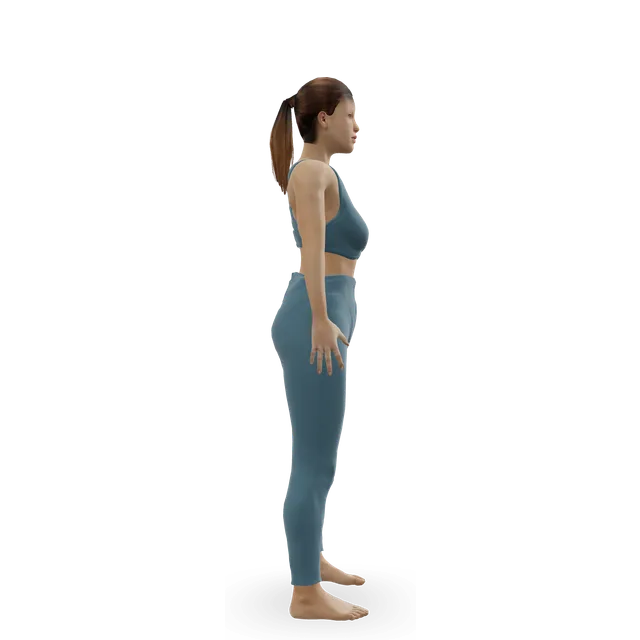
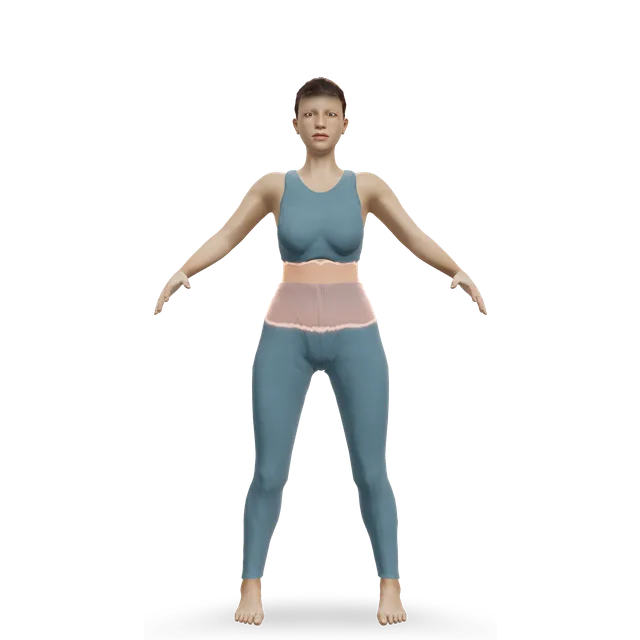
The figure can't show the pelvic floor, so the squeeze and the release have written steps: squeeze 3 times a day, let go fully after every squeeze, and use slow breathing first if you feel tense.

Workouts to follow

The 5-minute pelvic floor workout is the squeeze routine to repeat 3 times a day; the relaxation routine is for a tight pelvic floor and has no strengthening squeezes; and after a birth, the postnatal workout builds pelvic floor training into gentle exercise.

For men: prostate surgery, dribbling and erections

Before and after prostate surgeryStrong evidence

NICE recommends supervised pelvic floor training for men who leak after prostate surgery, kept up for at least 3 months before other options are considered. Men with troublesome bladder symptoms after prostate cancer treatment should be able to see a specialist continence service.

Prostate Cancer UK suggests starting the exercises 4 to 6 weeks before surgery: it helps you learn them and might help you stop leaking sooner. Don't do them while you have a catheter in; start as soon as it has been removed. If your surgery was a while ago, starting now could still help.

Sources 3, 21, 7

Leaking after prostate surgery: the trials are mixedMixed evidence

A Cochrane review of 50 trials and 4,717 men found that, for men still leaking after surgery to remove the prostate, training with or without biofeedback didn't clearly beat the comparison groups: 57% against 62% were still leaking at a year. Men improved over time whatever they did.

In the UK MAPS trials of 853 men still leaking 6 weeks after prostate surgery, four one-to-one sessions with a therapist did no better than standard care with written advice. A year on, 76% against 77% still had some leaking after removal of the prostate, and 65% against 62% after a TURP, an operation to trim an enlarged prostate. Starting the exercises before surgery helped at 3 months, but not at 6 or 12.

Sources 22, 34, 35

What this means for you

Do the exercises: NICE recommends them and they are low risk. Start before surgery if you can, and don't expect them to stop leaking quickly: it usually eases over months. If it is still bothering you, ask for a referral to a continence service, which has other treatments, including surgery for leaking that doesn't improve.

Sources 3, 21, 7, 22

Dribbling after peeingEmerging evidence

After-dribble is the leak of a few drops after you think you've finished. Squeeze your pelvic floor strongly straight after peeing to clear the last drops. In a trial of 49 men, 12 weeks of pelvic floor exercises reduced the leak more than urethral milking did, and both did better than advice alone. In a trial of men with erection problems, 27 of the 36 who also had dribbling (75%) were free of it after 6 months of exercises that included this squeeze.

Urethral milking is the other method NICE suggests: the NHS describes pressing gently with your fingertips about 3 finger widths behind your scrotum after peeing, moving them forwards and upwards towards the base of your penis. If the dribbling is new, or comes with a weak flow, straining or needing to pee more often, see a GP: these can be signs of an enlarged prostate.

Sources 6, 7, 36, 37, 3, 38

Erection problemsEmerging evidence

In a UK trial of 55 men with erection problems, five physiotherapy sessions with biofeedback plus daily home exercises improved erections more than lifestyle advice alone at 3 months. After 6 months, 40% had normal erections, 35.5% had improved and 24.5% had not. The home routine was 3 strong squeezes lying, sitting and standing, morning and evening, a half-strength lift while walking, a strong squeeze after peeing, and squeezing during sex.

A review of 10 small trials was encouraging, with no best routine. After prostate removal the results are inconsistent: 4 of 12 trials found a benefit and 7 found none. Aerobic exercise helps too: across 7 trials of 478 men, exercise improved erection scores, especially moderate to vigorous aerobic exercise. Our guide to exercise for men covers that side.

Sources 39, 40, 41, 42, 43

See a GP about erection problems tooStrong evidence

The NHS's main treatments are lifestyle changes and tablets, and it doesn't list pelvic floor exercises. Erection problems that keep happening can be a sign of a treatable condition such as high blood pressure, high cholesterol or diabetes, so see a GP or a sexual health clinic as well as doing the exercises.

Source 44

When the pelvic floor is too tight: don't just do more Kegels

Signs it may be too tight

Squeezing may not be the answer if you have:

  • Pelvic pain.
  • Pain during or after sex.
  • Trouble starting to pee, a slow flow, or trouble emptying your bowel.
  • Pain during or after pelvic floor exercises.

Sources 9, 5

What the evidence saysEmerging evidence

A tight (overactive) pelvic floor is found in 60% to 90% of women with long-term pelvic pain. In a 2024 consensus, 11 US experts agreed that the first treatment is pelvic floor physiotherapy for at least 8 to 12 weeks, aimed at relaxation rather than strengthening, and warned that a focus on strengthening can make it worse.

In a trial of 81 women with bladder pain and a tender pelvic floor, 10 sessions of hands-on, relaxation-focused physiotherapy helped 59%, against 26% with general massage. A smaller trial that included 23 men found 57% against 21%. NICE asks that supervised training checks you can relax the pelvic floor as well as squeeze it.

Sources 9, 45, 46, 18

What you can do meanwhile

Stop adding squeezes until you've been assessed. Practise letting the pelvic floor soften as you breathe in, since it moves down with each in-breath: the relaxation move and routine on this page show how. POGP says it is just as important for the pelvic floor to relax as to be strong. On the toilet, sit fully rather than hovering, with a small step under your feet, and don't strain; treating constipation helps too. For people who can't get to a physiotherapist, the experts suggest guided relaxation at home. These steps are low risk, but no trial has tested them on their own.

Sources 5, 17, 9, 18

Who to see, and referring yourself

See a pelvic health physiotherapist (also called a women's or men's health physiotherapist), through your GP or, in some areas, by referring yourself. The NHS says you can sometimes refer yourself to a continence service, and POGP lists specialist physiotherapists on its website. A private physiotherapist should be chartered and registered with the Health and Care Professions Council (HCPC). Men with long-term pelvic pain may see a urologist; treatment for chronic prostatitis can include physiotherapy and cognitive behavioural therapy (CBT).

Sources 5, 6, 30, 47, 48

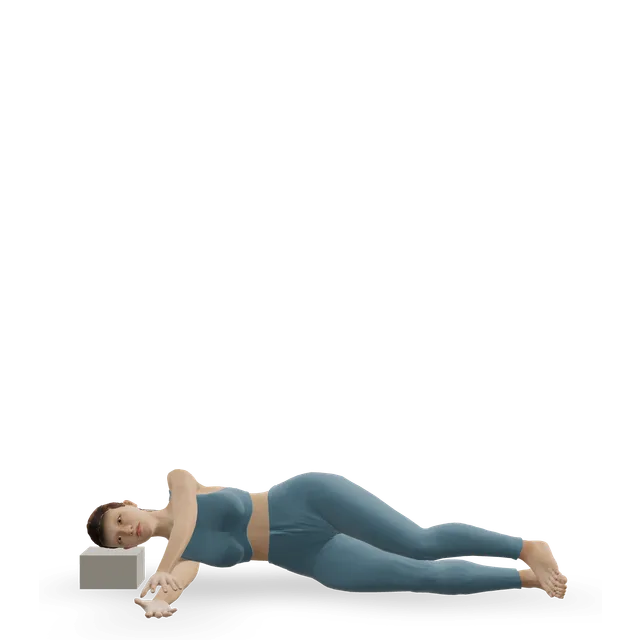
Relaxation positions

No trial has tested these positions for the pelvic floor, but they are comfortable places to practise letting go as you breathe in, for 1 to 2 minutes each (our suggestion).

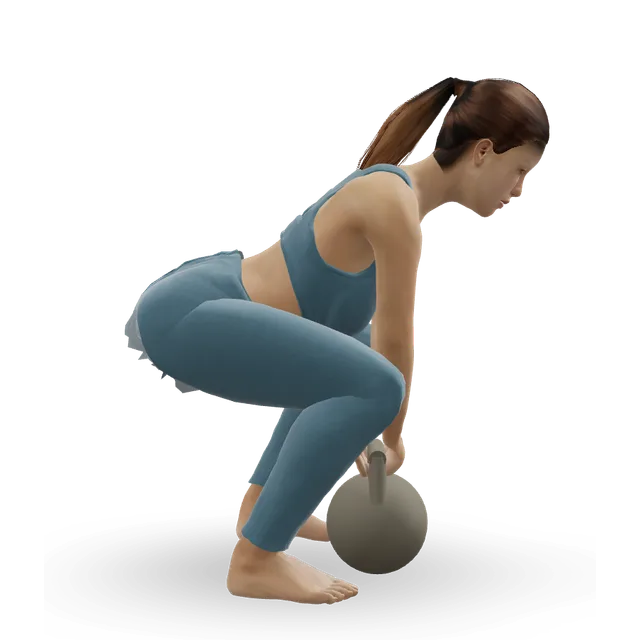
Leaking when you run, jump or lift

After a birth, use the return-to-running checks in our guide to exercise after giving birth. Our guide to strength training for women covers training in general.

Common, even in fit young womenEmerging evidence

About a third to 4 in 10 women athletes leak. A 2018 review of 8 studies put it at 36%, nearly three times the rate in women who don't do sport. A 2026 review of 32 studies of 4,649 women athletes aged 18 to 45, most of whom hadn't had children, found 39%. More hours of training a week went with more leaking, about 6% higher odds for each extra hour, while the type of sport made little difference.

In Norwegian national-level powerlifters and weightlifters, 50% of women and 9.3% of men reported leaking. Across five studies of 1,809 women who lift, 37% to 54% leaked, most often during deadlifts and squats.

Sources 10, 11, 23, 49

Leaking makes people stopEmerging evidence

In a survey of 4,556 women with pelvic floor symptoms, 46% had stopped a form of exercise because of them, and many had cut back or switched to low-impact exercise. Keeping you active is the point of this section.

Source 50

Training helpsEmerging evidence

In a trial of 47 women who do CrossFit-style training, 16 weeks of home pelvic floor exercises (3 sets of 8 to 12 hard squeezes a day, with a weekly reminder) improved leaking for 64%, against 8% of those who didn't train. Small studies of young female athletes also found less leaking with training, especially when a physiotherapist supervised it. Squeezing before a jump or lift, the knack, helps while you build up.

Sources 12, 51, 8, 5, 7

Heavy lifting and the pelvic floorEmerging evidence

An hour of heavy squats and deadlifts didn't weaken the pelvic floor in the short term in 47 strength-trained women who hadn't had children. In 37 trained women who had given birth, a heavy squat session caused only small, short-term changes in how the pelvic organs were held. Whether hard exercise causes or worsens prolapse is unclear: the studies disagree, and the threshold almost certainly differs between women.

With a diagnosed prolapse, follow the NHS advice to avoid heavy lifting, running and trampolining until a pelvic health physiotherapist has given you an individual plan.

Sources 52, 53, 54, 28

Where the advice differs

The NHS self-help page suggests swapping jogging and aerobics for Pilates and avoiding lifting whenever you can, and POGP suggests low-impact exercise while you leak. But NICE says there is no evidence that activity such as walking or swimming, done on your own, makes pelvic floor symptoms better or worse, and exercise without deliberate pelvic floor squeezes works less well than squeezes. So treat lower impact as a short-term step while you train, not a permanent ban.

Sources 4, 5, 18, 24

A plan to keep exercising

Our suggestion, built on the studies above:

  • Keep exercising, and train your pelvic floor every day.
  • Squeeze just before each jump, landing or lift, and breathe out as you lift.
  • For now, lower the impact, the load or your weekly training hours to a level where you don't leak, then build back gradually.
  • See a pelvic health physiotherapist if it isn't better after about 3 months, or a GP straight away if you feel heaviness or a bulge.

Sources 5, 11, 8, 28

Squeeze as you move

Squeeze just before you stand, lift or carry and hold it until the effort is over, starting light with 2 sets of 8, or 2 short carries (our suggestion).

Build impact back up, and cardio meanwhile

Move up one rung at a time, from heel drops to ankle bounces, pogo hops and skipping, starting with 2 sets of 10 with the knack and moving on only when the current rung causes no leaking, heaviness or pain; walk, cycle or do step jacks meanwhile (our suggestion).

Exercise while you improve

The low-impact cardio workout has no jumping, and the easy cardio workout is walking or cycling; both count towards your 150 minutes a week.

Follow a plan

The plan for women builds in 5 minutes of pelvic floor exercises a day, and the plan for women over 50 offers them daily. Men can add the 5-minute pelvic floor workout to any plan.

Warning signs, and when to see a doctor

Go to A&E or call 999

These can be signs of a serious problem with the nerves at the base of the spine (cauda equina syndrome), or of a serious infection. Don't drive yourself to A&E.

  • Numbness around or under your genitals, or around your bottom.
  • Finding it hard to start peeing, being unable to pee, or being unable to control when you pee, when this isn't normal for you.
  • Not noticing when you need to poo, or being unable to control it, when this isn't normal for you.
  • Sciatica in both legs, or weakness or numbness in both legs that is severe or getting worse.
  • With prostatitis symptoms: sudden confusion or slurred speech; blue, grey, pale or blotchy skin, lips or tongue; a rash that doesn't fade when you roll a glass over it; or severe difficulty breathing.

Sources 55, 48

Get an urgent GP appointment or call NHS 111

  • Blood in your pee, or you think there may be: it can look pink, red or dark brown, and it must be checked because it can be a sign of cancer.
  • You can't pee at all.
  • Pain when peeing along with prostate symptoms, or prostatitis that isn't better after 48 hours of antibiotics.

Sources 56, 38, 48

See a GP soon

  • Any leaking of urine. The NHS says it is common and you shouldn't feel embarrassed.
  • A lump in or around your vagina, or a feeling of heaviness or a bulge. If you see a bulge when you squeeze, stop the exercises and get help.
  • Difficulty starting to pee, a weak or stop-start flow, dribbling after peeing or needing to go more often, especially if you are a man over 50.
  • Pain in the penis, scrotum, testicles or bottom, pain when you ejaculate, or pain when peeing with a high temperature.
  • Erection problems that keep happening.
  • Pain during or after pelvic floor exercises, pelvic pain, pain with sex, or trouble emptying your bladder or bowel.
  • Leaking that isn't better after about 3 months of regular exercises, or leaking of poo as well as pee.

Sources 19, 28, 5, 38, 48, 44, 9, 2

Get checked before you rely on exercises

For women who leak, NICE suggests specialist referral when it comes with lasting pain in the bladder or urethra, a bladder that can still be felt after peeing, trouble emptying the bladder, a lump in the pelvis, leaking of poo, signs of a nerve condition, or past continence surgery, pelvic cancer surgery or pelvic radiotherapy. For men, it refers bladder symptoms that come with repeated urine infections, a bladder that won't empty, kidney problems or suspected cancer. If any of these apply to you, see a doctor rather than only doing exercises.

Sources 2, 3

Myths

"Kegels are just for women"Strong evidence

Men have a pelvic floor too, and it matters for bladder control and erections. NICE recommends supervised training for men who leak after prostate surgery, and small trials found the exercises help with dribbling after peeing and with erection problems.

Sources 6, 3, 36, 39

"Practise by stopping your pee mid-flow"

POGP says not to practise this way. Prostate Cancer UK says you can try it once or twice to find the right muscles, but doing it all the time could cause problems emptying your bladder.

Sources 5, 7

"If you leak, just do more Kegels"Emerging evidence

Not always. Urge leaking is treated first with bladder training. A tight pelvic floor needs relaxation-focused physiotherapy, and strengthening can make it worse. Doing too many squeezes can also leave the muscles tired and sore, with more leaking for a while.

Sources 2, 9, 45, 32

"Leaking is normal after children, with age or when you run, so you have to live with it"Strong evidence

It is common, but treatable: in trials, training cured stress leaking in 56% of women, against 6% without it. The NHS says incontinence is not an inevitable part of ageing, and to see a GP about any leaking.

Sources 1, 19

"Pilates or core work trains the pelvic floor as well as Kegels"Emerging evidence

Exercise without deliberate pelvic floor squeezes worked less well than squeezes in a 2024 Cochrane review (low-certainty evidence). Pilates and yoga are fine alongside, and NICE says supervised exercise such as yoga may help alongside supervised pelvic floor training, but do the squeezes too.

Sources 24, 18

"You need a gadget to do them properly"Strong evidence

Adding biofeedback made little or no difference, in high-certainty evidence, and electrical stimulation hasn't been shown to beat training. Most side effects in trials came from devices placed in the vagina or back passage. Devices mainly help people who can't feel a squeeze at all.

Sources 13, 14, 15, 24, 2

"Lifting weights or running will give you a prolapse, so stop for good"Mixed evidence

The evidence that hard exercise causes or worsens prolapse is inconsistent. One heavy squat session caused only small, short-term changes in trained women who had given birth, and an hour of heavy squats and deadlifts didn't weaken the pelvic floor in women who hadn't. With a diagnosed prolapse, follow the NHS advice to avoid heavy lifting, running and trampolining until you have individual advice. With leaking but no prolapse, scale the load or impact down and build back.

Sources 54, 53, 52, 28

"Kegels work within a few weeks"Strong evidence

Expect at least 3 months: POGP says 3 to 5 months for women and 3 to 6 for men. What can help within a week is the knack, squeezing before a cough or lift.

Sources 2, 5, 6, 8

Questions people ask

How do I do pelvic floor exercises (Kegels)?

Sit or lie comfortably and squeeze as if you were stopping yourself passing wind and peeing at the same time, without clenching your buttocks or thighs, and keep breathing. Do slow holds, building up to 10 seconds, then quick squeezes, relaxing fully after each one. Start lying or sitting and move on to standing as you get stronger. NICE recommends at least 8 squeezes 3 times a day for at least 3 months.

How do I know I'm squeezing the right muscles?

Women: in a mirror, the skin between the vagina and back passage should move up and in; if anything bulges, stop and get advice. Men: the base of the penis should draw in and the testicles lift, and the skin behind the scrotum should lift away from your fingers. If you can't feel a squeeze at all, a pelvic health physiotherapist can check, and biofeedback or electrical stimulation can help in that case.

How many Kegels should I do a day?

Our routine is 8 slow holds of up to 10 seconds and 8 quick squeezes, three times a day, which meets NICE's minimum. Build up towards 10 slow holds of 10 seconds and 10 quick squeezes. More isn't always better: tired muscles can feel sore and leak more for a while.

How long do pelvic floor exercises take to work?

Usually months, not weeks. NICE recommends at least 3 months of training before judging it, and POGP says to expect a change in 3 to 5 months for women and 3 to 6 months for men. Squeezing just before a cough or lift, the knack, can reduce leaks within a week. Once they help, keep going to keep the benefit.

Should men do pelvic floor exercises?

Yes, if you leak, dribble after peeing or have erection problems, or you're having prostate surgery. Prostate Cancer UK suggests starting 4 to 6 weeks before surgery and starting again once the catheter is out. Sources disagree on whether men without symptoms need them, but done correctly they are unlikely to do harm.

Do pelvic floor exercises help after prostate surgery?

NICE recommends supervised training for at least 3 months for leaking after prostate surgery. The trials are mixed: most men improve over the months whatever they do, and in a large UK trial, extra one-to-one sessions did no better than standard care with written advice. Do the exercises, and if you're still leaking, ask for a referral to a continence service, which has other treatments.

Can Kegels help erectile dysfunction?

Possibly. In one trial of 55 men, 40% had normal erections after 6 months of exercises with biofeedback and another 35.5% had improved, and a review of 10 small trials was positive. Aerobic exercise helps too. The NHS's main treatments are lifestyle changes and tablets, and erection problems can be a sign of high blood pressure, high cholesterol or diabetes, so see a GP as well.

How do I stop dribbling after I pee?

Give one strong pelvic floor squeeze straight after you finish, to clear the last drops. Urethral milking also works: press gently behind your scrotum and move your fingers forwards towards the base of your penis. In a trial of 49 men, pelvic floor exercises reduced dribbling more than milking did. If the dribbling is new, or comes with a weak flow, straining or needing to go more often, see a GP.

Can pelvic floor exercises fix a prolapse?

They can ease the symptoms. In the POPPY trial of 447 women, one-to-one training reduced prolapse symptoms more than advice alone, and NICE suggests at least 16 weeks of supervised training for a mild prolapse. They won't always reverse it, and there are other options, such as a pessary or surgery. See a GP if you notice a lump or bulge.

I leak when I run, jump or lift. Should I stop?

No. About a third to 4 in 10 women athletes leak, and training helps: in women who do CrossFit-style training, 16 weeks of daily home exercises improved leaking for 64%, against 8% without them. Train your pelvic floor every day, squeeze before you jump or lift, and lower the impact, load or weekly hours for now, building back gradually. See a pelvic health physiotherapist if it isn't better after about 3 months, or a GP straight away if you feel heaviness or a bulge.

Are Kegel trainers, biofeedback devices or apps worth it?

For most people a device adds little: adding biofeedback to training made little or no difference in a review of 41 studies, and electrical stimulation hasn't been shown to beat training alone. They can help if you can't feel your muscles squeeze at all. A reminder app helped women keep training and improve in a trial.

What is a reverse Kegel, and can your pelvic floor be too tight?

A reverse Kegel is letting the pelvic floor relax and drop as you breathe in, without pushing: the opposite of a squeeze. It's for a tight (overactive) pelvic floor, which can cause pelvic pain, pain with sex or trouble emptying, and needs relaxing rather than more squeezing. If that sounds like you, stop adding squeezes, try our relaxation routine and see a pelvic health physiotherapist; in some areas you can refer yourself.

Sources

  1. Dumoulin 2018 · Pelvic floor muscle training vs no treatment for urinary incontinence in women: 31 trials (Cochrane review)
  2. NICE NG123 · Urinary incontinence and pelvic organ prolapse in women: management
  3. NICE CG97 · Lower urinary tract symptoms in men: management
  4. NHS · How to help a weak bladder
  5. POGP 2018 · The pelvic floor muscles: a guide for women (Pelvic, Obstetric and Gynaecological Physiotherapy)
  6. POGP 2021 · Pelvic floor muscle exercises and advice for men (Pelvic, Obstetric and Gynaecological Physiotherapy)
  7. Prostate Cancer UK · Pelvic floor muscle exercises
  8. Miller 1998 · Squeezing the pelvic floor before a cough reduces leaking in 27 women: the knack (trial, Journal of the American Geriatrics Society)
  9. Torosis 2024 · A treatment algorithm for high-tone pelvic floor dysfunction (expert consensus, Obstetrics and Gynecology)
  10. Teixeira 2018 · Urinary incontinence in female athletes: 8 studies (systematic review and meta-analysis, International Urogynecology Journal)
  11. Domínguez-Pérez 2026 · Urinary incontinence in women athletes (umbrella review and meta-analysis, Sports Medicine)
  12. Skaug 2024 · Pelvic floor muscle training in women who do functional fitness training (RCT, BJSM)
  13. Fernandes 2025 · Pelvic floor muscle training with or without biofeedback for urinary incontinence in women: 41 studies (Cochrane review)
  14. Hagen 2020 · Pelvic floor muscle training with and without biofeedback in 600 women: the OPAL trial (RCT, BMJ)
  15. Stewart 2017 · Electrical stimulation for stress urinary incontinence in women: 56 trials (Cochrane review)
  16. Asklund 2017 · An app for stress urinary incontinence in 123 women (RCT, Neurourology and Urodynamics)
  17. Talasz 2011 · The diaphragm and pelvic floor move together in breathing and coughing (dynamic MRI in 8 women, International Urogynecology Journal)
  18. NICE NG210 · Pelvic floor dysfunction: prevention and non-surgical management
  19. NHS · Urinary incontinence
  20. Irwin 2006 · Bladder symptoms in 19,165 adults in five countries: the EPIC study (survey, European Urology)
  21. NICE NG131 · Prostate cancer: diagnosis and management
  22. Anderson 2015 · Conservative management for leaking after prostate surgery: 50 trials (Cochrane review)
  23. Skaug 2022 · Pelvic floor problems in Norwegian powerlifters and Olympic weightlifters (survey, JSCR)
  24. Hay-Smith 2024 · Comparing approaches to pelvic floor muscle training for urinary incontinence in women: 63 trials (Cochrane review)
  25. Hagen 2014 · One-to-one pelvic floor muscle training for prolapse in 447 women: the POPPY trial (RCT, Lancet)
  26. Hagen 2017 · Pelvic floor muscle training to stop prolapse getting worse in 414 women: the PREVPROL trial (RCT, Lancet)
  27. Cong 2026 · Pelvic floor muscle training for pelvic organ prolapse: 16 trials (systematic review and meta-analysis, BMC Urology)
  28. NHS · Pelvic organ prolapse
  29. Woodley 2020 · Pelvic floor muscle training in pregnancy and after birth (Cochrane review)
  30. NHS · Urinary incontinence: non-surgical treatment
  31. Gloucestershire Hospitals NHS Foundation Trust · Tips for using the NHS Squeezy app
  32. Squeezy · Frequently asked questions (pelvic floor exercise app)
  33. Squeezy · About Squeezy for Men (pelvic floor exercise app)
  34. Glazener 2011 · One-to-one pelvic floor training for 853 men leaking after prostate surgery: the MAPS trials (two RCTs, Lancet)
  35. Zhou 2023 · Pelvic floor exercise before prostate removal and continence: 12 studies (meta-analysis, Frontiers in Public Health)
  36. Paterson 1997 · Pelvic floor exercises for dribbling after peeing in 49 men (RCT, British Journal of Urology)
  37. Dorey 2004 · Pelvic floor exercises for dribbling after peeing in men with erection problems (RCT, Urologic Nursing)
  38. NHS · Enlarged prostate
  39. Dorey 2004 · Pelvic floor exercises and biofeedback for erection problems in 55 men (RCT, British Journal of General Practice)
  40. Dorey 2005 · Pelvic floor exercises for erectile dysfunction: 6-month results (RCT, BJU International)
  41. Myers 2019 · Pelvic floor muscle training for erectile dysfunction and premature ejaculation: 10 trials (systematic review, Physiotherapy)
  42. Akdagcik 2026 · Pelvic floor muscle training for erections after prostate removal: 12 trials (systematic review, World Journal of Urology)
  43. Silva 2017 · Physical activity and exercise for erectile dysfunction: 7 trials (systematic review and meta-analysis, BJSM)
  44. NHS · Erection problems (erectile dysfunction)
  45. FitzGerald 2012 · Hands-on pelvic floor physiotherapy for bladder pain in 81 women (RCT, Journal of Urology)
  46. FitzGerald 2013 · Hands-on pelvic floor physiotherapy for chronic pelvic pain in women and men (feasibility RCT, Journal of Urology)
  47. NHS · Physiotherapy
  48. NHS · Prostatitis
  49. Alves 2025 · Powerlifting, weightlifting and the female pelvic floor (systematic review, International Urogynecology Journal)
  50. Dakic 2021 · Pelvic floor disorders stop women exercising: 4,556 women (survey, JSAMS)
  51. Demeco 2024 · Pelvic floor rehabilitation for urinary incontinence in female athletes (systematic review, Sports)
  52. Skaug 2024 · Heavy weightlifting and the pelvic floor muscles in strength-trained women (crossover study, MSSE)
  53. Forner 2026 · One heavy weightlifting session and the pelvic floor in 37 women who had given birth (repeated measures study, International Urogynecology Journal)
  54. Bø 2020 · Is physical activity good or bad for the female pelvic floor? (narrative review, Sports Medicine)
  55. NHS · Sciatica
  56. NHS · Blood in urine

Exercise education, not a diagnosis or treatment plan, and clinical review of these guides is pending. Stop and get advice for chest pain, unusual breathlessness, dizziness or fainting, or new pain, and check with your doctor or midwife first if they have told you to limit activity. Health disclaimer.