Reclining bound angle pose (Supta Baddha Konasana)
Lying on your back with the soles of your feet together, you let your knees fall open to the sides, a cushion or folded blanket under each thigh so the legs rest on support rather than hanging from the groin. It is bound angle pose lying down, so you can stay long enough to relax. A supported version was one of five restorative poses in a small trial in which night-shift nurses' stress scores fell, though in a larger trial a stretching class lowered stress more than restorative yoga.
Movement guide
Reclining bound angle pose (Supta Baddha Konasana)
Loading the 3D figure…
Make it easier or harder
Choose a version that fits your control and comfort.
Easier option
Choose a comfortable position and breathe without forcing it. Longer breath holds are not a harder tier. NHS comfortable, unforced breathing
This move
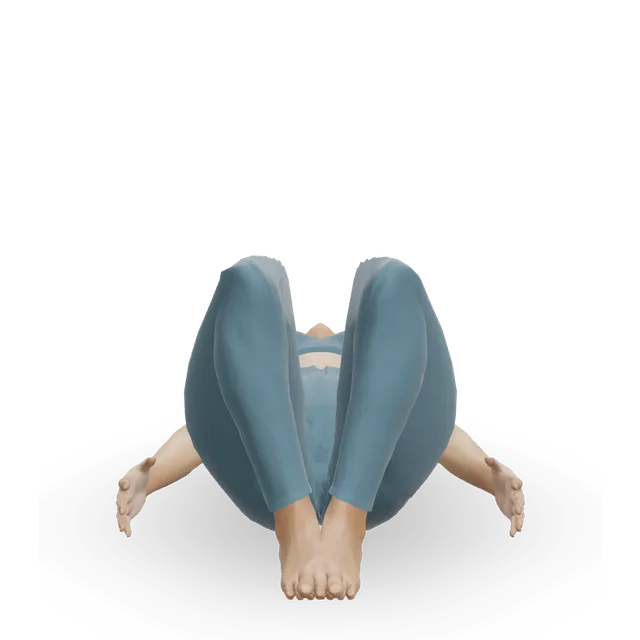 3D demoReclining bound angle pose (Supta Baddha Konasana)Beginner · Firm cushion
Beginner grade.
Harder option
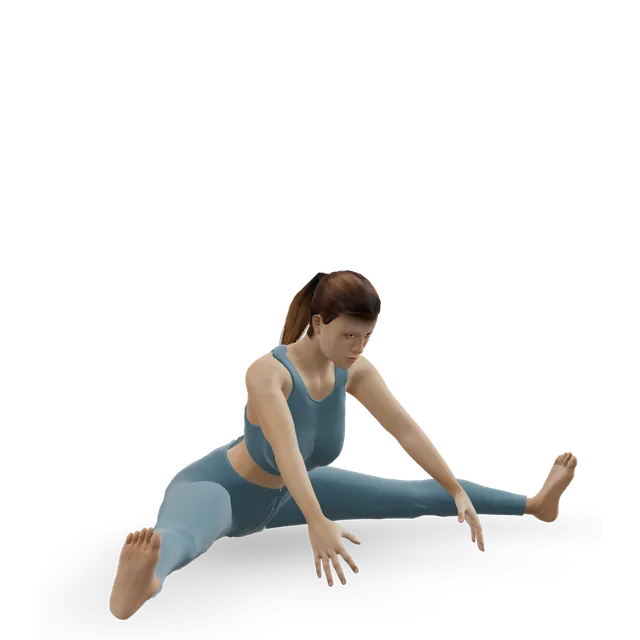 3D demoWide-angle seated forward fold (Upavistha Konasana)Intermediate · No equipment
Similar move, intermediate grade.
Source-researched guide.
How to move
- Lie on your back with your knees bent and feet flat, and place a cushion or folded blanket beside each thigh.
- Bring the soles of your feet together and let your knees fall slowly open to the sides until each thigh rests on its support.
- Rest your arms on the floor a little away from your body, palms up, and breathe slowly.
- Let your inner thighs soften rather than pressing your knees down, and stay.
- To come out, use your hands to bring your knees back together, then roll onto your side.
Form cues
- Raise the supports until there is no strain at the groin or inner knee.
- Let gravity do the work.
- Avoid: pushing your knees toward the floor; it tightens the groin instead of releasing it.
Practice and cautions
Rest 2 to 5 minutes with a support under each thigh (our editorial starting point). Yoga Journal starts at 1 minute and builds to 5 to 10; in the nurses' trial, restorative poses were practised for 5 to 15 minutes, at least 3 times a week.
Unsupported, it can strain the groin or the inner knee, so do not let the knees hover unaided. In later pregnancy prop the torso up on cushions rather than lying flat. This is movement education, not an assessment or treatment prescription. Stop for sharp or increasing pain, dizziness, numbness or tingling; seek individual guidance for symptoms, injury or restrictions.
Sources and review status
Sources support the educational description; they do not establish that this exercise is suitable for you.
- Yoga Journal · Reclining bound angle pose (how-to: let the knees float rather than pushing them down; 1 minute, building to 5 to 10) ↗
- Miyoshi 2019 · Five restorative poses, supported bound angle and supported bridge among them, lowered stress scores in night-shift nurses (randomised crossover trial of 20, J Occup Health) ↗
- Corey 2014 · In metabolic syndrome, a stretching class lowered perceived stress and cortisol more than restorative yoga (RCT of 171 over a year, Psychoneuroendocrinology) ↗
No variation is labeled clinically validated.
What it works
Workouts that use it
- Bedtime stretch routine · 10 min
- Pelvic floor relaxation exercises · 8 min
- Yoga for back pain (gentle beginner sequence) · 20 min
- Gentle exercises for endometriosis: breathe, steady and stretch · 20 min
- Restorative yoga sequence: 45 minutes of supported rest · 45 min
- Hatha yoga class: a 45-minute beginner session · 45 min
- Yoga with props for beginners: a 40-minute standing-poses-first sequence · 40 min
- Yoga for knee pain: a 25-minute knee-friendly sequence · 25 min
Show all 38 workoutsShow fewer workouts
- Yoga for headaches and migraine: a 20-minute calm practice · 20 min
- Yoga for hip pain: a 25-minute routine that strengthens without squeezing · 25 min
- Yoga for high blood pressure: a 40-minute balanced practice · 40 min
- Yoga for digestion: a 25-minute routine for bloating and IBS · 25 min
- Yoga for arthritis: a 30-minute joint-friendly class with a chair · 30 min
- Yoga for menopause: a 35-minute practice for strength, balance and winding down · 35 min
- Yoga for diabetes: a 35-minute head-up practice · 35 min
- Gentle yoga for cancer: a 25-minute supported class with no twists · 25 min
- Yoga for asthma: a 20-minute breathing-first practice · 20 min
- Yoga for the pelvic floor: a 30-minute class with the squeeze built in · 30 min
- Yoga for acid reflux: a 20-minute head-up class with belly breathing · 20 min
- Bedtime Pilates: a 15-minute wind-down on the floor · 15 min
- Gentle postnatal yoga: a 20-minute class from the first weeks after birth, with an early stop point and caesarean options · 20 min
- Breathe, move and rest: a 30-minute gentle yoga class for rheumatoid arthritis, mostly in a chair, with a flare-day version · 30 min
- Yoga after a groin strain: a 25-minute class with squeezes, side planks and short stances, and no wide-legged stretching · 25 min
- Yoga for psoriasis: a 25-minute class at room temperature with nothing on your hands or knees, and a long rest to finish · 25 min
- Yoga for restless legs: a 30-minute evening class with calf, thigh and hip stretches and a 10-minute rest · 30 min
- Through-the-month Pilates for period pain: a 25-minute mat class with a painful-day version · 25 min
- Rest-between-poses yoga for myasthenia gravis: a 20-minute cool-room class, sitting then at a chair, with no breath holds · 20 min
- Yoga for bodybuilders: a 25-minute rest-day class for the chest and front of the shoulders, the upper back, hips, thighs and calves, one-leg balance and a slow wind-down · 25 min
- After-shift yoga for nurses: a 20-minute restorative class for tired legs, a gentle lower back and winding down for sleep · 20 min
- Gentle yoga for Crohn's and colitis: a 25-minute class to breathe, move and rest · 25 min
- Gentle yoga after breast cancer: a 25-minute class for the shoulder, chest and breath, with no planks, no twists and no weight on your arms · 25 min
- Yoga for prostate cancer: a 30-minute class with the pelvic floor squeeze, gentle strength and no deep folds or twists · 30 min
- Yoga for diastasis recti: a 25-minute class for a tummy gap, with head lifts and no planks · 25 min
- Gentle yoga after a hysterectomy: a 25-minute class in three stages, with a stop point after each · 25 min
- Gentle yoga after gallbladder removal: a 25-minute class in three stages, with a stop point after each · 25 min
- Bedtime yoga: a 20-minute wind-down on the mat, with slow breathing, gentle lying poses and no breath holds · 20 min
- Squeeze-and-lift Pilates for the inner thighs: a 20-minute mat and standing class with a ring, ball or cushion · 20 min
- Yoga for opening the chest: a 25-minute class for the chest, shoulders and upper back · 25 min
Pain guides that use it
Part of a staged plan, with when to get help first.
- Perthes disease: when the ball of a child's hip loses its blood supply, and how it regrows
- Irritable hip (transient synovitis): a young child's sudden limp, and telling it from infection
- Hip pain in children: irritable hip, infection, Perthes, a slipped growth plate and when to get help
- Hip pain after yoga: pigeon, lotus, deep openers, the front and side of the hip, and what to change
Guides that use it
- Somatic Pilates guide
- Pilates for sleep guide
- Pilates for fertility guide
- Pilates for period pain guide
- Pilates for inner thighs guide
- Types of yoga guide
- Yoga for back pain guide
- Yoga for anxiety and sleep guide
Show all 100 guidesShow fewer guides
- Yoga in pregnancy guide
- Yoga for flexibility guide
- Yoga nidra guide
- Yin yoga guide
- Restorative yoga guide
- Hatha yoga guide
- Iyengar yoga guide
- Yoga for knee pain guide
- Yoga for headaches and migraine guide
- Yoga for hip pain guide
- Yoga for high blood pressure guide
- Yoga for digestion guide
- Yoga for scoliosis guide
- Yoga for arthritis guide
- Yoga for menopause guide
- Yoga for PCOS (PMOS) guide
- Yoga for period pain guide
- Hip-opening yoga guide
- Yoga for depression guide
- Yoga for energy guide
- Wall yoga guide
- Yoga for women guide
- Yoga for diabetes guide
- Yoga for cancer guide
- Yoga for asthma guide
- Yoga for fertility guide
- Yoga for the pelvic floor guide
- Yoga for endometriosis guide
- Yoga for fibromyalgia guide
- Yoga for IBS guide
- Yoga for PTSD guide
- Yoga for chronic fatigue guide
- Yoga for TMJ guide
- Yoga for hair growth guide
- Yoga for stress relief guide
- Yoga for acid reflux guide
- Yoga for tinnitus guide
- Yoga for immunity guide
- Yoga for long COVID guide
- Yoga for hypermobility guide
- Yoga for grief guide
- Yoga for kidney health guide
- Yoga for addiction recovery guide
- Yoga for sinus problems guide
- Postnatal yoga guide
- Yoga for plus-size bodies guide
- Yoga for rheumatoid arthritis guide
- Yoga after a hip replacement guide
- Yoga for lupus guide
- Yoga for psoriatic arthritis guide
- Yoga for hip bursitis guide
- Yoga for gout guide
- Yoga for a groin strain guide
- Yoga for a meniscus tear guide
- Yoga for a hip labral tear guide
- Yoga for ovarian cysts guide
- Yoga for psoriasis guide
- Yoga for anaemia guide
- Yoga for allergies and hay fever guide
- Yoga for an enlarged prostate guide
- Yoga for piles guide
- Yoga for restless legs guide
- Yoga for PoTS guide
- Yoga for eating disorders guide
- Yoga for myasthenia gravis guide
- Yoga for bodybuilders guide
- Yoga for nurses guide
- Yoga for Crohn's and colitis guide
- Yoga for knee arthritis guide
- Yoga for breast cancer guide
- Yoga for hip arthritis guide
- Yoga for prostate cancer guide
- Yoga for diastasis recti guide
- Yoga for prolapse guide
- Yoga for chronic pain guide
- Yoga after gallbladder removal guide
- Yoga for insomnia guide
- Yoga for the vagus nerve guide
- Yoga for hormone balance guide
- Yoga for opening the chest guide
- Yoga for the thighs guide
- Yoga for joint pain guide
- Pelvic floor guide
- Yoga for fascia guide
- Exercise and your menstrual cycle
- Pelvic floor exercises (Kegels) for women and men
- Exercise for sleep and insomnia
- Exercise for endometriosis
- Exercise and eating disorders
- Exercise when trying to conceive
- Exercise with fibroids
- Exercise during IVF and egg freezing
Similar moves
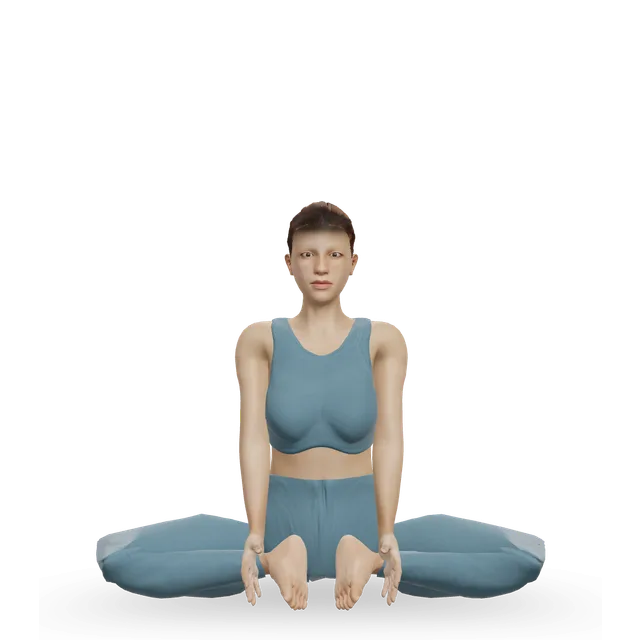 3D demoBound angle pose (Baddha Konasana)Beginner · No equipment
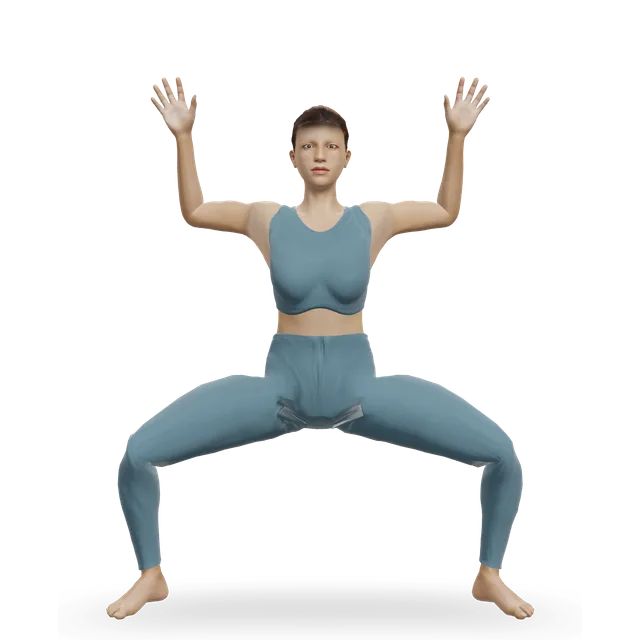 3D demoGoddess pose (Utkata Konasana)Beginner · No equipment
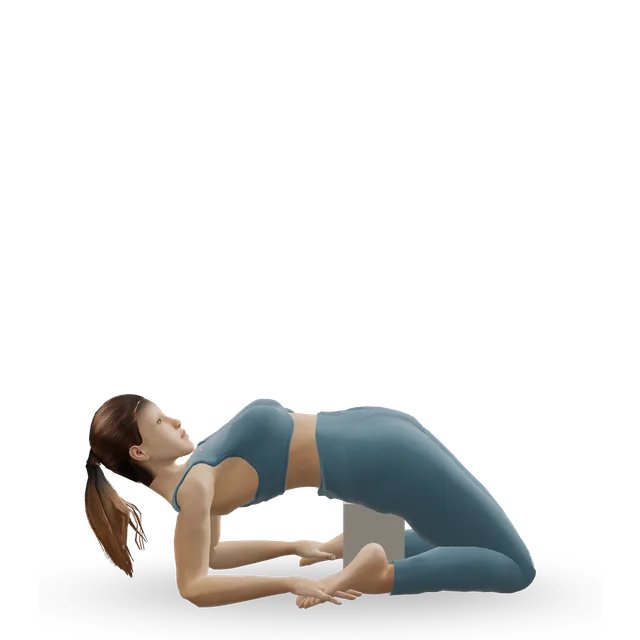 3D demoReclining hero pose (Supta Virasana)Advanced · Firm cushion
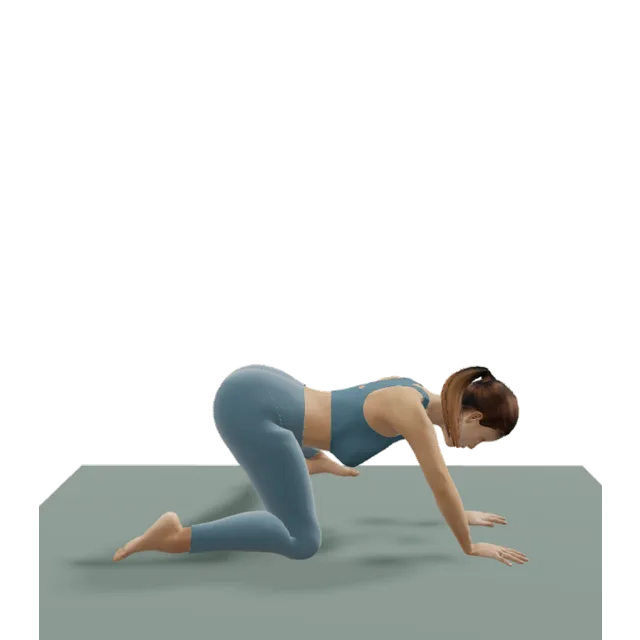 Adductor rock-backBeginner · No equipment
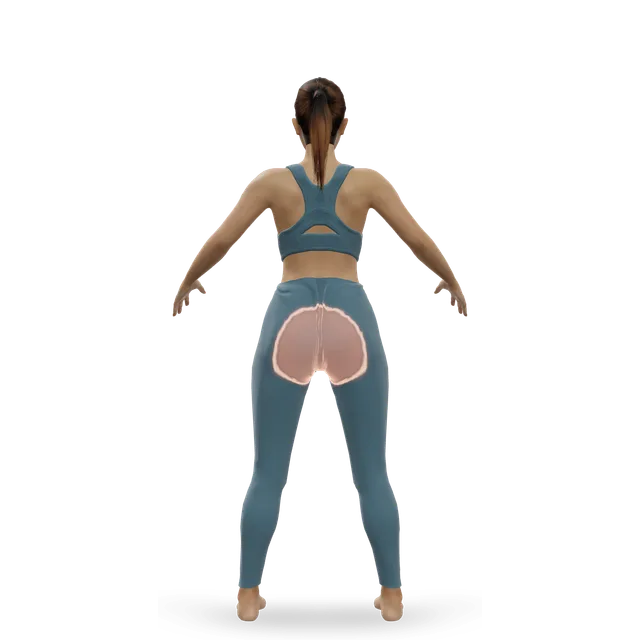 Bird of paradise (Svarga Dvijasana)Expert · No equipment
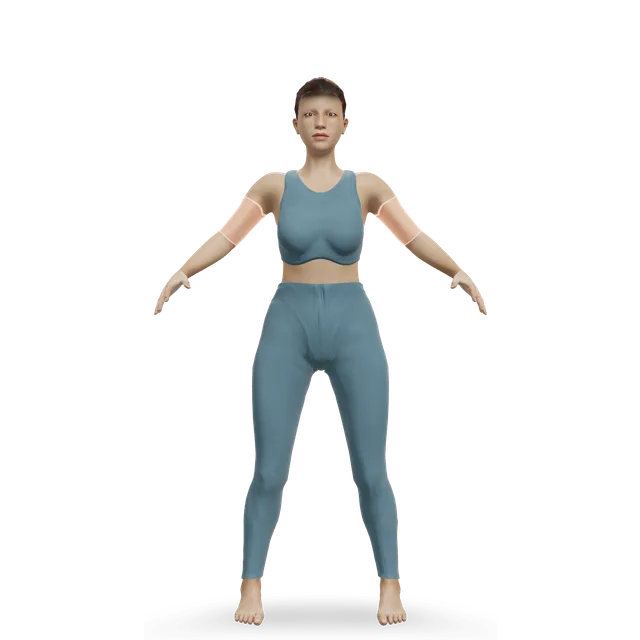 Eight-angle pose (Astavakrasana)Expert · No equipment
Browse more
Questions people ask
What muscles does the Reclining bound angle pose (Supta Baddha Konasana) work?
Mainly the adductors, with help from the chest.
What equipment do I need for the Reclining bound angle pose (Supta Baddha Konasana)?
Firm cushion.
Is the Reclining bound angle pose (Supta Baddha Konasana) good for beginners?
It is graded beginner, so it suits most people starting out. When it feels easy, try the Wide-angle seated forward fold (Upavistha Konasana).
How do I make the Reclining bound angle pose (Supta Baddha Konasana) harder?
Progress to the Wide-angle seated forward fold (Upavistha Konasana) or the Humble warrior (Baddha Virabhadrasana). Follow that guide’s technique and any stated timing.