Call 999 or go to A&E
Pain and swelling in your hip or leg with breathlessness or chest pain: call 999 or go to A&E, and do not drive yourself. It can be a blood clot that has reached the lungs.
Call 999 or go to A&E if breathing suddenly becomes difficult, if pain in your chest or upper back comes on suddenly with breathlessness or a very fast heartbeat, or if someone passes out. Do not drive yourself. It can be a blood clot that has reached the lungs.
Sources 16, 38
Go to A&E: a dislocated hip
Signs of a dislocated hip: severe hip pain, a leg that looks shorter or is turned unusually far in or out, a new bulge at the side of the hip, unusual hip movement or a change in its shape, or walking that is suddenly difficult or painful. Don't walk on it; go to A&E straight away.
Some people also hear clicking or popping. If it happens during exercise or after a fall and you can't get to A&E safely, call 999 (our addition). Severe hip pain after a fall or injury, or not being able to stand, walk or put weight on the leg, also needs A&E.
A sudden clunk or pop with pain, or a leg that suddenly looks shorter or turned, is the dislocation picture in the case reports: don't walk on it, and go to A&E (our wording, from the case reports).
Sources 16, 12, 13
Urgent GP appointment or NHS 111
Throbbing or cramping pain in your hip or leg: ask for an urgent GP appointment or get help from NHS 111. It could be a blood clot.
A high temperature, or feeling hot, cold or shivery; oozing or pus from the wound; or redness, tenderness, swelling or pain in your hip or leg that is not getting better or is getting worse: ask for an urgent GP appointment or get help from NHS 111. These can be signs of an infection. If you feel unwell or feverish and the wound looks infected, go to A&E.
Sources 16, 39
A swollen, painful leg
Same day (urgent GP appointment or NHS 111): throbbing pain in one leg (rarely both), usually the calf or thigh; swelling in one leg (rarely both); red, blue or darkened skin around the painful area, which may be harder to see on brown or black skin; or swollen veins. This can be a deep vein thrombosis (DVT). It is more likely after surgery, a hospital stay, 3 or more days in bed, a journey of over 4 hours, pregnancy or a recent birth, cancer, a previous clot, or contraception or hormone replacement therapy (HRT) that contains oestrogen.
Source 39
A hot, swollen hip, even years later
Ask for an urgent GP appointment or get help from NHS 111 if you have severe hip pain that started suddenly but you've not had a fall or injured your hip, your hip is swollen and feels hot, the skin around your hip has changed colour, or you have hip pain, feel generally unwell and have a high temperature (or feel hot, cold or shivery). A hot, swollen hip with a high temperature can be a joint infection.
Source 40
Get medical help straight away
Cold, pale or blue toes, or new pins and needles, numbness or weakness in the leg or foot: get medical help straight away.
Source 16
See your GP or care team
- Swelling that looks excessive, or doesn't go down overnight or when you raise the leg: contact your GP for advice.
- Pain, swelling, or clicking or popping from the joint that worries you: contact your GP or care team.
- New or worsening pain, a limp or loss of function months or years after the operation: see your GP, who should refer you back to the orthopaedic team.
Sources 16, 1
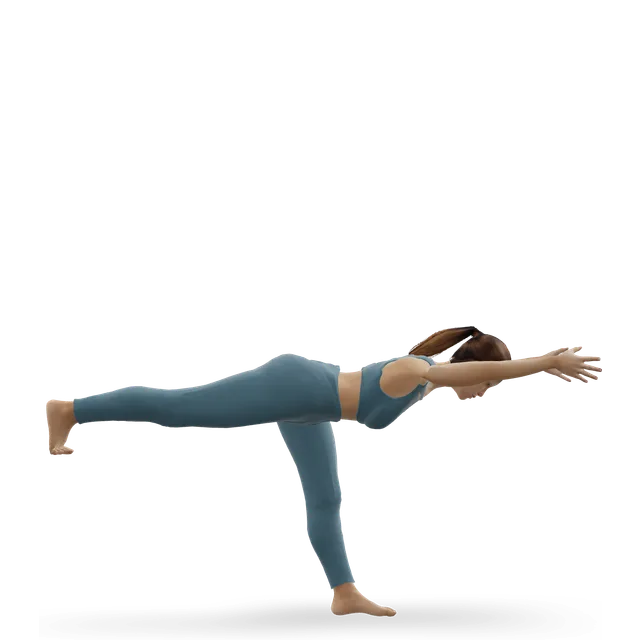
During yoga
Stop the move for a sharp pain in the groin or hip, a clunk, or a feeling that the hip is giving way. One NHS trust: "If you experience a sharp pain, stop activity immediately. If symptoms persist, contact your GP for advice."
"A moderate ache that settles quickly is acceptable, severe pain that takes hours to settle is not", says one NHS trust.
Ease off a deep fold, lunge or twist that brings a sharp pinch deep in the groin. Get a catching, locking or giving-way feeling in the hip checked.
Never push into a position your precautions rule out, however comfortable it feels; turn with small steps rather than pivoting on the operated leg; and tell your teacher which approach you had and which precautions apply (our suggestion).
You can say no to any hands-on adjustment, and a teacher registered with Yoga Alliance must get your explicit consent each time.
Sources 5, 2, 12, 13
Chest pain or fainting while exercising: call 999
Call 999 if:
- You get sudden pain or discomfort in your chest that doesn't go away; it can feel like squeezing or pressure, burning or indigestion.
- The pain spreads to your left or right arm, or your neck, jaw, stomach or back.
- You have chest pain and feel sweaty, sick, light-headed or short of breath.
- Someone faints while exercising, can't be woken within 1 minute, or has chest pain or a pounding, fluttering or irregular heartbeat.
Sources 41, 42
Before you start
The NHS advises getting advice from a healthcare professional first if you have a health problem, an injury or symptoms, or have recently had a heart attack or an operation.