How do you do shrugs properly?
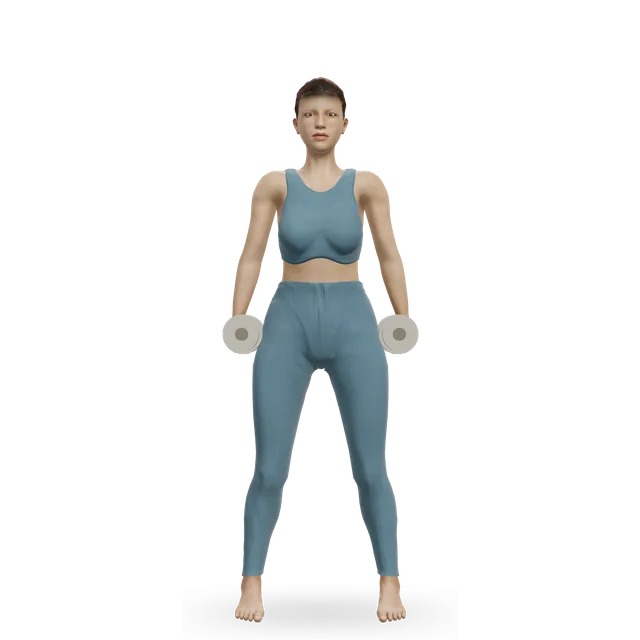
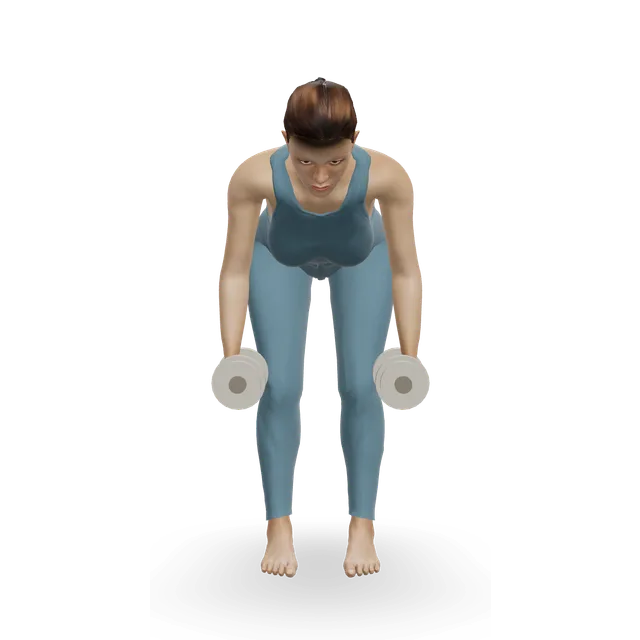
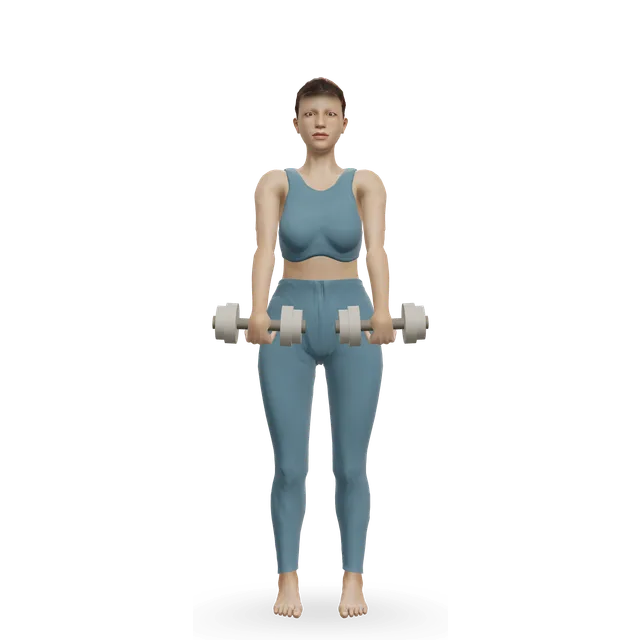
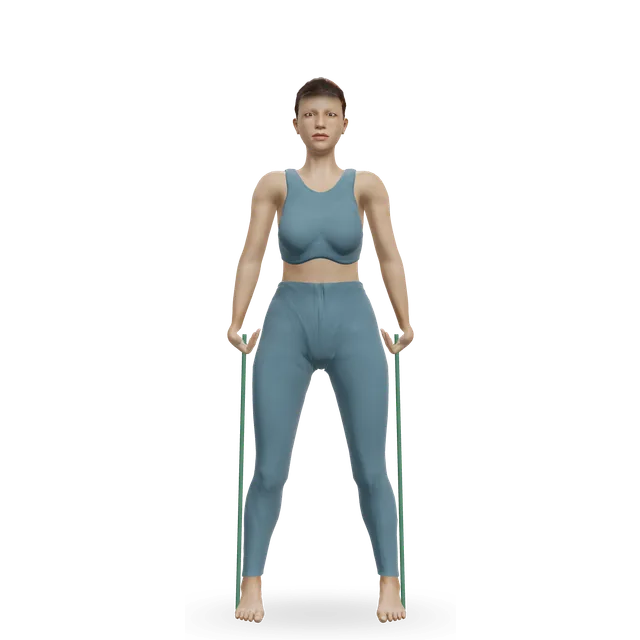
Stand tall with a dumbbell in each hand at your sides, palms facing in. Lift your shoulders straight up towards your ears as high as they'll go, hold for a second, then lower them slowly all the way. Keep your arms straight and your head level.
What muscles do shrugs work?
Mainly the upper trapezius, the muscle across the tops of your shoulders, helped by the levator scapulae at the side of your neck, while your grip holds the weights. The middle and lower trapezius do much less: face-down raises and rows work them hardest.
Are shrugs a back or shoulder exercise?
The trapezius is a back muscle that moves your shoulder blades, so shrugs fit on a back day or a shoulder day, and in a push and pull split they count as a pull. What matters is doing enough hard sets in the week, not which day they're on.
How heavy should I go on shrugs?
Heavy enough that 8 to 12 reps are hard, light enough that you can lift to full height and hold for a second. Women in one study reached full trapezius activity with 20 to 30 kg, and light and heavy loads build similar muscle when sets are hard. Add reps before weight.
How many sets and reps of shrugs should I do?
Start with 2 to 3 sets of 8 to 12, stopping 2 or 3 reps short, with 60 to 90 seconds' rest. A trial that enlarged trapezius muscle fibres used 3 sets at 8 to 12 repetitions maximum, 3 times a week. For bigger traps, build towards about 10 hard sets a week.
Should you roll your shoulders when you shrug?
No. No study has tested rolling either way, and the American Council on Exercise's coaching advice is to lift straight up and down without rotation. Rolling adds nothing we know of, and some necks dislike it.
Dumbbell, barbell or trap bar shrugs: which is best?
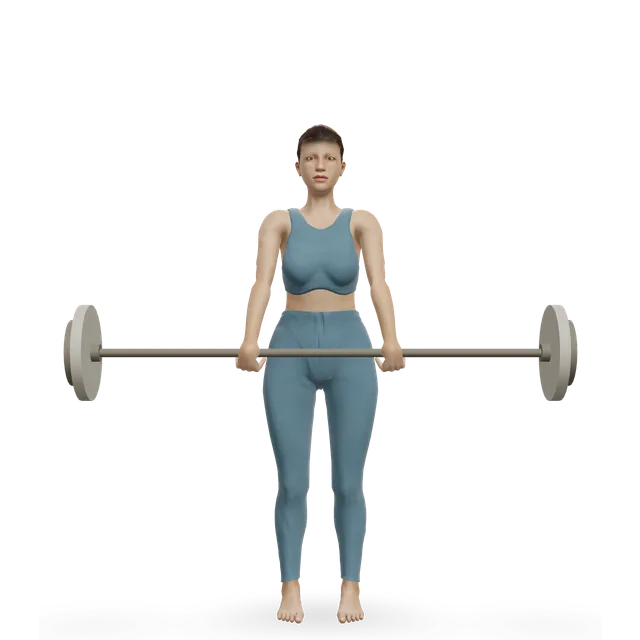
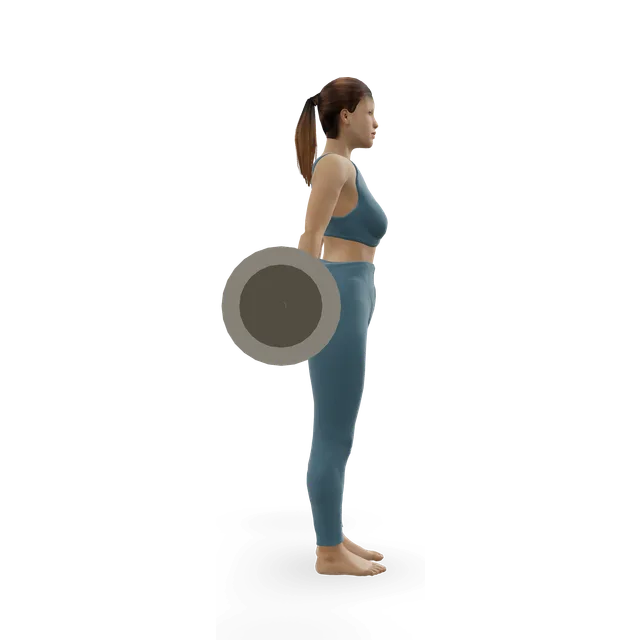
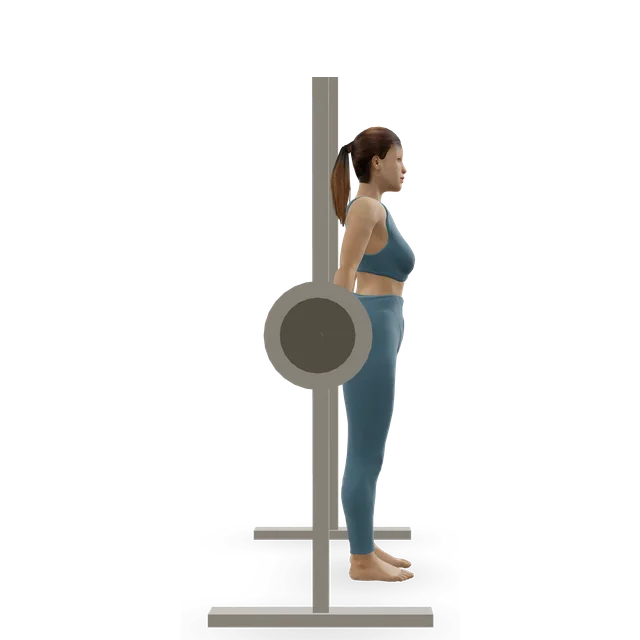
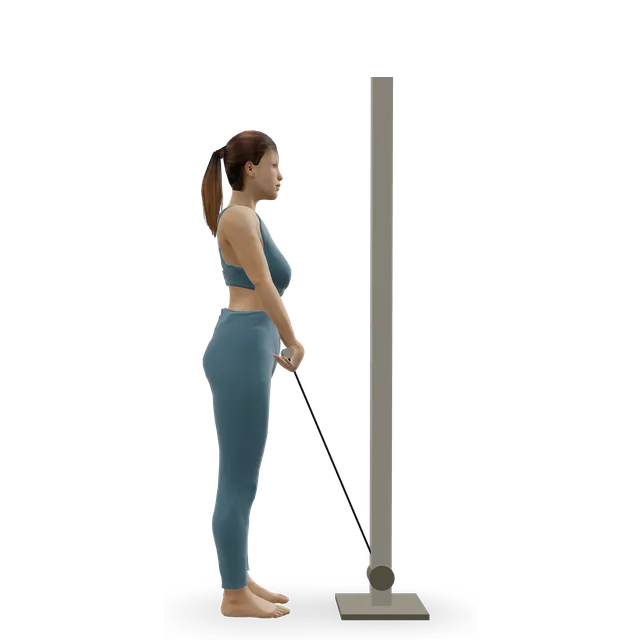
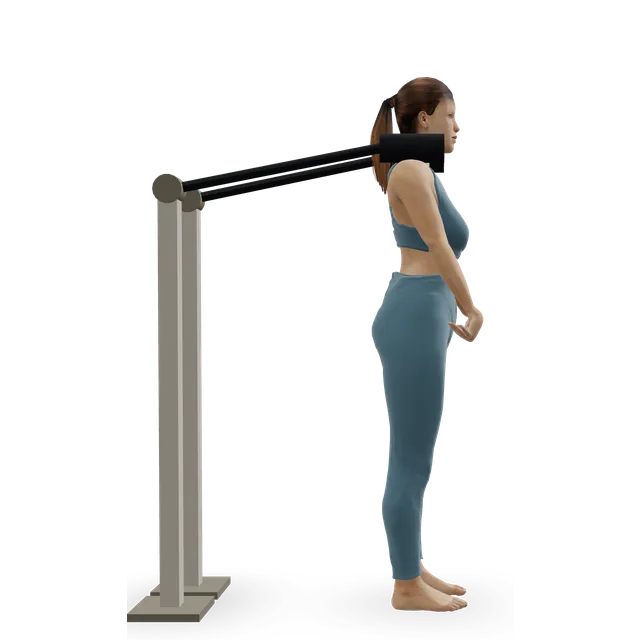
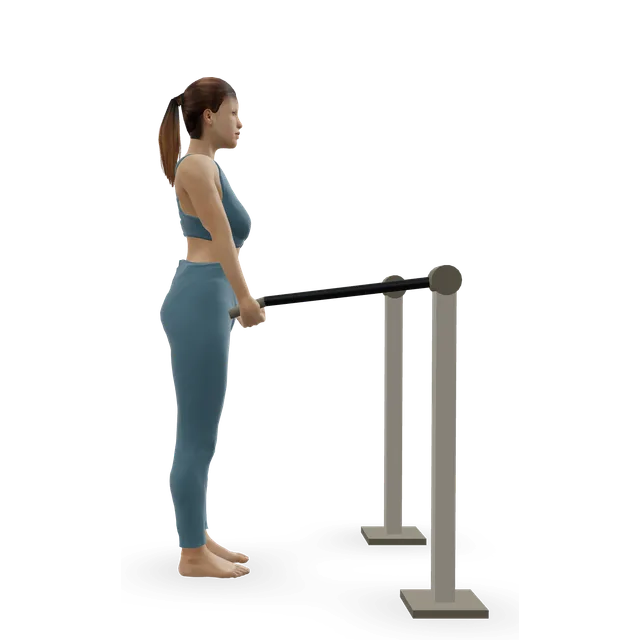
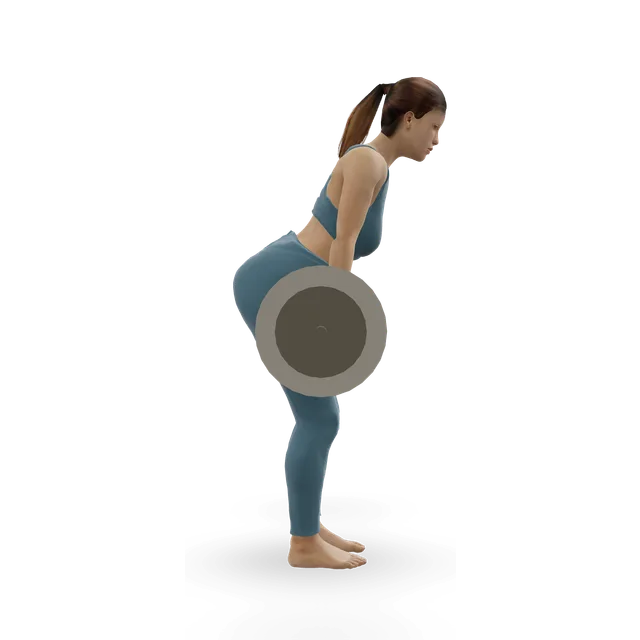
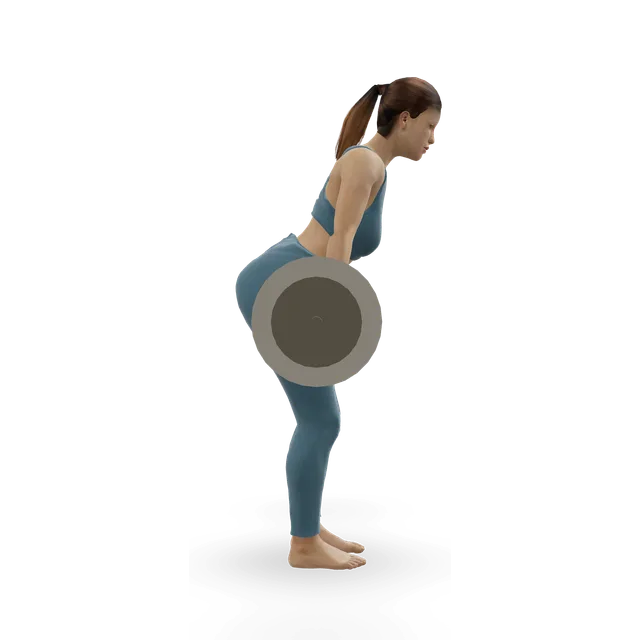
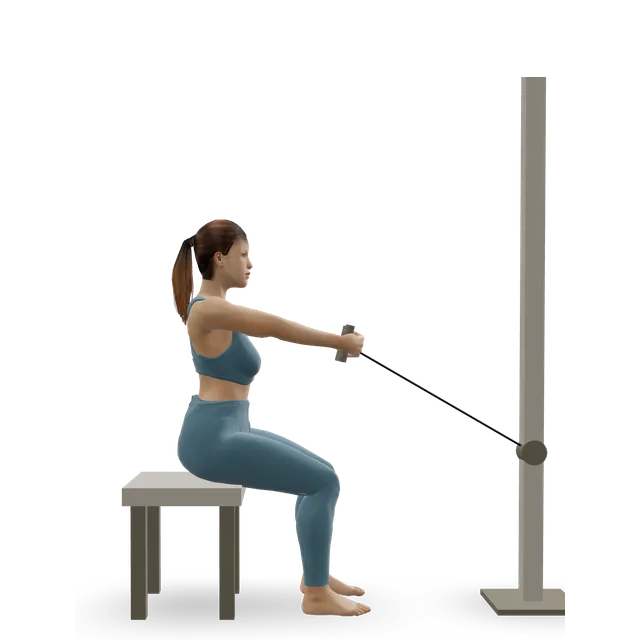
They all train the same movement. Dumbbells hang at your sides; a barbell in front can bump your thighs, which the behind-the-back version avoids; a cable adds weight in small steps. We found no study comparing them, and with a trap bar you hold the handles at your sides, as with dumbbells.
Can shrugs cause neck pain or headaches?
They can for some people, often from going too heavy or craning the neck. If shrugs bring on a headache or tingling in your arm, go lighter or leave them out, and get it checked if it persists. A sudden, extremely painful headache while lifting is a 999 call.
Do shrugs help neck pain?
They can be part of it. In women with long-standing trapezius pain, 10 weeks of strength training that included shrugs cut their worst pain by about 79%, but training the lower traps instead also helped, so shrugs aren't essential. Our neck pain guide has the plan.
Can I do shrugs at home without weights?
Without any weight, shrugs are too easy to build much strength. Filled water bottles, a loaded backpack or a band under your feet all add load, and band training built strength like weights in trials.
Do shrugs build bigger traps?
Probably, but no study has tested shrugs on their own. In a trial in women with neck muscle pain, 10 weeks of five exercises, shrugs among them, enlarged their trapezius muscle fibres by about a fifth. That's our inference, not a tested promise.
What is a Kelso shrug?
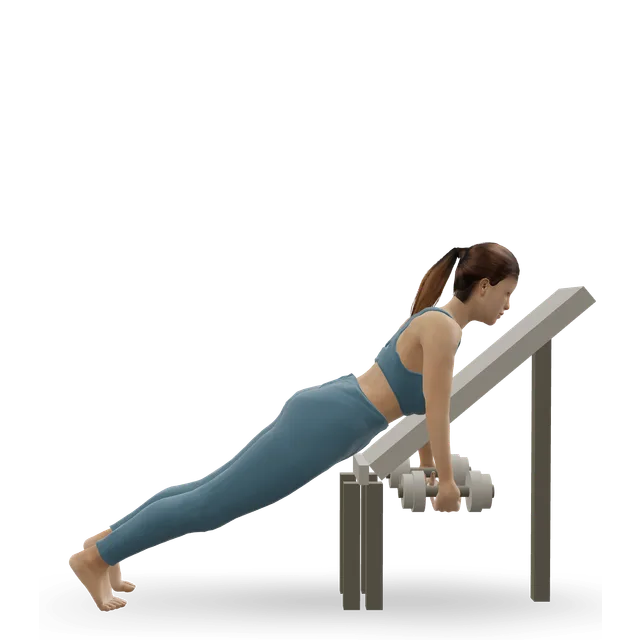
Lying face down on an incline bench with dumbbells, you squeeze your shoulder blades together instead of lifting them. It works the middle traps, which standing shrugs don't, and our 3D demo shows it as the prone shoulder-blade squeeze.