Training guide

Grip strength: why it matters and how to improve it

Grip strength is how hard you can squeeze and how long you can hold on. It's a quick marker of how strong and healthy you are: in large studies, each 5 kg weaker grip went with about a 16% higher risk of death. That's a link, not proof that training your grip adds years.

Grip is still worth training for what it lets you do: carry the shopping, open jars, hang from a bar and hold on to heavier lifts. In two small trials, 8 weeks of direct grip work raised grip by about 9 to 14%, while general lifting raises it only a little.

This guide covers the three kinds of grip, what the research shows, how to train each one, straps and chalk, how to measure your progress, and when hand symptoms need a doctor.

The short version

A marker, not a lever

People with a stronger grip live longer on average: each 5 kg lower grip went with about a 16% higher risk of death in large studies in 17 countries and in the UK. That's an association, and no trial has tested whether training your grip changes it.

Sources 1, 2, 3

What counts as low

Under 27 kg for men or 16 kg for women counts as low grip strength in the European definition of sarcopenia, the loss of muscle strength and mass with age. Our grip strength test compares you with British norms.

Sources 4, 5

Training grip directly works

In two small trials (36 older women, 30 young men), 8 weeks of grip and forearm work raised grip by about 9 to 14%. A meta-analysis of 22 trials agreed, but its trials had a high risk of bias.

Sources 6, 7, 8

General lifting helps a little

Exercise raised grip by a small amount in older adults, and in healthy younger adults there are too few trials to say. Training that loads the hands, such as kettlebells, carries and hangs, did more.

Sources 9, 10, 11

How to train it

Two or three times a week, alongside whole-body strength training: squeezes and wrist curls for crushing, carries, hangs and heavy pulls for holding on, a pinch hold, and finger extensions and reverse curls for balance.

Sources 6, 7

Measure it the same way

Use a hand dynamometer, the same way each time. For one person, a change under about 4 kg may be day-to-day noise, and right-handers' dominant hand is about 13% stronger.

Sources 12, 13, 14

Why grip strength matters

Weaker grip, higher riskStrong evidence

Each 5 kg lower grip went with a 16% higher risk of death from any cause over about 4 years in 139,691 adults aged 35 to 70 in 17 countries, and grip predicted death better than systolic blood pressure. It wasn't linked with diabetes, falls or fractures. In half a million UK Biobank adults, the figures were 20% for women and 16% for men, and across 42 cohorts, 16%. Risk fell almost steadily from about 26 to 50 kg.

Sources 1, 2, 15, 16

A link, not proofStrong evidence

An umbrella review rated these links 'highly suggestive' rather than convincing. The UK Biobank authors say reverse causation can't be excluded, so the links may not mean cause and effect, and the PURE authors call for trials of whether improving strength lowers death rates. We found none.

Sources 3, 2, 1

What genetics addsEmerging evidence

In UK Biobank, people with genes for a stronger grip had lower odds of coronary heart disease (an odds ratio of 0.69 per step up), which hints that strength itself may matter. But that's lifelong genetic strength, not training. Grip's genetic signals were most enriched in brain and nerve tissue.

Source 17

Grip and strength elsewhereMixed evidence

The European sarcopenia group says grip correlates moderately with strength elsewhere in the body. Single studies vary: the link was weak in 199 women aged 60 to 86 and strong in 45 people over 70.

Sources 4, 18, 19

When grip counts as lowStrong evidence

Under 27 kg for men or 16 kg for women is low in the European consensus, 2.5 standard deviations below the young-adult average in British data, and under 28 and 18 kg in the Asian one. Low strength makes sarcopenia 'probable'; a diagnosis needs further tests.

Sources 4, 20, 5

Three kinds of grip

Crushing

Closing your hand on something: a handshake, a jar lid, a hand gripper. A grip dynamometer measures this, and squeezes and wrist curls train it. Crushing, holding and pinching are coaching terms rather than research categories.

Source 6

Holding on (support grip)

Keeping hold of something heavy for time: carrying shopping, hanging from a bar, the top of a heavy deadlift. Carries, hangs and heavy pulls train it.

Source 7

Pinching

Thumb against fingers, as when you hold a plate or a book. Researchers measure tip, key and palmar pinch, and pinch strength held steady from 20 to 59 and fell gradually from 60 to 79.

Source 21

Grip endurance

How long or how often you can keep gripping. In climbers it trained differently from maximal grip, rising most with repeated hangs.

Source 22

The muscles

The finger flexors in your forearm close the hand, the wrist extensors on the back of the forearm hold the wrist steady while you grip, and small muscles in the hand and thumb do the pinching. Our forearm flexors guide has the details.

How strong is normal?

At its peak

In 49,964 people in Britain, grip peaked at a median of 51 kg in men aged 29 to 39 and 31 kg in women aged 26 to 42; women's peak was about 61% of men's (our arithmetic).

Source 5

With age

Grip holds until midlife and then declines; losses of 1.5 to 5% a year after 50 have been reported. By 80, 23% of men and 27% of women had low grip.

Sources 4, 5

Your two hands

Right-handers' dominant hand was about 13% stronger, while left-handers' hands were about equal, so the old 10% rule is only a rough guide. Compare each hand with itself.

Source 14

What the evidence says

Training the grip directlyEmerging evidence

Two small trials found clear gains. In 36 women over 65, ball and gripper training twice a week for 8 weeks raised grip by 9 to 10%. In 30 inactive young men, adding forearm work to pull-up training raised grip by 12 to 14%, while pull-ups with core or running work didn't change it. A meta-analysis of 22 trials agreed, finding a small to moderate effect that was larger in older adults, but its trials had a high risk of bias.

Sources 6, 7, 8

Extra grip work beat sport aloneEmerging evidence

In 72 young wrestlers, extra handgrip training twice a week beat wrestling alone after 4 months, but not after 2.

Source 23

How quickly the hand adaptsEmerging evidence

Maximal squeezes, 5 sets of 5 three times a week, strengthened the trained hand after about 9 sessions, and the untrained hand followed after about 12.

Sources 24, 25

Too little does littleEmerging evidence

Six sessions over 3 weeks changed nothing in young men, and light holds at 30% of maximum added 2.6 kg in 8 weeks with no comparison group, less than one person's test-to-test variation.

Sources 26, 27, 12

General lifting raises grip a littleEmerging evidence

Across 24 trials in 3,018 older adults, exercise training raised grip by a small amount, with results varying between trials; the authors point to task-specific and mixed training as the right stimulus. In healthy adults, 12 of 20 resistance-training trials found no difference in grip from not training, and 19 of the 20 were in older adults, so the evidence is called insufficient.

Sources 9, 10

Training that loads the handsEmerging evidence

Kettlebell training raised grip by about 6 to 7 kg in 3 months in 32 adults aged 59 to 79 (not randomised), suspension training raised it in older men where band training held it steady, and lifting three times a week raised it where once a week didn't.

Sources 11, 28, 29

How to train your grip

Our editorial method, built on the two trials that trained grip directly (Gerodimos 2021; Sepehri Rahnama 2025), each move's catalogue dose and our grip strength workout.

  1. Train grip 2 or 3 times a week, alongside whole-body strength training.
  2. Warm up your wrists and fingers for a minute or two: wrist circles and tendon glides.
  3. Crushing: squeezes of a soft ball or a hand gripper, building to 4 to 6 sets of 8 to 15, and wrist curls, 3 sets of 12.
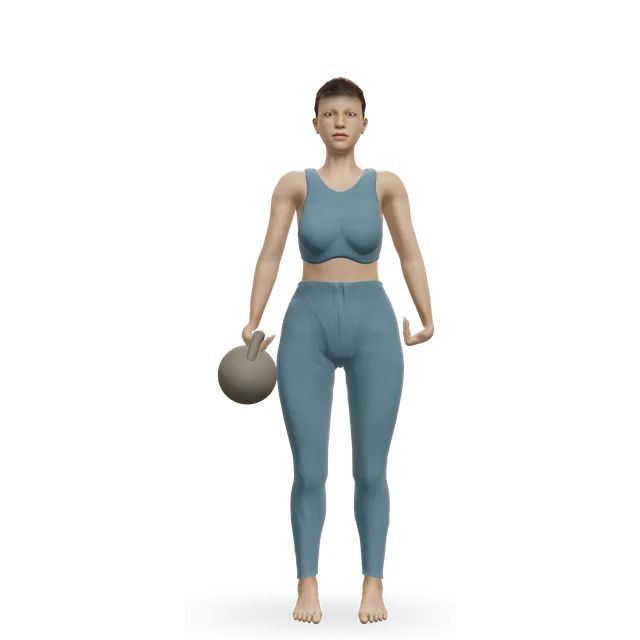
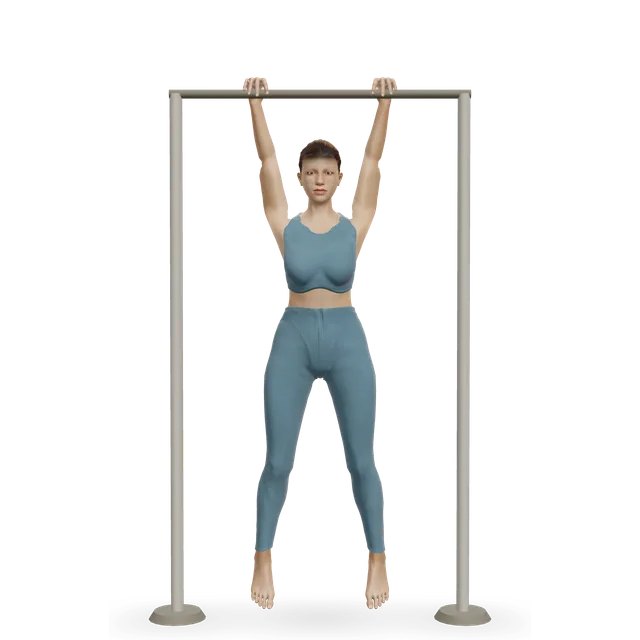
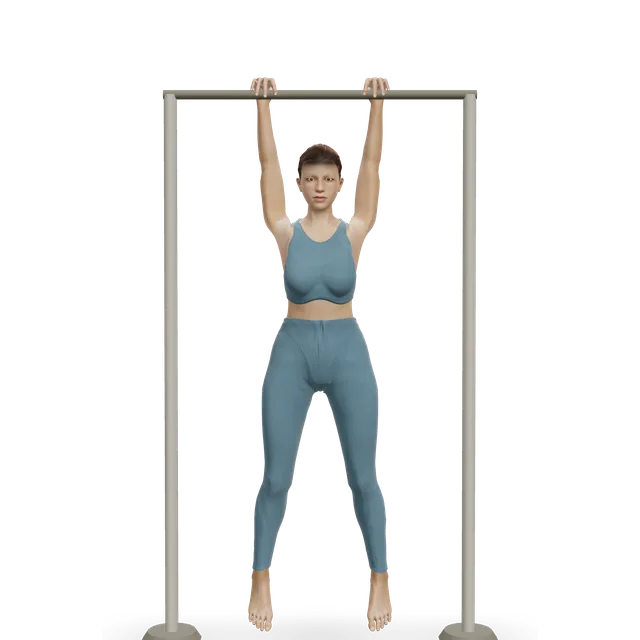
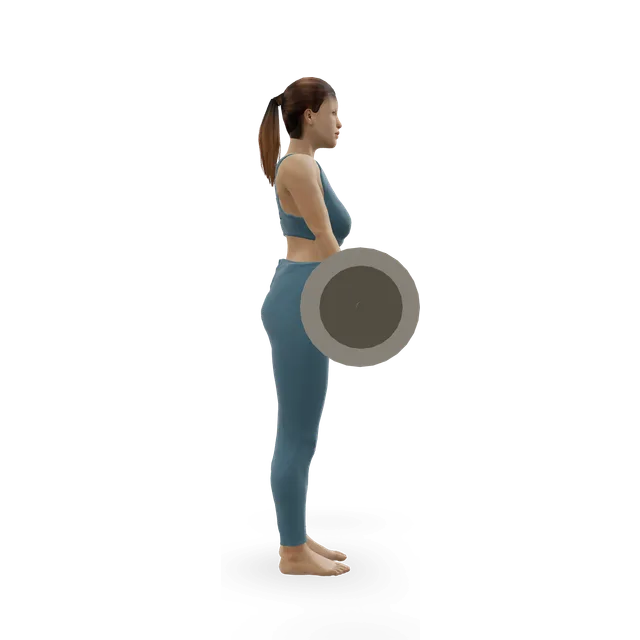
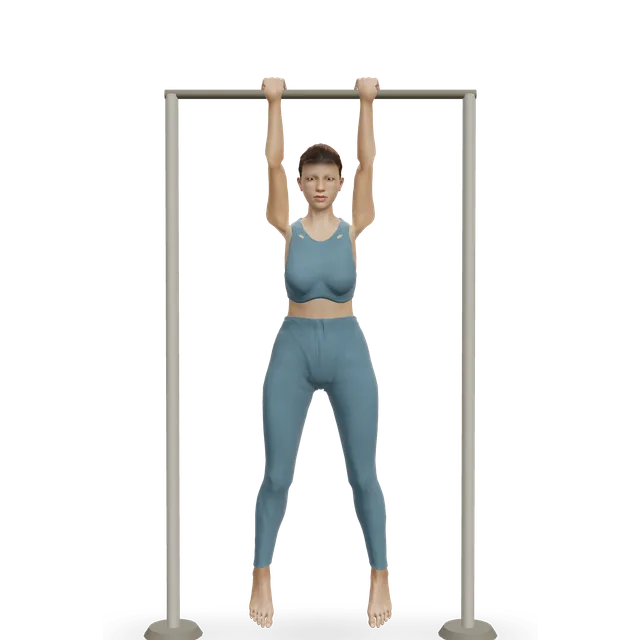
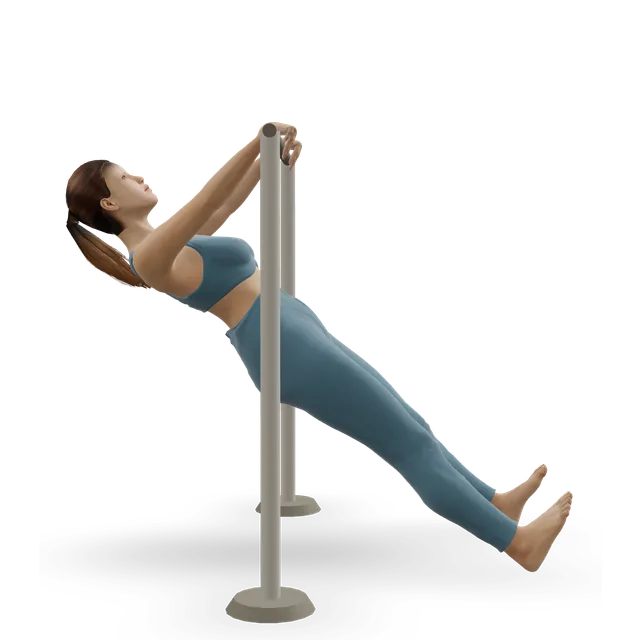
  4. Holding on: 3 or 4 farmer's carries of 30 to 40 m, and 2 or 3 hangs from a bar of 10 to 30 seconds.
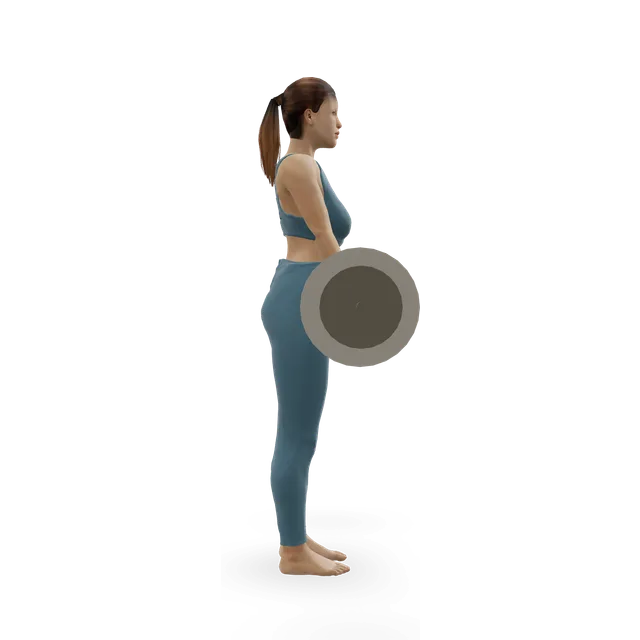
  5. Use your hands on your big lifts: double overhand with chalk on lighter deadlift and row sets, and straps or a hook or mixed grip on the heaviest.
  6. Balance it: band finger extensions and reverse wrist curls, 2 sets of 12 to 15.
  7. Progress by adding a set every two weeks, then weight to the carries before distance, and retest every 2 to 3 months.

Loading the 3D figure…

Gets into position, then repeats the movement. Technical checks passed; qualified exercise review is pending.

The movement on the figure: Farmer's carry

Crushing and holding on

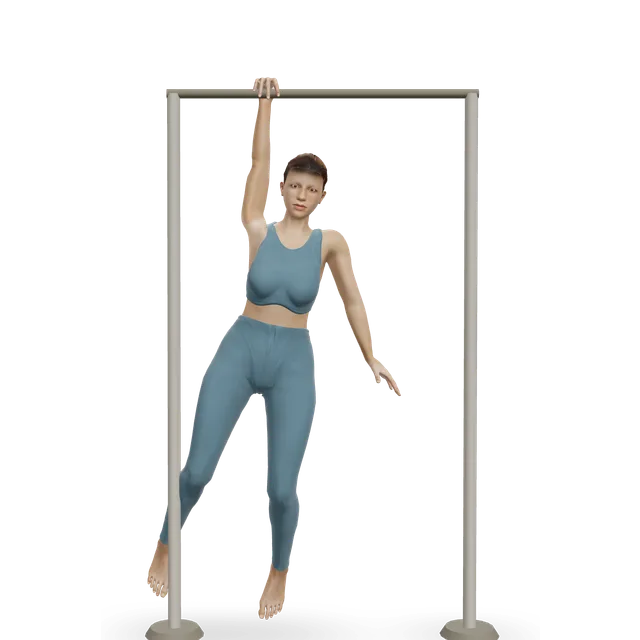
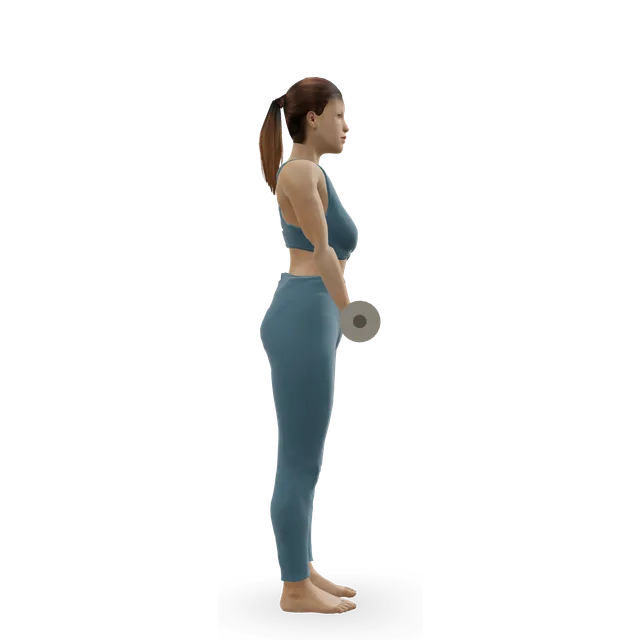
Ball squeezes, 10 squeezes with 5-second holds, building to 4 to 6 sets of 8 to 15; wrist curls 3 × 12; farmer's carries 3 or 4 × 30 to 40 m, starting around a quarter of body weight in each hand; suitcase carries 2 × 20 to 30 m each side; bar hangs 3 × 10 to 30 s; deadlifts and pull-ups as on their pages. The axle deadlift and one-arm hang are advanced.

Opening the hand and the wrist

Band finger extensions 2 × 15, reverse wrist curls 3 × 12 with a light weight, forearm rotations 2 × 10 each way and Zottman curls 2 to 3 × 8 to 12; the wrist flow and tendon glides make a gentle warm-up.

Pinch grip

A plate pinch hold (editorial)

We found no trial of pinch-grip training, so these numbered steps are our editorial suggestion. Hand-focused training raised pinch strength in a meta-analysis, though not by a significant amount.

1. Start with two smooth weight plates of the same size, such as two 5 kg plates.

2. Press them together, smooth sides out, and pinch them between your fingers and thumb.

3. Lift them to your side with your arm straight and your shoulders level.

4. Hold for 10 to 20 seconds without letting them slip, then lower them under control.

5. Swap hands, and do 3 holds with each.

6. Make it harder with heavier or wider plates or longer holds, one change at a time.

7. Skip it, or keep it very light, if the base of your thumb is arthritic or the thumb side of your wrist is sore (de Quervain's).

Sources 8, 21

Grip for lifting and climbing

Straps and chalkEmerging evidence

Straps let 16 men lift 4 sets of 4 deadlifts at 80% of their maximum faster and with less grip fatigue, and let 10 trained women do more reps with less loss of grip. An exploratory review found no evidence either way on whether straps weaken your grip over time. Use them on your heaviest sets, as our deadlift guide suggests, and train your grip on the rest.

Sources 30, 31, 32

Thick handlesMixed evidence

A 5 cm (2-inch) bar cut 11 trained men's deadlift maximum by 28%, and a 7.6 cm bar by 55%, the losses tracking grip strength and hand size, so thick handles load the grip far more. Training studies are tiny: one trial in 10 golfers.

Sources 33, 34

Pull-upsEmerging evidence

Adding forearm work to pull-up training raised pull-ups from 4 to about 13 in 8 weeks, and hang time rose in every group, with or without the forearm work.

Source 7

Climbers' fingersEmerging evidence

In experienced adult climbers, weighted hangboard training raised finger strength more than climbing alone (peak force up 17% over 10 weeks in one trial), and repeated hangs raised grip endurance by 45%. But 5 weeks of stronger fingers didn't improve bouldering, and the trials excluded under-18s and beginners. Our climbing guide covers hangboards.

Sources 35, 36, 37, 22

Measuring your grip

Use a dynamometer

A hand dynamometer measures crushing grip in kilograms. Use the same device, posture and time of day each time; our grip strength test has the steps and the British norms.

Source 5

What counts as a real changeEmerging evidence

For one person, readings can differ by about 4 kg between tests at ages 18 to 35, and by about 4.7 kg over 60, so smaller changes may be noise. Year to year, a change of about 20% is needed to be confident.

Sources 12, 13

Hang time

A dead hang is a fair way to track how long you can hold on, but it isn't a grip strength test: in one trial, hang time rose with pull-up training whether or not people added forearm work.

Source 7

Squeezing for blood pressure

Isometric exercise lowers blood pressureStrong evidence

Across 270 trials, isometric exercise (holding a squeeze or a position) lowered resting blood pressure by about 8/4 mmHg, more than other kinds of exercise. In adults with high blood pressure, side effects were rare: about one per 38,444 bouts.

Sources 38, 39

Handgrip holdsEmerging evidence

Isometric handgrip alone lowered blood pressure by about 5/3 mmHg across 31 studies, typically with four 2-minute holds per hand at 30% of maximum or more, up to 3 times a week for at least 8 weeks. That's a blood-pressure benefit, not grip training; our high blood pressure guide covers how.

Source 40

Older adults and painful hands

Older adultsEmerging evidence

Hand-focused training helped older adults more than younger ones, and exercise programmes raised grip a little on average. Start light, build up gradually, and see our guide to exercise for older adults for strength and balance.

Sources 8, 9

Hand osteoarthritisEmerging evidence

Exercise eased pain slightly (about half a point out of 10) and stiffness, on low-quality evidence, and the gains had faded by 6 to 12 months. Squeeze softly and within comfort; our hand arthritis guide has a plan.

Source 41

Rheumatoid arthritisStrong evidence

In 490 adults, a tailored hand exercise programme (the SARAH trial) improved hand function at 12 months, though not at about 2 years, as people exercised less. Our rheumatoid arthritis hand routine follows it.

Sources 42, 43

Workouts to follow

Our grip strength workout has squeezes, curls, carries and hangs in 20 minutes. The pull-up, kettlebell and deadlift sessions work your grip as part of whole-body training, and the hand routines are gentler.

Grip strength workout: squeezes, curls, carries and hangs

A 20-minute grip session: warm up the wrists and fingers, train the hand and forearm muscles, then carry and hang to load your grip the way everyday life does.

20 minBeginner10 movesOther / check instructions, A band

Wrist and forearm routine

Wrist mobility and forearm strength for desk work, climbing, push-ups and handstands.

10 minBeginner7 movesA wall, A dumbbell

First pull-up workout

Train for your first pull-up: hangs, shoulder-blade pulls, rows, band- or machine-assisted pull-ups, slow negatives and grip work in one session.

30 minBeginner8 movesPull-up bar, A step

Kettlebell swing workout: 12-minute intervals

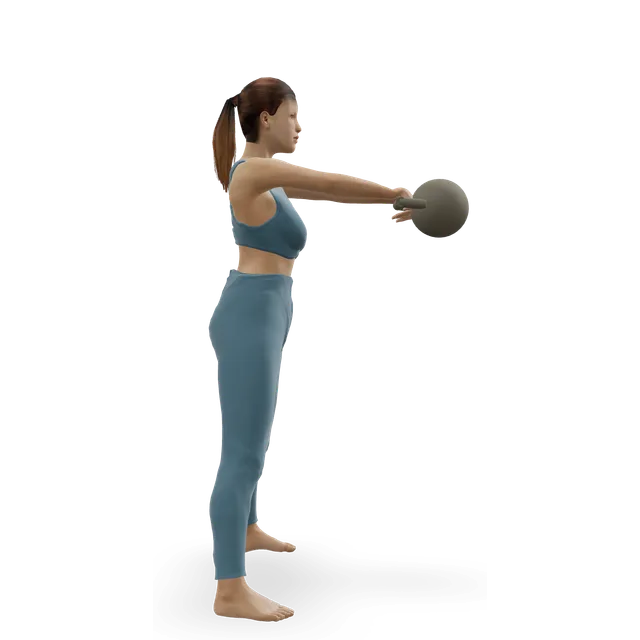
A 20-minute kettlebell swing workout: 30 seconds of swings, 30 seconds of rest, building to the 12 rounds a training trial used, then carries.

20 minIntermediate7 movesA kettlebell, A dumbbell

Learn to deadlift: hinge to bar workout

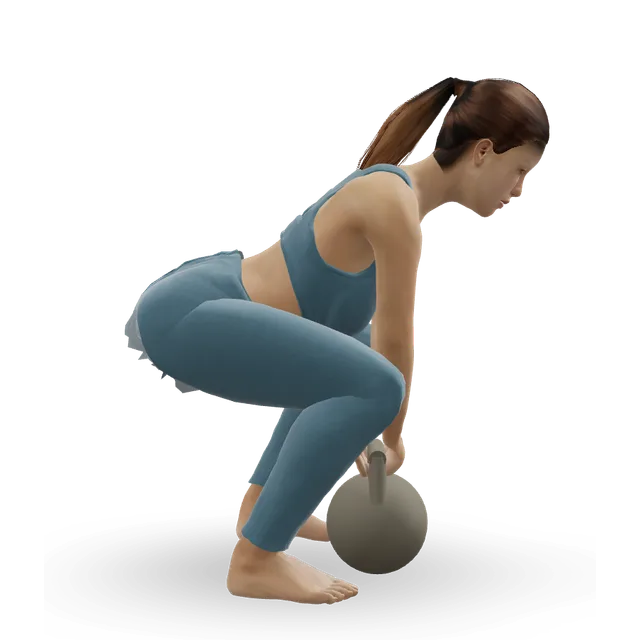
A 30-minute session from the hip hinge to your first deadlift: hinge practice, kettlebell deadlifts, slow Romanian deadlifts, a light bar and a carry.

30 minBeginner9 movesA kettlebell, A dumbbell

Climbers' antagonist and shoulder workout

A 30-minute antagonist workout for climbers: push-ups and presses, band rotations, Y-T-W raises and face pulls, wrist and finger extensions, and a side plank.

30 minBeginner13 movesA band, A dumbbell

Hand exercises for rheumatoid arthritis (the SARAH programme)

The daily stretches and strengthening moves from the SARAH hand trial and NHS hand therapy leaflets: finger bends, finger walking, wrist circles, squeezes and pinches.

15 minBeginner7 movesA dumbbell, A bench or box

Plans that build your grip

Whole-body plans with carries, swings or heavy pulls that work your grip along the way.

When to stop and get help

Call 999 now (911 in the US)

Sudden weakness or numbness in one arm or down one side of your body, a face that droops on one side, or trouble speaking can be a stroke. Call 999 even if the symptoms go away.

Source 44

Get help the same day (NHS 111; in the US, urgent care)

For a finger injury when:

  • You heard a snap, grinding or popping noise at the time.
  • You can't move the finger or hold things, or it has changed shape or colour.
  • You've lost feeling after the injury, or the pain is severe or makes you feel faint, dizzy or sick.

Source 45

See a GP

  • Numb hands, tingling or pins and needles, a weak thumb or difficulty gripping, often worse at night: these can be signs of carpal tunnel syndrome.
  • Pins and needles that are constant or keep coming back.
  • Finger pain with tingling or numbness, or that isn't better after 2 weeks.
  • Pain on the outside of the elbow when you grip that's still there after 2 weeks of rest and looking after it yourself.
  • A finger that catches or locks.
  • Painful, swollen, stiff joints, especially the small joints of the hands, with stiffness in the morning.

Sources 46, 47, 45, 48, 49, 50

During grip training

Stop if your fingers tingle or go numb: that's a nerve, not a tired muscle. With tennis or golfer's elbow, squeeze only as hard as you can without more pain and keep reverse curls light. With blood pressure of 160/100 or higher that isn't yet treated, skip maximal squeezes and long hard holds, and breathe out as you squeeze.

Myths

"A grip trainer will make you live longer"Strong evidence

The link between grip and lifespan is an association. Reverse causation can't be excluded, and no trial has tested whether raising your grip lowers your risk.

Sources 1, 2, 3

"Grip is just forearm size"Mixed evidence

Grip's genetic signals were most enriched in brain and nerve tissue, and grip tracks strength elsewhere in the body, though how closely varies.

Sources 17, 4, 19

"Lifting weights takes care of your grip"Emerging evidence

General lifting raised grip only a little in older adults, and in younger adults the evidence is insufficient. Adding forearm work raised grip by 12 to 14% where pull-up training alone didn't. For health, whole-body training comes first; add grip work if your grip holds you back.

Sources 9, 10, 7

"Straps make your grip weak"Mixed evidence

No study has tested it over time. In single sessions, straps meant more reps and less grip fatigue.

Sources 32, 30, 31

"Dead hangs decompress your spine"Mixed evidence

We found no trial of hanging for the spine, and traction 'has little or no impact' on low back pain across 32 trials. Hangs train your grip and shoulders.

Source 51

"A dead hang tells you your grip strength"Mixed evidence

In a hang you hold your whole body weight, and hang time rose with pull-up training whether or not people trained their forearms. We found no study comparing hang time with a dynamometer.

Source 7

"Squeezing a stress ball every day is enough"Emerging evidence

Light or short programmes did little: 6 sessions changed nothing, and light holds added 2.6 kg in 8 weeks. The programme that worked in older women used 4 to 6 sets of 8 to 15 squeezes, twice a week.

Sources 26, 27, 6

"Handgrip holds for blood pressure are grip training"Emerging evidence

They lower blood pressure by about 5/3 mmHg, but that's a different goal, and the trials didn't report grip changes.

Source 40

Questions people ask

How can I improve my grip strength?

Train it 2 or 3 times a week alongside whole-body strength training: squeezes and wrist curls, carries, hangs and heavy pulls, plus finger extensions for balance. In two small 8-week trials, direct hand and forearm work raised grip by about 9 to 14%.

How long does it take to improve grip strength?

Weeks. Older women gained 9 to 10% in 8 weeks of twice-weekly training, and young men 12 to 14% in 8 weeks, while 6 sessions over 3 weeks changed nothing in one trial. Retest every 2 to 3 months.

Why is grip strength important?

It's a quick marker of overall strength and health: each 5 kg lower grip went with about a 16% higher risk of death in large studies. That's a link, not proof that training your grip adds years, so train it for what it lets you do, such as carrying, lifting and holding on.

Do hand grippers work?

They raise grip: older women who trained with balls and grippers twice a week gained 9 to 10% in 8 weeks. They train crushing; carries and hangs train holding on, so use both.

What are crush, support and pinch grip?

Crushing closes your hand, support grip holds on over time, as in carrying or hanging, and pinching presses your thumb against your fingers. They're coaching terms: studies measure handgrip on a dynamometer and pinch strength separately.

How do I train pinch grip?

A plate pinch hold is the usual exercise: pinch two smooth plates together at your side for 10 to 20 seconds, 3 times with each hand. We found no trial of pinch training, so that's our editorial suggestion. Skip it or keep it light if the base of your thumb is sore.

Are dead hangs good for grip strength?

They train holding on, and hang time rose with pull-up training in one trial. A hang isn't a grip strength test, though, and can't be scored against grip norms. Build up from short holds with your feet ready to take your weight.

Does lifting weights improve grip strength?

A little: across 24 trials in older adults, exercise raised grip by a small amount, and in younger adults there are too few trials to say. Training that loads your hands, such as kettlebells, carries and deadlifts without straps, did more.

Should I use lifting straps?

For your heaviest sets, yes, if your grip gives out first: straps meant more deadlift reps with less grip fatigue. No study shows they weaken your grip over time; train it on your lighter sets and with carries.

How do I measure my grip strength?

With a hand dynamometer, the same way each time; our grip strength test has the steps and British norms. For one person, a change under about 4 kg may be day-to-day noise.

What causes a weak grip?

Often just disuse, but numbness, tingling or a weak thumb can be signs of carpal tunnel syndrome, and elbow pain when you grip is often tennis or golfer's elbow, so see a GP if they don't settle. Sudden weakness on one side can be a stroke: call 999.

Do grip exercises lower blood pressure?

Isometric handgrip holds lowered blood pressure by about 5/3 mmHg across 31 studies, typically four 2-minute holds per hand up to 3 times a week. Our high blood pressure guide covers how to do them safely.


Sources

  1. Leong 2015 · Grip strength and death in 139,691 adults in 17 countries: the PURE study (cohort study, Lancet)
  2. Celis-Morales 2018 · Grip strength and health in half a million UK Biobank adults (cohort study, BMJ)
  3. Soysal 2021 · Handgrip strength and health outcomes (umbrella review, J Sport Health Sci)
  4. Cruz-Jentoft 2019 · Sarcopenia: revised European consensus on definition and diagnosis (EWGSOP2, Age and Ageing)
  5. Dodds 2014 · Grip strength across the life course: 49,964 people in 12 British studies (pooled normative data, PLoS One)
  6. Gerodimos 2021 · 8 weeks of ball and gripper training in 36 women over 65 (randomised trial, Hand Surg Rehabil)
  7. Sepehri Rahnama 2025 · Forearm or core training added to pull-up training in 30 inactive young men (randomised trial, Sports)
  8. Akbaş 2025 · Hand-focused training and grip strength in healthy adults: 22 trials (meta-analysis, J Clin Med)
  9. Labott 2019 · Exercise training and grip strength in older adults: 24 trials, 3,018 people (meta-analysis, Gerontology)
  10. Abe 2023 · Resistance training and grip strength in healthy adults: 20 trials (systematic review, Int J Clin Med)
  11. Meigh 2022 · Kettlebell training and grip strength in 32 adults aged 59 to 79: the BELL trial (non-randomised controlled trial, BMC Geriatr)
  12. Abe 2025 · How much grip strength readings vary from test to test: 48 studies (meta-analysis, J Sports Sci Med)
  13. Abe 2025 · Year-to-year stability of grip strength in 3,649 students (cohort study, J Sports Sci Med)
  14. Petersen 1989 · Grip strength and hand dominance in 310 people: challenging the 10% rule (study, Am J Occup Ther)
  15. Wu 2017 · Grip strength and death, heart disease and cancer: 42 cohorts (meta-analysis, J Am Med Dir Assoc)
  16. López-Bueno 2022 · Grip strength thresholds and death: 48 studies (dose-response meta-analysis, Ageing Res Rev)
  17. Tikkanen 2018 · The genetics of muscular strength in UK Biobank (genome-wide and Mendelian randomisation study, Sci Rep)
  18. Rodacki 2020 · Grip strength, leg strength and function in 199 older women (cross-sectional study, Clin Interv Aging)
  19. Strandkvist 2021 · Grip strength and leg strength in 45 adults over 70 (cross-sectional study, Arch Gerontol Geriatr)
  20. Chen 2020 · Asian Working Group for Sarcopenia: 2019 consensus update on diagnosis and treatment (J Am Med Dir Assoc)
  21. Mathiowetz 1985 · Grip and pinch strength norms in 638 adults (normative study, Arch Phys Med Rehabil)
  22. López-Rivera 2019 · Three hangboard programmes and grip endurance in 26 climbers (trial, J Hum Kinet)
  23. Karatrantou 2020 · Extra handgrip training in 72 young wrestlers (trial, Int J Sports Med)
  24. Barss 2018 · How quickly handgrip training strengthens each hand (trial, J Appl Physiol)
  25. Boyes 2017 · Handgrip training 10 or 3 times a week in 19 adults (trial, Muscle Nerve)
  26. Bartolomé 2021 · 3 weeks of handgrip training in 54 young men (trial, Int J Environ Res Public Health)
  27. Yusof 2019 · 8 weeks of isometric handgrip training in 30 men (single-group study, Biol Sport)
  28. Campa 2021 · Suspension vs traditional resistance training for 12 weeks in 36 older men (randomised trial, Nutrients)
  29. Toselli 2020 · Lifting once or three times a week for 24 weeks: grip strength in 42 women (randomised trial, Int J Environ Res Public Health)
  30. Jukic 2021 · Lifting straps and deadlift bar speed, grip and effort in 16 men (crossover study, Physiol Behav)
  31. Trahey 2023 · Lifting straps and deadlift reps in 10 trained women (crossover study, J Strength Cond Res)
  32. Martins 2026 · Lifting straps: what the evidence shows (exploratory review, Int J Sports Physiol Perform)
  33. Ratamess 2007 · Thick bars and maximal lifts in 11 trained men (acute study, J Strength Cond Res)
  34. Cummings 2018 · Fat-grip training for 8 weeks in 10 golfers (trial, J Strength Cond Res)
  35. Mundry 2021 · Hangboard training in 30 advanced climbers (randomised trial, Sci Rep)
  36. Hermans 2022 · 10 weeks of hangboard training in 35 climbers (controlled trial, Front Sports Act Living)
  37. Saeterbakken 2024 · 5 weeks of finger strength training and bouldering in 31 climbers (randomised trial, Front Physiol)
  38. Edwards 2023 · Exercise training and resting blood pressure: 270 trials (network meta-analysis, BJSM)
  39. Hansford 2021 · Isometric training for adults with high blood pressure: 24 trials (meta-analysis, Hypertens Res)
  40. Lin 2026 · Isometric handgrip exercise and blood pressure: 31 studies (meta-analysis, J Clin Hypertens)
  41. Østerås 2017 · Exercise for hand osteoarthritis (Cochrane review)
  42. Lamb 2015 · Exercises for the rheumatoid hand in 490 adults: the SARAH trial (randomised trial, Lancet)
  43. Williamson 2017 · The SARAH trial after about 2 years (extended follow-up, BMJ Open)
  44. NHS · Symptoms of a stroke
  45. NHS · Finger pain
  46. NHS · Carpal tunnel syndrome
  47. NHS · Pins and needles
  48. NHS · Tennis elbow
  49. NHS · Trigger finger
  50. NHS · Rheumatoid arthritis
  51. Wegner 2013 · Traction for low back pain: 32 trials (Cochrane review)

Exercise education, not a personal prescription, and clinical review of these guides is pending. Check with a GP before starting hard training if you have a heart condition, chest pain, dizziness or breathlessness when active, and stop for sharp or increasing pain. Health disclaimer.