Strength at home
7-minute workout: follow-along timer, 12 moves
Twelve moves, 30 seconds each, with 10 seconds to get to the next: the circuit described in ACSM's Health & Fitness Journal in 2013. One round takes about 8 minutes, and the article's authors suggested doing 2 or 3, so repeat the moves once one round feels manageable. Two stations use stand-ins until we have demos: a fast march for high knees (move 9) and a plain push-up for the push-up and rotation (move 11). With high blood pressure or heart disease, the authors advised swapping the wall sit and planks for moving exercises, or checking with your doctor first.
Warm-up
- Standing march60 sBeginner · Hip flexors, Abs, Glutes · 3D demoEasy at first, building to brisk, arms swingingHarder: Standing band hip flexion
- Bodyweight squat6 repsBeginner · Quads, Glutes, Hamstrings · 3D demoSlow, to a depth you can controlEasier: Sit squat (partial squat)Harder: Dumbbell goblet squat
- Beginner · Hip abductors, Shoulders, Calves · 3D demoEasier: Seated marchHarder: Jumping jack



Moves 1 to 6
- Jumping jack30 s on, 10 s offBeginner · Calves, Shoulders, Quads · 3D demoMove 1. Easier: step jacks, stepping out instead of jumpingHarder: Mountain climbers
- Wall sit30 s on, 10 s offBeginner · Quads, Glutes · 3D demoMove 2. Breathe throughout and never hold your breath. Easier: slide only part-way down. With high blood pressure or heart disease, do slow sit-to-stands from a chair instead, or ask your doctor firstEasier: Straight-leg raiseHarder: Spanish squat (band squat hold)
- Push-up30 s on, 10 s offIntermediate · Chest, Triceps, Shoulders · 3D demoMove 3. Elbows about 45 degrees from your sides. Easier: hands on a bench, a worktop or the wallEasier: Wall push-upHarder: Close-grip push-up (close triceps position)
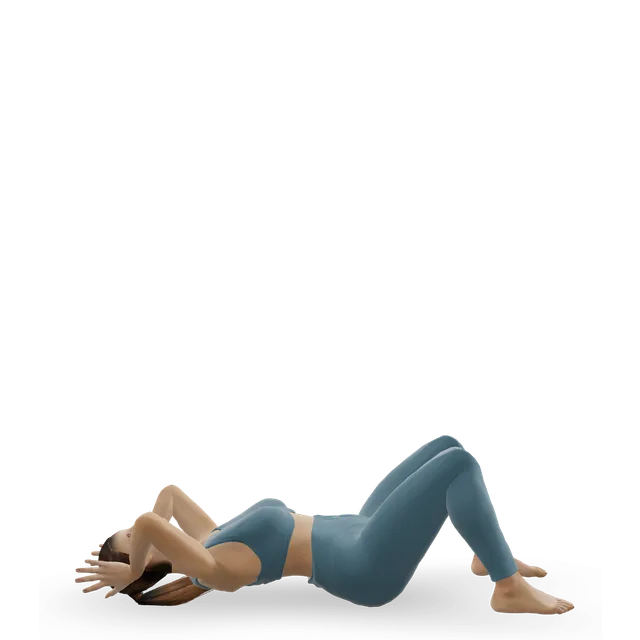
- Crunch30 s on, 10 s offBeginner · Abs · 3D demoMove 4. Easier, or with back pain or osteoporosis: dead bugs. In later pregnancy, swap for standing punchesEasier: McGill curl-upHarder: Sit-up (3/4 sit-up)
- Step-up30 s on, 10 s offBeginner · Glutes, Quads, Hamstrings · 3D demoMove 5. A stable step or the bottom stair, not a chair that can tip; change legs halfway. Easier: a lower stepEasier: Low step-upHarder: Dumbbell step-up
- Bodyweight squat30 s on, 10 s offBeginner · Quads, Glutes, Hamstrings · 3D demoMove 6. Easier: sit-to-stands from a chairEasier: Sit squat (partial squat)Harder: Dumbbell goblet squat




Moves 7 to 12
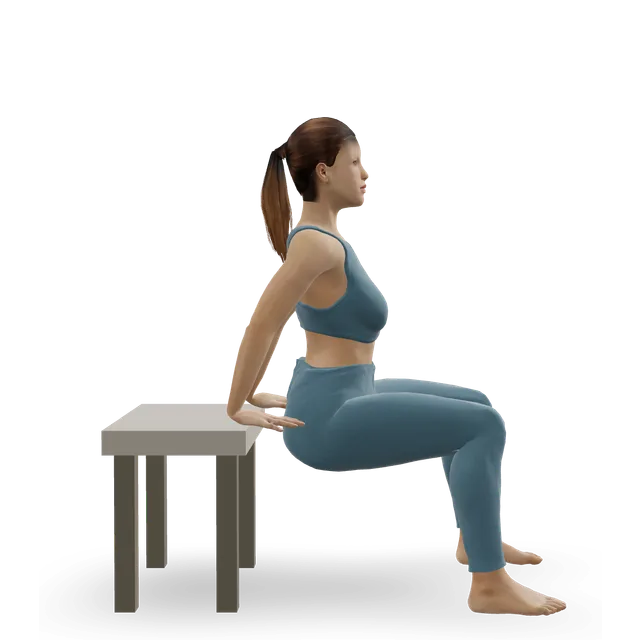
- Bent-knee bench dip30 s on, 10 s offBeginner · Triceps, Chest, Shoulders · 3D demoMove 7. Hands on a sturdy chair pushed against a wall; lower only as far as the front of your shoulders is comfortable, and skip it if a shoulder hurts. Harder: straighter legsHarder: Parallel bar dip
- Forearm plank30 s on, 10 s offIntermediate · Abs, Shoulders, Glutes · 3D demoMove 8. Stop if your hips start to sag. Easier: knee plank. With high blood pressure or heart disease, do dead bugs instead, or ask your doctor first; with heart failure, skip planksEasier: Stomach vacuum (drawing-in)Harder: Plank walk-up
- Standing march30 s on, 10 s offBeginner · Hip flexors, Abs, Glutes · 3D demoMove 9, standing in for high knees or running on the spot: march fast, knees up towards hip height, arms pumping. Easier: a steady marchHarder: Standing band hip flexion
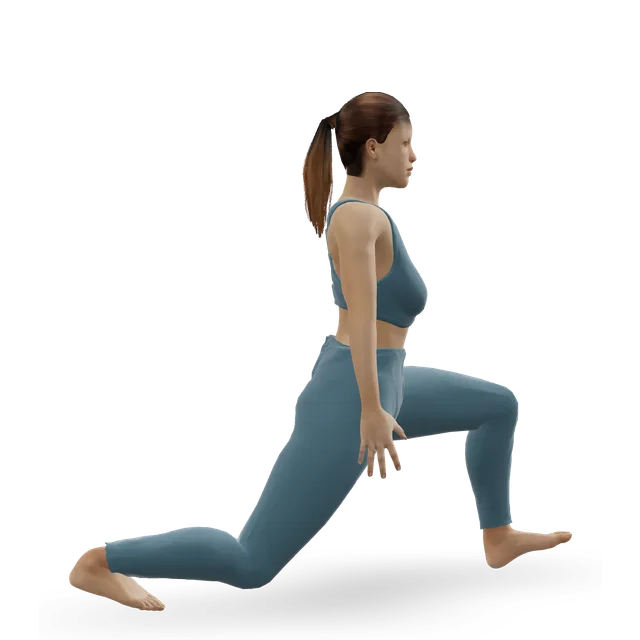
- Reverse lunge30 s on, 10 s offIntermediate · Quads, Glutes, Hamstrings · 3D demoMove 10. Alternate legs, on clear, non-slip floor. Easier: split squats with a hand on the wallEasier: Split squatHarder: Split squat with dumbbells
- Push-up30 s on, 10 s offIntermediate · Chest, Triceps, Shoulders · 3D demoMove 11, standing in for the original's push-up and rotation. Easier: hands on a benchEasier: Wall push-upHarder: Close-grip push-up (close triceps position)
- Side plank15 s each side, 10 s offIntermediate · Abs, Hip abductors, Shoulders · 3D demoMove 12. Easier: knee side plank. With high blood pressure or heart disease, do dead bugs instead, or ask your doctor firstEasier: Knee side plankHarder: Side plank with leg lift


Cool-down
- Standing march60 sBeginner · Hip flexors, Abs, Glutes · 3D demoSlow right downHarder: Standing band hip flexion
- Standing quad stretch20 s each sideBeginner · Quads, Hip flexors · 3D demoOptional, for comfort; hold a wallHarder: Couch stretch

Tips
- One round is the 7 minutes. Add a round when one feels manageable, about every 2 weeks, up to 2 or 3, marching easily for 1 to 2 minutes between rounds.
- Do it 3 days a week with a day between, as an 8-week trial did. In trials, one round mainly built push-up endurance; longer sessions did more for fitness.
- Go by your breathing, not a heart rate number: by the end of the cardio moves you should be down to a few words. In circuits, heart rate reads higher than the effort really is.
- With high blood pressure or heart disease, the article's authors advised swapping the wall sit, plank and side plank for moving exercises. If your doctor is happy for you to do the holds, keep breathing throughout and stop if you feel dizzy. Our wall sit workout for blood pressure follows the routine from blood pressure trials.
- Leak when you jump, or have sore knees or feet? Use step jacks and a brisk march, and see our pelvic floor guide.
- Pregnant? Don't start this as a new vigorous routine. If you already do it, avoid lying flat on your back for more than a few minutes in later pregnancy: swap the crunches for standing punches.
- If you're inactive and have heart, metabolic or kidney disease, or get chest pain, dizziness or unusual breathlessness when active, check with your GP first.
The doses are suggested starting points, not a prescription. Choose a range you can control and stop for sharp or increasing pain, numbness or tingling. Get individual advice after an injury or surgery, or if you are pregnant or managing a health condition.
Guides that recommend it
Find more moves like these
More strength at home


Beginner bodyweight workout
A 20-minute full-body workout with no equipment: squats, knee push-ups, bridges, lunges and planks.
20 minBeginner10 movesNo equipment

Full-body bodyweight workout
An intermediate no-equipment workout: push-ups, split squats, single-leg bridges, pike push-ups and core work.
30 minIntermediate11 movesNo equipment


Full-body dumbbell workout
A 35-minute full-body strength workout with dumbbells: goblet squats, presses, rows, Romanian deadlifts and carries.
35 minIntermediate9 movesA band, A dumbbellQuestions people ask
How long does the 7-minute workout: follow-along timer, 12 moves take?
About 12 minutes, including any warm-up and cool-down listed. Shorten it by doing fewer rounds; lengthen it by adding one.
What equipment do I need?
You need: A wall, A step, A bench or box. Each move links to its guide, where you can find an alternative if you are missing something.
Is it suitable for me?
It is written at intermediate level. 9 of its 13 moves have an easier option listed beside them; use them freely.
How do I make it easier or harder?
Use the easier or harder option listed under each move, change the number of rounds, or adjust the rest. Progress one change at a time.