Exercise guide

Exercise for wheelchair users: cardio, strength and protecting your shoulders

Exercise is safe and worth doing when you use a wheelchair, and you can start at home with a resistance band. Most of the research comes from people with a spinal cord injury, so this guide is built on that, but its advice on how much to do, looking after your shoulders and staying safe applies to most people who exercise sitting down, whatever the reason you use a wheelchair.

The short version: aim for at least 20 minutes of seated cardio twice a week and strength exercises twice a week, building to 30 minutes of cardio 3 times a week. Make shoulder exercises a regular part of it, because your shoulders do the work of walking. If your injury is at the sixth thoracic level (T6) or above, know the signs of autonomic dysreflexia.

This guide gives you the guidelines, the shoulder programme from the trials, seated moves with 3D demos, a follow-along workout, and the warning signs.

The short version

Exercise is safe and worth doing

UK guidance found no evidence that appropriate activity is a risk for disabled adults, and says the myth that activity is harmful for disabled people should be dispelled. The World Health Organization (WHO) found no major risks when activity suits your current level, health and function, and the benefits outweigh the risks.

Sources 1, 2, 3

How much, after a spinal cord injury

For fitness and strength: at least 20 minutes of moderate to vigorous aerobic exercise twice a week, plus 3 sets of strength exercises for each major muscle group you can use, twice a week. For heart and metabolic health: at least 30 minutes of aerobic exercise 3 times a week. Canada's version calls these the starting and advanced levels.

Sources 4, 5

Look after your shoulders

Between 30% and 73% of people with a spinal cord injury have shoulder pain, because the arms do the work of walking. In a randomised trial of 80 people with paraplegia and long-standing shoulder pain, a 12-week home programme of shoulder strengthening and stretching, with advice on transfers and pushing, cut pain to about a third of where it started.

Sources 6, 7

Seated cardio counts

An arm bike, a hand bike, wheeling, swimming and dancing all count as aerobic exercise. Arm cranking improved fitness after spinal cord injury in 18 studies, and small studies haven't found that it raises the risk of shoulder pain.

Sources 5, 8

Know autonomic dysreflexia

If your injury is at T6 or above, a pounding headache, flushing or sweating above your injury, or a stuffy nose can mean your blood pressure is dangerously high. Sit up, loosen anything tight, check your bladder, bowel and skin, and call 999 (911 in the US) if you can't find the cause or the symptoms don't settle.

Sources 9, 10

Look after your skin and keep cool

Shift your weight regularly, check your skin, and don't exercise on a mark or sore over a pressure area. With a high injury you may not sweat below it, so exercise somewhere cool, with a fan, a water spray and cold drinks.

Sources 11, 12, 13

Wheelchair users and spinal cord injury

Many reasons to use a wheelchair

People use wheelchairs because of a spinal cord injury, multiple sclerosis (MS), cerebral palsy, an amputation, a stroke and many other conditions, and some walk short distances and use a chair for longer ones. In the UK, disabled adults are almost twice as likely as non-disabled adults to be physically inactive (39.3% compared with 19.7%), and 79% say their impairment or condition stops them being as active as they'd like.

Source 14

Spinal cord injury

Damage to the spinal cord, from a fall, a road accident, violence or sport, or from causes such as a tumour, an infection or a problem with the blood supply. It can cause a complete or partial loss of movement and feeling below the injury. In paraplegia the legs are affected and the arms work; in tetraplegia the arms are affected too. About 15.4 million people worldwide live with a spinal cord injury, and in the UK someone has one every 2 hours, about 4,700 a year.

Sources 15, 16

Fitness

With paralysed legs, aerobic exercise uses the smaller muscles of the arms, which limits how hard you can work. People with a spinal cord injury have been described as being at the lowest end of the human fitness range, and about half of those in the US report no leisure-time activity. Fitness is lowest with tetraplegia, but it can still be trained.

Sources 17, 12

Heart rate and blood pressure

With an injury at T6 or above, resting blood pressure is often low (a top number of 90 to 110, or 80 to 90 with a neck injury), your heart rate can't rise as high as usual, and your blood pressure can fall when you sit up. In one study this fall happened in half of people with a neck injury and 18% with an injury lower down, often without symptoms.

Sources 13, 10

Autonomic dysreflexia

With an injury at T6 or above, something painful or irritating below the injury, most often a full bladder, can set off a sudden, dangerous rise in blood pressure: more than 20 points above your usual top number. The Spinal Injuries Association says it should always be treated as a medical emergency. It is about 3 times as common after a complete neck injury as after an incomplete one, but it can happen with incomplete injuries too, sometimes with milder symptoms.

Sources 13, 10

Temperature

Below a high injury you may not sweat or shiver normally, so you can overheat during exercise or get cold more easily.

Sources 13, 12

Skin and bone

Reduced feeling and long hours sitting raise the risk of pressure ulcers over bony areas such as the tailbone, hips, heels and elbows. Bone is lost quickly below a spinal cord injury, so a leg can break in a minor fall.

Sources 18, 19, 20, 12

Shoulders, elbows and wrists

Pushing a manual chair, transfers and pressure-relief lifts make your arms do the work of legs: during a transfer, the pressure inside the shoulder joint is about 2.5 times what it is when the arm isn't bearing weight. Shoulder pain affects 30% to 73% of people with a spinal cord injury, and carpal tunnel syndrome 40% to 66%.

Sources 21, 6

Heart and metabolism

Problems with blood sugar, cholesterol, blood pressure and body fat that raise heart risk (cardiometabolic syndrome) affect 31% to 72% of adults with a spinal cord injury, depending on how they're defined, and body mass index (BMI) underestimates body fat after an injury. In a Canadian survey of over 60,000 people, those with a spinal cord injury had 2.7 times the odds of heart disease and 3.7 times the odds of stroke.

Sources 17, 22

Differences between people

The level of your injury, and whether it's complete, shape what exercise looks like more than anything else. In a Swiss survey of 1,549 people, shoulder pain was more likely in women (1.89 times the odds), with tetraplegia or complete paraplegia, and with spasticity or contractures; the primary care guide adds higher weight and older age. These are patterns, not reasons to train differently. Women with an injury at T6 or above have a higher risk of severe dysreflexia in pregnancy, labour and breastfeeding, and should be looked after by a specialist team. Adults over 65 were almost absent from the trials behind the guidelines.

Sources 23, 6, 13, 4

What the evidence says

Exercise and fitness after a spinal cord injuryStrong evidence

The 2018 international guidelines rest on a review of 211 studies, 189 of them in people injured more than a year earlier. Confidence was moderate to high that exercise improves fitness, power, strength, body composition and heart risk markers. In the first year after injury the evidence was very low, and bone health didn't improve. Side effects were rare apart from occasional muscle or joint pain.

Sources 4, 24

A 9-month trialEmerging evidence

34 people with spinal cord injuries from the neck to the lower back were randomised to 9 months of arm cranking and strength training twice a week, or to carry on as usual. The exercise group's arm-cranking power rose by 81% and their upper-body strength by 19% to 34%, and they reported less pain, stress and depression and better quality of life. They came to 82.5% of sessions.

Source 25

Wellbeing and quality of lifeEmerging evidence

In 19 trials (797 adults under 65), exercise improved wellbeing and quality of life by small to moderate amounts, but the certainty was low, and 4 serious side effects were probably linked to the exercise. In 21 earlier studies, more active people reported better wellbeing and fewer symptoms of depression.

Sources 26, 27

Arm crankingEmerging evidence

In 18 studies (235 people), arm cranking for 30 to 40 minutes, 3 to 5 times a week improved fitness (moderate certainty); its effects on body fat, heart risk and quality of life were very uncertain. Small studies haven't found that it raises the risk of shoulder pain or other injuries. A review of 7 randomised trials found the results inconsistent but judged it suitable and safe.

Sources 8, 28

Exercise for shoulder painEmerging evidence

In 4 trials (167 manual wheelchair users with a spinal cord injury), exercise with a physiotherapist reduced shoulder pain by 19 points on a 150-point scale and improved function. In 7 studies, arm cranking, strengthening and stretching each reduced pain by more than the smallest change the scale can detect. The trials are few and small.

Sources 29, 30

STOMPS: a trial in people with shoulder painEmerging evidence

In the STOMPS trial (strengthening and optimal movements for painful shoulders), 80 people with paraplegia and long-standing shoulder pain were randomised to a 12-week home programme of shoulder strengthening and stretching, with advice on transfers, pressure-relief lifts and pushing, or to an education video. Pain fell to about a third of where it started in the exercise group and didn't change with the video, and strength and quality of life improved. Many people dropped out, and people with tetraplegia weren't included. Stronger muscles that turn the arm outwards explained much of the gain.

Sources 7, 31

Preventing shoulder painEmerging evidence

The same programme was taught to 100 manual wheelchair users with paraplegia who had no shoulder pain. New shoulder pain appeared in 11% after 18 months and 24% after 3 years, compared with 27% and 40% in an earlier group of patients who weren't taught it. That comparison wasn't randomised, so the real effect may be smaller. People who did the exercises about 3 times a week in the first 4 months were more likely to stay free of pain than those who did them about twice.

Source 31

Being active doesn't wear out shouldersEmerging evidence

In 223 people with paraplegia followed for 3 years, being more active didn't predict new shoulder pain. People who developed pain had been 10% to 15% weaker beforehand, especially in the muscles that pull the arm in, and less active. The upper limb guideline says its advice to cut down repetitive tasks shouldn't be taken as advice to do less activity overall.

Sources 32, 21

Bone below the injuryMixed evidence

Bone is lost quickly below the injury. In 11 trials of electrical stimulation with exercise, standing, vibration and other treatments, only 3 showed a benefit to bone density, and most had some risk of bias. The 2018 guidelines found too little evidence on bone, and medicines and fracture prediction after a spinal cord injury have limited evidence too. Ask your spinal centre about bone health rather than relying on exercise.

Sources 20, 4, 33

Electrical stimulation cyclingEmerging evidence

Cycling driven by electrical stimulation of the leg muscles (functional electrical stimulation, or FES, cycling) improved the health of the leg muscles in 92 studies (999 people, high certainty) and may improve power and fitness (low certainty). It needs specialist equipment and wasn't part of the 2018 guidelines, because there weren't enough high-quality trials.

Sources 34, 4

How much for heart healthMixed evidence

A spinal cord medicine guideline recommends at least 150 minutes of exercise a week, as you're able, from as soon as possible after injury. Its evidence is low level, and critics say parts of it are borrowed from research in people without a spinal cord injury. The international guideline's 30 minutes 3 times a week is the smallest amount shown to help, not the most you can do.

Sources 17, 35, 4

How much exercise

The spinal cord injury guidelines

Starting level, for fitness and strength: at least 20 minutes of moderate to vigorous aerobic exercise twice a week, and 3 sets of 10 of strength exercises for each major muscle group you can use, twice a week. Advanced level, which adds heart and metabolic benefits: 30 minutes of aerobic exercise 3 times a week, with the same strength work. They're for adults aged 18 to 64 more than a year after injury; check with a health professional first if your injury is recent, you're older, or you have other conditions.

Sources 4, 5, 36

The goal for all disabled adults

UK and WHO guidance for disabled adults is the same as for everyone: build towards 150 minutes of moderate activity a week, with strength (and balance where you can) on at least 2 days, and don't stay still for too long. Wheeling your wheelchair counts as strengthening activity, and even a little movement is better than nothing.

Sources 1, 37, 2

Strength: sets and reps

The trials used 3 sets of 10 at a moderate to hard effort. Active Homes, a home guide for people with paraplegia, starts at 3 sets of 8 to 10 of each exercise, at least twice a week but not 3 days in a row, and moves from 3 sets of 8 to 3 sets of 10, then to a heavier band or weight. The upper limb guideline starts more gently, with 1 set of 8 to 12 reps, 2 to 3 days a week.

Sources 4, 38, 21

How hard: the talk test

Moderate means you can talk but not sing; vigorous means you can't say more than a few words without pausing. With an injury at T6 or above your heart rate rises less than usual, so don't chase heart-rate targets. Rating your effort on a 6 to 20 scale has some support, though the evidence is weak.

Sources 37, 5, 13, 39

Our editorial starting week

Two days: 20 minutes of seated cardio at a talk-but-not-sing effort. Two or three days, not in a row: the wheelchair workout below, with its shoulder exercises. Every day: shift your weight, check your skin, and break up long spells of sitting still. After 4 to 8 weeks, build the cardio to 30 minutes, 3 times a week.

Sources 4, 31, 11

Protect your shoulders

Why it matters

Shoulder pain after a spinal cord injury is mostly overuse of the rotator cuff, the muscles that hold the shoulder joint together. It comes from taking weight on your arms in transfers and pressure-relief lifts, from pushing, and from reaching up from a seated position. Up to 72% of people develop it within 20 years of injury. Because your shoulders do the work of walking, they're worth protecting from the start.

Sources 6, 31

The STOMPS exercises

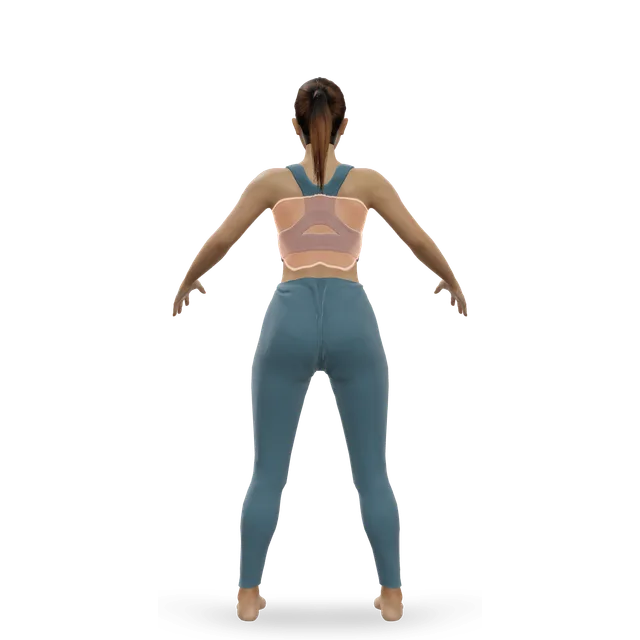
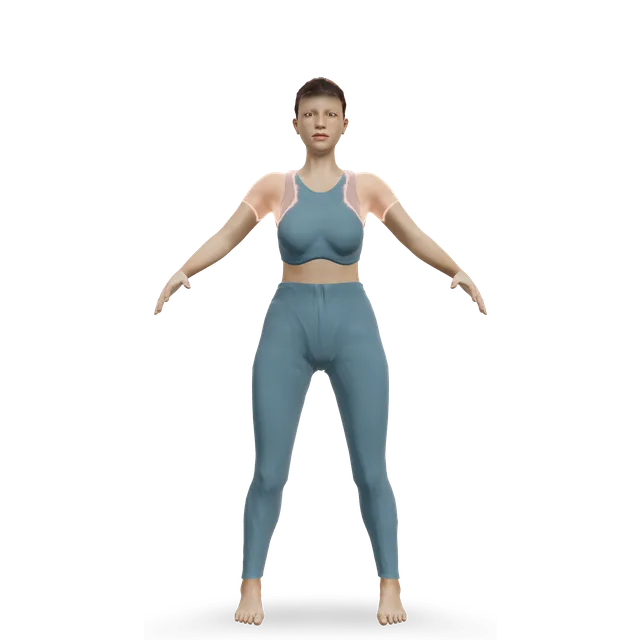
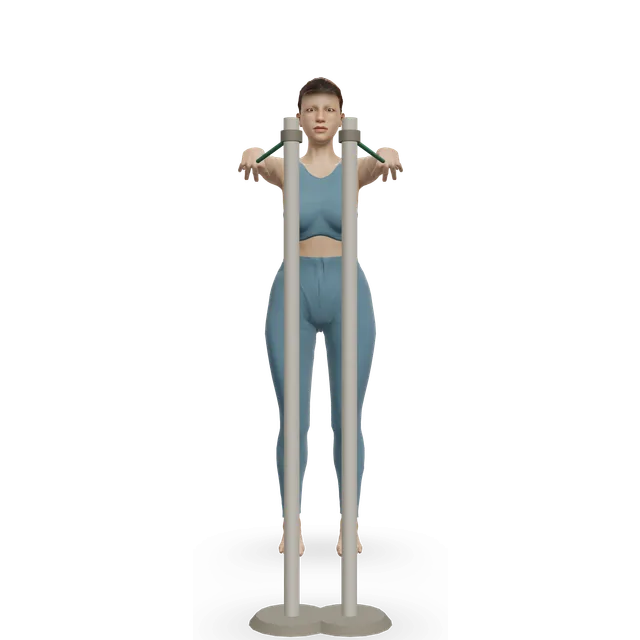
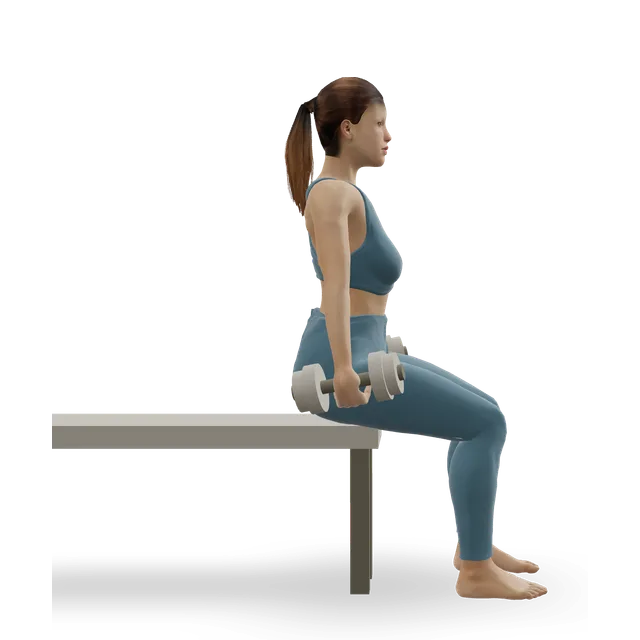
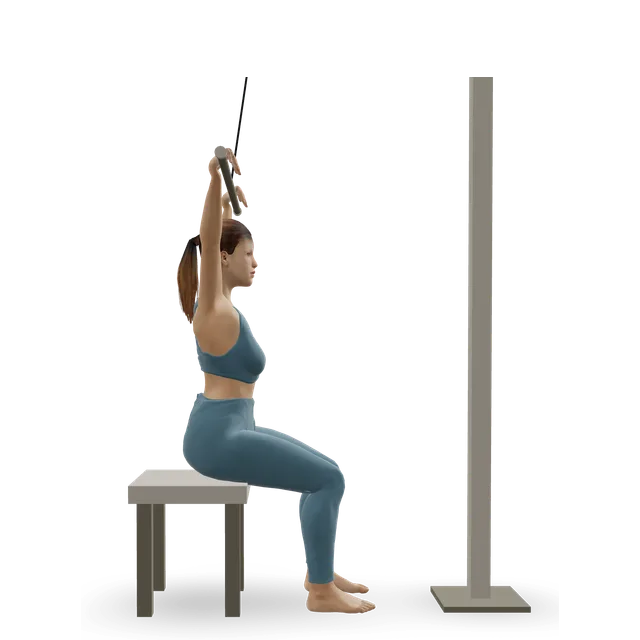
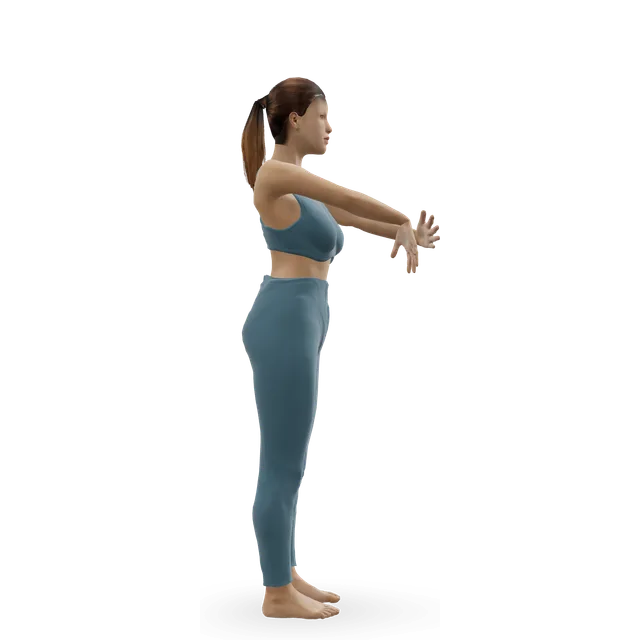
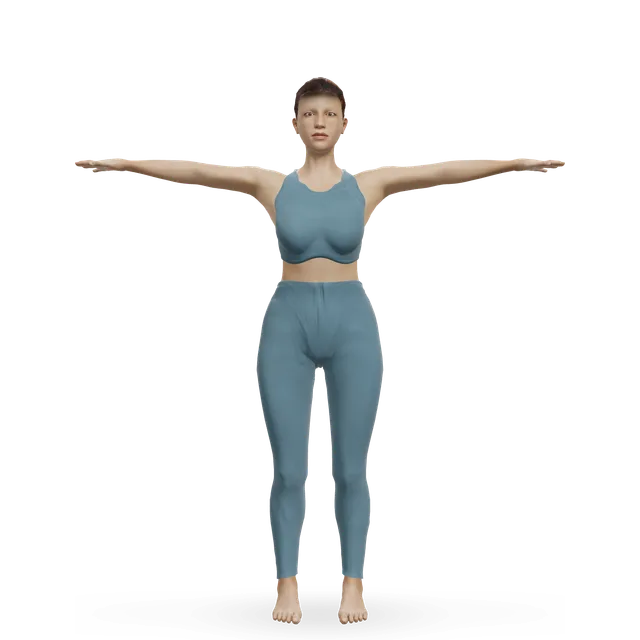
Four strengthening exercises with a band and a light weight: rows that draw your shoulder blades back (3 sets of 15); turning the arm outwards with your elbow at your side (3 sets of 8); pull-downs from no higher than shoulder height (3 sets of 8); and raising your arms a little forward of sideways to shoulder height, thumbs up (3 sets of 15). Plus 3 stretches: the front of the shoulder, the back of the shoulder and the top of the shoulder (the upper trapezius).

Sources 31, 6

How often and how hard

3 days a week, with a rest day between. At first, set the reps and resistance so they don't hurt; after 2 to 4 weeks, use loads you can only just manage for the set (8 or 15 reps), and keep increasing the resistance. The primary care guide also recommends regular checks with a physiotherapist, even without pain.

Sources 31, 6

How you push, transfer and reach

Push with long, smooth strokes, and let your hand drift down below the rim on the way back. Transfer between surfaces of the same height where you can, grip the edge rather than putting your palm flat, vary which arm leads, and consider a transfer board. Keep your hands below shoulder height for everyday tasks: use a reacher and lower shelves.

Sources 21, 6

Your chair

The lightest fully adjustable chair you can get, with the rear axle as far forward as is stable, your elbow bent to 100 to 120 degrees when your hand is at the top of the rim, and tyres kept pumped up. Power assistance or a power chair can help if you're at high risk or already have pain.

Sources 21, 6

What to limit

Leave out dips and other exercises that take your weight on your arms until the muscles that pull the arm down are strong. Keep overhead presses for later, and leave them out if your shoulder hurts or has been injured. For pressure relief, lean forwards or to the side rather than relying on push-up lifts.

Sources 6, 21, 38

If your shoulder already hurts

Our shoulder pain guides allow some discomfort during strengthening. Spinal cord injury guidance is stricter: it says to avoid strengthening exercises that are painful, and to treat pain as early as possible so it doesn't become long-term. Choose loads that don't hurt, and ask a physiotherapist to check your shoulder, your transfers and how you push.

Sources 21, 31, 6

Shoulder exercises

3 days a week with a rest day between: rows 3 sets of 15, turning out and pull-downs 3 sets of 8, raises to shoulder height 3 sets of 15 (the STOMPS programme), then the three stretches for 30 seconds each side. Sit with your brakes on; most demos are standing, and the pull-down has no demo yet.

Seated cardio

Arm bike and hand bike

Arm cranking is the most common aerobic exercise people with a spinal cord injury do outside hospital, and it's one of the exercises that reduced shoulder pain in wheelchair users. Gyms and rehabilitation units often have an arm bike, and a hand bike takes it outdoors.

Sources 8, 30

Wheeling, swimming and dancing

The Canadian guidelines list wheeling, swimming, hand cycling and dancing as aerobic exercise, and UK guidance counts wheeling as strengthening activity too.

Sources 5, 1

Seated boxing

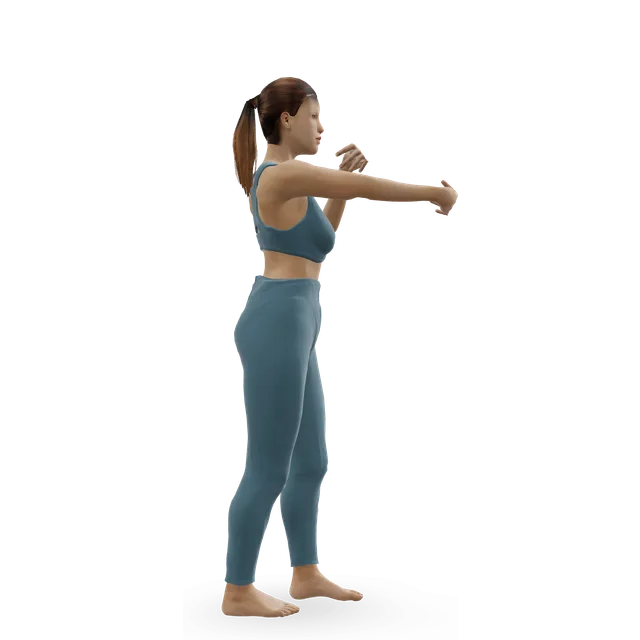
Punching forwards at chest height, as in the seated MS workout, raises your heart rate with the arms only. It hasn't been tested in trials: it's our suggestion for days without an arm bike.

Starting dose

Start with 10 to 20 minutes twice a week, in 3-minute bouts with an easy minute between (our editorial starting point). Build to 20 minutes of moderate to vigorous effort twice a week, then 30 minutes 3 times a week.

Source 4

Seated cardio moves

Work at a talk-but-not-sing effort. The arm crank has no 3D demo yet: follow its written steps. Leg cycling only suits people whose legs work, for example with MS or an incomplete injury.

Strength, stretches and hands

Strength: 3 sets of 8 to 10, at least twice a week but not 3 days in a row (Active Homes). Stretches: 15 to 30 seconds, at least 2 to 3 times a week. Carpal tunnel syndrome is common, so look after your wrists, and skip the wrist flexor stretch if your grip is weak.

Seated core exercises

What you can do depends on your injury: Active Homes says to do weighted trunk twists only if you have control of your abdominal muscles. Holding a light weight at chest level turns the rotation into a trunk twist (3 sets of 8 to 10). The dead bug is done on a bed or mat.

Staying safe: bladder, blood pressure, heat and skin

Before you start

Empty your bladder (and bowel, if that's part of your routine), check your catheter isn't kinked and the bag isn't full, and make sure straps, clothing and shoes aren't tight. Put your brakes on, anchor bands securely, and drink if you sweat.

Sources 11, 12, 10

Autonomic dysreflexia

If your injury is at T6 or above, stop if you get any of the signs below. Stay sitting up, or sit up and lower your legs, loosen anything tight, and look for the cause: your bladder first, then your bowel, then your skin. Call 999 if you can't find it or the symptoms don't settle.

  • A pounding headache.
  • Flushing, blotchy skin or sweating above your injury, or goose pimples.
  • A stuffy nose, blurred vision, a tight chest or a slow pulse.

Sources 9, 10, 38, 13

Be prepared

Carry an emergency card that explains dysreflexia (free from the Spinal Injuries Association), know your usual blood pressure, and never set dysreflexia off on purpose to perform better (boosting): it can cause a dangerous, uncontrollable rise in blood pressure.

Sources 10, 13

Low blood pressure

If you feel light-headed, faint or unusually tired, stop, tilt back or recline, and wait. Compression stockings, an abdominal binder, enough to drink and slow changes of position can help. Low blood pressure and dysreflexia can feel alike, so check your blood pressure if you're unsure; it can also drop after dysreflexia medicine.

Sources 13, 10

Heat and cold

Avoid exercising in the heat, use a fan, a water spray and cold drinks, wear light clothing, and stop to cool down if you feel too hot, dizzy or unwell. In the cold, wear layers and have warm drinks, and take care with heaters on skin you can't feel.

Sources 13, 12, 11

Skin

Don't do exercise that rubs or presses on a mark or sore over a pressure area, and check your skin after using new equipment or seats. Spinal cord injury guidance suggests shifting your weight every 10 to 15 minutes if pressure is a concern, and NICE (the National Institute for Health and Care Excellence) suggests a high-specification foam cushion if you use a wheelchair.

Sources 12, 11, 18, 19

Bones

With thin bones in your legs, move carefully on and off equipment. Get any swelling, redness or change of shape in a leg checked, because you may not feel a broken bone, and a fracture can set off dysreflexia.

Sources 12, 10

Bands and hands

Check bands for nicks and tug-test the anchor first. If your grip is weak, wrap the band firmly, but not too tightly, around your hands. Wash or sanitise your hands after wheeling and before eating.

Sources 38, 12

Workouts to follow

Start with the wheelchair workout, 3 times a week. The seated MS workout adds cardio intervals (leave out its overhead press if you push a manual wheelchair). The shoulder routine's rotator cuff and shoulder-blade blocks can be done seated; skip the moves that take your hands overhead or onto the floor.

If you use a wheelchair for another reason

The shoulder, skin and temperature advice applies widely, and the UK and WHO guidance covers all disabled adults, but the amounts above come from spinal cord injury trials. ME/CFS (myalgic encephalomyelitis or chronic fatigue syndrome) and PoTS (postural tachycardia syndrome) follow different advice, built around energy and posture. For conditions without a guide here, such as muscular dystrophy or motor neurone disease, ask your specialist team.

Multiple sclerosis

Exercise with MS: fatigue, heat, relapses and what helps

MS exercises from NICE and the MS Trust: how exercise helps fatigue, walking and mood, why it doesn't trigger relapses, keeping cool, and seated options.

Cerebral palsy

Exercise with cerebral palsy: strength, fitness and staying active at every age

Cerebral palsy exercises for children and adults from NICE guidance and trials: strength training, fitness, stretching (honestly), falls, fatigue and sport.

Amputation

Exercise after an amputation: strength, balance and fitness with or without a prosthesis

Exercise after a leg or arm amputation, from NHS and physiotherapy guidance: strength, balance, fitness, stump care, phantom pain and falls, with 3D demos.

Stroke

Exercises after a stroke: walking, strength and balance at home

Exercises after a stroke for when you're home from hospital: walking, strength and balance moves, fatigue, blood pressure and the FAST signs to call 999.

Older adults

Exercise for older adults: strength, balance and staying steady

Exercises for seniors from WHO and NHS guidance and falls trials: how much you need, balance and chair exercises, getting up off the floor, and when to stop.

ME/CFS

ME/CFS and exercise: pacing first, no graded exercise, and how to move safely

Exercise with ME/CFS: why NICE advises against graded exercise therapy, how to check for post-exertional malaise, and how to pace and move safely.

PoTS

Exercise for PoTS: start lying down, then build up slowly

Exercise for PoTS: start lying down, then build up. The Levine and CHOP programmes and their evidence, salt, fluids, compression and the warning signs.

Sport and finding activities

Wheelchair sport

WheelPower lists wheelchair sports from archery and athletics to hand cycling, gym and fitness, and para ice hockey. It runs sports festivals for people with a physical disability aged 5 and over, and free online exercise, yoga and boxing-fitness classes.

Source 40

Finding something near you

Every Body Moves, from the British Paralympic Association, helps you find inclusive activities and home workouts. Activity Alliance is the national charity for disabled people in sport and activity.

Sources 41, 42

Warning signs: when to get help

Call 999 (911 in the US)

  • Signs of autonomic dysreflexia (a pounding headache, flushing or sweating above your injury, a stuffy nose, blurred vision or a slow pulse) and you can't find and remove the cause, or the symptoms don't settle after you have.
  • Chest pain that feels tight or like squeezing, or spreads to your arms, neck or jaw, or severe difficulty breathing.
  • Signs of a stroke, such as a face drooping on one side, a weak arm or slurred speech, even if they stop.
  • A fall in which you may have hurt your head, neck, back or hip, or you can't get up.
  • A swollen or painful leg or arm together with breathlessness or chest pain.
  • Signs of sepsis: very fast breathing, confusion or slurred speech, blue, pale or blotchy skin, a very high or very low temperature, or a rash that doesn't fade when you press it.

Sources 9, 10, 43, 44, 45, 46, 47

Get an urgent GP appointment, or call NHS 111

  • A pressure ulcer with hot, swollen or red skin, pus, a high temperature, or pain that's severe or getting worse.
  • A leg that's swollen, red or darker, or throbbing, which may be a clot (deep vein thrombosis, or DVT). With little feeling, swelling or a colour change may be the only sign.
  • A leg that looks swollen, red or misshapen after a knock or a fall, even if it doesn't hurt.

Sources 18, 46, 12, 10

See your GP, spinal team or a physiotherapist soon

  • Shoulder, elbow or wrist pain, or numbness or tingling in your hands: get it treated early, and get your transfers, pushing and chair checked.
  • A patch of skin that doesn't change colour when you press it (on darker skin it may look purple or blue), or you need a cushion or seating review.
  • You often feel light-headed when you sit up.
  • You've had dysreflexia: ask about an emergency card and a kit with your prescribed medicine.

Sources 21, 6, 18, 13, 10

Stop exercising if

  • You feel pain, discomfort, sickness, dizziness or light-headedness, chest pain or shortness of breath.
  • You notice signs of dysreflexia: stop, sit up and find the cause.
  • You feel overheated: stop, cool down and have a cold drink.

Sources 12, 38, 13

If you feel low

Talk to your GP if low mood is affecting your life. In a crisis, call Samaritans on 116 123 or text SHOUT to 85258, and call 999 if you've seriously harmed yourself or feel you might. In the US, call or text 988.

Sources 48, 49

Support

The Spinal Injuries Association's support line is 0800 980 0501.

Source 9

Myths

"Exercise isn't safe for disabled people"Strong evidence

UK guidance found no evidence that appropriate activity is a risk for disabled adults and says this myth should be dispelled. The WHO found no major risks when activity suits your level, health and function. The precautions that matter (dysreflexia, temperature, skin and shoulders) are specific and manageable.

Sources 1, 2

"Exercise will wear out my shoulders"Emerging evidence

In 223 manual wheelchair users followed for 3 years, being more active didn't predict new shoulder pain; being weaker did. The upper limb guideline says cutting down repetitive tasks isn't advice to do less activity, and small studies haven't found that arm cranking raises the risk of shoulder pain. What matters is how you push, transfer and reach, and keeping the shoulder muscles strong.

Sources 32, 21, 8

"Pushing my chair all day is enough exercise"Emerging evidence

Wheeling counts as activity and as strengthening work. But the benefits in the spinal cord injury guidelines come from planned sessions of at least 20 to 30 minutes at a moderate to vigorous effort, plus strength training, and people with a spinal cord injury are among the least fit people there are.

Sources 1, 4, 17

"If I can't manage 150 minutes a week, there's no point"Strong evidence

The spinal cord injury fitness guideline's minimum is 20 minutes of aerobic exercise twice a week plus strength training twice a week, chosen because it's the smallest amount shown to work. UK guidance says even a little movement is better than nothing.

Sources 4, 37

"Standing or exercise will rebuild the bone in my legs"Mixed evidence

Only 3 of 11 trials of electrical stimulation, standing or vibration showed a benefit to bone density, and the 2018 guidelines found the evidence on bone insufficient. Exercise is for your heart, muscles, shoulders and mood; ask your spinal team about bone health.

Sources 20, 4

"Boosting is a safe way to perform better"Strong evidence

Setting off dysreflexia on purpose (boosting) is dangerous: the autonomic dysfunction guideline warns it can cause uncontrollable, life-threatening rises in blood pressure.

Source 13

"Heart-rate zones work the same for everyone"Emerging evidence

With an injury at T6 or above, your maximum heart rate is lower and your heart rate rises less, so heart-rate zones can mislead. Use the talk test, or rate your effort.

Sources 13, 5, 39

Questions people ask

How much exercise should a wheelchair user do?

If you have a spinal cord injury, aim for at least 20 minutes of moderate to vigorous aerobic exercise twice a week, plus strength exercises for each muscle group you can use twice a week. For heart and metabolic health, build to 30 minutes of aerobic exercise 3 times a week. UK and WHO guidance for all disabled adults is to build towards 150 minutes a week, with strength on 2 days, as you're able.

What are the best exercises for wheelchair users?

A mix of seated cardio, such as an arm bike, hand bike, wheeling or swimming, and strength training, with extra work for the muscles at the back of the shoulders. Rows, turning the arm outwards with a band, pull-downs from shoulder height and light raises to shoulder height are the four exercises of the STOMPS shoulder programme.

How can I protect my shoulders in a wheelchair?

Strengthen the muscles that pull the arm down and back and turn it outwards, stretch the front of your chest, and keep your hands below shoulder height for everyday tasks. Push with long, smooth strokes, transfer between surfaces of the same height, and grip rather than putting your palm flat. Get shoulder pain checked early.

Is it safe to exercise with a high spinal cord injury?

Yes, with precautions. Empty your bladder first, check nothing is tight, keep cool, and know the signs of autonomic dysreflexia. Your heart rate may not rise much, so judge your effort with the talk test.

What is autonomic dysreflexia, and what should I do?

It's a sudden, dangerous rise in blood pressure in people with an injury at T6 or above, set off by something below the injury, most often a full bladder. Sit up and lower your legs, loosen anything tight, look for the cause (bladder, then bowel, then skin), and call 999 if you can't find it or it doesn't settle.

What cardio can I do in a wheelchair?

Arm cranking on an arm bike, hand cycling, wheeling, swimming and dancing all count, and seated boxing is another option. Arm cranking improves fitness, and small studies haven't found that it raises the risk of shoulder pain.

Can I build muscle in a wheelchair?

Yes. In the trials behind the spinal cord injury guidelines, 3 sets of 10 at a moderate to hard effort twice a week built strength, and a 9-month programme raised upper-body strength by 19% to 34%. Bands, dumbbells or filled water bottles work at home.

Can exercise help me lose weight in a wheelchair?

Exercise improves body composition after a spinal cord injury, though for arm cranking on its own the evidence on body fat is very uncertain. Body mass index underestimates body fat after a spinal cord injury, so ask your team how best to track your weight and heart health.

Should I exercise my paralysed legs?

Ordinary exercise can't be relied on to protect the bones of paralysed legs. Cycling driven by electrical stimulation of the leg muscles (FES cycling) improves the health of those muscles; ask your spinal centre whether it suits you.

How do I avoid pressure sores when I exercise?

Shift your weight regularly, use a good cushion, check your skin after exercise and after using new equipment, and don't exercise on a mark or sore over a pressure area. See a GP if a patch of skin doesn't change colour when you press it.

I use a wheelchair because of MS, a stroke or cerebral palsy. Does this apply to me?

The general guidance for disabled adults does, and so does the advice on shoulders and skin. The specific amounts come from spinal cord injury trials, so read the guide for your own condition too.

Where can I find wheelchair sports?

WheelPower lists wheelchair sports and runs festivals and free online classes. Every Body Moves and Activity Alliance help you find inclusive activities near you.


Sources

  1. UK Chief Medical Officers 2019 · UK physical activity guidelines (Department of Health and Social Care)
  2. Bull 2020 · World Health Organization guidelines on physical activity and sedentary behaviour, including people living with disability (guideline, British Journal of Sports Medicine)
  3. Carty 2021 · The first global physical activity guidelines for people living with disability (Journal of Physical Activity and Health)
  4. Martin Ginis 2018 · Scientific exercise guidelines for adults with spinal cord injury (international guideline, Spinal Cord)
  5. SCI Guidelines, University of British Columbia 2024 · Physical activity guidelines for adults with spinal cord injury (community version)
  6. Mulroy 2020 · A primary care provider's guide to shoulder pain after spinal cord injury (Topics in Spinal Cord Injury Rehabilitation)
  7. Mulroy 2011 · STOMPS: shoulder strengthening and movement advice for 80 people with paraplegia and shoulder pain (randomised controlled trial, Physical Therapy)
  8. Chiou 2022 · Arm-crank exercise in adults with chronic spinal cord injury: 18 studies (systematic review, Frontiers in Physiology)
  9. Spinal Injuries Association · Autonomic dysreflexia
  10. Spinal Injuries Association 2022 · Autonomic dysreflexia (factsheet)
  11. SCI Guidelines, University of British Columbia · Safety tips for physical activity after spinal cord injury
  12. Loughborough University, Peter Harrison Centre for Disability Sport · Fit for Life: spinal cord injury
  13. Krassioukov 2021 · Autonomic dysreflexia and other autonomic problems after spinal cord injury (clinical practice guideline, Journal of Spinal Cord Medicine)
  14. Activity Alliance · Facts and statistics on disabled people and activity
  15. World Health Organization 2024 · Spinal cord injury (fact sheet)
  16. Spinal Injuries Association · Understanding spinal cord injury
  17. Nash 2018 · Cardiometabolic risk after spinal cord injury (clinical practice guideline, Topics in Spinal Cord Injury Rehabilitation)
  18. NHS · Pressure ulcers (pressure sores)
  19. NICE CG179 · Pressure ulcers: prevention and management (guideline, 2014)
  20. Lippi 2023 · Rehabilitation for bone loss after spinal cord injury: 11 trials (systematic review, Journal of Back and Musculoskeletal Rehabilitation)
  21. Consortium for Spinal Cord Medicine 2005 · Preservation of upper limb function after spinal cord injury (clinical practice guideline, Journal of Spinal Cord Medicine)
  22. Cragg 2013 · Heart disease and stroke after spinal cord injury in a national survey of over 60,000 people (cross-sectional study, Neurology)
  23. Bossuyt 2018 · Shoulder pain in 1,549 people with spinal cord injury in Switzerland (survey, Disability and Rehabilitation)
  24. van der Scheer 2017 · Exercise, fitness and health in adults with spinal cord injury: 211 studies (systematic review, Neurology)
  25. Hicks 2003 · Nine months of arm cranking and strength training in 34 people with spinal cord injury (randomised controlled trial, Spinal Cord)
  26. Ponzano 2024 · Exercise, mental health and quality of life after spinal cord injury: 19 trials (meta-analysis, Archives of Physical Medicine and Rehabilitation)
  27. Martin Ginis 2010 · Physical activity and wellbeing after spinal cord injury: 21 studies (meta-analysis, Spinal Cord)
  28. Alashram 2024 · Arm crank exercise after spinal cord injury: 7 trials (systematic review, PM&R)
  29. Wellisch 2022 · Treating shoulder pain in manual wheelchair users with spinal cord injury: 4 trials (meta-analysis, Spinal Cord)
  30. Cratsenberg 2015 · Exercise programmes for shoulder pain in manual wheelchair users: 7 studies (systematic review, Journal of Neurologic Physical Therapy)
  31. Haubert 2021 · The STOMPS programme taught to 100 manual wheelchair users without shoulder pain (compared with an earlier, non-randomised group; Topics in Spinal Cord Injury Rehabilitation)
  32. Mulroy 2015 · Shoulder strength, activity and new shoulder pain in 223 people with paraplegia (cohort study, Physical Therapy)
  33. Zleik 2019 · Preventing and managing osteoporosis after spinal cord injury (scoping review, Journal of Spinal Cord Medicine)
  34. van der Scheer 2021 · Electrical stimulation cycling after spinal cord injury: 92 studies (systematic review, Journal of NeuroEngineering and Rehabilitation)
  35. Stillman 2019 · The cardiometabolic risk guideline after spinal cord injury: a case of unsubstantiated recommendations (commentary, Spinal Cord Series and Cases)
  36. Hoekstra 2020 · Turning the spinal cord injury exercise guidelines into Canadian community guidelines (Spinal Cord)
  37. UK Chief Medical Officers · Physical activity for disabled adults (infographic text, updated 2026)
  38. SCI Action Canada 2011 · Active Homes: home strength-training guide for people with paraplegia (hosted by WheelPower)
  39. van der Scheer 2018 · Rating exercise effort after spinal cord injury: 7 studies (systematic review, PM&R)
  40. WheelPower · Wheelchair sport, festivals and online classes
  41. Every Body Moves (British Paralympic Association) · Find inclusive sport and activity
  42. Activity Alliance · The national charity for disabled people in sport and activity
  43. NHS · Heart attack
  44. NHS · Symptoms of a stroke
  45. NHS · Falls
  46. NHS · Deep vein thrombosis (DVT)
  47. NHS · Sepsis
  48. NHS · Help for suicidal thoughts
  49. 988 Lifeline · Suicide and crisis support in the US

Exercise education, not a diagnosis or treatment plan, and clinical review of these guides is pending. Stop and get advice for chest pain, unusual breathlessness, dizziness or fainting, or new pain, and check with your doctor or midwife first if they have told you to limit activity. Health disclaimer.