Strength at home
Seated workout for MS: cardio, strength and stretches from a chair or wheelchair
Everything is seated. Use a firm chair without wheels, or put your wheelchair brakes on. Keep the room cool and have a cold drink to hand. Work at a pace where you can talk but not sing, and stop each block with energy to spare: if a block makes your symptoms worse, rest and cool down rather than pushing on. The session is our editorial suggestion, built from expert-consensus seated programmes and the MS Trust's ideas, and it suits anyone who exercises seated.
Warm-up (about 3 minutes)
- Seated march1 minBeginner · Hip flexors, Quads, Abs · 3D demoLift the knees in turn and swing your arms. If your legs don't move easily, swing the arms onlyHarder: Standing march
- Thoracic rotation5 each sideBeginner · 3D demoArms crossed, turning from the ribsHarder: Reverse lunge with rotation
- Chin tuck5 holds of 3 sBeginner · Neck · 3D demoEasier: Lying chin tuckHarder: Isometric neck holds (four-way)
- Breath reach3 breathsBeginner · 3D demo




Seated cardio intervals (about 8 minutes)
3 rounds · Rest 1 min of easy breathing between rounds
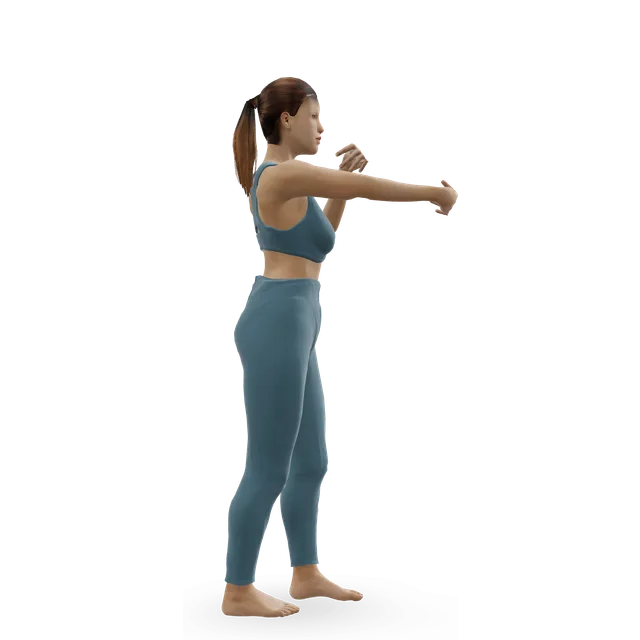
- Beginner · Shoulders, Triceps, Chest · 3D demoSeated: punch forwards or upwards at a steady rhythm, at a talk-but-not-sing effortHarder: Step jack (low-impact jumping jack)
- Seated march1 minBeginner · Hip flexors, Quads, Abs · 3D demoSeated jogging: march the feet and pump the arms as if runningHarder: Standing march
Seated strength (about 9 minutes)
2 rounds · Rest 60 s between rounds
- Beginner · Biceps, Forearms · 3D demoLight dumbbells, or filled water bottlesHarder: Dumbbell biceps curl
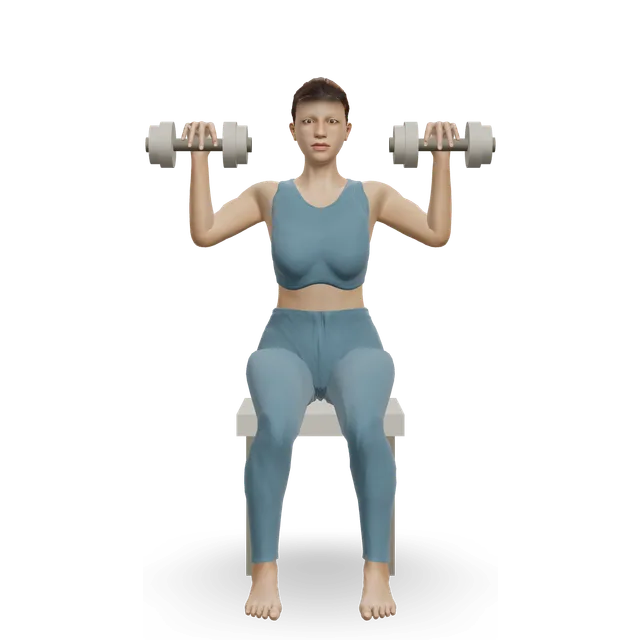
- Intermediate · Shoulders, Triceps · 3D demoLight. Leave it out if reaching overhead hurtsEasier: Machine shoulder pressHarder: Push press
- Band row10Beginner · Back, Biceps, Shoulders · 3D demoSeated, with the band anchored securely at chest heightHarder: Supported single-arm dumbbell row
- Seated knee extension (chair)8 each legBeginner · Quads · 3D demoIf your legs allow; straighten slowly and lower slowlyEasier: Quad set (static quads)Harder: Leg extension
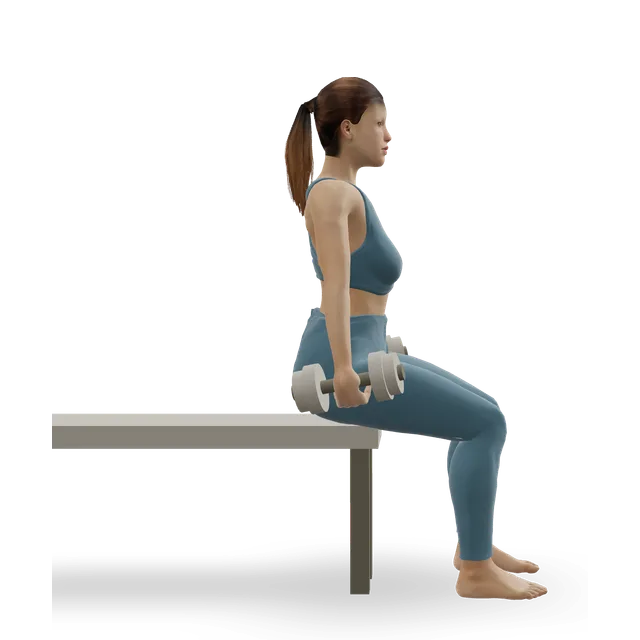
- Beginner · Calves · 3D demoNo weight needed at first. If you add one, pad it and keep a hand on itHarder: Slow calf raise
- Seated upper-back lift (sit tall, shoulders back)3 holds of 5 sBeginner · Back, Shoulders, Neck · 3D demoSit tall, lifting the breastbone a little and drawing the shoulder blades back and downEasier: Elbows backHarder: Prone Y-T-W raises




Cool-down stretches (about 4 minutes)
- Seated overhead side bend20 s, twice each sideBeginner · Back, Abs · 3D demoHarder: Cobra pose (Bhujangasana)
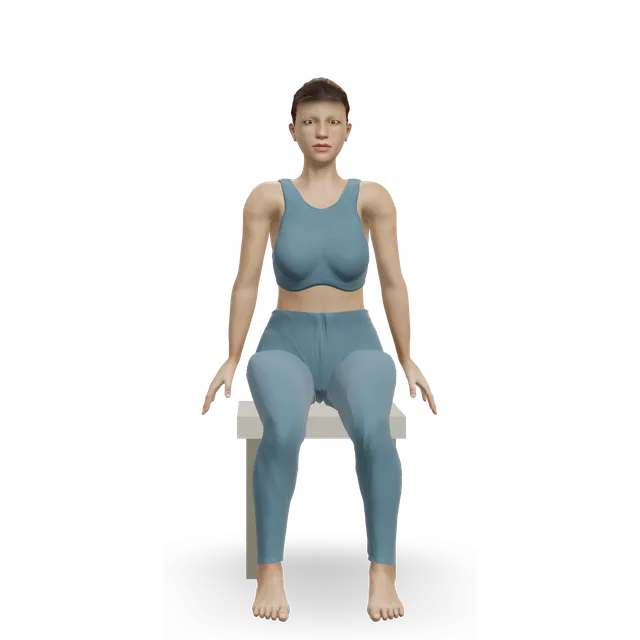
- Chair leg extension and sweep5 each legBeginner · Hamstrings, Calves, Adductors · 3D demoHarder: Contract-relax hamstring stretch (PNF)


Tips
- Pace it: on a tired day, do the warm-up and one block. If you need longer to recover than the workout took, do less next time.
- Build up slowly: add one or two repetitions at a time, and keep at that level for at least three days before adding more (MS Trust). Work up to 3 strength rounds and 5 cardio rounds as it gets easier.
- Heat can bring symptoms on for a few hours. Cool down with a cold drink, a cool shower or cold water on your face and wrists, and they should settle. If new or worse symptoms last more than 24 hours, contact your MS team.
- If you can stand, add some standing exercise on other days, to keep the muscles you stand with strong.
- For people who don't walk, MS experts suggest up to 20 minutes of exercise a day on 3 to 7 days a week, built from shorter sessions with rests (expert consensus).
- A carer or trained assistant can help with stretches if your arms or legs are very weak.
- Call 999 for sudden weakness or numbness in one arm, sudden loss of vision, or chest pain that feels tight or spreads to your arms, neck or jaw.
The doses are suggested starting points, not a prescription. Choose a range you can control and stop for sharp or increasing pain, numbness or tingling. Get individual advice after an injury or surgery, or if you are pregnant or managing a health condition.
Guides that recommend it
Find more moves like these
More strength at home




Beginner bodyweight workout
A 20-minute full-body workout with no equipment: squats, knee push-ups, bridges, lunges and planks.
20 minBeginner10 movesNo equipment


Full-body bodyweight workout
An intermediate no-equipment workout: push-ups, split squats, single-leg bridges, pike push-ups and core work.
30 minIntermediate11 movesNo equipment


Full-body dumbbell workout
A 35-minute full-body strength workout with dumbbells: goblet squats, presses, rows, Romanian deadlifts and carries.
35 minIntermediate9 movesA band, A dumbbellQuestions people ask
How long does the seated workout for ms: cardio, strength and stretches from a chair or wheelchair take?
About 25 minutes, including any warm-up and cool-down listed. Shorten it by doing fewer rounds; lengthen it by adding one.
What equipment do I need?
You need: A bench or box, A dumbbell, A band, An anchor point, Something with weight. Each move links to its guide, where you can find an alternative if you are missing something.
Is it suitable for beginners?
It is written for beginners. 4 of its 14 moves have an easier option listed beside them if you need one.
How do I make it easier or harder?
Use the easier or harder option listed under each move, change the number of rounds, or adjust the rest. Progress one change at a time.