Does exercise reduce the risk of dementia?
Probably a little, but it isn't proven. Active people are about 20% less likely to develop dementia in observational studies, but some of this is because activity falls in the years before dementia is diagnosed. The 2024 Lancet Commission, as summarised by Alzheimer Europe, lists physical inactivity among 14 risk factors that could be changed.
How much exercise do I need to lower my risk of dementia?
Follow the standard guideline: at least 150 minutes a week of moderate aerobic activity such as brisk walking, cycling or dancing, strength exercises at least twice a week, and less sitting. In trials that found small benefits for thinking, sessions of 45 to 60 minutes at moderate intensity or more were linked with benefit.
What type of exercise is best for the brain?
No type is proven best. The WHO found the evidence for benefits to thinking strongest for aerobic exercise, and reviews of trials also found benefits from strength training, mixed programmes and tai chi. What helps your heart, blood pressure and blood sugar is likely to help your brain too.
Can exercise help if dementia runs in my family?
Exercise is still worthwhile. In the US POINTER trial of people at raised risk, the small extra benefit of a structured lifestyle programme was similar in people with and without the APOE4 gene variant that raises the risk of Alzheimer's disease. But no trial has shown that exercise prevents dementia in people with a family history.
Can exercise slow dementia?
It hasn't been shown to. In the largest trial, 494 people with mild to moderate dementia did 4 months of supervised exercise: their walking improved during the programme, but their thinking didn't, and a year on it was very slightly worse. Alzheimer's Society also says physical activity hasn't been shown to slow or prevent dementia from progressing.
What are good exercises for people with dementia?
Walking, gardening, dancing, tai chi, swimming, seated exercises and strength and balance routines, chosen around what the person enjoys. Exercise may help people keep doing everyday activities, and international guidelines strongly recommend exercise to prevent falls in mild to moderate dementia.
Are chair exercises good for someone with dementia?
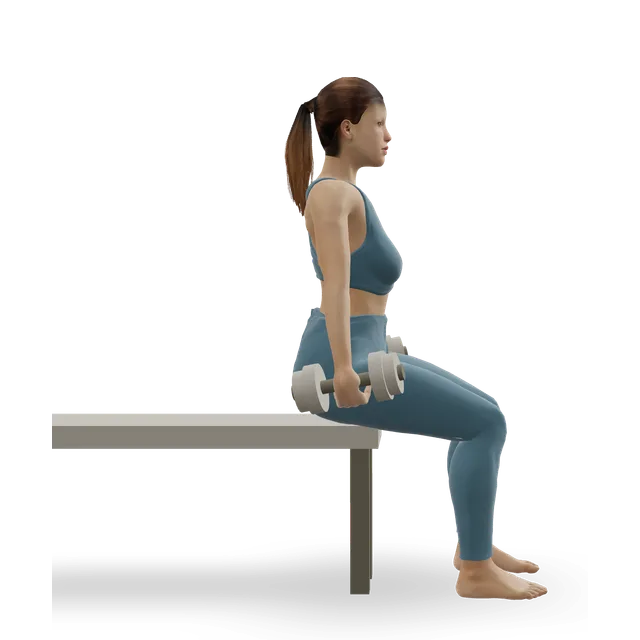
Yes, especially when standing is hard: seated marching, leg lifts and arm exercises keep people moving. Alzheimer's Society advises checking with a GP first, because seated exercises can strain the lower back. When it's possible, add standing balance exercises holding a chair, with someone nearby.
Can exercise prevent falls in people with dementia?
Guidelines strongly recommend it for people with mild cognitive impairment or mild to moderate dementia living at home, using tai chi or strength and balance training, with carers involved. The trial evidence is mixed: some analyses found fewer falls and others didn't. Exercise seems to work better at home than in care homes.
Does exercise help mood, sleep or behaviour in dementia?
Possibly a little. One review found small improvements in behaviour and depression, while an earlier Cochrane review found no clear benefit. NICE suggests daylight and exercise as part of a plan for sleep problems.
Is it safe for someone with dementia to exercise alone?
In the early stages, often yes, with care: tell someone where you'll be, carry a mobile phone and stick to familiar routes. With moderate to severe dementia, UK guidelines say new exercise might best be supervised at first by a trained professional. Stop any activity that causes pain or makes you unwell, dizzy or breathless.
Do brain exercises prevent dementia?
It isn't clear. In the FINGER trial, brain training was one part of a 2-year lifestyle programme that improved thinking test scores slightly, so its own effect can't be separated out. For people with mild to moderate Alzheimer's disease, NICE says not to offer cognitive training as a treatment, and it recommends group cognitive stimulation therapy for mild to moderate dementia.
Is it too late to start exercising in later life?
No. The guidelines apply at any age, and any extra activity is a start. Alzheimer's Society says even short periods of light exercise are better than none.