Seated upper-back lift (sit tall, shoulders back)
Sitting tall on an armless chair, you lift the breastbone a little and draw the shoulder blades back and down, then hold: gentle endurance work for the upper-back muscles that hold you upright, with no floor and no weights. The UK osteoporosis consensus recommends back-muscle exercises for posture; this seated version has not been tested on its own.
Movement guide
Seated upper-back lift (sit tall, shoulders back)
Loading the 3D figure…
Make it easier or harder
Start where you can move well, then step up.
Easier option
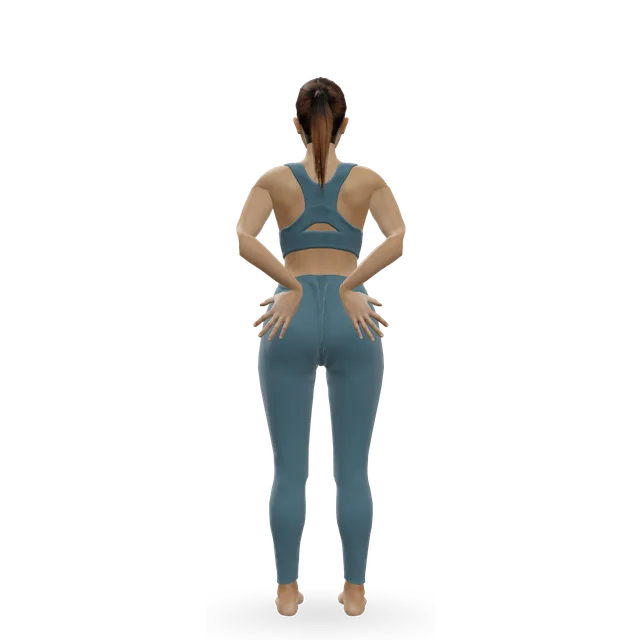 3D demoElbows backBeginner · No equipment
Suggested next step, beginner grade.
This move
 3D demoSeated upper-back lift (sit tall, shoulders back)Beginner · A bench or box
Beginner grade.
Harder option
 3D demoProne Y-T-W raisesBeginner · No equipment
Suggested next step, beginner grade.
Source-researched guide. Clinical review is pending.
How to move
- Sit near the front of a firm chair without arms, feet flat and hip-width apart, hands resting on your thighs.
- Sit tall: grow up through the crown of your head, chin level and drawn back slightly.
- Bend your elbows to a right angle at your sides, palms facing up.
- Draw your shoulder blades gently back and down as the elbows move back, lifting the breastbone a little.
- Hold for 3 to 5 seconds, breathing normally.
- Relax back to sitting tall, and repeat.
Form cues
- Lift from the upper back, not by arching the lower back.
- Keep the chin level rather than tipping the head back.
- Avoid: shrugging the shoulders towards the ears.
Practice and cautions
3 to 5 repetitions, each held 3 to 5 seconds, at least twice a week (UK osteoporosis consensus, 2022). After a painful spinal fracture, daily, building to up to 10 repetitions (the 2018 consensus statement). In trials, back-strengthening programmes reduced the upper-back curve a little, and in one small study women who strengthened their back for 2 years had fewer spinal fractures 8 years later.
After a recent spinal fracture, move only as far as is comfortable and get a physiotherapist's advice. Stop if it brings on sharp pain, or pain that spreads round the ribs. This is movement education, not an assessment or treatment prescription. Stop for sharp or increasing pain, dizziness, numbness or tingling; seek individual guidance for symptoms, injury or restrictions.
Sources and review status
Sources support the educational description; they do not establish that this exercise is suitable for you.
- Brooke-Wavell 2022 · Strong, steady and straight: UK consensus statement on physical activity and exercise for osteoporosis (BJSM) ↗
- National Osteoporosis Society 2018 · Strong, Steady and Straight: expert consensus statement on physical activity and exercise for osteoporosis ↗
- Royal Osteoporosis Society · Exercises to help with posture ↗
- Royal Osteoporosis Society · Exercises to help with back pain (the shoulder squeeze) ↗
- Katzman 2017 · Spine strengthening and posture training to reduce hyperkyphosis in older adults: the SHEAF trial (RCT, Osteoporosis International) ↗
- Sinaki 2002 · Stronger back muscles reduce the incidence of vertebral fractures: a 10-year follow-up of postmenopausal women (Bone) ↗
No variation is labeled clinically validated.
What it works
Muscles
Main: Back. Also: Shoulders, Neck.
Anatomy: Latissimus dorsi, Teres major, Trapezius, Rhomboids, Erector spinae, Multifidus.
Equipment
A bench or box
Level
Beginner. See the easier and harder options above.
Workouts that use it
Similar moves


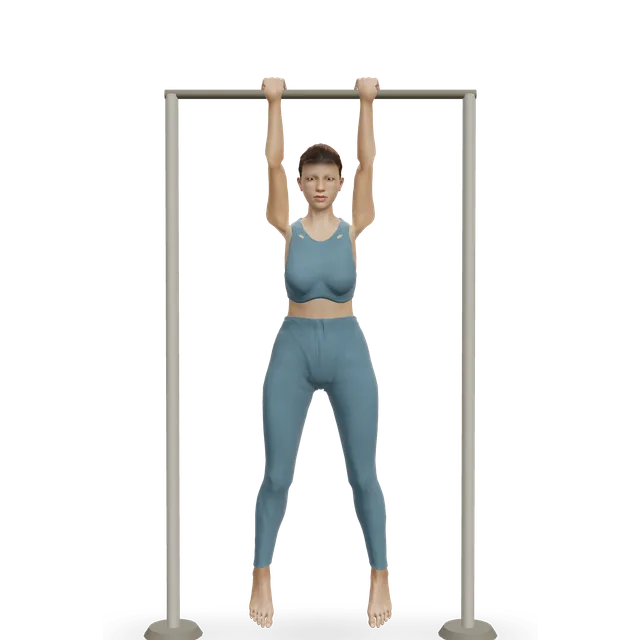

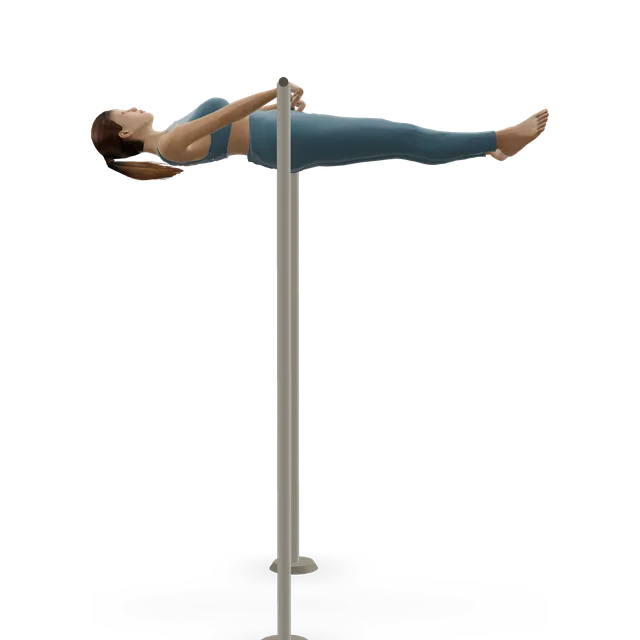
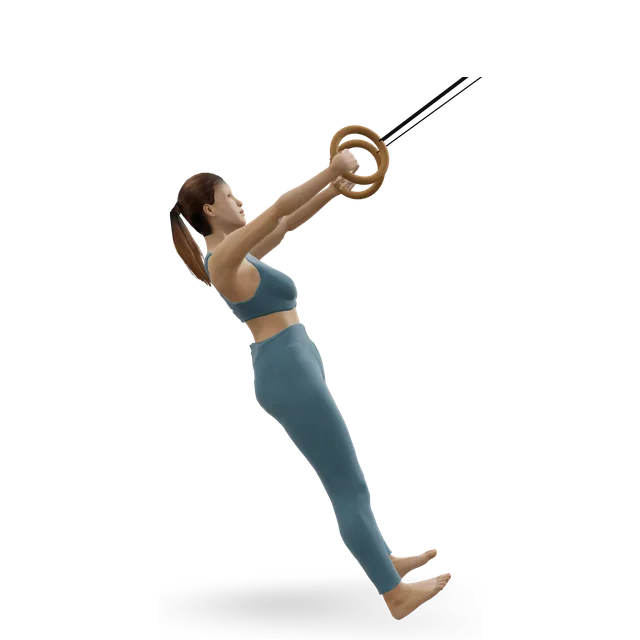
Browse more
Questions people ask
What muscles does the Seated upper-back lift (sit tall, shoulders back) work?
Mainly the back, with help from the shoulders and neck.
What equipment do I need for the Seated upper-back lift (sit tall, shoulders back)?
A bench or box.
Is the Seated upper-back lift (sit tall, shoulders back) good for beginners?
It is graded beginner, so it suits most people starting out. When it feels easy, try the Prone Y-T-W raises.
What is an easier alternative to the Seated upper-back lift (sit tall, shoulders back)?
Try the Elbows back. It is the suggested step down from this move.
How do I make the Seated upper-back lift (sit tall, shoulders back) harder?
Progress to the Prone Y-T-W raises, or add load, range or slower lowering once your form is solid.