Does exercise help depression?
Yes. Across many trials, people with depression who exercised improved more than those who didn't, and NICE lists group exercise as a treatment option for less severe depression. How much it helps is less certain: the effect is moderate across all trials but smaller in the best-run ones, partly because people know they are exercising and expect to feel better. It works best as part of a plan with your GP, not as a replacement for treatment when depression is moderate or severe.
What is the best exercise for depression?
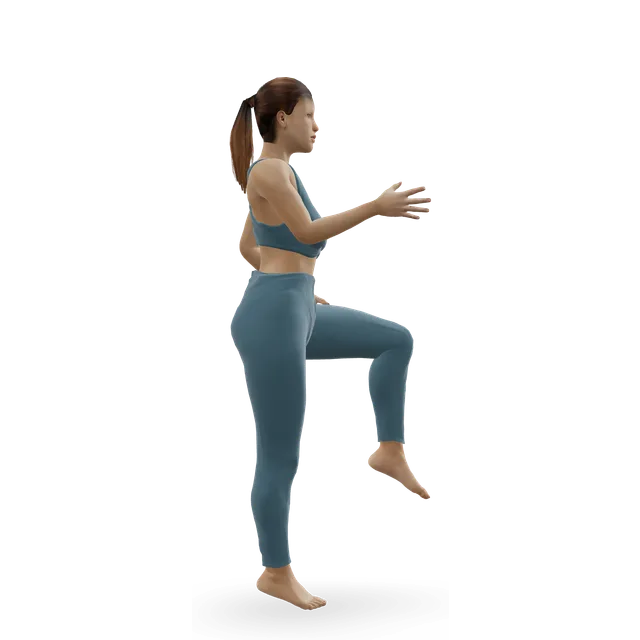
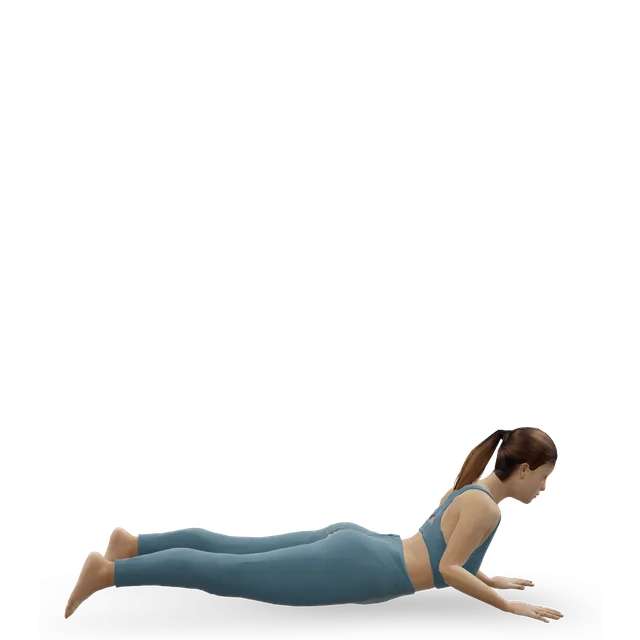
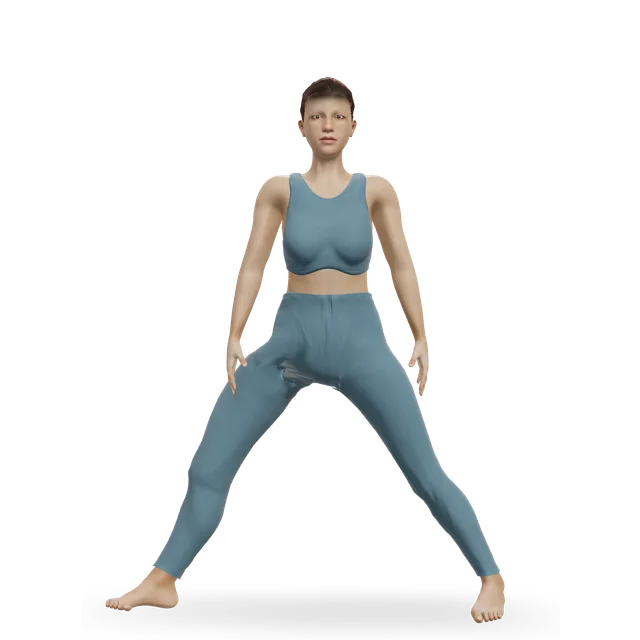
The best-supported types are walking or jogging, strength training and yoga, in a 2024 analysis of 218 trials. Dance looked promising but was tested in only a few small trials. Strength training and yoga had the fewest people dropping out. Harder exercise tended to help a little more, but light activity still helped. The best choice is the one you enjoy enough to keep doing, ideally with other people.
How much exercise do I need to help depression?
Trials that worked usually had people exercising about 3 times a week for 30 to 45 minutes, for 10 to 16 weeks. NICE's group programmes run more than once a week for 10 weeks. For general health, the NHS advises 150 minutes of moderate activity a week plus strength training on 2 days. But start smaller: even a 10-minute walk helps, and building up gradually is how most people get there.
How long does it take for exercise to help depression?
One session can lift mood within minutes, but that is short-lived. Trials measure lasting change after about 8 to 16 weeks, and programmes of around 10 to 12 weeks worked at least as well as longer ones. Give it about 10 weeks. If you are getting worse at any point, see your GP rather than waiting.
Is exercise as good as antidepressants?
In the few trials that compared them directly, exercise did about as well as antidepressants, and about as well as talking therapy, at the end of treatment. These trials are small, and in the Dutch MOTAR study most people chose their own treatment and only about half kept up the running. Exercise has not been shown to be better, and it can be combined with either.
Can exercise replace my antidepressants?
Not on your own decision. Exercise can be added to antidepressants, and the combination did well in trials. Don't stop an antidepressant suddenly or without talking to your doctor: withdrawal symptoms are common and can feel like the depression coming back. If you'd like to come off them, your doctor can plan a slow reduction.
I have no motivation. How do I start?
That is normal with depression: low mood is the most common barrier. Don't wait to feel like it. Pick something very small, like a 10-minute walk, at a set time, and count it as done. Doing it with someone, in a class or a walking group, makes it easier to keep going. This is how behavioural activation works, a talking therapy that schedules activities and notices their effect on mood. Your GP may be able to refer you to a group exercise programme or exercise on prescription.
Is walking enough to help depression?
Walking is one of the best-supported options, and brisk walking counts towards the 150 minutes a week. Walking outdoors or in a group may add to the benefit. Adding strength training twice a week is good for your body and is also among the best-supported types for mood.
Does lifting weights help depression?
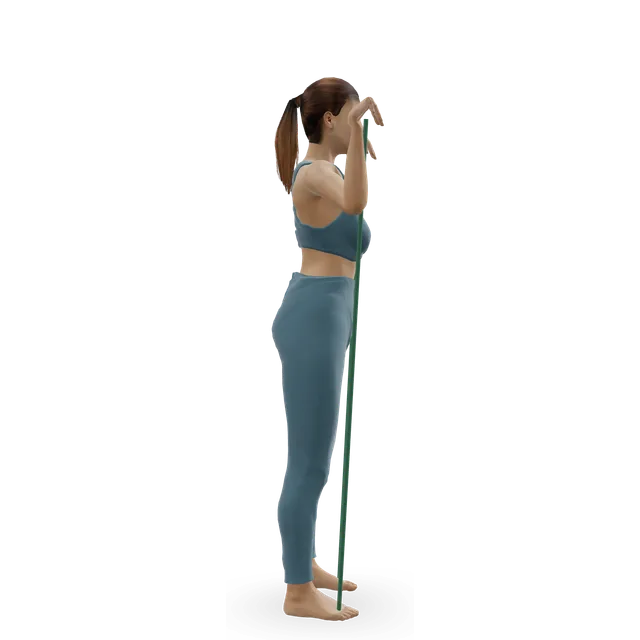
Yes. Across 33 trials, strength training reduced depressive symptoms, and it helped whether or not people got much stronger. In a 2024 analysis of 218 trials, it worked about as well as other types and had fewer people dropping out. Bodyweight moves and a band are enough to start.
What did the 2026 Cochrane review on exercise for depression find?
The January 2026 update of the Cochrane review, by Clegg and colleagues, pooled 57 trials and found that exercise may moderately reduce depressive symptoms compared with no treatment or a control, from low-certainty evidence. In the 7 most robust trials the effect was smaller. Exercise was probably about as effective as psychological therapy, and may be about as effective as antidepressants, though those comparisons rest on a few small trials. The 35 trials added since 2013 barely changed the estimate.