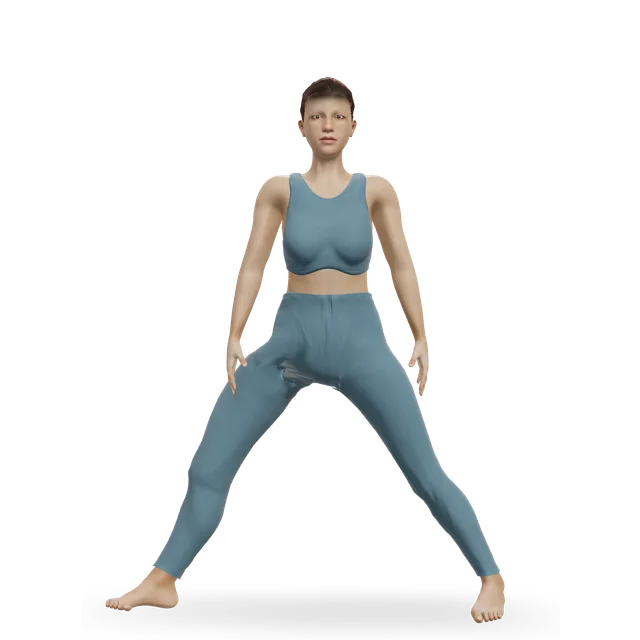
Exercise guide

Exercise for anxiety and panic attacks: what helps and how to start

Regular exercise eases anxiety by a small to moderate amount: walking, running, strength training, yoga and tai chi all help. The evidence is strongest for anxiety symptoms in general and weaker for diagnosed anxiety disorders such as generalised anxiety disorder (GAD) and panic disorder, where CBT-based therapy and medicines are the main treatments and exercise works best alongside them.

Aim for about three sessions a week and build up gradually. A racing heart during exercise is normal and settles as you slow down, but chest pain, fainting or palpitations that don't settle need urgent help. If you have a heart condition, or have had chest pain or fainting, see a GP before harder exercise. Slow breathing helps a little, and you don't need breath holds.

If you are thinking about harming yourself or can't keep yourself safe, call 999 or go to A&E. For urgent help, call Samaritans free on 116 123, any time, or in England call 111 and select the mental health option. In the US, call or text 988.

If you need help now

Get help straight away

The NHS says a mental health emergency should be taken as seriously as a physical one, and that you will not be wasting anyone's time.

  • Call 999 or go to A&E if your life is at risk, or you feel you can't keep yourself safe.
  • Call 999 for chest pain that feels tight or like squeezing, or spreads to the arms, neck or jaw, or for palpitations with chest pain, breathlessness or fainting. Panic symptoms can overlap with other conditions: if you're not sure whether it's panic or your heart, treat it as your heart (our advice).
  • For urgent help in England, call 111 and select the mental health option, or use 111 online.
  • Call Samaritans on 116 123. It is free, any time, day or night.
  • In the US, call or text 988, the 988 Suicide and Crisis Lifeline, any time.

Sources 1, 2, 3, 4, 5, 6, 7, 8

The short version

Does exercise help anxiety?

Yes, modestly. Across many reviews, regular exercise reduced anxiety symptoms by a small to moderate amount. For diagnosed anxiety disorders the evidence is weaker: exercise beat waiting lists, but against other active treatments it showed no clear benefit.

Sources 9, 10, 11, 12

Where exercise fits with treatment

For GAD and panic disorder, exercise is an add-on, not the first treatment. NICE's treatments are self-help based on CBT, then CBT or applied relaxation, or medicines, and it does not list exercise as a treatment for GAD. In panic disorder, group CBT beat group exercise, and an antidepressant beat running. The NHS still suggests regular exercise as something to try.

Sources 13, 14, 15, 16

The best exercise for anxiety

Most types help. Strength training and mind-body exercise such as yoga and tai chi rank highly in recent analyses, and walking, running and cycling help too. In the largest trial, 12 weeks of group cardio and strength circuits, 3 times a week, eased anxiety. Choose what you'll keep doing.

Sources 17, 18, 19, 20

Does exercise help anxiety straight away?

A little. One session lowers anxiety by a small amount for a while afterwards, which is why a walk can take the edge off. Regular exercise over weeks is what changes anxiety levels.

Source 21

Exercise and panic attacks

A racing heart during exercise is expected, and it is not a sign that exercise is harming you. In a lab study of people with panic disorder, exercise raised body sensations but not anxiety, and with repeated exercise the fear of those sensations faded. Build up gradually, and get chest pain, fainting or palpitations that don't settle checked urgently.

Sources 22, 23, 24, 7

Breathing exercises for anxiety

They help a little: across 20 trials, breathing exercises reduced anxiety by a small amount. Slow, gentle breathing with no holds is what the NHS teaches. In panic disorder, adding breathing training to CBT added nothing in one trial.

Sources 25, 26, 27

What the evidence says

An SMD (standardised mean difference) puts the different symptom scales trials use onto one scale, and g is a similar measure. As a rough guide, 0.2 is a small effect, 0.5 a moderate one and 0.8 a large one. A minus sign here means fewer symptoms with exercise.

Anxiety symptomsStrong evidence

Across a wide range of people, exercise reduced anxiety symptoms: a median SMD of −0.42 across 97 reviews, most rated critically low in quality, and a pooled −0.47 across 63 studies and 79,551 people. That is a small to moderate effect, and the evidence base is large and consistent.

Sources 9, 10

Diagnosed anxiety disordersMixed evidence

In people with anxiety disorders, exercise beat the comparison groups in several reviews (SMDs of −0.41 to −0.58), but many of those comparisons were waiting lists, where people get nothing. Against active comparisons such as other exercise, CBT, education or meditation, aerobic exercise showed no clear benefit in 7 trials (SMD 0.02). A 2026 umbrella review found exercise more consistently supported for depressive disorders than for anxiety disorders.

Sources 28, 29, 30, 11, 12

Compared with therapy and medicinesEmerging evidence

In small trials, exercise was less effective than antidepressants for panic disorder and other anxiety disorders, and group CBT beat group exercise for panic disorder.

Sources 31, 15, 14

The largest trialEmerging evidence

In Sweden, 286 primary care patients with anxiety had 12 weeks of group exercise, three 60-minute sessions a week of cardio and strength circuits at about 60% or 75% of maximum heart rate, or advice only. Both exercise groups were more likely to improve than the advice group (odds about 3.6 and 4.9 times higher), with a trend towards more benefit at the higher intensity. People rated their own symptoms. The session details come from the university's press release.

Sources 17, 32

How hard?Mixed evidence

Some reviews and trials found harder exercise worked better: in 33 people with GAD, interval training had about twice the effect of lower-intensity exercise. But the newest umbrella review linked lower intensity and shorter programmes to larger reductions in anxiety. Pick what you'll keep doing, and build up.

Sources 28, 17, 33, 9, 10

Can exercise prevent anxiety?Mixed evidence

Across 13 studies of 75,831 people, those with high activity levels were less likely to develop anxiety (adjusted odds ratio 0.74). But a large Norwegian cohort found exercise protected against depression and not anxiety. These studies show links, not cause.

Sources 34, 35

Where exercise fits: NICE and the NHS

NICE: generalised anxiety disorderStrong evidence

NICE's guideline (CG113, last updated 2020) sets out steps: education and monitoring; then low-intensity self-help based on CBT; then CBT or applied relaxation (12 to 15 weekly sessions of about an hour) or medicines. It does not list exercise as a treatment for GAD.

Source 13

NICE: panic disorderStrong evidence

For panic disorder, NICE says the benefits of exercise as part of good general health should be discussed. It is part of looking after yourself, not a replacement for CBT or medicines.

Source 13

What the NHS suggestsStrong evidence

On its GAD page, the NHS says regular exercise such as running, walking, swimming and yoga "can reduce anxiety and stress and help you sleep better". For panic disorder, it lists regular exercise, yoga or pilates, and breathing exercises among things to try. Every Mind Matters lists breathing exercises and relaxation among its self-care tips.

Sources 16, 8, 36

Talking therapies

In England, you can refer yourself to an NHS talking therapies service if anxiety or panic is affecting your daily life.

Source 8

Exercise, a racing heart and panic attacks

Most of this research is small lab studies and trials. It is encouraging, and it doesn't replace treatment for panic disorder.

Why exercise can feel like panic

Exercise speeds up your heart and breathing, the same sensations as a panic attack. People who fear these sensations (high anxiety sensitivity) can find exercise frightening, and many people with panic avoid exercise for this reason.

Sources 37, 23

What happens when people with panic exerciseEmerging evidence

In lab studies, people were given a drug that can trigger panic after 30 minutes of either exercise or rest. Across 24 people, 12 with panic disorder and 12 without, 62.5% had a panic attack after rest and 20.8% after exercise. In the panic disorder group, exercise raised body sensations but not anxiety. The studies were very small.

Sources 38, 22

Getting used to the feelingsEmerging evidence

Repeated exercise reduced anxiety sensitivity, the fear of anxiety-related body sensations, by a large amount after 2 weeks in a 60-person trial. In another trial of 54 people, high-intensity sessions worked faster, and only they reduced the fear of body sensations. In 47 people with panic disorder having group CBT, adding aerobic exercise (three 30-minute sessions a week for 8 weeks) gave better anxiety scores at 7 months than adding very light exercise.

Sources 23, 24, 39

Build up gradually

Our suggestion: walk, then walk fast, then add 30 to 60 second faster bouts over several sessions. Notice the sensations, then notice them settle as you slow down. Planned exposure to body sensations is part of how CBT for panic works, and a therapist can help you plan it. The build-up interval walk below follows this pattern.

Sources 23, 24, 37

What exercise doesn't do for panicMixed evidence

Across 8 trials, there was no clear evidence that regular exercise reduced panic-specific symptoms, though it improved general anxiety and depression in people with panic disorder. In one trial, 31% dropped out of the running group, against none taking an antidepressant. For panic disorder, CBT and medicines come first.

Sources 40, 15, 14

Panic or your heart?Strong evidence

Panic attacks are frightening but not dangerous, and most last 5 to 20 minutes. Many of the symptoms overlap with other conditions, so see a GP if you keep having them. Palpitations are commonly caused by strenuous exercise, stress, anxiety and caffeine. Call 999 if they don't go away, or come with chest pain, breathlessness, or feeling faint or fainting.

Sources 8, 7

Breathing exercises for anxiety: what helps

A small effectEmerging evidence

Across 20 randomised trials, breathing exercises reduced self-reported anxiety by a small amount (g −0.32), along with stress and depressive symptoms. Most trials had a moderate risk of bias.

Source 25

Slow and gentle, no holds neededEmerging evidence

The NHS breathing exercise for stress has no holds: breathe in gently counting 1 to 5, out counting 1 to 5, for at least 5 minutes, and do it regularly as part of your day. Slow breathing reliably raises heart rate variability, a sign of the calming side of the nervous system, during practice, straight afterwards and after weeks of it (223 studies). In one study of 84 students, breathing at 6 breaths a minute, either 5 in and 5 out or 4 in and 6 out, raised it more than box or 4-7-8 breathing. None of the three changed mood or blood pressure in a single session.

Sources 26, 41, 42

Box and 4-7-8 breathingEmerging evidence

Both are popular and both use breath holds. The researchers who compared them with slow breathing describe them as popular with little evidence behind them. In a month-long trial of 108 people, 5 minutes a day of box breathing, cyclic sighing or a fast-breathing technique improved mood more than mindfulness meditation, and every group, meditation included, felt less anxious after each session; there was no do-nothing group. If holds make you feel short of air, leave them out.

Sources 42, 43

In panic disorderMixed evidence

Breathing training for panic disorder hasn't been shown to help either way. Adding it to CBT added nothing in a 77-person trial, and in another trial two opposite breathing methods worked equally well, which points to general rather than specific effects. In one small study, people with panic disorder could hold their breath for less time than other people, another reason to skip holds.

Sources 44, 27, 45, 46

Slow, not big

Deep or paced breathing can tip into over-breathing, which causes dizziness and tingling: in the 6 breaths-a-minute study, people over-breathed slightly. During a panic attack, the NHS advises breathing slowly and deeply. Keep the breaths slow and comfortable rather than forcing them big, and make them smaller if you feel light-headed.

Sources 42, 44, 8

BiofeedbackEmerging evidence

Paced breathing with a heart rate monitor (heart rate variability biofeedback) reduced self-reported stress and anxiety across 24 studies of 484 people. You don't need a device to practise slow breathing.

Source 47

Strength, yoga and cardio

Strength trainingEmerging evidence

Strength training reduced anxiety in pooled trials of 922 people, more in healthy people than in people with an illness. In 30 women with GAD, 6 weeks of leg weight training twice a week led to remission in 60%, against 30% on a waiting list.

Sources 18, 48

Cardio or strength?Emerging evidence

Two 2026 network analyses of anxiety disorders rank strength training and mind-body exercise (yoga, tai chi, qigong) among the most effective types, with walking (g −0.39) and other aerobic exercise also effective. The evidence doesn't clearly favour one: a mix, like the largest trial's cardio and strength circuits, is a good choice.

Sources 19, 20, 17

YogaMixed evidence

In pooled trials, yoga had small short-term effects on anxiety compared with no treatment (8 trials), but no effect was found in people with diagnosed anxiety disorders. In a trial of 226 people with GAD, Kundalini yoga beat stress education after 12 weeks (54.2% responded, against 33.0%) but did not match CBT (70.8%), and by 6 months only CBT still beat stress education. Yoga is a good addition, not a replacement for therapy.

Sources 49, 50

OutdoorsMixed evidence

Structured outdoor activities reduced anxiety in 5 trials, but the result was imprecise, and trials of outdoor exercise on their own were not significant. Walk outdoors if you enjoy it.

Source 51

How much exercise for anxiety

No guideline sets an exercise dose for anxiety. These are the adult guidelines and what the trials used. Where we suggest something, we say so.

The adult guidelines

WHO: 150 to 300 minutes of moderate activity a week, or 75 to 150 minutes of vigorous activity, or a mix, plus strength work for all the major muscle groups on at least 2 days. The NHS suggests spreading activity over 4 to 5 days, or every day. Moderate means you can talk but not sing; vigorous means you can only say a few words without pausing.

Sources 53, 52

What the trials used

Sweden: three 60-minute sessions a week for 12 weeks. Panic disorder alongside CBT: three 30-minute sessions a week at 70% of maximum aerobic capacity for 8 weeks. Anxiety sensitivity: six 20-minute treadmill sessions. GAD: leg weight training twice a week for 6 weeks. Our suggestion: work towards 3 sessions a week of 30 to 60 minutes for about 12 weeks, starting below that.

Sources 17, 32, 39, 24, 48

How often, and for how long

In one overview, a single review found 4 to 5 sessions a week did better (SMD −0.96) than 2 to 3 (−0.50) or 6 to 7 (−0.52), and programmes of up to 12 weeks showed larger effects than those of 24 weeks or more. These are single findings: 3 to 5 days a week is our suggestion. The benefits probably fade if you stop.

Source 9

Breathing: 5 minutes a day

The NHS: at least 5 minutes, done regularly as part of your daily routine. Our suggestion: 5 minutes once or twice a day, plus whenever you feel anxious.

Source 26

A starting fortnight

Our suggestion for an adult with anxiety and no warning signs. Every day: 5 minutes of slow breathing at a set time. Week 1: three 20-minute brisk walks and one short strength session (the beginner home workout). Week 2: three 30-minute walks or rides, two strength sessions and one yoga session. From week 3, build towards 150 minutes a week of moderate activity. If you want to get used to a faster heart rate, swap one walk a week for the build-up interval walk.

Sources 26, 52

Caffeine and pre-workout drinks

The NHS advises avoiding caffeine to help prevent panic attacks, and lists caffeine as a cause of palpitations. Our suggestion: skip caffeinated pre-workout products.

Sources 8, 7

On propranolol or an antidepressant

Beta blockers such as propranolol slow your heartbeat and are sometimes used for anxiety. Propranolol can cause tiredness and dizziness; if you feel dizzy, sit or lie down. Use the talk test rather than heart rate targets (our suggestion). Antidepressants for anxiety take 2 to 4 weeks to start working and up to 8 weeks to work fully: keep taking them unless your GP advises otherwise, never stop suddenly, and add exercise alongside.

Sources 54, 55, 8, 56

Social anxiety and gyms

Home workouts and outdoor walks avoid a crowd, and group classes can come later (our suggestion; no trial has tested this). One review suggests people with social anxiety may benefit from exercise combined with group CBT.

Source 31

Breathing and winding down

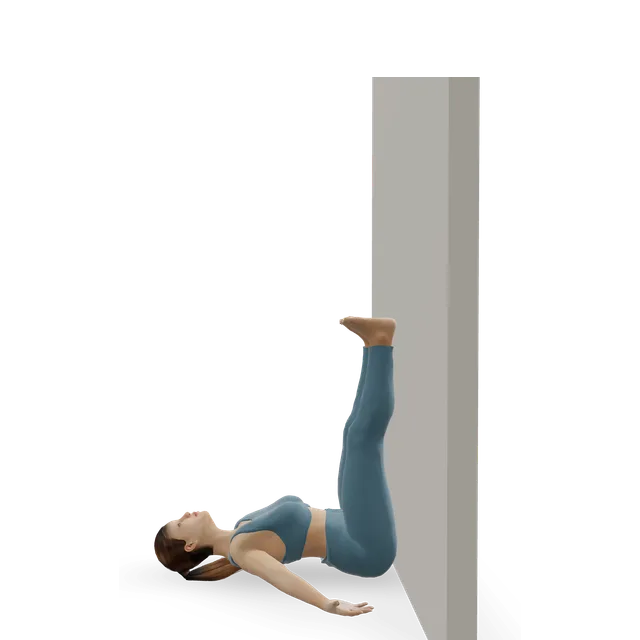
Slow breathing: at least 5 minutes a day (NHS). The breath reach is 5 slow breaths with the arms; repeat for 2 to 3 minutes, or drop the arms and breathe into your hands (our suggestion). Crocodile breathing: 5 minutes lying face down; sit up if that feels trapped. Alternate nostril breathing: 3 to 5 minutes, skipped with a blocked nose. Box and 4-7-8 breathing use holds: leave them out if they make you feel short of air. Legs up the wall: a few minutes at the end of the day. The figure can show the position, not the breath, so follow the counts on each move's page.

Walking, running and cycling

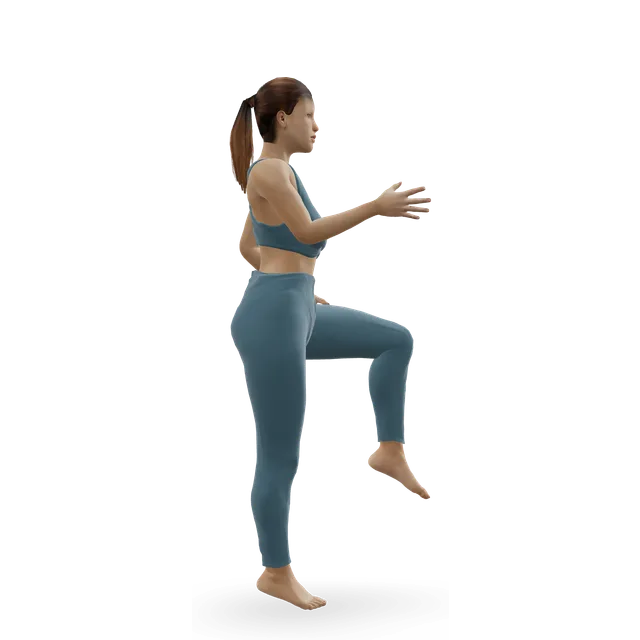
Build towards 150 minutes a week (NHS), starting with 20 to 30 minutes, 3 times a week (our suggestion). The demos show machines, but outdoors counts the same. Cycling makes it easy to raise your effort a little at a time. For jogging, start with short jogs inside a walk, and expect a fast heart rate that settles as you slow down. Once a racing heart feels familiar, try 3 to 5 stair climbs of 30 to 60 seconds, hand on the rail, walking down slowly.

Strength

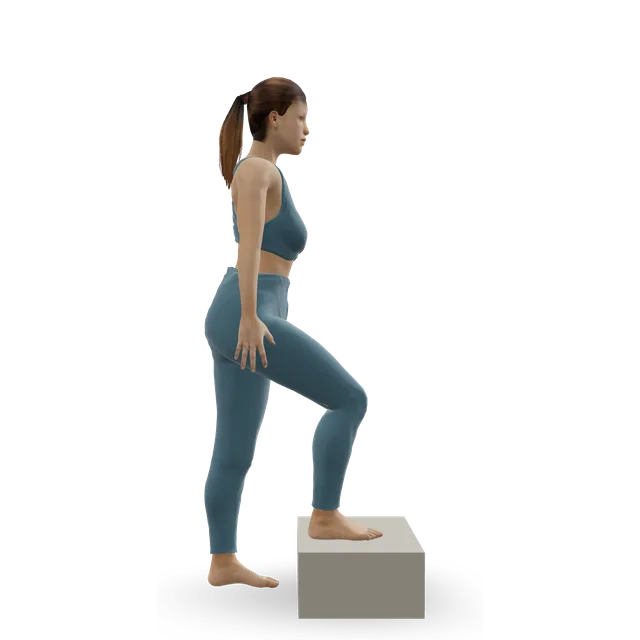
2 days a week (NHS). Start with 2 sets of 8 to 12, stopping with 2 to 3 reps to spare (our suggestion). The GAD trial used lower-body weight training twice a week; goblet squats are the home version. Hold a rail for step-ups, and move from wall push-ups to incline push-ups when they feel easy.

Yoga

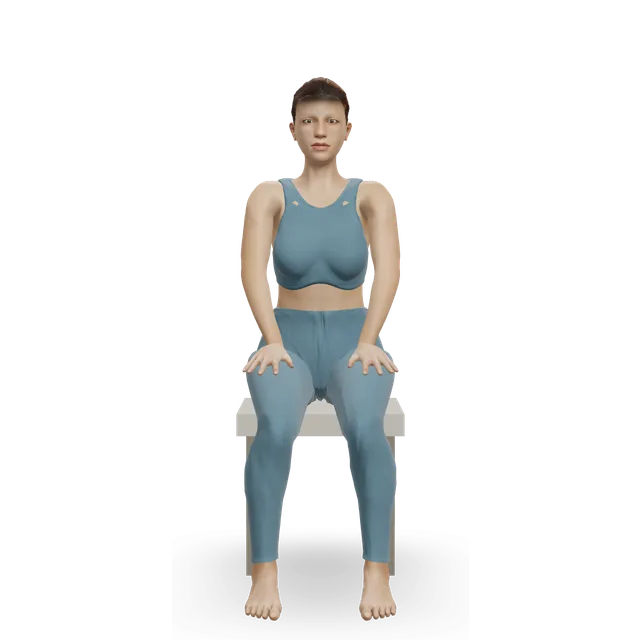
5 slow breaths in each standing pose, each side where there is one, with a hand on the wall in tree pose; 6 rounds of cat-cow; a minute in child's pose; 45 seconds each side in the twist; 3 minutes lying still to finish. The beginner yoga flow and the bedtime routine put most of these in order.

Workouts to follow

Breathing every day; cardio and strength on alternate days; yoga or the bedtime routine to wind down. In the breathing and bedtime routines, leave out the holds if they make you feel short of air. The build-up interval walk is for getting used to a faster heart once easy cardio feels comfortable. Keep the harder interval and HIIT workouts for later.

Follow a plan

The beginner plan gives weeks 1 to 4 a clear structure: add 5 minutes of slow breathing each day. The 3-day home plan follows it.

Warning signs and where to get help

Call 999 or go to A&E now

Call 999 or go to A&E for:

  • Chest pain that feels tight or like squeezing, or spreads to the arms, neck or jaw.
  • Severe difficulty breathing, or pale, blue or grey lips or skin.
  • Palpitations that don't go away, or come with chest pain, shortness of breath, or feeling faint or fainting.
  • Someone who collapses and isn't responding normally.
  • A risk to your life: for example, you have harmed yourself or feel you can't keep yourself safe.

Sources 6, 7, 1

Get help today

  • You had palpitations with chest pain, breathlessness or fainting that have now stopped: ask your GP for an urgent appointment, or call 111.
  • You need urgent help for your mental health: in England, call 111 and select the mental health option, or use 111 online.
  • You need someone to talk to: call Samaritans free on 116 123, any time. In the US, call or text 988.

Sources 7, 1, 3, 4, 5

See a GP soon

  • You keep having panic attacks, or worry about the next one most days.
  • Palpitations keep coming back, are happening more often or last longer than a few minutes, or you have a heart condition or a family history of heart problems.
  • Anxiety is affecting your daily life. In England, you can also refer yourself to an NHS talking therapies service.
  • A medicine's side effects are bothering you.
  • Exercise is becoming compulsive, or a way to control your weight: exercising too much can be a sign of an eating disorder.

Sources 8, 7, 16, 57

Check with a GP before harder exercise

If you have a heart condition, new chest symptoms, or years without exercise behind you, see a GP before starting harder exercise: panic symptoms can also be symptoms of other conditions. Walking is a fine place to start meanwhile.

Sources 8, 52

Medicines

Don't stop an antidepressant suddenly or without talking to your doctor. If propranolol makes you dizzy, sit or lie down, and tell your GP or pharmacist if it keeps happening.

Sources 56, 55

Myths

"Exercise will bring on a panic attack, so keep your heart rate down"

A fast heart and heavy breathing are normal with effort. In a lab study of people with panic disorder, 30 minutes of exercise raised body sensations but not anxiety, and fewer people had a drug-provoked panic attack afterwards. Repeated exercise reduced the fear of those sensations. Build up gradually, and get chest pain or fainting checked urgently.

Sources 22, 23, 24, 6, 7

"Exercise works as well as therapy or tablets for anxiety disorders"

For panic disorder, group CBT beat group exercise and an antidepressant beat running. Against active comparisons, aerobic exercise showed no clear benefit for diagnosed anxiety disorders. Exercise is a good add-on and helps anxiety symptoms in general; it is not a replacement for treatment.

Sources 14, 15, 11, 13

"Box breathing or 4-7-8 breathing is proven to calm anxiety"

Researchers describe both as popular with little evidence behind them, and breathing exercises in general have a small effect. Slow breathing with no holds is what the NHS teaches, and at 6 breaths a minute it raised heart rate variability more than either in a direct test.

Sources 42, 25, 26

"Big, deep breaths will stop a panic attack"

Slow matters more than big. Deep or paced breathing can tip into over-breathing, which causes dizziness and tingling. The NHS advises breathing slowly and deeply during an attack: keep the breaths slow and comfortable rather than forcing them. Most attacks pass within 5 to 20 minutes, and in panic disorder, breathing training added nothing to CBT in one trial.

Sources 42, 44, 8, 27

"Vagus nerve exercises reset your nervous system"

Slow breathing does raise heart rate variability, a measure of vagal activity, during and after practice and after weeks of it. That is a real but modest effect on the body. It is not a reset, and its effect on anxiety is small.

Sources 41, 25

"Yoga is as good as therapy for anxiety"

In the largest trial, yoga helped GAD more than stress education but less than CBT, and its benefit had faded by 6 months. In diagnosed anxiety disorders, pooled yoga trials found no effect.

Sources 50, 49

"Only gentle exercise is good for anxiety; hard exercise makes it worse"

Moderate and harder exercise both helped in the largest trial, with a trend towards more benefit when harder, and interval training worked well in a small GAD trial. The newest review found larger effects with lower intensity. The evidence is mixed: choose what you'll keep doing.

Sources 17, 33, 10

Questions people ask

Does exercise help anxiety?

Yes, modestly. Across many trials, regular exercise reduced anxiety symptoms by a small to moderate amount. The benefit is clearest for anxiety symptoms in general; for diagnosed anxiety disorders such as GAD and panic disorder the evidence is weaker, and NICE's main treatments are CBT-based self-help, CBT or applied relaxation, and medicines. Exercise works well alongside them.

What is the best exercise for anxiety?

Most types help. Recent analyses rank strength training and mind-body exercise such as yoga and tai chi highly, and walking, running and cycling also help. In the largest trial, a mix of cardio and strength circuits three times a week worked. Choose something you enjoy and can repeat, and add strength training twice a week.

Does exercise help anxiety straight away? How long does it take?

A little straight away: one session lowers anxiety by a small amount for a while afterwards, which is why a walk can take the edge off. Lasting change comes from exercising regularly: trials showed benefits after 2 to 12 weeks, and fear of body sensations fell within 2 weeks in one trial. Give a regular routine about 12 weeks, and see your GP sooner if anxiety is getting worse.

Can exercise cause panic attacks? Why do I feel anxious after exercise?

Exercise makes your heart race and your breathing speed up, and if you are sensitive to those feelings they can feel like the start of panic. In a lab study of people with panic disorder, exercise raised these body sensations but not anxiety, and fewer people had a drug-provoked panic attack after exercise than after rest. In small trials, the fear of these sensations faded with repeated exercise, faster with harder sessions. Caffeine and pre-workout drinks can add to it. See a GP if you keep getting symptoms, and get urgent help for chest pain, fainting or palpitations that don't settle.

How can I tell a panic attack from a heart problem when I exercise?

You can't always tell, and the NHS notes that panic symptoms can also be symptoms of other conditions. Call 999 for chest pain that feels tight or squeezing or spreads to your arm, neck or jaw, for severe breathlessness, or for palpitations with chest pain, breathlessness or fainting. If you've had symptoms like these, get checked by a GP before harder exercise, even if they turned out to be panic before.

Do breathing exercises work for anxiety? Which is best?

They help a little: across 20 trials, breathing exercises reduced anxiety by a small amount. The best-supported pattern is simple slow breathing with no holds, which is what the NHS teaches: in gently for a count of 5, then out for a count of 5, for at least 5 minutes. Box and 4-7-8 breathing are popular, but the holds aren't needed, and some people with panic find them uncomfortable. For panic disorder, CBT matters more than breathing technique.

Is cardio or strength training better for anxiety?

Both help, and the evidence doesn't clearly favour one. Network analyses rank strength training among the most effective types, and aerobic exercise also helps. A mix, such as the largest trial's cardio and strength circuits, is a good choice.

Is yoga good for anxiety?

It helps anxiety symptoms in pooled trials. In the largest trial in GAD, yoga did better than stress education but not as well as CBT, and only CBT's benefit lasted to 6 months. Yoga is a good addition, not a replacement for therapy.

Can exercise replace therapy or medication for anxiety?

No. In panic disorder, group CBT worked better than group exercise, and an antidepressant worked better than running. Exercise is a useful add-on. Don't stop a medicine without talking to your doctor. In England, you can refer yourself to NHS talking therapies.

I take propranolol. Can I exercise?

Usually, yes. Beta blockers such as propranolol slow your heartbeat, so heart rate targets won't fit: use the talk test instead. Propranolol can make you feel tired or dizzy; if you feel dizzy, sit or lie down. Ask your GP if you have a heart condition or new symptoms.


Sources

  1. NHS · Where to get urgent help for mental health ("call 111 and select the mental health option")
  2. NHS · Help for suicidal thoughts
  3. Samaritans · Contact a Samaritan: 116 123, free, any time
  4. 988 Suicide and Crisis Lifeline (US): call, text or chat, any time
  5. SAMHSA · 988 Suicide and Crisis Lifeline
  6. NHS · Heart attack
  7. NHS · Heart palpitations (reviewed March 2026)
  8. NHS · Panic disorder
  9. Singh 2023 · Physical activity for depression, anxiety and distress: an overview of 97 systematic reviews (BJSM)
  10. Munro 2026 · Exercise and depression and anxiety symptoms: umbrella review with meta-meta-analysis (BJSM)
  11. Bartley 2013 · Aerobic exercise for anxiety disorders (meta-analysis, Progress in Neuro-Psychopharmacology and Biological Psychiatry)
  12. Gao 2026 · Exercise for diagnosed depressive and anxiety disorders (umbrella review, Frontiers in Psychiatry)
  13. NICE CG113 · Generalised anxiety disorder and panic disorder in adults: management (last updated 2020)
  14. Hovland 2013 · Group exercise vs group CBT for panic disorder (RCT, Behavioural and Cognitive Psychotherapy)
  15. Broocks 1998 · Aerobic exercise, clomipramine and placebo for panic disorder (RCT, American Journal of Psychiatry)
  16. NHS · Generalised anxiety disorder (GAD)
  17. Henriksson 2022 · Exercise for anxiety in 286 primary care patients (RCT, Journal of Affective Disorders)
  18. Gordon 2017 · Resistance exercise training and anxiety (meta-analysis, Sports Medicine)
  19. Lei 2026 · Exercise treatments for adults with anxiety disorders (network meta-analysis, BMJ Open Sport and Exercise Medicine)
  20. Liu 2026 · Exercise types for anxiety disorders compared (Bayesian network meta-analysis, Psychology Research and Behavior Management)
  21. Ensari 2015 · One session of exercise and state anxiety: 36 trials (meta-analysis, Depression and Anxiety)
  22. Ströhle 2009 · Aerobic exercise and induced panic in panic disorder and healthy controls (Journal of Psychiatric Research)
  23. Smits 2008 · Reducing anxiety sensitivity with exercise (RCT, Depression and Anxiety)
  24. Broman-Fulks 2004 · Aerobic exercise and anxiety sensitivity (RCT, Behaviour Research and Therapy)
  25. Fincham 2023 · Breathwork for stress and mental health: 20 randomised trials (meta-analysis, Scientific Reports)
  26. NHS · Breathing exercises for stress (reviewed June 2026)
  27. Schmidt 2000 · Dismantling CBT for panic disorder: questioning breathing retraining (RCT, Journal of Consulting and Clinical Psychology)
  28. Aylett 2018 · Exercise for clinical anxiety in general practice (systematic review and meta-analysis, BMC Health Services Research)
  29. Stubbs 2017 · Exercise for people with anxiety and stress-related disorders (meta-analysis, Psychiatry Research)
  30. Ramos-Sanchez 2021 · Exercise for anxiety and related disorders: an update of the meta-analytic evidence (Psychiatry Research)
  31. Jayakody 2014 · Exercise for anxiety disorders (systematic review, BJSM)
  32. University of Gothenburg 2021 · Anxiety effectively treated with exercise (press release on Henriksson 2022, with the session details)
  33. Plag 2020 · High-intensity interval training in generalised anxiety disorder (RCT, Journal of Anxiety Disorders)
  34. Schuch 2019 · Physical activity protects from new anxiety: 13 cohort studies (meta-analysis, Depression and Anxiety)
  35. Harvey 2018 · Exercise and the prevention of depression: the HUNT cohort of 33,908 adults (American Journal of Psychiatry)
  36. NHS Every Mind Matters · Anxiety
  37. Muotri 2007 · Aerobic exercise as exposure to body sensations in panic disorder (narrative review, Revista Brasileira de Medicina do Esporte)
  38. Ströhle 2005 · The acute antipanic activity of aerobic exercise (American Journal of Psychiatry)
  39. Gaudlitz 2015 · Aerobic exercise added to CBT for panic disorder (RCT, Depression and Anxiety)
  40. Machado 2022 · Can regular exercise treat panic disorder? (systematic review, Expert Review of Neurotherapeutics)
  41. Laborde 2022 · Voluntary slow breathing and heart rate variability: 223 studies (meta-analysis, Neuroscience and Biobehavioral Reviews)
  42. Marchant 2025 · Square, 4-7-8 and 6 breaths-a-minute breathing compared in 84 students (Applied Psychophysiology and Biofeedback)
  43. Balban 2023 · Brief structured breathing practices, mood and arousal (RCT, Cell Reports Medicine)
  44. Meuret 2003 · Breathing training for panic disorder: useful intervention or impediment? (review, Behavior Modification)
  45. Kim 2012 · Opposing breathing therapies for panic disorder (RCT, Journal of Clinical Psychiatry)
  46. Asmundson 1994 · Breath-holding and the false suffocation alarm in panic disorder (American Journal of Psychiatry)
  47. Goessl 2017 · Heart rate variability biofeedback for stress and anxiety (meta-analysis, Psychological Medicine)
  48. Herring 2012 · Exercise training for generalised anxiety disorder in 30 women (RCT, Psychotherapy and Psychosomatics)
  49. Cramer 2018 · Yoga for anxiety (systematic review and meta-analysis, Depression and Anxiety)
  50. Simon 2021 · Yoga vs CBT vs stress education for generalised anxiety disorder (RCT, JAMA Psychiatry)
  51. Coventry 2021 · Nature-based outdoor activities for mental and physical health (systematic review and meta-analysis, SSM Population Health)
  52. NHS · Physical activity guidelines for adults aged 19 to 64
  53. Bull 2020 · World Health Organization 2020 guidelines on physical activity and sedentary behaviour (BJSM)
  54. NHS · Beta blockers
  55. NHS · Side effects of propranolol
  56. NHS · Antidepressants: side effects, and coming off them
  57. NHS · Eating disorders: overview

Exercise education, not a diagnosis or treatment plan, and clinical review of these guides is pending. Stop and get advice for chest pain, unusual breathlessness, dizziness or fainting, or new pain, and check with your doctor or midwife first if they have told you to limit activity. Health disclaimer.