Box breathing
Breathing in for a count of 4, holding for 4, out for 4 and holding empty for 4: four equal sides, including an empty-lung hold that plain slow breathing doesn't have. In a month-long trial, 5 minutes a day lifted mood and eased anxiety after each session, as mindfulness did, though exhale-focused cyclic sighing did best and there was no do-nothing group. In one session, breathing at 6 breaths a minute without holds raised heart rate variability more.
Movement guide
Box breathing
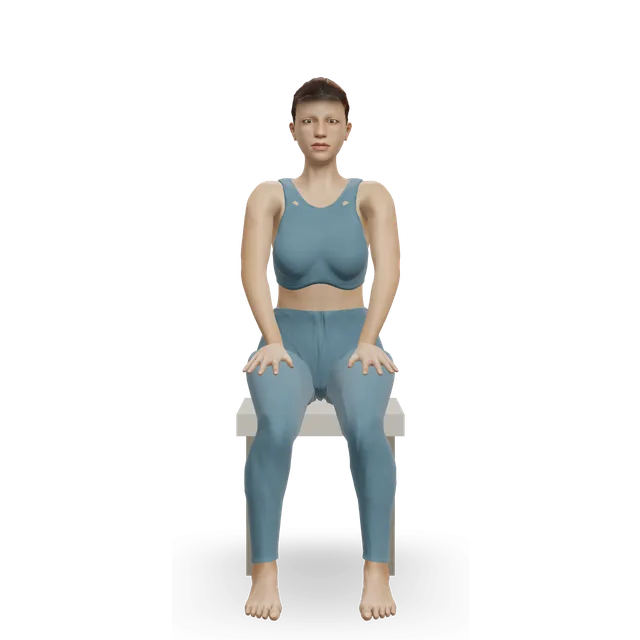
Loading the 3D figure…
Make it easier or harder
Choose a version that fits your control and comfort.
Easier option
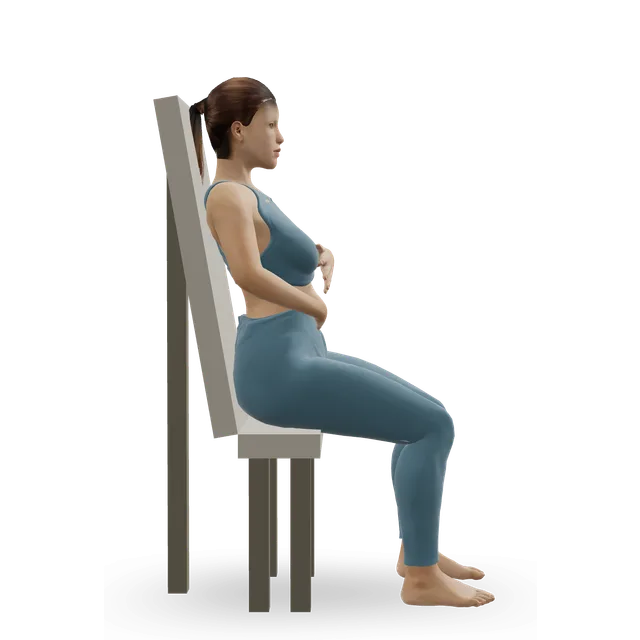 3D demoSlow breathing (6 breaths a minute)Beginner · No equipment
Suggested next step, beginner grade.
Harder option
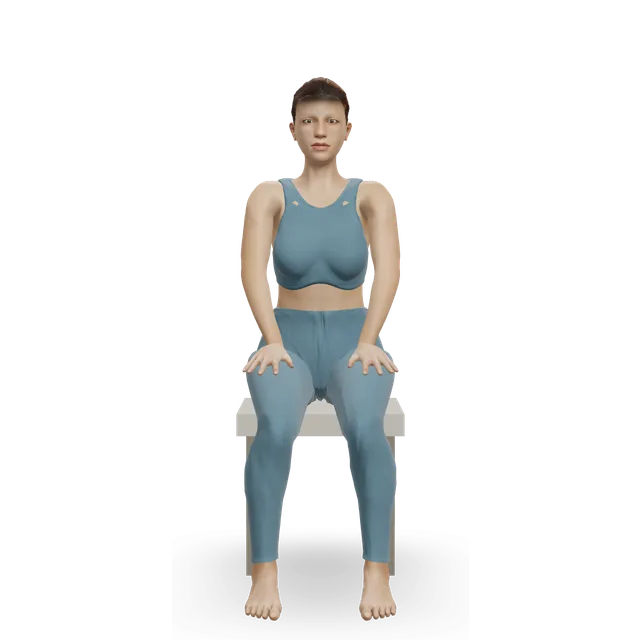 3D demo4-7-8 breathingBeginner · No equipment
Suggested next step, beginner grade.
Source-researched guide.
How to move
- Sit upright with your feet flat and your hands resting on your thighs, or lie down.
- Breathe in through your nose for a count of 4, letting the lower ribs and belly widen.
- Hold for 4, then breathe out through your nose for 4.
- Hold with your lungs empty for 4, then start the next breath in. Keep going for 5 minutes, then breathe normally.
Form cues
- Choose a count you can keep without straining: 3 is fine.
- Keep the breath low, quiet and through the nose.
- Avoid: gasping at the end of the empty hold; shorten the count instead.
Practice and cautions
5 minutes a day: the daily dose in the month-long trial, where each person set a count of 3 to 10 seconds from a simple breath test and shortened it whenever they had to strain. Start with a count of 3 or 4 (our editorial starting point).
The empty-lung hold can bring on light-headedness at first, so sit down and shorten the counts if it does. Never practise breath holds in water or while driving. If breath holds make you feel short of air or panicky, leave them out: breathe in for about 4 and out for about 6 instead. With heart disease or heart failure, leave out the holds and breathe slowly instead. With sickle cell disease, skip the breath holds: breathe slowly and evenly instead. This is movement education, not an assessment or treatment prescription. Stop for sharp or increasing pain, dizziness, numbness or tingling; seek individual guidance for symptoms, injury or restrictions.
Sources and review status
Sources support the educational description; they do not establish that this exercise is suitable for you.
- Balban 2023 · Five minutes a day of breathwork for a month: box breathing lifted mood and eased anxiety after each session, as mindfulness did; exhale-focused cyclic sighing did best (randomised trial of 108 adults, about 20 doing box breathing, no do-nothing group; Cell Reports Medicine) ↗
- Marchant 2025 · Square, 4-7-8 and 6 breaths-a-minute breathing compared in one session: 6 a minute raised heart rate variability most; none changed mood or blood pressure (84 students, Applied Psychophysiology and Biofeedback) ↗
No variation is labeled clinically validated.
What it works
Muscles
Works the whole body. Individual muscles are not yet classified.
Equipment
None: body weight and floor space.
Level
Beginner. See the easier and harder options above.
Workouts that use it
Guides that use it
- Pilates for ADHD guide
- Yoga for anxiety and sleep guide
- Yoga for high blood pressure guide
- Yoga for energy guide
- Yoga for athletes guide
- Yoga for lungs and COPD guide
- Yoga for heart health guide
- Yoga for stroke recovery guide
Show all 24 guidesShow fewer guides
- Yoga for PTSD guide
- Yoga for stress relief guide
- Yoga for boxers guide
- Yoga for high cholesterol guide
- Yoga for low blood pressure guide
- Yoga for myasthenia gravis guide
- Yoga for veterans guide
- Yoga for firefighters guide
- Yoga for Crohn's and colitis guide
- Yoga for atrial fibrillation guide
- Yoga for heart failure guide
- Craniosacral therapy guide
- Exercise for anxiety and panic attacks
- Exercise for stress relief
- Exercise with Raynaud's
- Exercise when trying to conceive
Similar moves
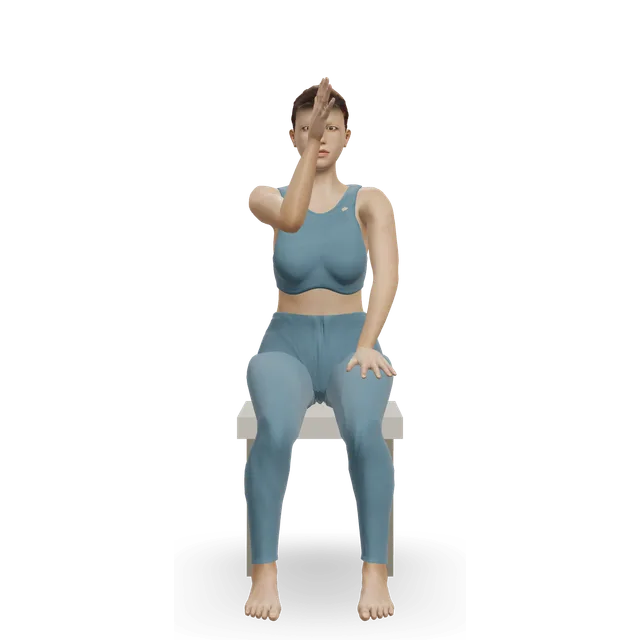
Browse more
Questions people ask
What muscles does the Box breathing work?
It works the whole body.
What equipment do I need for the Box breathing?
No equipment: your body weight and a little floor space.
Is the Box breathing good for beginners?
It is graded beginner, so it suits most people starting out. When it feels easy, try the 4-7-8 breathing.
What is an easier alternative to the Box breathing?
Try the Slow breathing (6 breaths a minute). It is the suggested step down from this move.
How do I make the Box breathing harder?
Progress to the 4-7-8 breathing. Follow that guide’s technique and any stated timing.