Warning signs: when to stop and when to get help
These are the warning signs from our exercise with heart failure, yoga for heart health and blood clot guides, word for word. This is general information, not a diagnosis. A&E means accident and emergency; in the US, call 911 for 999.
Call 999 now
Call 999 (911 in the US) if:
- You have chest pain that feels tight or like squeezing on your chest.
- You have chest pain that spreads to your arms, neck or jaw.
- You're having severe difficulty breathing: you're gasping, choking or not able to get words out.
- Your lips or skin are pale, blue or grey. On brown or black skin, this may be easier to see on the palms of the hands.
- Someone has passed out and is not responding normally.
Sources 38, 1
While you wait for help
Don't drive yourself to A&E. Sit and rest on the floor with your knees bent and your back supported. Take a 300 mg aspirin if you have one and aren't allergic to aspirin, and use your GTN if you have angina. If someone stops responding and stops breathing, start CPR (cardiopulmonary resuscitation).
Source 38
A fast or irregular heartbeat, and fainting
Call 999 or go to A&E if palpitations don't go away, or come with chest pain, shortness of breath, feeling faint or fainting. With a fast or irregular heartbeat, the NHS also lists sweating, feeling or being sick, dizziness, a severe headache, weakness or numbness on one side, blurred vision, and confusion or difficulty speaking as reasons to call 999. If palpitations have stopped, ask for an urgent GP appointment or call NHS 111.
Call 999 if someone has fainted while exercising, or while lying down. After any other faint, see a GP.
Sources 39, 40
Call NHS 111 or ask for an urgent GP appointment
- You're suddenly more short of breath than usual.
- You have chest pain and feel sick or are being sick.
- You have chest pain and your heart feels like it's racing, going too slowly, skipping a beat or fluttering.
- You have heart failure and feel breathless when lying down or from everyday activity, cough up frothy pink phlegm, or have suddenly gained weight.
Sources 38, 1
A blood clot: call 999
Call 999, or have someone drive you to A&E (don't drive yourself), if:
- You have difficulty breathing that comes on suddenly.
- You have pain in your chest or upper back.
- Your heart is beating very fast.
- Someone has passed out.
- You have pain and swelling in your leg or arm, and you're also breathless or have chest pain.
Sources 41, 42
A blood clot: the same day
Our suggestion: with heart failure, swelling in both ankles is more often fluid (see the signs of fluid below), but pain and swelling in one leg needs checking the same day.
Ask for an urgent GP appointment or get help from NHS 111 if:
- You think you have a new DVT: throbbing pain and swelling in one leg (rarely both), usually in the calf or thigh, with red, blue or darkened skin or swollen veins. It can happen in an arm.
Source 42
Signs of fluid building up
Tell your heart failure team if you notice any of these. On those days, don't exercise (our suggestion, following the BHF's advice not to exercise when you're unwell or more breathless than normal).
- Sudden weight gain.
- Swollen legs, ankles or feet.
- Shoes or clothes feeling tighter.
- Feeling more breathless.
- A bloated or full feeling in your tummy.
- Needing extra pillows at night to breathe comfortably.
Sources 12, 10
Stop exercising
Stop if you get palpitations (your heart pounding or skipping a beat), extreme shortness of breath or light-headedness, and stop if you run out of energy. The BHF says stop immediately and contact your GP if you feel unwell, very short of breath, or get chest pain, dizziness or palpitations while exercising. Call 999 for the signs above.
Stop if you get chest pain, palpitations, dizziness or light-headedness. If it doesn't go away quickly with rest, or with your GTN if you use it, get urgent medical advice. With heart failure, also stop for extreme shortness of breath, and don't start a session on a day you feel unwell or more tired or breathless than normal.
Source 2
Don't do yoga today if
- You feel unwell, or more tired or breathless than normal.
- You've suddenly gained weight, or your legs, ankles or tummy are more swollen: contact your heart failure team.
Sources 2, 12
Tell your heart failure team
- Light activities are getting harder.
- You have any of the signs of fluid building up.
- A medicine leaves you dizzy or too tired to exercise.
Sources 2, 12
In a yoga class
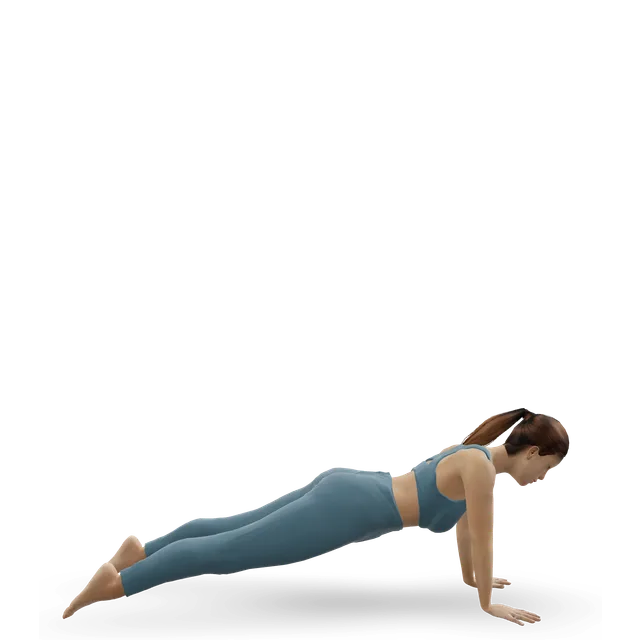
With heart failure, avoid "lifting heavy weights", "holding your breath" and "using your whole body as a weight, such as press-ups or planks". Don't exercise on days you're unwell or more tired or breathless than normal. Prop yourself up for lying poses if lying flat makes you breathless, and ask your doctor before legs up the wall (our suggestions, the second from the move's caution).
Come out of any pose and sit down if you feel dizzy or light-headed, and get medical advice before you train again. Keep breathing in every pose, get up slowly from the floor, leave a hot room if you feel dizzy, sick or get a headache, and keep your GTN by your mat. Tell your teacher about your heart condition (our suggestions).
You can say no to any hands-on adjustment, and a teacher registered with Yoga Alliance must get your explicit consent each time.
Sources 2, 8, 43
Who to contact
Your heart failure nurse or team first, then your GP or rehab team. The BHF Heart Helpline (0808 802 1234, Monday to Friday, 9am to 5pm) answers questions, and the NHS links to the heart failure charity Pumping Marvellous for more information.
Sources 2, 1
Head-down poses, bones and pregnancy
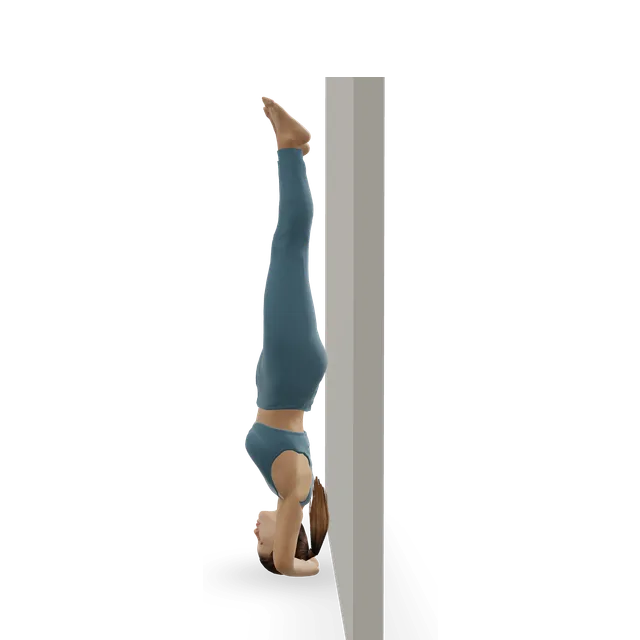
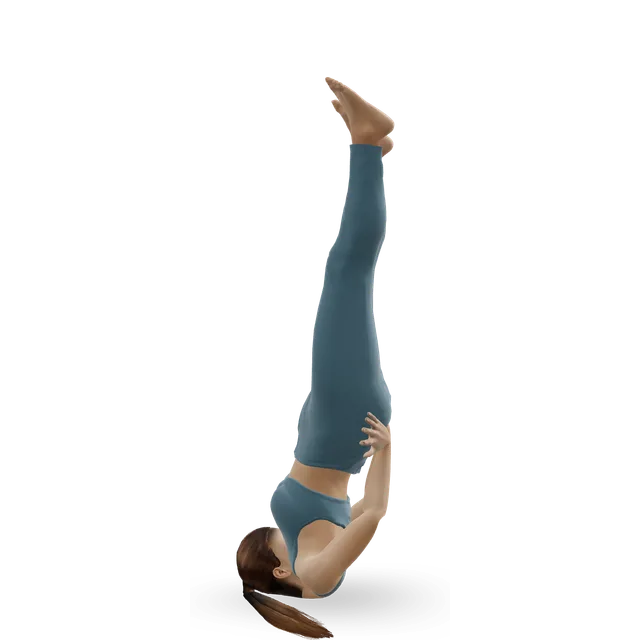
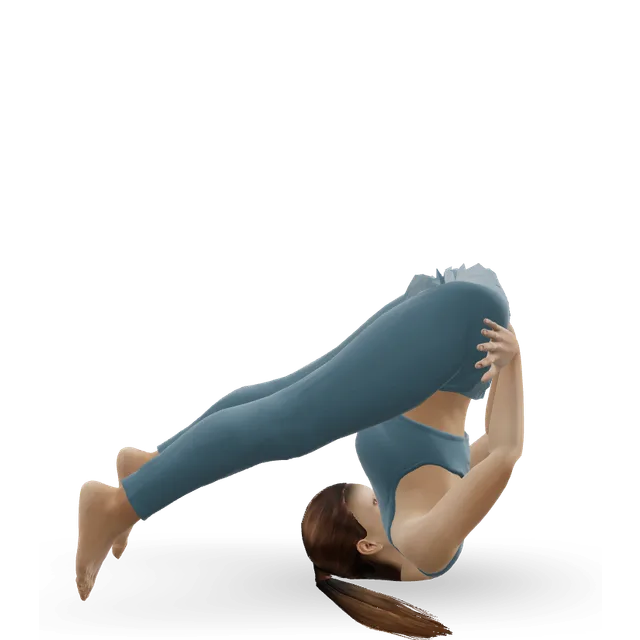
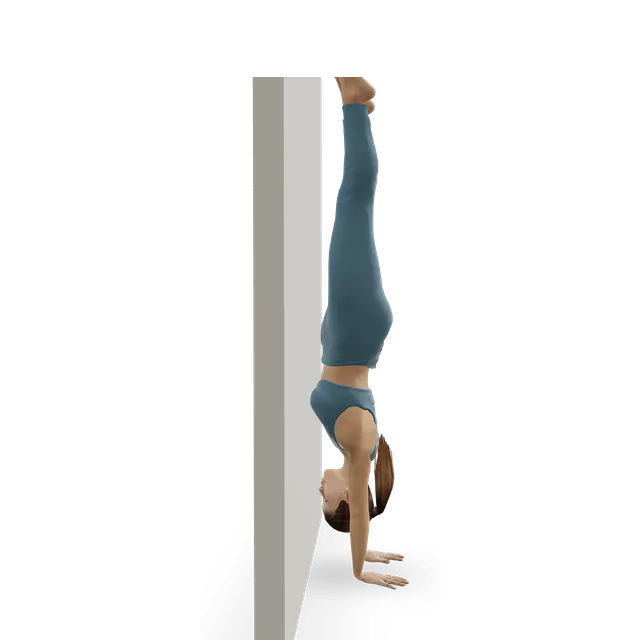
With glaucoma, or high blood pressure that isn't under control, skip headstands, shoulder stands and long head-down holds. With osteoporosis, swap deep forward folds for a flat-back hinge from the hips, and twist smoothly. In pregnancy, our yoga in pregnancy guide covers the changes. NCCIH advises beginners to avoid headstands, shoulder stands, the lotus position and forceful breathing.
Sources 44, 45
Before you start
The NHS advises getting advice from a healthcare professional first if you have a health problem, an injury or symptoms, or have recently had a heart attack or an operation.