Exercise guide

Exercise with a pacemaker or ICD: the first 6 weeks, arm exercises and getting back to sport

Most people with a pacemaker or an implantable cardioverter defibrillator (ICD) can exercise, and a pacemaker often makes activity easier. The first weeks are about letting the wires (leads) settle: hospitals ask you not to lift your elbow above shoulder height on the device side or carry anything heavy, usually for 4 to 6 weeks, while keeping the shoulder gently moving so it doesn't stiffen.

This guide sets out the arm limits as NHS device clinics give them, with a follow-along shoulder routine for those weeks, when people usually return to swimming, golf and the gym, contact sport, heart rate limits set by your device, gym gadgets to avoid, and what to do if your ICD gives a shock. Your own clinic's leaflet and advice come first.

The short version

Most people can exercise

A pacemaker can let you get back to daily activities, including exercise, and in the long term should make physical activity much easier. With an ICD, the device itself won't limit your exercise, though your heart condition may. Your doctor will tell you about any limits.

Sources 1, 2, 3

Follow your own device clinic's leaflet

The NHS says don't lift your elbow above shoulder height, carry heavy objects or do vigorous exercise for 4 to 6 weeks, so the leads can settle. Hospitals' advice ranges from a sling for the first 24 hours to keeping the elbow below shoulder height for 6 weeks, so your own clinic's leaflet comes first.

Sources 4, 5, 6

Keep the shoulder moving

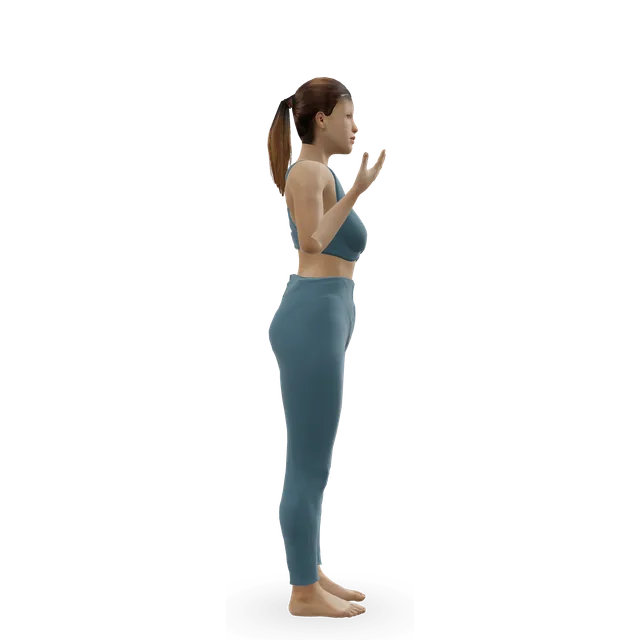
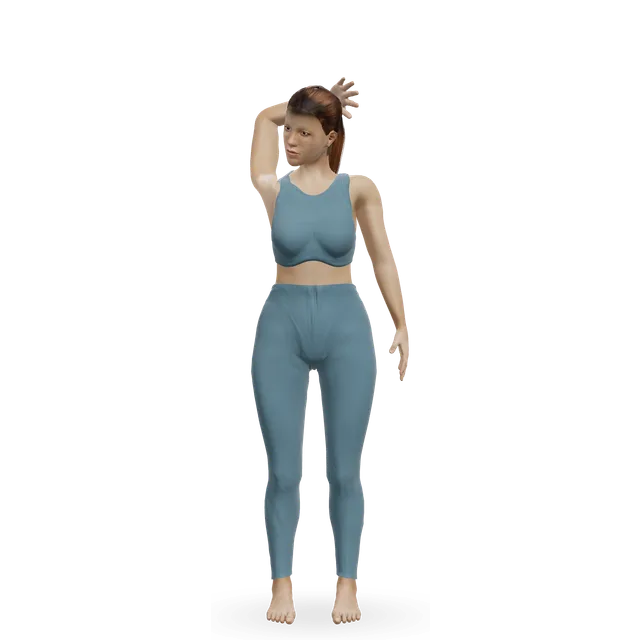
The British Heart Foundation (BHF) says gently rotate your shoulder at a low level and move your head from side to side. NHS leaflets give small pendulum swings, shoulder rolls and head tilts, 10 of each, to stop the shoulder stiffening.

Sources 7, 8

Arm-heavy sport comes back later

Swimming, golf, racket sports and weights return after your first device check or later: from 6 weeks at some hospitals to 3 months at others.

Sources 6, 9, 10, 5, 11

Contact sport

The BHF says avoid contact sports such as rugby, football and boxing, even after you've recovered, because they can damage an ICD. England Boxing won't pass anyone with a pacemaker or ICD as fit to box.

Sources 7, 12

If your ICD gives a shock

One shock and you feel well: sit and rest, then contact your ICD clinic, and don't drive. Call 999 if you feel unwell afterwards, have more than one shock, or black out.

Sources 7, 13, 14

Pacemakers, ICDs and how they work

Pacemakers

A pacemaker is a small device put under the skin of your chest, usually near the left collarbone, that sends electrical signals to help control your heartbeat. Wires (leads) run through a vein into the heart. Pacemakers are used for heart block, other heart rhythm problems and heart failure.

Source 4

How a pacemaker affects your heart rate

A pacemaker's main job is to stop your heart rate dropping below a set value. It can't treat fast rhythms, and your own heart rate can still rise above the rate it's set to. Most pacemakers work only when they're needed; some pace all the time.

Sources 6, 15

ICDs

An ICD sits under the skin near the collarbone and watches your heart's rhythm. If it picks up a dangerous fast rhythm, it can pace the heart back to normal, or give a small or larger shock. A shock can feel like a sudden jolt or thump in your chest or back. It can't shock people near you or touching you.

Source 16

Other types

A leadless pacemaker is guided through a vein into the heart, with no wires and no cut to the chest; the NHS says people with a slow heartbeat may be offered one, though availability varies. A subcutaneous ICD (S-ICD) has no leads in the heart, and its box sits under the left armpit. Cardiac resynchronisation therapy (CRT) devices help the heart's chambers beat together in heart failure.

Sources 4, 16, 15

Why the first weeks matter

The leads need time to settle into place. For the first 4 to 6 weeks, hospitals ask you not to lift the arm on the device side above shoulder height, or do heavy lifting, pushing or pulling, to stop the leads moving out of place.

Source 8

Why moving still matters

Holding the arm still for weeks risks a stiff or frozen shoulder, which is why the same leaflets give daily shoulder exercises. Shoulder problems are more common with ICDs, which are larger, than with pacemakers: in a study of 200 people, movement was limited in 17% to 20% of people with an ICD, against 7% to 9% with a pacemaker.

Sources 8, 17

The first 6 weeks after your device is fitted

Follow your own device clinic's leaflet: hospitals' timings differ, and your clinic knows your device and how it was fitted.

Your clinic's leaflet comes first

Keep your leaflet and your clinic's phone number to hand; the number should be on your hospital letter. The NHS says do shoulder exercises as recommended by your care team.

Sources 4, 7

The first days

You'll usually be able to make gentle movements with your arm within the first few days, and walk around the house or garden. Some hospitals are stricter at first: one asks you not to move the arm at all for 48 hours, and another uses a sling for the first 24 hours.

Sources 4, 7, 9, 5

Up to 6 weeks: below the shoulder

The NHS says don't lift your elbow above shoulder height on the device side for 4 to 6 weeks, and don't carry heavy objects or do vigorous exercise. For those weeks, the BHF's ICD booklet also lists hanging out washing, weights, lifting things above your shoulder, picking up children, grandchildren or heavier pets, some stretches, and running, tennis, rugby, football and golf.

Sources 4, 7

Walking

Walking is the way back. Start around the house and garden, then build up: one health board advises no strenuous activity for at least 2 weeks, then building up over 2 to 3 weeks. Leg exercises such as sit-to-stands are fine, as long as you don't push up through the device-side arm (our suggestion).

Sources 7, 6

After your first device check

The first check is usually at about 4 to 6 weeks. Most people can then start to use the arm fully, building up over the next few weeks, and get back to the gym, yoga and Pilates. Arm-heavy sports such as swimming and golf follow at the time your clinic gives.

Sources 4, 10, 7

Driving

The Driver and Vehicle Licensing Agency (DVLA) has rules on driving after a pacemaker or ICD is fitted, and after an ICD shock. They depend on your device and your licence, so check DVLA's guidance for your licence before you drive to the gym or to sport.

Sources 18, 19, 20

Arm limits: what NHS hospitals say

The NHS

Do some shoulder exercises, as recommended by your care team. Don't lift your elbow above shoulder height, carry heavy objects or do vigorous exercise for 4 to 6 weeks.

Source 4

The BHF

With a pacemaker, avoid raising your arm above shoulder level on the device side for up to 6 weeks, and for the first 6 weeks avoid heavy housework, gardening, golf, heavy weights and DIY. With an ICD, don't lift your arm above shoulder height (90 degrees) for 4 to 6 weeks.

Sources 15, 1, 7

Hospitals differ

The advice ranges from a sling for the first 24 hours to keeping your elbow below shoulder height for 6 weeks. Royal Berkshire uses a sling for 24 hours, then no heavy lifting or strenuous pushing or pulling for a month. Cambridge asks for no arm movement for 48 hours, then no overstretching for 4 weeks. Royal Papworth says a month, and Birmingham until the first check at about a month. Gloucestershire says 4 to 6 weeks, and Royal Brompton, NHS Lothian and West Suffolk say 6 weeks. Follow your own clinic.

Sources 5, 9, 10, 21, 8, 22, 6, 23

Keep it moving

Every leaflet that gives a reason says to keep the arm moving below shoulder height to prevent a stiff or frozen shoulder: gentle shoulder rotations and head turns (BHF), pendulum swings, shoulder rolls and head tilts (Gloucestershire), small circles (Royal Brompton), and using the arm for washing, dressing and eating (Royal Papworth, NHS Lothian).

Sources 7, 8, 22, 10, 6

Gentle arm exercises for the first weeks

From the first days, when your clinic says: 10 of each, gently, 2 or 3 times a day, keeping your elbow below shoulder height (the exercises in the Gloucestershire Hospitals leaflets; how often is our suggestion). Our 10-minute routine below puts them together.

Does moving the arm early help?

These trials are small and mostly from one research group. They support gentle movement over keeping the arm still, but don't settle exact timings.

Gentle shoulder exercise from 2 weeksEmerging evidence

In a trial of 89 people, pendulum exercises, or stretching and strengthening, starting 2 weeks after a device was fitted gave better shoulder movement, grip strength, pain and function at 2 months than usual care, with no leads moving. In 82 of the people followed up, the benefits were still there 3 years later, with no lead problems.

Sources 24, 25

Getting up soonerEmerging evidence

In 200 people having a pacemaker fitted, getting up after 4 hours of bed rest was as safe as waiting 16 to 24 hours: complications in 4% against 7%, and leads moved in 2 people in each group.

Source 26

A shoulder programmeEmerging evidence

In 101 people, a shoulder programme started in hospital and continued at home reduced pain and disability over 1 to 3 months, with no complications. It was an observational study, so people chose whether to take part.

Source 27

Getting back to sport

When, by hospital

Swimming and golf: from 6 weeks at NHS Lothian and Royal Brompton; at least 2 months at Cambridge; 2 to 3 months, with rowing, at Royal Papworth; and 3 months at Leeds. Royal Berkshire stops weightlifting, tennis and golf until 3 months. One hospital also says no swimming or hot baths for the first 7 days, while the wound heals.

Sources 6, 22, 9, 10, 11, 5, 28

What most people go back to

Once you've recovered, usually after 6 weeks or your first check, the BHF says most people with an ICD can return to the gym, cricket, golf, yoga, Pilates, climbing and swimming. Usually, you can play sports that involve raising your arm, like golf.

Sources 7, 16

Big, repeated arm movements

European sports cardiology guidance notes that sports with big, repeated arm movements, such as tennis, golf, volleyball, basketball and climbing, may add wear to the leads over the years. If you play them and are about to have a device fitted, ask whether it can go on the side away from your playing arm.

Sources 29, 5

Contact sport

Most UK clinics say avoid contact sports for good: the BHF names rugby, football and boxing, and Royal Brompton heavy contact sports such as rugby and kickboxing, because a blow can damage the device or leads. Some clinics say special protection or padding over the device is sometimes possible, and European guidance says padding, or choosing where the device sits, can help in some sports. Ask your clinic before you play.

Sources 7, 9, 13, 2, 11, 29

Boxing

England Boxing lists pacemakers and internal defibrillators among the reasons it won't pass someone as fit to box. Our boxing guide has more.

Source 12

Water, heights and being alone

With an ICD, avoid activities where a shock or blackout could be dangerous: Birmingham's leaflet names swimming alone, climbing high ladders and scuba diving. Swim with someone else, where there's a lifeguard, use ropes and a partner if you climb, and ask your team about diving and motor sport (our suggestions, from that leaflet and European guidance).

Sources 21, 29

Competitive sport with an ICDEmerging evidence

In an international registry of 372 athletes with ICDs who kept playing sport, there were no deaths, cardiac arrests or injuries from shocks or arrhythmias during sport over a median of 31 months, though 10% had a shock during competition or practice. These were selected athletes who chose to keep playing, so the results don't apply to everyone. Whether to carry on, including after a shock, is a decision to make with your team.

Sources 30, 29

Cardiac rehab with an ICDMixed evidence

Cardiac rehab is offered before and after an ICD or CRT device is fitted. In 8 trials of rehab for people with an ICD (1,730 people), fitness improved a little and shocks weren't more common, but the trials were all at high risk of bias, so the evidence is low quality.

Sources 31, 32

Heart failure and an ICDEmerging evidence

In a large heart failure trial, 1,053 people with an ICD had no more shocks with exercise training than without it (20% against 22%).

Source 33
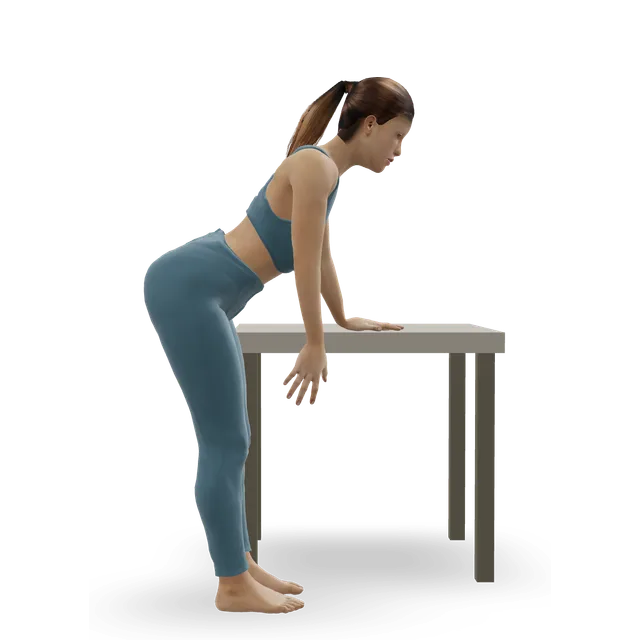
After your first device check

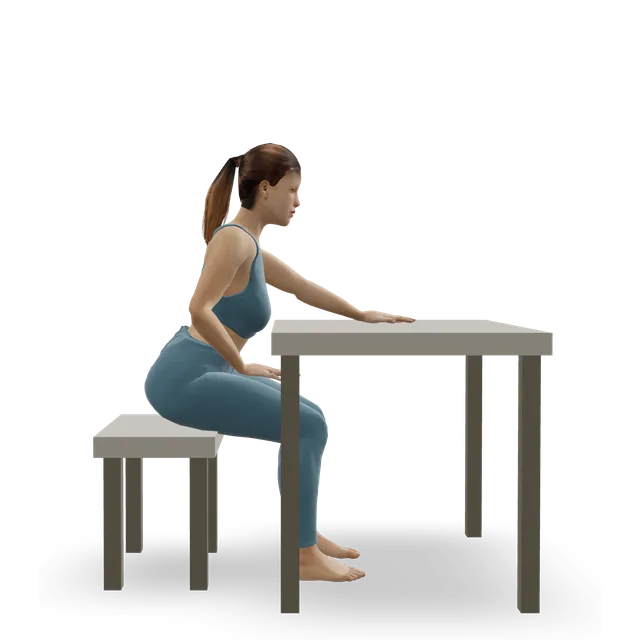
Once your clinic says you can move the arm fully: start with the table slide, then work up to full circles and overhead slides over a few weeks, before light strength work. Build up gradually, as Royal Papworth advises.

Heart rate limits set by your device

ICDs

Your ICD is programmed so a normal rise in heart rate, such as during exercise, is fine: the rhythms it treats are much faster than a normal heart can go. Your device clinic can tell you your device's limits, and you can stay below them during exercise, as your clinic sets them.

Sources 7, 5, 29

Atrial fibrillation and an ICD

A fast normal rhythm, or another fast rhythm such as atrial fibrillation (AF), is the most common cause of shocks that weren't needed. If you have AF too, keeping it under control matters: tell your clinic about palpitations during exercise.

Source 29

Pacemakers

A pacemaker stops your heart rate dropping too low, and your own rate can still rise above its setting. Many pacemakers also have settings that let the paced rate rise when you're active, which your clinic can check and adjust when you return to sport. If your heart rate doesn't seem to rise with effort, or you get dizzy or breathless at a certain level, tell your pacing clinic.

Sources 6, 29, 1

Watches

Smartwatches can read heart rate too low during AF. If you have AF, go by how the effort feels rather than the number on your wrist.

Source 34

Beta blockers

Beta blockers slow your heartbeat and may make you feel more tired or less energetic. Use the talk test or the Borg scale rather than heart rate. If a beta blocker makes you dizzy, the NHS says not to drive, ride a bike or use machinery until the dizziness stops. Talk to your doctor if you want to change your exercise routine, and don't change your dose yourself.

Sources 35, 3, 36

If your ICD gives a shock

From the BHF's ICD booklet and the shock plans of Royal Brompton, Gloucestershire, Liverpool Heart and Chest, Royal Berkshire and Royal United Hospitals Bath. If your clinic has given you its own shock plan, follow that.

  1. If you think a shock is coming (fast palpitations, dizziness or light-headedness), lie or sit down and tell someone how you feel.
  2. After a shock, sit down and take time to calm down. Check whether you have chest pain, feel light-headed, dizzy or confused, have a racing heart, or are breathless.
  3. Call 999 if you feel unwell after a shock, have more than one shock, or black out.
  4. One shock and you feel well afterwards: contact your ICD clinic that day, or when it next opens, and send a reading from your home monitor if you have one.
  5. Don't drive yourself to hospital or the clinic after a shock, and check DVLA's guidance for your licence before driving again.
  6. A shock can't harm anyone touching you: they may feel a slight tingle.

Gym equipment and gadgets

Devices to avoid

The BHF lists these among devices to avoid with a pacemaker or ICD:

  • Electronic body fat scales (body fat composition scales).
  • Abdominal stimulators, used for building muscle. With an ICD, keep electric pulse body toning devices below your stomach.
  • TENS (transcutaneous electrical nerve stimulation) machines for pain relief.
  • Magnetic mattress pads or pillows.
  • Welding equipment.

Sources 1, 7, 37

Body fat scalesEmerging evidence

In a small study of 27 people with pacemakers or ICDs, the current from a smart scale's or watch's body fat feature interfered with the device in 5 whose devices were set to their most sensitive, and in none after the settings were adjusted. Gym body composition machines work on the same principle, so skip them unless your clinic says they're fine (our suggestion).

Sources 38, 1

Phones, headphones and watches

Keep phones and headphones 15 cm (6 inches) from your device, not directly over it. It isn't yet clear whether smartwatches are safe: keep yours 15 cm from the device, wear it on the opposite wrist, and ask before using body composition features.

Sources 1, 37

Gym machines

European guidance says interference is unlikely with modern devices, so most gym equipment shouldn't cause problems. If you feel dizzy when using an electrical device, move away from it and check your heartbeat has returned to normal, then tell your clinic. Don't linger near or lean on shop security gates.

Sources 29, 7, 1

Defibrillators at the gym

If someone with a pacemaker has a cardiac arrest, it's safe to give CPR (cardiopulmonary resuscitation) and to use an automated external defibrillator (AED): getting help quickly is the priority.

Source 1

Leadless pacemakers, S-ICDs and CRT

Leadless pacemakers

A leadless pacemaker is guided into the heart through a vein, usually at the top of the leg, and you can usually go home the same day. The NHS says people with a slow heartbeat may be offered one; availability varies. The care is for the groin: for the first 48 hours, one hospital says no strenuous exercise, cycling or sport, and lift nothing heavier than a full kettle. Ask your clinic whether any arm limits apply.

Sources 4, 39

Subcutaneous ICDs (S-ICD)

An S-ICD has no leads in the heart: the box sits under the left armpit. One hospital's leaflet asks you to avoid heavy lifting until your first appointment and movements that press on the wounds, and not to swim for 7 days, but gives no arm-height limit. Ask your clinic which limits apply.

Sources 16, 40

CRT devices

CRT devices, with or without a defibrillator, are mainly for heart failure and have leads, so the same arm limits apply; Royal Berkshire's leaflet covers ICDs and CRT defibrillators together. Our heart failure guide covers exercise with heart failure.

Sources 16, 5

Workouts to follow

In the first 4 to 6 weeks, do the arm and shoulder routine and walk. The rehab-style session suits people offered rehab after an ICD: march instead of step jacks, band rows and wall push-ups until your clinic says arm work is fine. The shoulder and neck routines, strength sessions and golf warm-up are for after your clinic allows full movement.

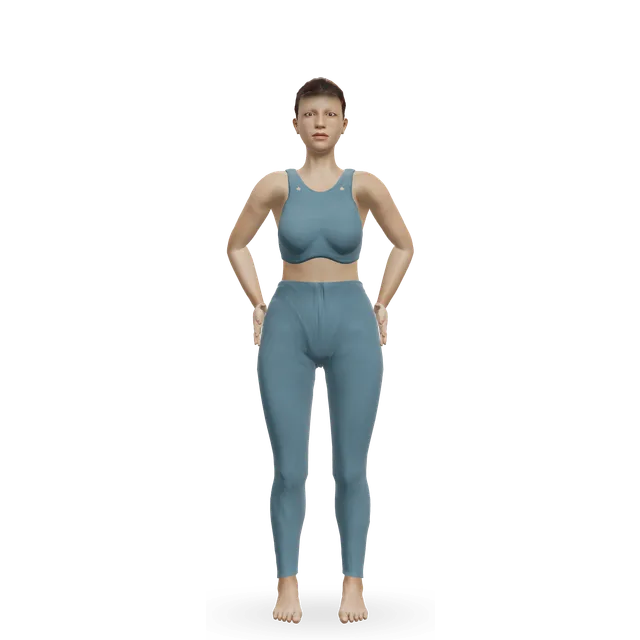
Arm and shoulder exercises after a pacemaker or ICD: the first 6 weeks

Gentle arm, shoulder and neck exercises for the first 6 weeks after a pacemaker or ICD, keeping your elbow below shoulder height so the leads can settle.

10 minBeginner7 movesA bench or box, A wall

Easy cardio workout

A steady 30 to 45 minute cardio session at talk-but-not-sing pace: walk, cycle, row or cross-train, counting toward weekly activity guidelines.

40 minBeginner3 movesCardio machine, A wall

10-minute walk and move after meals

A 10-minute routine for straight after a meal: an easy walk, a few simple standing moves from blood sugar trials, then a short walk to finish.

10 minBeginner6 movesCardio machine, A bench or box

Cardiac rehab exercises at home: a 45-minute session

A 45-minute home session built like a UK cardiac rehab class: a 15-minute warm-up, 20 minutes of cardio mixed with light strength, and a 10-minute cool-down.

45 minBeginner14 movesA wall, A bench or box

Shoulder mobility and stability routine (with a band)

A 25-minute band routine for healthy shoulders: move the shoulder and upper back through their range, then strengthen the rotator cuff and shoulder blades.

25 minBeginner12 movesA wall, A band

Neck and shoulder stretches

Eight gentle neck and shoulder stretches for desk stiffness, done standing or seated in ten minutes.

10 minBeginner8 movesA wall

Beginner home workout

A gentle 20-minute beginner home workout with a chair, a wall and a band: sit-to-stands, wall push-ups, band rows, step-ups and dead bugs.

20 minBeginner11 movesA bench or box, A wall

Golf warm-up

A 10-minute golf warm-up: brisk marching, then the hip and trunk turns, hinge, side bend, lunge and jump from the one trial of a golf warm-up, twice through.

10 minBeginner9 movesA wall

Plans

Build walking towards 150 minutes a week, at the pace your clinic suggests.

Warning signs and when to get help

A&E means accident and emergency, and GP means general practitioner. GTN is glyceryl trinitrate, the spray or tablets used for angina.

Call 999 now

Call 999 (911 in the US) if:

  • You have chest pain that feels tight or like squeezing on your chest.
  • You have chest pain that spreads to your arms, neck or jaw.
  • You're having severe difficulty breathing: you're gasping, choking or not able to get words out.
  • Your lips or skin are pale, blue or grey. On brown or black skin, this may be easier to see on the palms of the hands.
  • Someone has passed out and is not responding normally.
  • You feel suddenly confused.

Sources 41, 4

While you wait for help

Don't drive yourself to A&E. Sit and rest on the floor with your knees bent and your back supported. Take a 300 mg aspirin if you have one and aren't allergic to aspirin, and use your GTN if you have angina. If someone stops responding and stops breathing, start CPR (cardiopulmonary resuscitation).

Sources 41, 1

After an ICD shock

Call 999 if you feel unwell after a shock, have more than one shock, or black out. If you have one shock and feel well, contact your ICD clinic that day or when it next opens, and don't drive.

Sources 7, 13, 14, 42, 43, 28, 5, 2

A fast or irregular heartbeat

Call 999 or go to A&E if palpitations don't go away, or come with chest pain, shortness of breath, feeling faint or fainting. With a fast or irregular heartbeat, the NHS also lists sweating, feeling or being sick, dizziness, a severe headache, weakness or numbness on one side, blurred vision, and confusion or difficulty speaking as reasons to call 999. If palpitations have stopped, ask for an urgent GP appointment or call NHS 111.

Sources 44, 45

Fainting

Call 999 if someone has fainted while exercising, or while lying down. After any other faint, contact your device clinic or GP.

Sources 46, 7

After your device is fitted: contact your clinic or NHS 111

  • Your wound gets more swollen, tender or redder (redness may be harder to see on brown or black skin).
  • Blood, pus or clear liquid is leaking from your wound.
  • Your temperature is very high, or you feel hot, cold or shivery.
  • Any symptoms you had before the procedure come back or get worse.

Source 4

Contact your GP or device clinic

  • Breathlessness, dizziness, or feeling weak all the time.
  • A swollen arm on the side of your device.
  • Hiccups that take a long time to go away, or twitching in your shoulder or tummy.
  • A high temperature (38°C or above).
  • Pain, swelling or redness where your device is fitted.
  • Your heart is pounding, fluttering or beating quickly (palpitations).

Sources 7, 9

Your shoulder

Shoulder pain or stiffness that's getting worse rather than better after the first weeks, or that stops you dressing or sleeping, needs your clinic or GP: a physiotherapist can help (our suggestion). Our frozen shoulder guide has more.

Sources 8, 27

Feeling anxious

Some people feel anxious, low or worried after an ICD is fitted, especially about whether they'll get a shock. Talk to your ICD clinic, your GP, or NHS talking therapies; our anxiety guide has more.

Source 37

Myths

"Keep your arm completely still for 6 weeks"Emerging evidence

Keep your elbow below shoulder height, but keep the shoulder moving: the leaflets say this prevents a stiff or frozen shoulder, and small trials of early, gentle shoulder exercise found better movement and no lead problems.

Sources 8, 7, 23, 24, 26

"A pacemaker or ICD means no more sport"Strong evidence

Most people can exercise, and a pacemaker should make physical activity much easier in the long term. Contact sport is the main exception.

Sources 1, 7, 30

"Gym machines and microwaves will switch off my pacemaker"Strong evidence

Microwaves are safe, and interference is unlikely with modern devices, so most gym equipment shouldn't cause problems. Avoid body fat scales, muscle stimulators, TENS machines and magnetic pads.

Sources 1, 37, 29

"If my ICD shocks during exercise, I must stop exercising for good"Emerging evidence

In a registry of athletes with ICDs, shocks during sport happened in a minority, with no injuries from them. Whether to carry on is a decision to make with your team.

Sources 30, 29

"My pacemaker will stop my heart racing"Strong evidence

A pacemaker stops your heart rate going too low; it can't treat fast heart rhythms. Tell your clinic about palpitations.

Source 6

"A shock could hurt someone touching me"Strong evidence

An ICD can't shock people near you or touching you; they may feel a slight tingle.

Sources 16, 7

Questions people ask

Can you exercise with a pacemaker or ICD?

Yes: most people can, and a pacemaker should make physical activity easier in the long term. An ICD won't limit your exercise, though your heart condition may. Check with your cardiac team before starting a new or harder activity.

How soon after a pacemaker can I exercise?

You can walk and make gentle arm movements within the first few days. The NHS says no heavy carrying or vigorous exercise for 4 to 6 weeks, and one health board says build up over 2 to 3 weeks after the first 2. Follow your own clinic's leaflet.

Why can't I lift my arm above my shoulder after a pacemaker?

The leads need time to settle into place, and big arm movements can pull them out of position. The NHS says don't lift your elbow above shoulder height for 4 to 6 weeks, and hospitals' advice ranges from a sling for the first 24 hours to 6 weeks of keeping the elbow low. Keep the shoulder gently moving below that height so it doesn't stiffen.

What arm exercises can I do after a pacemaker?

Gentle movements below shoulder height: small pendulum swings, shoulder rolls and head tilts, 10 of each, as NHS clinics give them. The British Heart Foundation says gently rotate your shoulder at a low level and move your head from side to side. Our 10-minute routine follows these.

Can I lift weights with a pacemaker or ICD?

Not in the first 4 to 6 weeks. After your first check, most people can return to the gym, building up gradually, though some hospitals ask you to wait 3 months for weightlifting. Ask your clinic about upper-body work.

When can I swim or play golf after a pacemaker?

It depends on your hospital: from 6 weeks at some, 2 to 3 months at others. One hospital also says no swimming for the first 7 days, while the wound heals. With an ICD, swim with someone else and where there's a lifeguard.

Can I play contact sports or box with a pacemaker or ICD?

Most UK clinics say avoid contact sports such as rugby, football and boxing for good, because a blow can damage the device or leads. Some say padding may be possible for some sports, so ask. England Boxing won't pass anyone with a pacemaker or ICD as fit to box.

Will my pacemaker let my heart rate go up when I exercise?

A pacemaker stops your heart rate dropping too low, and your own heart rate can still rise above its setting. Many have settings that let the paced rate rise with activity, which your clinic can check if you're breathless or dizzy at a certain effort.

What heart rate is safe with an ICD?

An ICD treats rhythms much faster than a normal heart can go, and normal rises in heart rate during exercise are expected. Your device clinic can tell you your device's limits; stay below them as your clinic sets them.

What should I do if my ICD shocks me?

Sit down and rest. If you feel well after one shock, contact your ICD clinic that day or when it next opens, and don't drive. Call 999 if you feel unwell, have more than one shock, or black out.

Can I use gym equipment and body fat scales with a pacemaker or ICD?

Interference is unlikely with modern devices, so most gym equipment shouldn't cause problems. Avoid body fat scales, abdominal muscle stimulators, TENS machines and magnetic pads, keep your phone 15 cm from the device, and wear a smartwatch on the other wrist.

Is it different with a leadless pacemaker or S-ICD?

A leadless pacemaker goes in through a vein in the leg, so the care is for the groin for the first 48 hours. One hospital's S-ICD leaflet asks you to avoid heavy lifting until your first appointment but gives no arm-height limit. Ask your clinic which limits apply to you.

Sources

  1. British Heart Foundation 2026 · Pacemakers: 15 everyday things you can and cannot do with one
  2. Royal Papworth Hospital NHS Foundation Trust 2024 · Implantable cardioverter defibrillators: a patient's guide (leaflet PI 51; review was due March 2026, opened 22 October 2026)
  3. British Heart Foundation 2025 · Staying active
  4. NHS · Pacemakers
  5. Royal Berkshire NHS Foundation Trust 2025 · Advice following an ICD or CRT-D device implant (patient leaflet)
  6. NHS Lothian 2022 · Permanent pacemaker: post implant guide (review was due July 2025; opened 22 October 2026)
  7. British Heart Foundation 2026 · Understanding implantable cardioverter defibrillators (ICDs) (booklet)
  8. Gloucestershire Hospitals NHS Foundation Trust 2026 · Pacemaker: advice for going home (patient leaflet)
  9. Cambridge University Hospitals NHS Foundation Trust 2025 · Pacemaker (patient information)
  10. Royal Papworth Hospital NHS Foundation Trust 2024 · Pacemakers: a patient's guide (leaflet PI 52; review was due March 2026, opened 22 October 2026)
  11. Leeds Teaching Hospitals NHS Trust 2026 · Your guide to living with your implantable cardioverter defibrillator (patient booklet)
  12. England Boxing 2023 · Medical guidelines, phase one: screening, safeguarding and the BCR1 medical
  13. Royal Brompton and Harefield hospitals 2023 · Living with your ICD (patient leaflet; review was due May 2026, opened 22 October 2026)
  14. Royal United Hospitals Bath NHS Foundation Trust 2024 · Implantable cardioverter defibrillators (ICDs) (patient leaflet)
  15. British Heart Foundation 2024 · Pacemakers
  16. British Heart Foundation 2025 · Implantable cardioverter defibrillator (ICD)
  17. Cosgun 2021 · Shoulder problems and device size in 200 people with a pacemaker or ICD (retrospective study, Pacing and Clinical Electrophysiology; abstract read)
  18. DVLA (Driver and Vehicle Licensing Agency) · Assessing fitness to drive: cardiovascular disorders (last updated November 2025)
  19. GOV.UK · Pacemakers and driving
  20. GOV.UK · Defibrillators and driving
  21. University Hospitals Birmingham NHS Foundation Trust 2024 · Discharge information following implantation of a cardiac defibrillator (ICD) (patient leaflet)
  22. Royal Brompton and Harefield hospitals 2022 · Living with your pacemaker (patient leaflet; review was due December 2025, opened 22 October 2026)
  23. West Suffolk NHS Foundation Trust 2021 · Permanent pacemaker: post-procedure aftercare (patient leaflet; review was due September 2024, opened 22 October 2026)
  24. Cosgun 2022 · Pendulum or stretching and strengthening exercises after a pacemaker or ICD: 89 people (RCT, Pacing and Clinical Electrophysiology; abstract read)
  25. Cosgun 2026 · Early shoulder exercise after a pacemaker or ICD: 3-year follow-up of 82 people (follow-up of an RCT, Biomedical Papers; abstract read)
  26. Šmíd 2026 · Getting up 4 hours or 16 to 24 hours after a pacemaker: 200 people (RCT, Pacing and Clinical Electrophysiology; abstract read)
  27. Choi 2024 · A shoulder rehabilitation programme after a pacemaker or ICD: 101 people (observational study, Journal of Clinical Medicine; abstract read)
  28. University Hospitals Sussex NHS Foundation Trust 2023 · Discharge advice for patients with an internal cardiac defibrillator (ICD) (patient leaflet; review was due March 2026, opened 22 October 2026)
  29. Pelliccia 2021 · 2020 ESC guidelines on sports cardiology and exercise in patients with cardiovascular disease (European Society of Cardiology guideline, European Heart Journal; read as the online-first version)
  30. Lampert 2013 · Safety of sports for 372 athletes with ICDs (prospective international registry, Circulation; abstract read)
  31. BACPR 2023 · Standards and core components for cardiovascular disease prevention and rehabilitation (British Association for Cardiovascular Prevention and Rehabilitation)
  32. Nielsen 2019 · Exercise-based cardiac rehabilitation for people with an implantable cardioverter defibrillator: 8 trials, 1,730 people (Cochrane review; abstract read)
  33. Piccini 2013 · Exercise training and ICD shocks in 1,053 people with heart failure in HF-ACTION (secondary analysis of an RCT, JACC Heart Failure; abstract read)
  34. Koshy 2018 · Smartwatch heart rate in atrial arrhythmias: 102 people in hospital, at rest (comparison with ECG, International Journal of Cardiology; abstract read)
  35. NHS · Beta blockers
  36. British Heart Foundation 2023 · How to exercise when you have atrial fibrillation
  37. British Heart Foundation 2026 · ICDs: do's and don'ts when living with a defibrillator implant
  38. Hansen 2025 · Smartwatches and smart scales with body composition features and cardiac devices: 27 people (pilot study, Circulation: Arrhythmia and Electrophysiology)
  39. University Hospitals Sussex NHS Foundation Trust 2023 · Discharge advice for patients with a Micra leadless pacemaker (patient leaflet; review was due March 2026, opened 22 October 2026)
  40. University Hospitals Sussex NHS Foundation Trust 2023 · Discharge advice for patients with a subcutaneous cardiac defibrillator (S-ICD) (patient leaflet; review was due March 2026, opened 22 October 2026)
  41. NHS · Heart attack
  42. Gloucestershire Hospitals NHS Foundation Trust 2026 · Implantable cardioverter defibrillator (ICD) (patient leaflet)
  43. Liverpool Heart and Chest Hospital NHS Foundation Trust · Implantable cardioverter defibrillator (ICD): shock plan
  44. NHS · Heart palpitations
  45. NHS · Atrial fibrillation
  46. NHS · Fainting

Exercise education, not a diagnosis or treatment plan, and clinical review of these guides is pending. Stop and get advice for chest pain, unusual breathlessness, dizziness or fainting, or new pain, and check with your doctor or midwife first if they have told you to limit activity. Health disclaimer.