Breathing & recovery
Arm and shoulder exercises after a pacemaker or ICD: the first 6 weeks
These are the gentle movements NHS device clinics give for the weeks after a pacemaker or implantable cardioverter defibrillator (ICD) is fitted: small swings, shoulder rolls and head tilts that stop the shoulder on your device side from stiffening while the wires (leads) settle. Start when your clinic says: most hospitals allow gentle arm movement within the first few days, though one uses a sling for the first 24 hours and another asks you to keep the arm still for 48 hours. Keep your elbow below shoulder height and lift nothing heavy with that arm for 4 to 6 weeks, or as long as your clinic says. With a leadless pacemaker or a subcutaneous ICD, ask your clinic which parts apply.
Neck and shoulders (sitting or standing)
- Side neck stretch10 slow tiltsBeginner · Neck, Shoulders · 3D demoTilt your head towards one shoulder, back to the middle, then towards the other. No long holds yetHarder: Rabbit pose (Sasangasana)
- Shoulder rolls10 each wayBeginner · Shoulders, Back, Neck · 3D demoRoll both shoulders in small circles, backwards then forwards, with your elbows by your sidesHarder: Shoulder CARs (controlled articular rotations)


Pendulum swings (device-side arm)
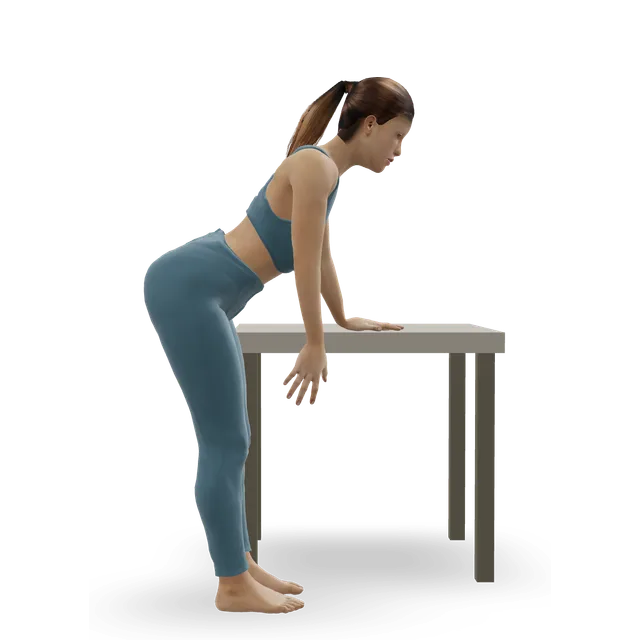
- Pendulum exercise (Codman's pendulum)10 small circles each wayBeginner · Shoulders, Back, Abs · 3D demoLean on a table with your other hand. Let the device-side arm hang loose and draw small circles on the floor, moved by your body's gentle swayHarder: Table slide (seated forward reach)
- Pendulum exercise (Codman's pendulum)10 side to sideBeginner · Shoulders, Back, Abs · 3D demoSame position: let the arm swing gently left and rightHarder: Table slide (seated forward reach)
- Pendulum exercise (Codman's pendulum)10 forwards and backBeginner · Shoulders, Back, Abs · 3D demoSwing gently to and fro, then stand up slowlyHarder: Table slide (seated forward reach)
Everyday arm movement
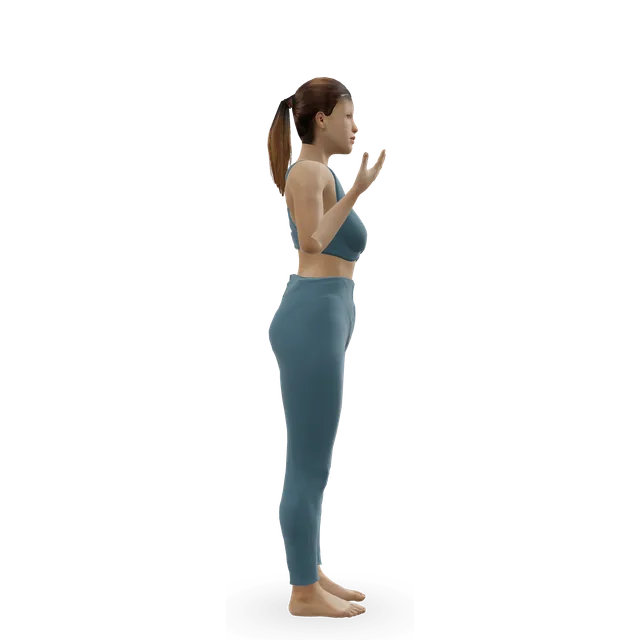
- Beginner · Biceps, Triceps, Forearms · 3D demoElbow by your side: bend to bring your hand towards your shoulder, then straighten. Use both armsHarder: Dumbbell biceps curl
Legs and a walk
- Sit to stand from a chair5 to 10Beginner · Quads, Glutes, Hamstrings · 3D demoArms crossed, or your other hand on your thigh. Don't push up through the device-side armHarder: Bodyweight squat
- Beginner · Calves · 3D demoHold a chair back with your other handEasier: Seated bent-knee calf raise (soleus raise)Harder: Standing dumbbell calf raise
- Treadmill walking5 to 10 minBeginner · Quads, Calves, Glutes · 3D demoAn easy walk around the house or garden at first, then outside; add a few minutes every few daysHarder: Treadmill jogging



Tips
- Follow your own device clinic's leaflet first: hospitals' advice ranges from a sling for the first 24 hours to keeping your elbow below shoulder height for 6 weeks.
- Do the arm and neck exercises gently, 2 or 3 times a day. They should feel easy: stop if they hurt your wound.
- For 4 to 6 weeks, or as long as your clinic says, don't lift your elbow above shoulder height on your device side, and don't carry anything heavy, push or pull with that arm: no hanging out washing, vacuuming, lifting children or pets, swimming, golf or weights.
- Use the arm normally below shoulder height for washing, dressing and eating: that keeps it moving too.
- After your first device check, your clinic will usually let you move the arm fully. Build up over a few weeks; swimming, golf and other arm-heavy sport can take 6 weeks to 3 months, depending on your hospital.
- Contact your device clinic or NHS 111 if the wound gets more swollen, red or tender, leaks, or you have a high temperature. Call 999 for severe difficulty breathing, a chest that feels tight or heavy, or pain that spreads to your arms, back, neck or jaw.
- If your shoulder gets stiffer or more painful rather than easier, tell your clinic or GP (general practitioner): a physiotherapist can help.
- With an ICD: if you feel a shock coming, sit or lie down and tell someone. After one shock, if you feel well, contact your clinic and don't drive; call 999 if you feel unwell, have more than one shock, or black out.
The doses are suggested starting points, not a prescription. Choose a range you can control and stop for sharp or increasing pain, numbness or tingling. Get individual advice after an injury or surgery, or if you are pregnant or managing a health condition.
Guides that recommend it
Find more moves like these
More breathing & recovery




Bedtime stretch routine
A slow, 10-minute floor routine to unwind before sleep: child's pose, twists, happy baby and slow breathing.
10 minBeginner7 movesFirm cushion, A wall



Breathing exercises to relax
A 6-minute breathing routine: slow breathing, crocodile breathing, alternate nostril breathing, box breathing and 4-7-8 breathing.
6 minBeginner5 movesNo equipment


Postnatal exercises
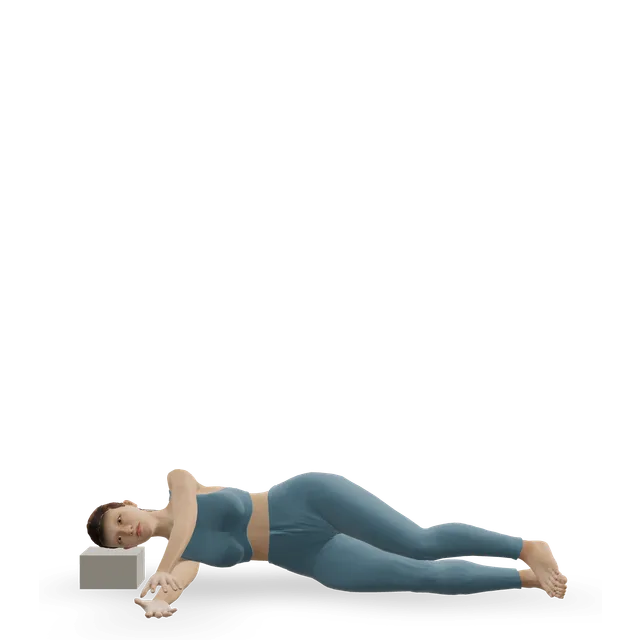
A gentle 25-minute routine for the first weeks after birth: pelvic floor, breathing, tummy and hip exercises on the floor, sit-to-stands and a walk.
25 minBeginner12 movesA bench or box, Cardio machineQuestions people ask
How long does the arm and shoulder exercises after a pacemaker or icd: the first 6 weeks take?
About 10 minutes, including any warm-up and cool-down listed. Shorten it by doing fewer rounds; lengthen it by adding one.
What equipment do I need?
You need: A bench or box, A wall, Cardio machine. Each move links to its guide, where you can find an alternative if you are missing something.
Is it suitable for beginners?
It is written for beginners. 1 of its 7 moves have an easier option listed beside them if you need one.
How do I make it easier or harder?
Use the easier or harder option listed under each move, change the number of rounds, or adjust the rest. Progress one change at a time.