Breathing & recovery
Bedtime stretch routine
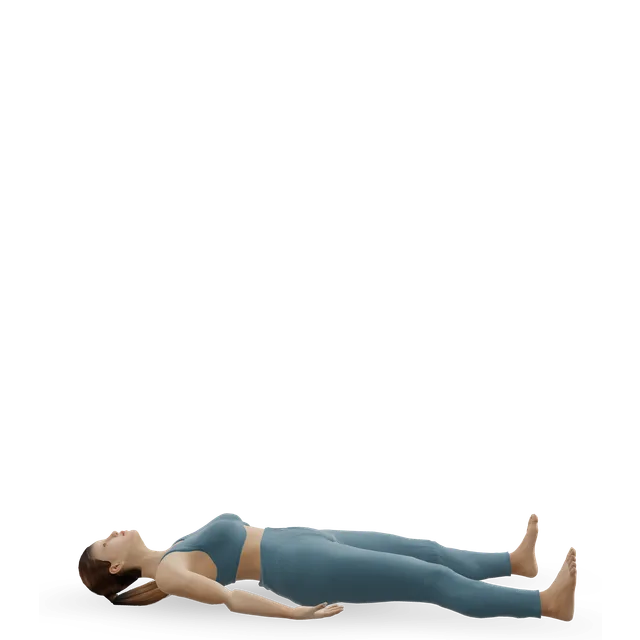
Low effort, slow breathing, everything on the floor. Dim the lights and let each position settle.
Routine
- Beginner · Back, Shoulders, Glutes · 3D demoEasier: Double knee-to-chest stretchHarder: Extended puppy pose (Uttana Shishosana)
- Supine spinal twist (Supta Matsyendrasana)45 s each sideBeginner · Back, Glutes · 3D demoEasier: Hip windshield wipersHarder: Seated twist, bottom leg straight
- Beginner · Adductors, Glutes, Back · 3D demoEasier: Double knee-to-chest stretchHarder: Lizard pose (Utthan Pristhasana)
- Beginner · Adductors, Chest · 3D demoHarder: Wide-angle seated forward fold (Upavistha Konasana)
- Beginner · Hamstrings, Calves · 3D demoHarder: Plow pose (Halasana)
- Beginner · 3D demo
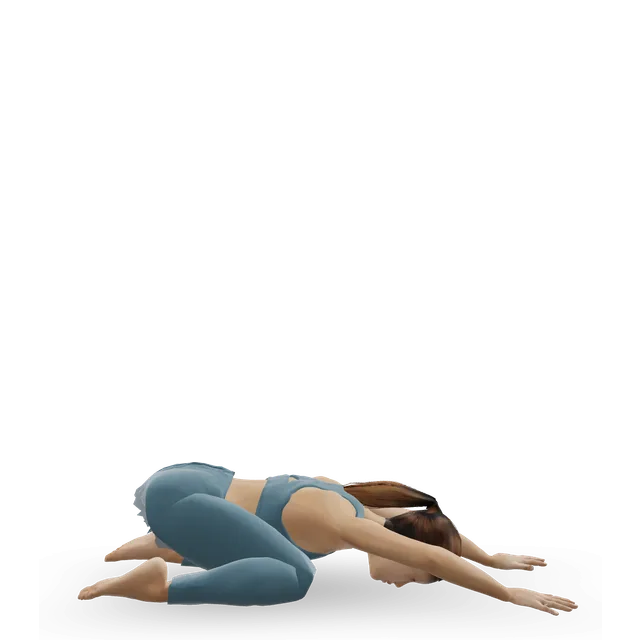
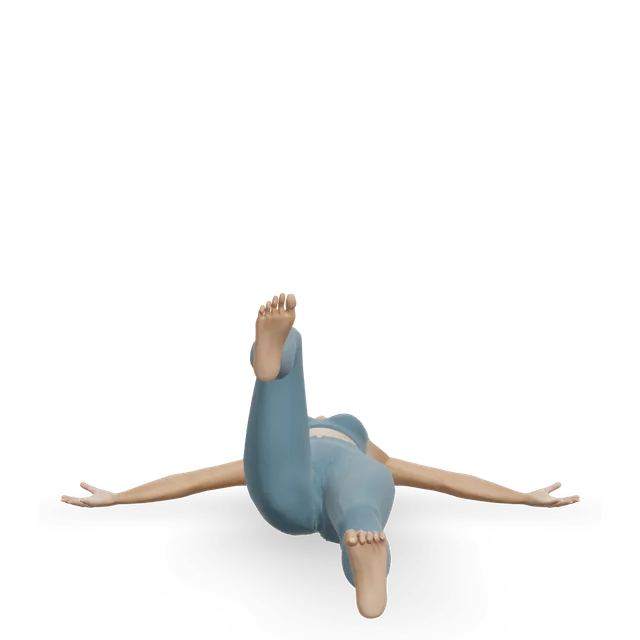
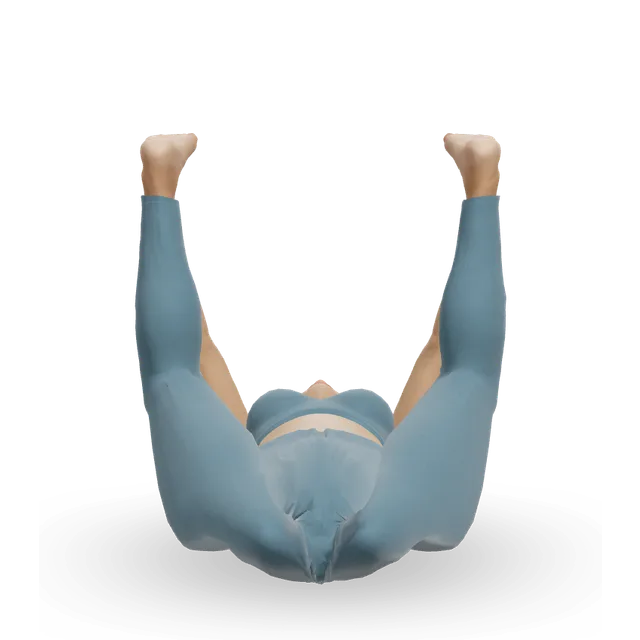
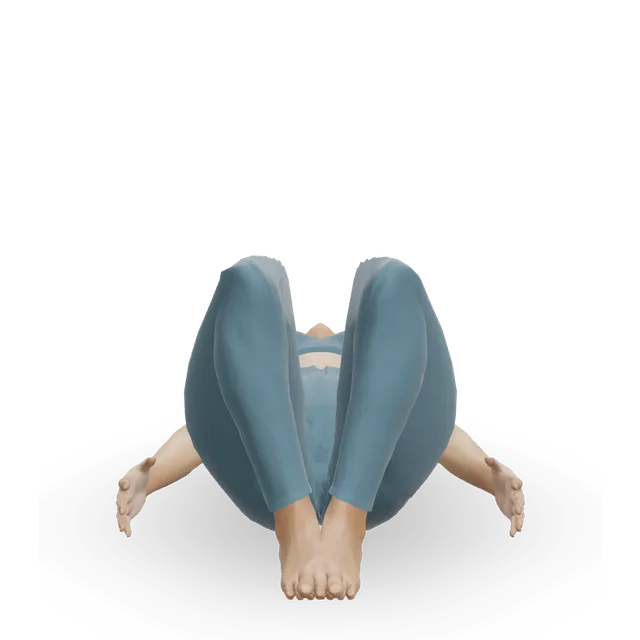
Tips
- Breathe out longer than you breathe in.
- Do it in bed if the floor feels like effort.
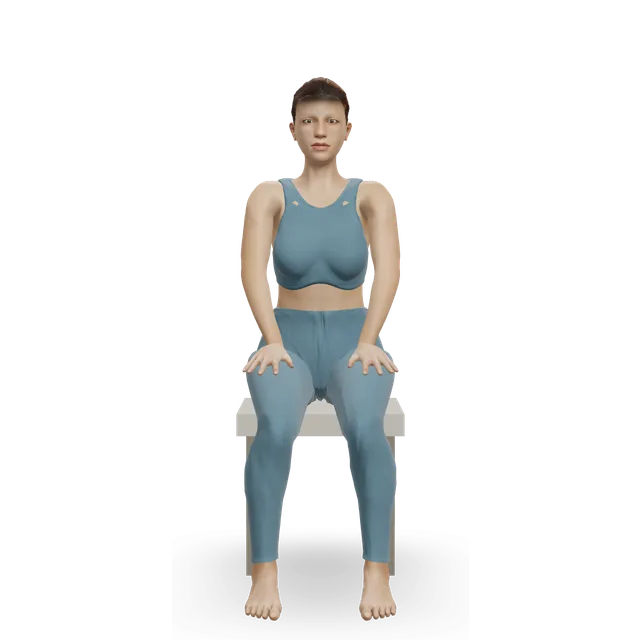
- If the 7-count hold feels uncomfortable, breathe in for 4 and out for 8 without holding.
- With heart disease or heart failure, leave out the 7-count hold and breathe in for 4 and out for 8: UK cardiac rehab standards and the British Heart Foundation advise against holding your breath.
- If the breath holds feel uncomfortable, tense and release one muscle group at a time instead (progressive muscle relaxation): the steps are in our sleep guide.
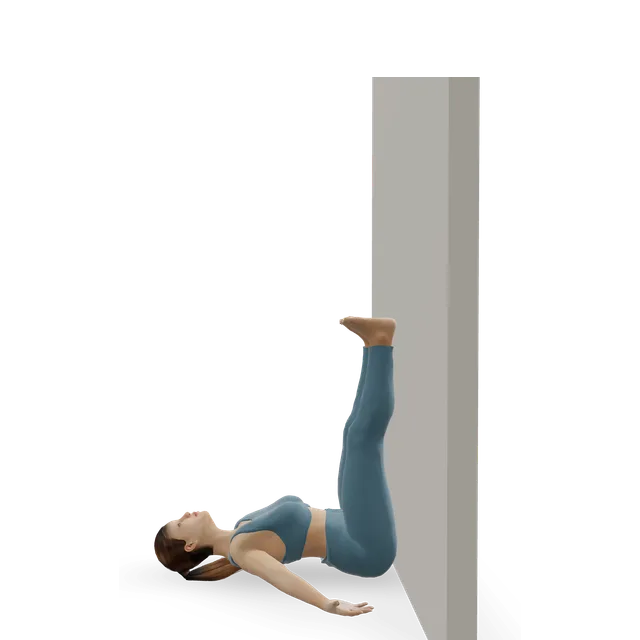
- With heart failure, ask your doctor before legs up the wall, and come down slowly.
- With high blood pressure that isn't under control, glaucoma or diabetic eye disease, leave out the 7-count hold and breathe in for 4 and out for 8 instead. With high blood pressure that isn't under control, skip legs up the wall or rest with your hips flat on the floor, and with glaucoma ask your eye team first, as the move's own page says.
The doses are suggested starting points, not a prescription. Choose a range you can control and stop for sharp or increasing pain, numbness or tingling. Get individual advice after an injury or surgery, or if you are pregnant or managing a health condition.
Guides that recommend it
- Somatic Pilates guide
- Pilates for stress and anxiety guide
- Pilates for sleep guide
- Pilates for restless legs guide
- Yoga guide
- Yoga for beginners guide
- Yoga for anxiety and sleep guide
- Benefits of yoga guide
- Yoga for flexibility guide
- Yoga nidra guide
- Yin yoga guide
- Restorative yoga guide
- Yoga for period pain guide
- Yoga for energy guide
- Yoga for TMJ guide
- Yoga for hair growth guide
- Yoga for glowing skin guide
- Yoga for stress relief guide
- Yoga for tinnitus guide
- Yoga for immunity guide
- Yoga for anger guide
- Yoga for grief guide
- Yoga for addiction recovery guide
- Yoga for snoring and sleep apnoea guide
- Yoga for restless legs guide
- Yoga for bipolar disorder guide
- Yoga for eating disorders guide
- Yoga for nurses guide
- Yoga for firefighters guide
- Yoga for teens guide
- Craniosacral therapy guide
- Jaw and TMJ guide
- Pelvic floor guide
- Yoga for fascia guide
- Exercise for anxiety and panic attacks
- Exercise for fibromyalgia
- Exercise for sleep and insomnia
- Exercises for restless legs
- Exercise for IBS
- Exercise for stress relief
- Exercise for bipolar disorder
- Exercise for chronic pain
- Exercise in recovery from alcohol or drugs
- Muscle soreness guide
- Rest days guide
- The best time to work out guide
- Recovering faster guide
- Sleep guide
Find more moves like these
More breathing & recovery
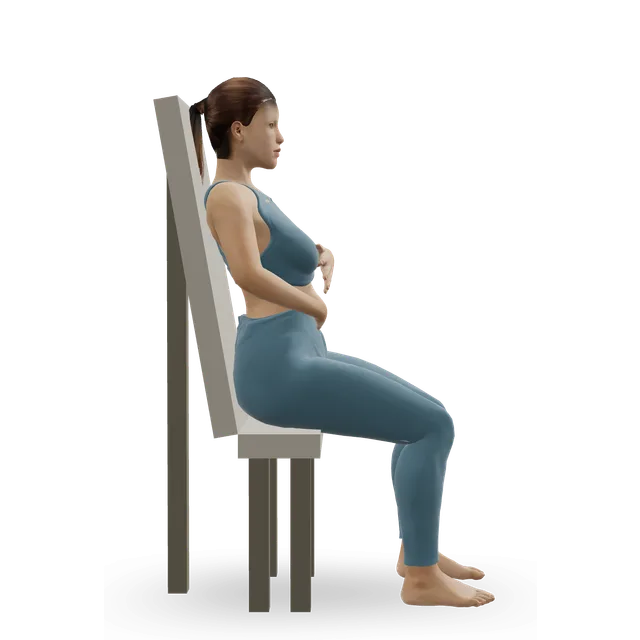
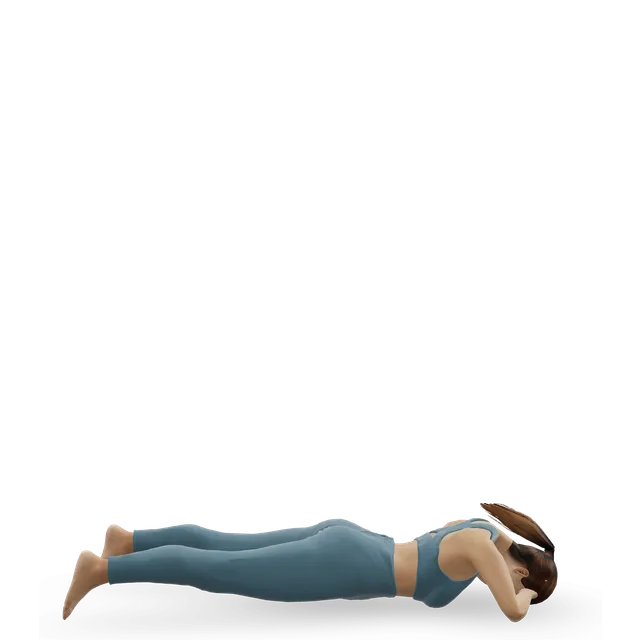
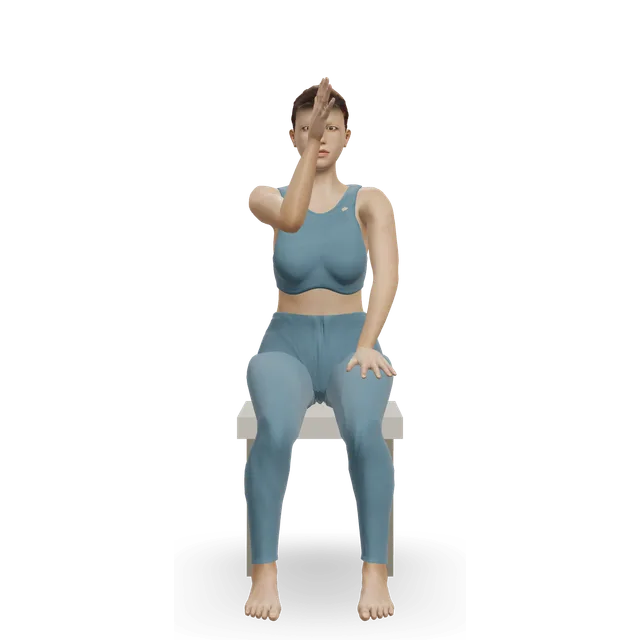
Breathing exercises to relax
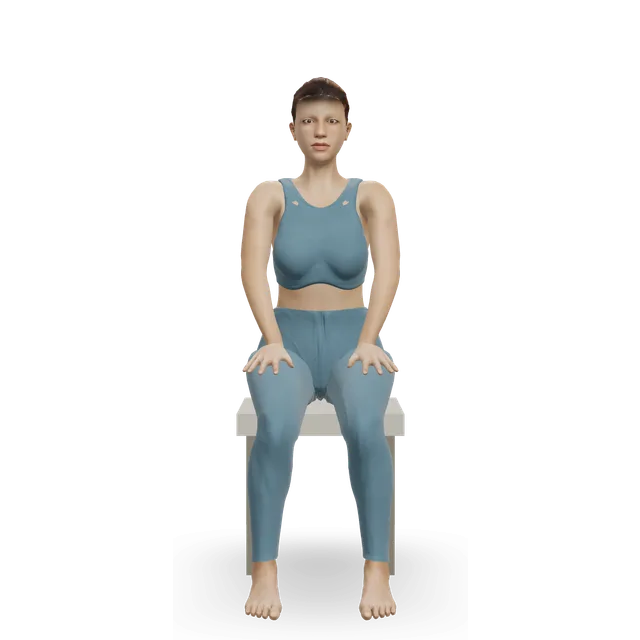
A 6-minute breathing routine: slow breathing, crocodile breathing, alternate nostril breathing, box breathing and 4-7-8 breathing.
6 minBeginner5 movesNo equipment
Postnatal exercises
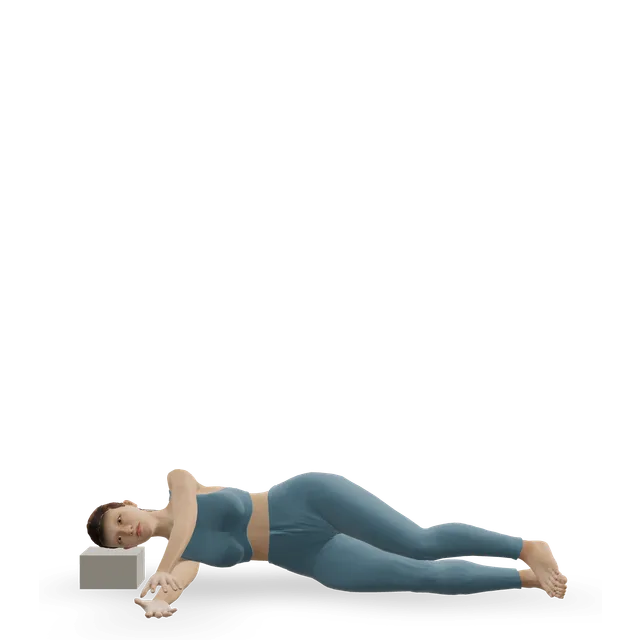
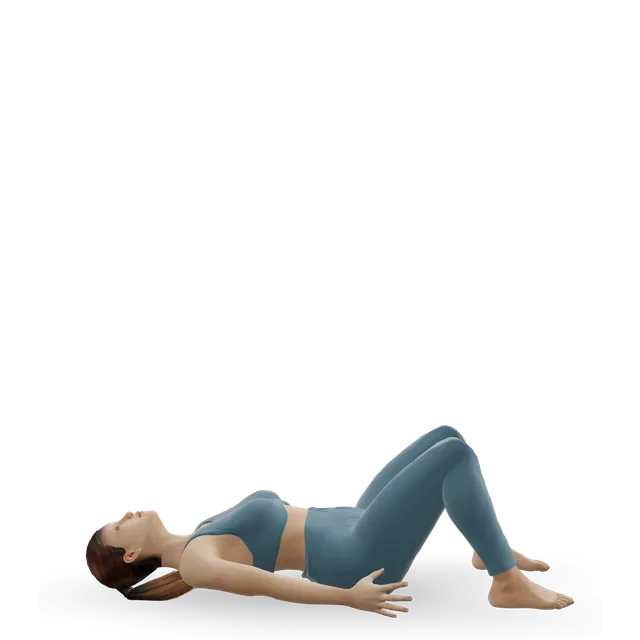
A gentle 25-minute routine for the first weeks after birth: pelvic floor, breathing, tummy and hip exercises on the floor, sit-to-stands and a walk.
25 minBeginner12 movesBench or box, cardio machine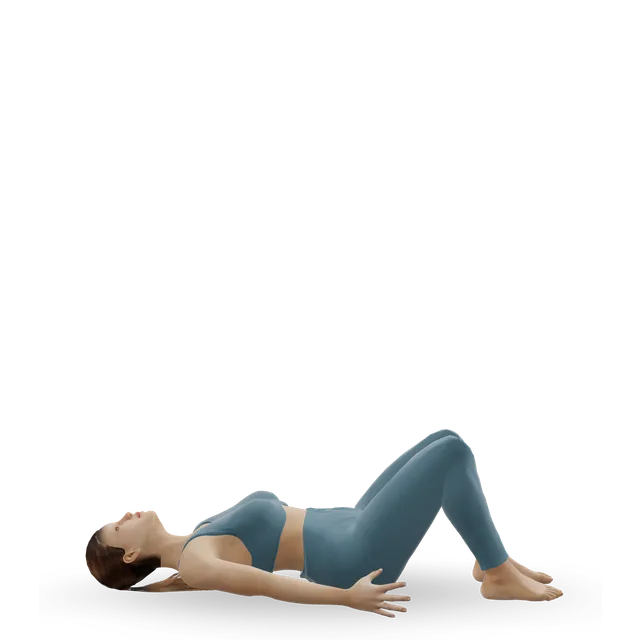
Pelvic floor relaxation exercises
An 8-minute routine for a tight pelvic floor: slow breathing and comfortable positions to help the muscles let go, with no strengthening squeezes.
8 minBeginner5 movesFirm cushionQuestions people ask
How long does the bedtime stretch routine take?
About 10 minutes, including any warm-up and cool-down listed. Shorten it by doing fewer rounds; lengthen it by adding one.
What equipment do I need?
You need: Firm cushion, A wall. Each move links to its guide, where you can find an alternative if you are missing something.
Is it suitable for beginners?
It is written for beginners. 4 of its 7 moves have an easier option listed beside them if you need one.
How do I make it easier or harder?
Use the easier or harder option listed under each move, change the number of rounds, or adjust the rest. Progress one change at a time.