Yoga guide

Yoga for energy and fatigue: what helps, energising and restoring poses, and when tiredness needs a GP

Regular exercise, yoga included, usually leaves people feeling a little more energetic, and the NHS says it makes you feel less tired in the long run. Yoga's clearest evidence for fatigue is in people living with cancer or multiple sclerosis (MS), where it helped about as much as other exercise.

For everyday tiredness, moving standing poses suit a flat day and supported restorative poses a drained one. Tiredness that lasts for weeks without a clear reason is worth a GP visit, and if small amounts of activity leave you much worse hours or days later, start with our guide to ME/CFS (myalgic encephalomyelitis or chronic fatigue syndrome), not a workout.

This guide covers what tiredness can mean, what the trials show, energising and restoring poses, safe breathing, fatigue with long-term conditions, and routines for the morning, the afternoon slump and the evening.

The short version

Tiredness has many causes, and some need a GP

The NHS lists not enough sleep, an unhealthy lifestyle, stress, depression, hormonal changes, some illnesses and some medical treatments, and conditions such as sleep apnoea, iron deficiency anaemia, diabetes, an overactive thyroid and ME/CFS. See a GP if you've been tired for a few weeks and aren't sure why, or it affects your daily life.

Source 1

Moving usually helps

The NHS says "regular exercise will make you feel less tired in the long run" and "Even a single 15-minute walk can give you an energy boost". Across exercise trials, feelings of energy rose modestly, and in sedentary young adults with persistent tiredness, light exercise eased it more than moderate exercise did.

Sources 2, 3, 4

Yoga's clearest evidence is in cancer and MS

After cancer treatment, yoga probably reduces fatigue in the short term; during treatment, its effect is very uncertain. In MS, yoga eased fatigue more than usual care in two reviews, but no more than other exercise.

Sources 5, 6, 7, 8

Energising or restoring: choose by the day

Moving standing poses and a few sun salutations suit a flat day; supported poses held for several minutes suit a drained one, as in a fatigue trial after breast cancer. We found no trial comparing the two for energy.

Sources 9, 10, 11

Breathe slowly

Fast breathing such as kapalabhati raised blood pressure and heart rate during practice, and one case report linked it to a collapsed lung. The US National Center for Complementary and Integrative Health (NCCIH) advises newcomers to avoid "forceful breathing". Slow breathing is the safe choice.

Sources 12, 13, 14

ME/CFS: pacing first

The National Institute for Health and Care Excellence (NICE) advises against general exercise programmes and graded exercise for ME/CFS. If small amounts of activity leave you much worse later, start with our ME/CFS guide. One unblinded trial found very gentle isometric yoga lying down helped 48 adults alongside usual care.

Sources 15, 16

What tiredness can mean

Tiredness and fatigue

The NHS says "Many cases of tiredness are due to stress, not enough sleep, poor diet and other lifestyle factors". Fatigue is different: "an overwhelming tiredness that isn't relieved by rest and sleep", which may mean an underlying medical condition, so "Consult a GP for advice".

Source 2

Common causes

The NHS lists not getting enough sleep, an unhealthy lifestyle, stress, depression and life challenges, hormonal changes such as puberty, pregnancy or the menopause, some illnesses, and some medical treatments and medicines. Conditions that can cause tiredness include sleep apnoea, iron deficiency anaemia, diabetes, an overactive thyroid and ME/CFS. If you can't explain it and it isn't getting better, it may be a sign of a medical condition.

Source 1

Fatigue in long-term conditions

Fatigue is common with cancer, during and after treatment, and with MS. In ME/CFS, the defining feature is post-exertional malaise (PEM): "The worsening of symptoms that can follow minimal cognitive, physical, emotional or social activity", which typically comes 12 to 48 hours later and can last for days or weeks.

Sources 10, 15

How yoga might help

By being activity, since regular exercise raised feelings of energy on average; by lowering stress, which workplace yoga did in 6 studies; and, in restorative practice, by resting deeply. These are likely routes, not proven mechanisms. Our yoga for stress, anxiety and sleep guide covers sleep.

Sources 3, 17

How hard it is

The Compendium of Physical Activities rates hatha yoga at 2.3 METs (multiples of the energy you use at rest), vinyasa at 2.7, sun salutations at 3.5 and power yoga at 4.0. Gentle practice is light work, which suits a tired day.

Source 9

What the evidence says

Exercise and feelings of energyMixed evidence

In a meta-analysis of exercise trials, regular exercise raised feelings of energy and lowered fatigue by a modest amount, but trials that compared exercise alone with a placebo-type activity found no effect, so expectation and attention may explain part of it. In 36 sedentary young adults with persistent tiredness and no diagnosis, 6 weeks of low or moderate intensity cycling 3 times a week raised energy similarly, and fatigue fell more with the lower intensity.

Sources 3, 4

Yoga in people without a fatigue-causing illnessEmerging evidence

In trials of older adults, yoga improved vitality a little compared with inactive groups. In 75 sedentary adults with arthritis, 8 weeks of yoga improved vitality compared with a waiting list. In students, morning yoga improved energy compared with a waiting list, but only 82 of 156 finished.

Sources 18, 19, 20

Cancer-related fatigueEmerging evidence

In women with breast cancer, yoga reduced fatigue compared with no therapy (11 studies, 883 women; moderate-quality evidence) and was no better than other exercise. Across cancers, a 2025 Cochrane review (21 trials, 2,041 people) found that yoga after treatment probably reduces fatigue in the short term, at moderate certainty, while its effect during treatment is very uncertain. A 2023 review of hatha and Iyengar yoga alone found no effect on fatigue, at low to very low certainty, so the style and the comparison matter.

The 2024 guideline from the American Society of Clinical Oncology (ASCO) and the Society for Integrative Oncology recommends exercise, cognitive behavioural therapy (CBT) and mindfulness for fatigue, and says yoga "may also be recommended" after treatment. Across 113 studies, exercise and psychological treatments both reduced cancer-related fatigue, and medicines didn't clearly.

Sources 6, 5, 21, 22, 23

The fatigue trial with supported posesEmerging evidence

In 31 breast cancer survivors with persistent fatigue, 12 weeks of twice-weekly 90-minute Iyengar classes centred on supported backbends and supported inversions, held for 5 to 10 minutes each, reduced fatigue and raised vigour compared with health education. One woman with a history of back problems had a back spasm in class.

Source 10

Multiple sclerosisEmerging evidence

Yoga reduced MS fatigue compared with usual care in two reviews (7 trials, 670 people; 10 trials, 693 people), and didn't differ from other exercise in either. In 69 people with MS, 6 months of weekly Iyengar classes, or of cycling classes, improved fatigue compared with a waiting list. A Cochrane review found exercise reduced MS fatigue without more relapses, and a 2025 review of 26 trials in autoimmune conditions also found yoga eased fatigue in MS.

NICE: "Advise people that aerobic, resistive and balance exercises, including yoga and pilates, may be helpful in treating MS-related fatigue".

Sources 7, 8, 24, 25, 26, 27

ME/CFS: clear guidanceStrong evidence

NICE says do not offer "any therapy based on physical activity or exercise as a cure for ME/CFS" or "generalised physical activity or exercise programmes", and not to advise exercise outside a programme overseen by an ME/CFS specialist team. The NHS says graded exercise therapy "is not recommended", and that there's no evidence resting completely helps.

Sources 15, 28

Isometric yoga in ME/CFS: one trialEmerging evidence

In 48 adults with ME/CFS that hadn't improved with usual care, about 12 weeks of isometric yoga lying down (25-minute sessions with an instructor at hospital visits, and daily at home) improved daily function and fatigue more than usual care alone, with no serious side effects. The trial wasn't blinded, and it's one trial: ask your ME/CFS team before trying it.

Source 16

Energising against restoring: no comparisonMixed evidence

We found no trial comparing energising and restorative yoga for energy. The restorative evidence is the fatigue trial's supported poses; the energising evidence is exercise in general. So choose by how you feel on the day.

Sources 11, 10, 3

Fast breathing: effects and cautionsEmerging evidence

In 20 healthy adults, heart rate and blood pressure rose during kapalabhati and bhastrika (bellows breath). In 38 experienced men, attention improved straight after fast yoga breathing. One healthy 29-year-old had a collapsed lung after kapalabhati, a single case report. NCCIH advises newcomers to avoid forceful breathing.

Sources 12, 29, 13, 14

Energising or restoring: choose by the day

If you feel flat but well

Move: a few rounds of marching, standing poses with your arms raised, a couple of slow sun salutations, or a brisk walk. The NHS says "Even a single 15-minute walk can give you an energy boost".

Sources 2, 9

If you feel drained

Rest in supported poses and breathe slowly. The fatigue trial held supported poses for 5 to 10 minutes each, with bolsters and blankets; our restorative yoga guide shows how to set them up.

Source 10

If small efforts leave you much worse later

Stop, rest and use the PEM check on our ME/CFS guide. Post-exertional malaise typically shows 12 to 48 hours after activity, so judge a session over the next couple of days, not straight afterwards.

Source 15

How much

Our editorial starting point: 10 to 15 minutes of moving yoga or a brisk walk on days you feel flat, 2 or 3 longer sessions a week, and a restorative session when you're drained, working up towards the 150 minutes of moderate activity a week that the guidelines suggest. With a long-term condition, start lower than you think and follow your team.

Sources 2, 30

Wake up (when you feel flat but well)

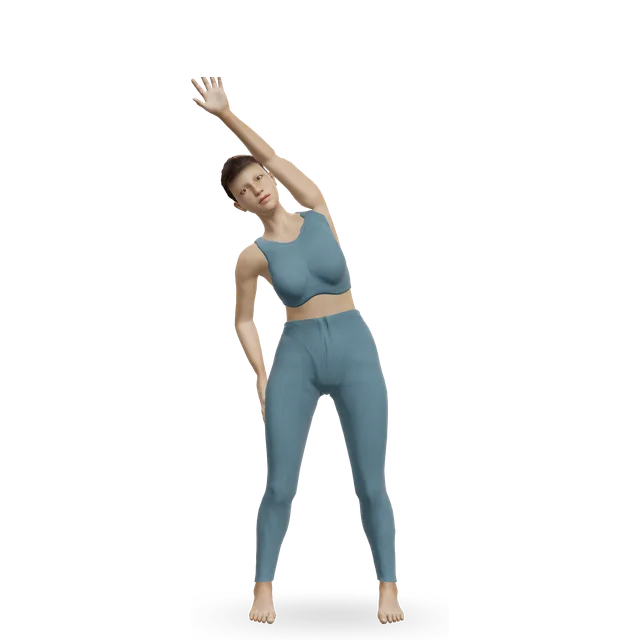
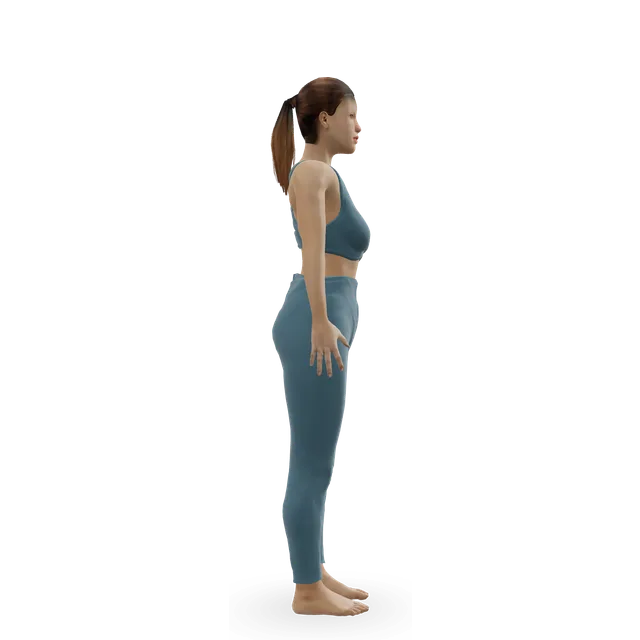
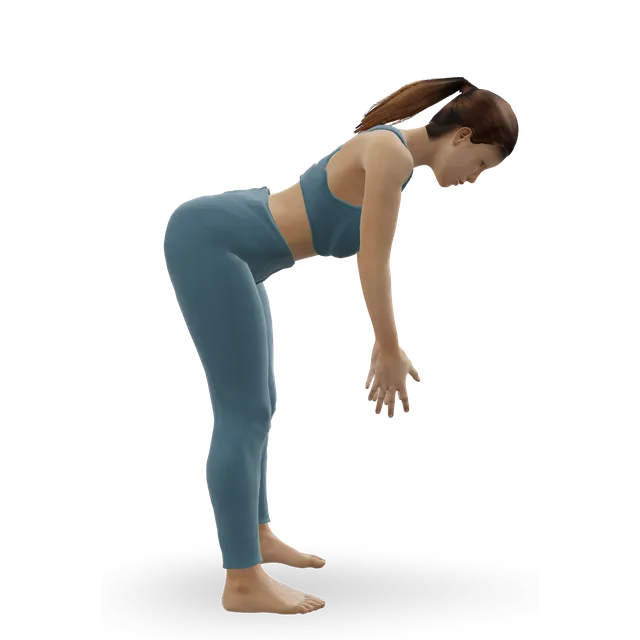
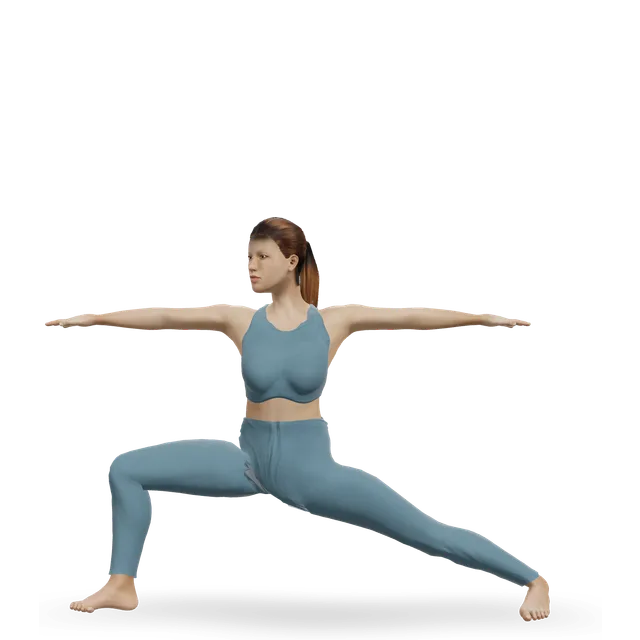
Marching: 1 minute, brisk, arms swinging (our stress relief workout). Breath reach: 5 breaths, breathing out for longer than in; the overhead side bend: 3 slow bends each side, breathing out into each; step jacks: 30 to 45 seconds within a circuit, 2 to 3 rounds (the moves' pages). Sun salutation A: 2 to 4 slow rounds (our editorial starting point). Chair pose: 2 holds of 5 breaths, warrior II: 5 breaths each side, and tree pose: 3 to 5 breaths each side, a hand near a wall (our morning yoga routine); high lunge: 3 to 5 breaths each side (our yoga for posture class). Keep the head-down parts of sun salutations brief with glaucoma or high blood pressure that isn't under control.

Restore (when you feel drained)

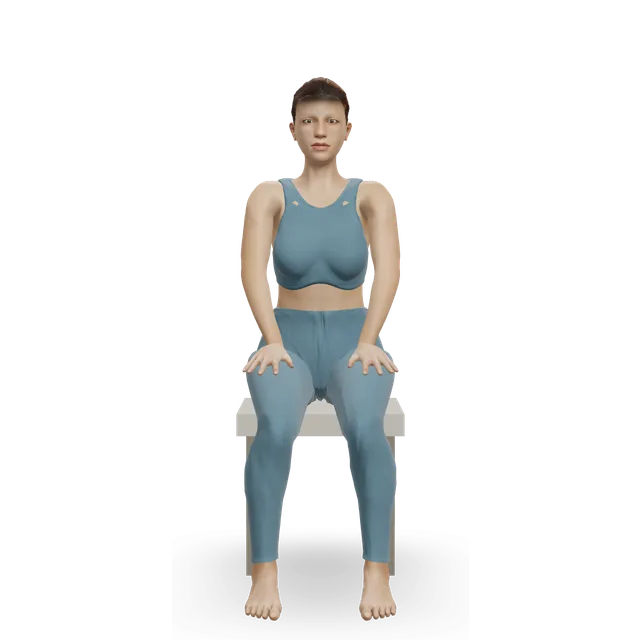
Reclining bound angle: rest 2 to 5 minutes with a support under each thigh, and corpse pose: lie still for at least 5 minutes, up to 10 (the moves' pages). Legs up the wall: 5 to 8 minutes, and child's pose: 1 to 5 minutes with a bolster or pillows under your chest (our editorial starting points; our restorative yoga sequence uses 8 and 5 minutes). The lying twist: 45 seconds each side (our bedtime stretch routine). In later pregnancy, prop yourself up rather than lying flat, and with glaucoma, ask your eye doctor before legs up the wall.

Breathing: slow is safe

Slow breathing

Breathe in for about 4 and out for about 6, with no holds: about 6 breaths a minute. It's the safe default on this site, and it suits both a flat day and a drained one.

Fast breathing is for experienced practitioners

Kapalabhati ("skull-shining breath", with forceful breaths out) and bhastrika (bellows breath) are taught as energising, but they raised blood pressure and heart rate during practice, and NCCIH advises newcomers against forceful breathing. Leave them out with high blood pressure, heart disease or pregnancy, and learn them from a teacher if you want to try them.

Sources 12, 13, 14

Breathing practices

Slow breathing: at least 5 minutes, done regularly; alternate nostril breathing: 3 to 5 minutes of slow rounds, once or twice a day; box breathing: 5 minutes a day, starting with a count of 3 or 4; 4-7-8 breathing: 4 cycles, twice a day, sitting, for winding down at night (the moves' pages). Shorten the counts if you feel light-headed, and never practise breath holds in water or while driving.

Leave out or change

Fast breathing, if you're new to it

Use slow breathing or a brisk walk instead. Skip fast breathing altogether with high blood pressure, heart disease or pregnancy.

Sources 12, 13, 14

Headstand and shoulder stand "for energy"

Blood flow in one of the main arteries to the brain fell in headstand in a small study, and NCCIH advises newcomers to avoid headstands and shoulder stands. Legs up the wall is a gentle alternative.

Sources 31, 14

Hot classes when you're drained

Heat adds strain. With MS, heat can make symptoms worse, as our exercise and MS guide explains. Choose a room-temperature class.

Anything that leaves you much worse hours or days later

That's the pattern of post-exertional malaise. Stop, rest, and use the PEM check on our ME/CFS guide.

Source 15

Fatigue with cancer, MS, ME/CFS or long COVID

Cancer

After treatment, exercise, CBT and mindfulness have the strongest backing for fatigue, and yoga "may also be recommended". During treatment, yoga's effect on fatigue is very uncertain, so follow your cancer team. Our exercise and cancer guide has the plan and its warning signs.

Sources 22, 5

Multiple sclerosis

NICE says aerobic, resistive and balance exercises, including yoga, may help MS-related fatigue. Keep cool if heat makes your symptoms worse, and pace yourself: our exercise and MS guide has more.

Source 27

ME/CFS and long COVID

Pacing comes first, and any exercise programme should be overseen by an ME/CFS specialist team. This page offers no workout for anyone with post-exertional malaise: our ME/CFS and long COVID guides explain pacing and the PEM check.

Sources 15, 28

Burnout and work stress

Yoga for a stressful time

Workplace yoga lowered perceived stress in 6 studies, and stress and depression are among the common causes of tiredness on the NHS's list. If you've felt exhausted for weeks, talk to a GP as well: our yoga for depression and yoga for stress, anxiety and sleep guides have more.

Sources 17, 1

Who should change what

Post-exertional malaise

No general workout: pacing first, and any exercise only with your ME/CFS team, as our ME/CFS guide explains.

Source 15

High blood pressure, heart disease or pregnancy

Slow breathing only: no fast breathing or breath holds.

Sources 12, 14

Pregnancy

In later pregnancy, avoid lying flat on your back for more than a few minutes, as the NHS advises: prop yourself up in restorative poses.

Source 32

Glaucoma

Keep head-down poses brief, and ask your eye doctor before legs up the wall: eye pressure rose within a minute in head-down yoga poses in a lab study.

Source 33

MS and heat

Avoid hot classes and keep cool, as our exercise and MS guide says.

Routines for the morning, the slump and the evening

Four pairings (our editorial suggestions): the 15-minute morning yoga routine to start the day, the 12-minute stress relief workout for an afternoon slump, the bedtime stretch routine to wind down, and the 45-minute restorative yoga sequence for a drained day. None of these is for ME/CFS with post-exertional malaise: start with our ME/CFS guide.

15-minute morning yoga: a gentle routine to start the day

Fifteen minutes of morning yoga from lying down to standing: gentle spine and hip movement, a lunge, standing strength and balance, and forward bends kept late.

15 minBeginner12 movesNo equipment

Stress relief workout: a 12-minute move, loosen and breathe reset

A 12-minute reset for stressful days: 4 minutes of brisk movement, 3 minutes to loosen your neck, shoulders and back, then 5 minutes of slow breathing.

12 minBeginner10 movesA bench or box, A wall

Bedtime stretch routine

A slow, 10-minute floor routine to unwind before sleep: child's pose, twists, happy baby and slow breathing.

10 minBeginner7 movesFirm cushion, A wall

Restorative yoga sequence: 45 minutes of supported rest

A 45-minute restorative yoga sequence: five fully supported poses held for 4 to 10 minutes each, with slow breathing and a long final rest.

45 minBeginner6 movesFirm cushion, A wall

Sun salutation for beginners (step by step)

A 20-minute way into sun salutation A: learn the standing half, then the floor half with your knees down and cobra, then link them into 3 slow rounds.

20 minBeginner11 movesNo equipment

Sun salutation flow

A 20-minute flow built on sun salutations A and B, with warrior poses and a short cool-down.

20 minIntermediate8 movesNo equipment

Walk and yoga workout

A 45-minute session for weight loss and health: a 20-minute brisk walk, which does more for the scales, then a standing yoga flow for strength and balance.

45 minBeginner12 movesCardio machine

Breathing exercises to relax

A 6-minute breathing routine: slow breathing, crocodile breathing, alternate nostril breathing, box breathing and 4-7-8 breathing.

6 minBeginner5 movesNo equipment

10-minute walk and move after meals

A 10-minute routine for straight after a meal: an easy walk, a few simple standing moves from blood sugar trials, then a short walk to finish.

10 minBeginner6 movesCardio machine, A bench or box

A plan to build up to

If your flat days come from doing little, build up your walking over 8 weeks, at your own pace.

Warning signs: when tiredness needs a GP

These follow the NHS tiredness pages and our ME/CFS guide. A&E means accident and emergency. In the US, call 911 for 999, and use your doctor's urgent line or urgent care for NHS 111.

See a GP if

You've been feeling tired for a few weeks and you're not sure why; your tiredness affects your daily life; or you feel tired and have other symptoms, such as weight loss or mood changes, or you've been told you're making gasping, snorting or choking noises when you're asleep. If you feel you're suffering from fatigue, "an overwhelming tiredness that isn't relieved by rest and sleep", consult a GP.

Sources 1, 2

Call 999

For chest pain that comes on suddenly and doesn't go away, or spreads to your arms, neck, jaw, stomach or back, or comes with sweating, feeling sick, light-headedness or breathlessness. Don't drive yourself to A&E. Our ME/CFS guide lists other urgent signs, such as fainting or palpitations that don't go away.

Sources 34, 35

See your GP or ME/CFS team

Contact them for any of these:

  • New symptoms or a change in your symptoms: NICE says not to assume they're caused by ME/CFS.
  • A flare-up or relapse you can't manage with your plan.
  • Before starting any exercise programme.

Source 15

Stop and step back

If your symptoms get worse during an activity or over the next couple of days, drop back and rest. Post-exertional malaise typically comes 12 to 48 hours after activity and can last for days or weeks.

Source 15

Low mood

If low mood comes with your tiredness, our yoga for depression guide lists where to get help, including urgent help.

Myths

"Yoga detoxes you, and that's why you feel energised"Mixed evidence

We found no study that measured detoxification from yoga: a search found 27 records, and none measured toxins. Feeling brighter after moving is real; the detox story isn't.

Source 36

"Breath of fire is the best energiser"Emerging evidence

Fast breathing raised blood pressure and heart rate during practice, improved attention straight afterwards only in a study of experienced practitioners, and has been linked to a collapsed lung in one case report. NCCIH advises newcomers to avoid forceful breathing. Slow breathing and moving poses wake you up too.

Sources 12, 29, 13, 14

"Inversions send fresh blood to your brain"Emerging evidence

In 20 people, blood flow in one of the main arteries to the brain fell in headstand, as the brain's own blood flow control predicts. Head-down poses also raise eye pressure while you hold them.

Sources 31, 33

"Yoga fixes adrenal fatigue"Strong evidence

"Adrenal fatigue" isn't a recognised condition: a review of 58 studies found no evidence for it. If you've been tired for weeks and don't know why, see a GP, who may test your blood for anaemia, diabetes or an overactive thyroid.

Sources 37, 1

"Yoga gives you more energy than coffee"Mixed evidence

We found no study comparing them: a search found 2 records, and neither was a comparison. Across exercise trials, feelings of energy rose modestly, though not against placebo-type activities.

Sources 38, 3

"When you're tired, push through it"Strong evidence

For everyday tiredness, gentle activity usually helps: light exercise eased persistent tiredness more than moderate exercise in sedentary young adults, and the NHS says regular exercise makes you less tired in the long run. But if activity leaves you much worse hours or days later, that may be post-exertional malaise, and NICE advises people with suspected ME/CFS not to "push through" their symptoms.

Sources 4, 2, 15

"When you're exhausted, rest all day"Strong evidence

The NHS says there's no evidence that resting completely helps ME/CFS, and for everyday tiredness, a single 15-minute walk can give you an energy boost. Balance activity and rest.

Sources 28, 2

"Yoga can cure chronic fatigue syndrome"Strong evidence

NICE says there is currently no cure for ME/CFS, and not to offer any exercise-based therapy as a cure. One unblinded trial found very gentle isometric yoga lying down helped 48 adults alongside usual care: a reason to ask your ME/CFS team about it, not a cure.

Sources 15, 16

Questions people ask

Can yoga give you more energy?

Often, a little. Across exercise trials, feelings of energy rose modestly, though not against placebo-type activities, and in older adults yoga improved vitality more than staying inactive. The NHS says regular exercise makes you feel less tired in the long run.

What type of yoga is best for energy?

No trial has compared styles for energy. Moving standing poses and a few sun salutations suit a flat day, and supported restorative poses suit a drained one; a fatigue trial after breast cancer used supported poses held for 5 to 10 minutes.

Why does yoga make me tired?

A practice that's new, longer or harder than you're used to is tiring, so build up gradually. If small amounts of activity leave you much worse hours or days later, that may be post-exertional malaise, and NICE advises not pushing through it: start with our ME/CFS guide. Tiredness for weeks without a clear reason is worth a GP visit.

Is yoga good for chronic fatigue syndrome (ME/CFS)?

Only with care, and as part of a plan with your ME/CFS team: NICE advises against general exercise programmes and graded exercise for ME/CFS. One unblinded trial found very gentle isometric yoga lying down helped 48 adults alongside usual care. Start with our ME/CFS guide.

Does yoga help cancer-related fatigue?

Probably, after treatment: yoga probably reduces fatigue in the short term, while its effect during treatment is very uncertain, and in breast cancer it reduced fatigue compared with no therapy. A 2024 cancer guideline says yoga may also be recommended after treatment, alongside exercise, talking therapy and mindfulness.

Does yoga help MS fatigue?

Yes, about as much as other exercise: yoga eased MS fatigue more than usual care in two reviews, but no more than other exercise, and a 2025 review of trials in autoimmune conditions also found it helped MS fatigue. NICE says aerobic, resistive and balance exercises, including yoga and Pilates, may be helpful.

Which breathing exercise is best for energy?

Slow breathing is the safe choice for most people. Fast breathing such as kapalabhati raised blood pressure and heart rate during practice, and one case report linked it to a collapsed lung; NCCIH advises newcomers to avoid forceful breathing. Skip it with high blood pressure, heart disease or pregnancy.

Is morning yoga good for energy?

One trial in students found morning yoga improved energy compared with a waiting list, though nearly half didn't finish. Morning isn't proven better than evening, so practise when you'll keep it up; our morning yoga guide has a 15-minute routine.

When should I see a doctor about tiredness?

The NHS says see a GP if you've been feeling tired for a few weeks and you're not sure why, if it affects your daily life, or if you have other symptoms such as weight loss or mood changes. They may test your blood for anaemia, diabetes or an overactive thyroid.

Is it better to rest or move when I'm tired?

Usually a little of both. The NHS says a single 15-minute walk can give you an energy boost, and light exercise eased persistent tiredness more than moderate exercise in one trial. If activity leaves you much worse hours or days later, pace yourself and see a GP.

Can yoga help with burnout?

It can ease work stress: workplace yoga lowered perceived stress in 6 studies. Stress and depression are common causes of tiredness, so if you've felt exhausted for weeks, talk to a GP as well.

Sources

  1. NHS · Tiredness and fatigue (past its review date: reviewed June 2023, review due June 2026)
  2. NHS · Self-help tips to fight tiredness (last reviewed November 2023)
  3. Puetz 2006 · Regular exercise and feelings of energy and fatigue (meta-analysis, Psychol Bull)
  4. Puetz 2008 · Low or moderate intensity exercise for persistent fatigue: 36 sedentary young adults (randomised trial, Psychother Psychosom)
  5. Messer 2025 · Yoga for fatigue in people with cancer: 21 trials (Cochrane review)
  6. Cramer 2017 · Yoga for women with breast cancer: quality of life, mental health and symptoms (Cochrane review)
  7. Cramer 2014 · Yoga for multiple sclerosis: 7 trials (systematic review and meta-analysis, PLoS One)
  8. Shohani 2020 · Yoga, quality of life and fatigue in multiple sclerosis: 10 trials (systematic review and meta-analysis, Complement Ther Clin Pract)
  9. 2024 Adult Compendium of Physical Activities · Conditioning exercise: energy cost (MET values)
  10. Bower 2012 · Iyengar yoga for persistent fatigue after breast cancer: 31 women (randomised trial, Cancer)
  11. Europe PMC · Search for trials comparing energising and restorative yoga for energy or fatigue: 3 records, none a comparison (25 October 2026)
  12. Nivethitha 2021 · Heart rate and blood pressure during different yogic breathing techniques: 20 healthy adults (lab study, Int J Yoga)
  13. Johnson 2004 · A collapsed lung after kapalabhati breathing (case report, Chest)
  14. NCCIH 2023 · Yoga: effectiveness and safety (US National Center for Complementary and Integrative Health)
  15. NICE NG206 · ME/CFS: diagnosis and management (2021), recommendations
  16. Oka 2025 · Lying-down isometric yoga for ME/CFS: 48 adults (randomised trial, Biopsychosoc Med)
  17. Della Valle 2020 · Workplace yoga and perceived stress: 6 studies (systematic review and meta-analysis, J Funct Morphol Kinesiol)
  18. Sivaramakrishnan 2019 · Yoga against active and inactive comparison groups for physical function and quality of life in older adults: 22 trials (systematic review and meta-analysis, IJBNPA)
  19. Moonaz 2015 · Yoga for sedentary adults with arthritis: 75 people (randomised trial, J Rheumatol)
  20. Iyer 2026 · Morning or evening yoga for sleep, mood and wellbeing: 156 students (Dawn vs Dusk randomised trial, J Ayurveda Integr Med)
  21. García-Muñoz 2023 · Hatha or Iyengar yoga for cancer-related fatigue: 11 studies (systematic review and meta-analysis, Support Care Cancer)
  22. Bower 2024 · Managing fatigue in adults after cancer (ASCO and Society for Integrative Oncology guideline, J Clin Oncol)
  23. Mustian 2017 · Medicines, psychological treatments and exercise for cancer-related fatigue: 113 studies (meta-analysis, JAMA Oncol)
  24. Oken 2004 · Yoga or exercise classes in multiple sclerosis: 69 people (randomised trial, Neurology)
  25. Heine 2015 · Exercise therapy for fatigue in multiple sclerosis (Cochrane review)
  26. Baishya 2025 · Yoga in autoimmune conditions: 26 randomised trials (systematic review, Ann Behav Med)
  27. NICE NG220 · Multiple sclerosis in adults: management (2022, last updated August 2026), recommendations
  28. NHS · ME/CFS: treatment (last reviewed May 2024)
  29. Sharma 2022 · Fast or slow yoga breathing, attention and anxiety: 38 men (randomised crossover study, Complement Med Res)
  30. UK Chief Medical Officers · Physical activity guidelines (2019; web page updated July 2026)
  31. Minvaleev 2019 · Blood flow to the brain in headstand: 20 people (lab study, J Altern Complement Med)
  32. NHS · Exercise in pregnancy (last reviewed September 2026)
  33. Jasien 2015 · Eye pressure in four head-down yoga positions, with and without glaucoma (lab study, PLoS One)
  34. NHS · Chest pain (past its review date: reviewed August 2023, review due August 2026)
  35. NHS · Heart attack (last reviewed March 2026)
  36. Europe PMC · Search for yoga and detoxification: 27 records, none measuring toxins (25 October 2026)
  37. Cadegiani 2016 · Adrenal fatigue does not exist: 58 studies (systematic review, BMC Endocr Disord)
  38. Europe PMC · Search for studies comparing yoga with coffee or caffeine: 2 records, neither a comparison (25 October 2026)

Exercise education, not a personal prescription, and clinical review of these guides is pending. If you are pregnant, have a health condition such as glaucoma, high blood pressure or osteoporosis, or have had recent surgery, check with a doctor, midwife or physiotherapist before starting, and stop for sharp or increasing pain. Health disclaimer.