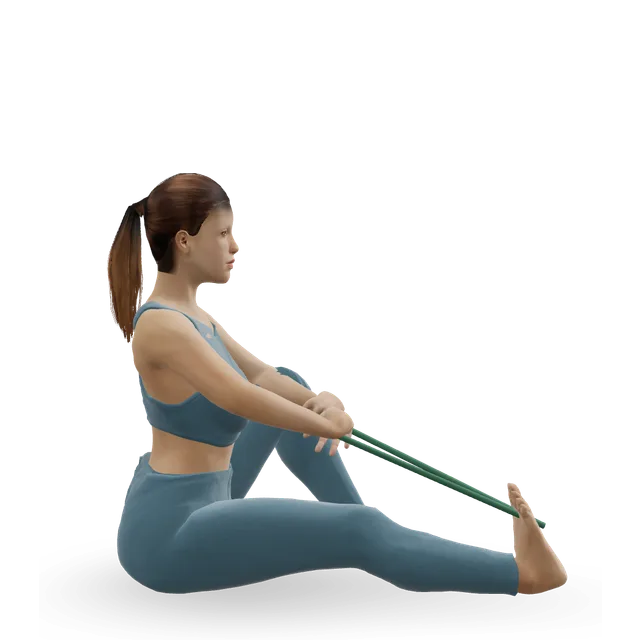
Exercise guide

ME/CFS and exercise: pacing first, no graded exercise, and how to move safely

Myalgic encephalomyelitis or chronic fatigue syndrome (ME/CFS) is a long-term illness whose defining feature is post-exertional malaise (PEM): a worsening of your symptoms after even small physical, mental, emotional or social effort, typically 12 to 48 hours later, that can last days or weeks. That changes the advice on exercise. The National Institute for Health and Care Excellence (NICE) advises against graded exercise therapy, and against telling people with ME/CFS to go to the gym or exercise more. It puts energy management, often called pacing, at the centre of care.

The honest picture: the trials of graded exercise found small improvements in how tired people said they felt, in people who weren't required to have PEM. NICE judged the evidence low or very low quality, with benefits that weren't seen at longer follow-up, and the trials are still disputed. Gentle movement within your limits still matters, because losing strength and flexibility doesn't help either.

This guide starts with a short check for PEM, then explains pacing, the gentle movement that keeps your joints, muscles and circulation going, and what to do about dizziness on standing. It sets out the debate over graded exercise and the PACE trial, with the numbers from both sides, and the warning signs that need help. There's no workout here: NICE advises against general exercise programmes for ME/CFS.

The short version

Check for post-exertional malaise first

PEM is part of the diagnosis: a worsening of symptoms after small amounts of activity, often delayed by hours or days, out of proportion to what you did and slow to recover from. Triggers can be as ordinary as socialising or studying. Five questions from a questionnaire developed for ME/CFS help you spot it.

Sources 1, 2, 3

NICE advises against graded exercise therapy

NICE says not to offer exercise as a cure, general exercise programmes, or programmes with fixed step-by-step increases such as graded exercise therapy (GET), and not to tell people with ME/CFS to go to the gym or exercise more. The NHS says GET is not recommended, and advises against "vigorous unsupervised exercise, such as going to the gym or for a run".

Sources 1, 4

Pacing comes first

Energy management means staying within the energy you have, across physical, mental, emotional and social activity. Agree a level you can keep up, which may mean doing less at first, plan rest before you need it, and break tasks into small chunks. Activity is never increased automatically: only after a period of stability, and it comes down again when symptoms get worse. Don't push through.

Sources 1, 5

Rest alone isn't the answer either

The NHS says there's no evidence that resting completely helps. NICE asks for small amounts of movement spread through the day to keep your joints, muscles, balance and circulation going, and the US Centers for Disease Control and Prevention (CDC) says losing fitness is also harmful, so keep doing what you can tolerate.

Sources 4, 1, 6

Want an exercise programme? Ask an ME/CFS physiotherapist

NICE says a physical activity programme should be offered only if you want one, overseen by a physiotherapist in an ME/CFS specialist team, and should start below a level that doesn't make your symptoms worse. Some people find activity helps, some find it makes no difference and some get worse.

Sources 1, 4

The graded exercise trials are disputed

The largest trial, PACE, reported modest improvements in self-rated fatigue and function with GET at a year, in people who weren't required to have PEM. A reanalysis using the trial's original plan found no significant benefit, and NICE rated all the GET trials low or very low quality. The details from both sides are below.

Sources 7, 8, 9

What ME/CFS is

The definition

NICE calls ME/CFS "a complex, chronic medical condition affecting multiple body systems", whose causes are still being investigated. It suspects ME/CFS when four symptoms have lasted at least 6 weeks in an adult, or 4 weeks in a child or young person: debilitating fatigue that gets worse with activity and isn't much relieved by rest; PEM; unrefreshing or disturbed sleep; and problems with thinking, memory and concentration (brain fog). Activity has to be well below what it was before, with nothing else to explain it.

There's no test for ME/CFS, and the diagnosis is confirmed after 3 months of symptoms, once other conditions have been ruled out. The NHS lists other symptoms such as muscle or joint pain, headaches, a sore throat, palpitations, and feeling dizzy, sick or faint when you stand up.

Sources 1, 10, 11, 2

The names

NICE notes that ME, CFS, CFS/ME and ME/CFS have all been used, and that many people with the condition find "chronic fatigue syndrome" "too broad, simplistic and judgemental". In the US, a 2015 Institute of Medicine report called it "a serious, chronic, complex, and systemic disease", with criteria based on reduced function for more than 6 months with profound fatigue, PEM and unrefreshing sleep, plus problems with thinking or with being upright.

Sources 12, 13

Post-exertional malaise

NICE describes PEM as a worsening of symptoms after minimal physical, mental, emotional or social activity, or activity you could manage before: "Symptoms can typically worsen 12 to 48 hours after activity and last for days or even weeks, sometimes leading to a relapse." The CDC gives the same 12 to 48 hours. The NHS says it can be triggered by activity "such as socialising or studying", and that it can take weeks to recover.

NICE calls a short-lived worsening, beyond your usual ups and downs, a flare-up. A relapse lasts longer and can lower your energy limits for a long time.

Sources 1, 6, 2

PEM isn't normal muscle soreness

Sore muscles after a new exercise are local and settle on their own; our muscle soreness guide explains them. PEM is different: a worsening of your usual symptoms, such as exhaustion, pain or brain fog, often delayed and out of proportion to what you did.

Source 1

How common it is

NICE estimates that over 250,000 people in England and Wales have ME/CFS, with about 2.4 times as many women affected as men. About a quarter are severely affected and housebound or bedbound; the NHS also says 1 in 4.

In a US national survey in 2021 to 2022, 1.3% of adults had ME/CFS: 1.7% of women and 0.9% of men. The CDC estimates up to 3.3 million people in the US have it, and that more than 9 in 10 of them haven't been diagnosed.

Sources 12, 2, 14, 15

How severe it can be

NICE describes four levels. With mild ME/CFS, people can care for themselves and may still work or study, but have often stopped all leisure and social activities. With moderate ME/CFS, mobility is reduced, people are restricted in all daily activities and have usually stopped work. With severe ME/CFS, people can manage only minimal daily tasks, may use a wheelchair and are often housebound. With very severe ME/CFS, people are in bed all day and depend on others for care.

Source 1

What's known about the body

The cause isn't known. ME/CFS often follows an infection, "but it is not simple post-illness fatigue", NICE says. In 5 small studies (98 people with ME/CFS and 51 without), people with ME/CFS did worse on a second exercise test 24 hours after the first, while the others did slightly better: one objective sign of PEM, though not yet a diagnostic test.

NICE rejects the idea that ME/CFS is kept going by being out of shape or by avoiding exercise. The CDC adds that losing fitness on top of ME/CFS is harmful too, which is why gentle movement within your limits matters.

Sources 12, 16, 1, 6

Who it affects

More women than men have ME/CFS, in the UK and the US. It can start at any age: NICE covers children and young people too, and in the US survey it was most common at 60 to 69. In the US, white people are diagnosed more often, but the CDC says many people aren't diagnosed, especially in racial and ethnic minority groups, and the survey found ME/CFS more common in people on lower incomes. No guideline changes the activity advice for men or women.

Sources 12, 14, 15, 1

After COVID-19

In a large US study, 4.5% of 11,785 adults followed after COVID-19 went on to meet the criteria for ME/CFS, against 0.6% of 1,439 who hadn't had it. Most of them also met the criteria for long COVID. Our long COVID guide uses the same PEM check and pacing advice.

Source 17

What to expect

In a review of 14 older studies of people who weren't given specific treatment, a median of 5% recovered fully (the range was 0% to 31%) and about 40% improved during follow-up. Many people improve over time, but full recovery in adults is uncommon, and how ME/CFS changes over the years varies a lot.

Source 18

Check for post-exertional malaise first

The 5 questions

These come from the DePaul Symptom Questionnaire, developed for ME/CFS, and are the same 5 questions as on our long COVID page. For each one, think about the past 6 months: how often has it happened (none of the time, a little of the time, about half the time, most of the time, or all of the time), and how much has it bothered you (not at all, mildly, moderately, severely or very severely)?

  • Dead, heavy feeling after starting to exercise.
  • Next day soreness or fatigue after non-strenuous, everyday activities.
  • Mentally tired after the slightest effort.
  • Minimum exercise makes you physically tired.
  • Physically drained or sick after mild activity.

Source 3

Reading your answers

If any of these happens about half the time or more, and bothers you moderately or more, the questionnaire's authors say that points to PEM. It's a way to talk things through with your GP or ME/CFS team, not a diagnosis.

Source 3

How long the worsening lasts

The full questionnaire also asks how long you feel worse after activity. In its testing, in an online sample of people who said they had ME/CFS, multiple sclerosis or post-polio syndrome, a worsening lasting 14 hours or more pointed most clearly to ME/CFS: 14 to 23 hours picked out about 88% of the people with ME/CFS, and 24 hours or more wrongly flagged fewer of the others (about 11%, against 22%). The diagnoses were self-reported, so treat these figures as a guide.

Source 3

Why it can miss PEM

If you already avoid activity because it makes you worse, you may score low; the full questionnaire also asks whether you avoid exercise for that reason. Until you've talked it through, treat a positive answer, or a pattern of delayed crashes, as PEM: pace first and hold off any exercise programme.

Source 3

What the evidence says

What NICE and the NHS adviseStrong evidence

NICE's 2021 guideline offers energy management to everyone, advises no exercise programme unless it's overseen by a physiotherapist in an ME/CFS specialist team, and rules out programmes with fixed step-by-step increases such as GET. It gives its reason as "the harms reported by people with ME/CFS in the qualitative evidence, as well as the committee's experience of the effects when people exceed their energy limits". The NHS says GET is not recommended.

Sources 1, 19, 4

What the CDC advisesStrong evidence

"Standard exercise recommendations for healthy people can substantially harm patients with ME/CFS", the CDC says. It recommends pacing, staying within your "energy envelope", and keeping up the activities you can tolerate, "since deconditioning is also harmful". When people improve, activity "can be cautiously increased with monitoring for any negative effects".

Source 6

Graded exercise therapy: NICE's review of the trialsMixed evidence

NICE found 12 randomised trials of GET and rated the evidence low to very low quality. Most of the benefits were measured at around 12 weeks and weren't seen at longer follow-up, so the committee concluded there was "no clear picture of benefit". Harms were rarely measured in the trials, but people described their symptoms getting worse in studies of their experiences. Most trials didn't require PEM for entry: comparing GET with usual care, only one trial had more than 95% of people with PEM.

Source 9

The PACE trialMixed evidence

PACE (2011) included 641 adults from 6 UK clinics, chosen with criteria that didn't require PEM, and compared specialist medical care alone with medical care plus adaptive pacing, cognitive behavioural therapy (CBT) or GET. At a year, GET lowered self-rated fatigue by 3.2 points on a 0 to 33 scale, and raised self-rated physical function by 9.4 points out of 100, compared with medical care alone. People knew which treatment they had. Adaptive pacing, as tested in PACE, did no better than medical care alone. Serious reactions to treatment were rare (1% to 2%) in every group; serious adverse events were more common with GET (8% against 4%) but were judged not to be caused by it.

At a median of 2.5 years, 481 people answered follow-up questionnaires, and there was "little evidence of differences in outcomes between the randomised treatment groups". The trial team's reading is that the GET and CBT groups kept their gains while the others caught up, though 44% had had more treatment after the trial, mostly CBT or GET.

Sources 7, 20

The PACE reanalysisMixed evidence

Critics obtained the trial data under Freedom of Information and reanalysed it using the trial's original plan. On that definition, 21% improved with GET and 20% with CBT, against 10% with medical care alone, a difference that wasn't significant after allowing for the number of comparisons the plan set out. Recovery as originally defined was 4% with GET, 7% with CBT and 3% with medical care alone. Fitness on a step test, time off work and benefit claims didn't change, and the GET group walked about 30 metres further in 6 minutes than the medical care group.

The trial also changed its entry threshold for physical function partway through, from 60 or less to 65 or less, while its later "normal range" started at 60, so the two overlapped.

Sources 8, 7

The Cochrane reviewMixed evidence

Cochrane's review of 8 trials (1,518 people) found exercise therapy probably reduces fatigue at the end of treatment compared with usual care or passive treatments, by about 3.4 points on the 0 to 33 scale (moderate certainty). Whether that lasts, and whether exercise causes harm, was very uncertain. All the trials used diagnostic criteria that don't require PEM, and the authors note that people diagnosed in other ways may respond differently. Cochrane promised a full update in 2019; the project to produce it has been discontinued, so the review still rests on searches up to May 2014.

Sources 21, 22

Newer reviewsMixed evidence

A 2026 review of 17 trials (1,944 people) found exercise improved fatigue, sleep and quality of life, but not fitness or physical capacity, with very different results between trials and no difference in side effects. Its authors added a condition: "provided that individual energy limits are strictly respected to prevent harm". A 2025 review of 13 studies (1,305 people) also found less fatigue, and said the safety of exercise therapy needs further study. Both pooled older trials with newer ones, and we read only their summaries.

Sources 23, 24

What people with ME/CFS reportMixed evidence

In a survey of 1,428 people with ME/CFS, compared with other surveys totalling 16,665, between 54% and 74% said GET made them worse, while pacing was the most favoured approach, with 44% to 82% reporting benefit. In Action for ME's 2019 survey of more than 4,000 people, 88% had tried pacing in the past five years. People chose to take part, so surveys like these can't show how common harms are.

Sources 25, 26

PacingMixed evidence

NICE found 4 trials of self-management with pacing, rated moderate to very low quality, and most showed no clear difference from usual care or relaxation. In PACE, adaptive pacing was no better than medical care alone. NICE's committee recommended energy management based on its experience and what people with ME/CFS report, rather than on strong trial evidence.

Sources 9, 7, 19

Heart rate monitorsEmerging evidence

NICE lists a phone heart-rate monitor among the tools for keeping track of your activity. In an online survey of 488 people with ME/CFS, users said monitoring reduced the severity of their illness and of PEM, though they listed over 30 drawbacks as well as over 30 benefits. In a small feasibility study reported by the ME Association, 47 people tried one with no serious problems, and 89% were still using it at 8 weeks; setting the right heart rate limit was a challenge.

Sources 1, 27, 28

Very gentle exercise lying downEmerging evidence

In one Japanese trial, 48 adults whose ME/CFS hadn't improved with usual care added recumbent isometric yoga for about 12 weeks: five lying poses held very slowly with the breath, at 30% to 50% of their full strength, about 25 minutes a session, with an instructor at clinic visits and at home about 4 times a week. Fatigue and daily functioning improved more than with usual care alone, and once people were used to it there were no serious side effects, including PEM. It was one small trial, and people knew which group they were in; NICE rated an earlier isometric yoga trial low to very low quality.

Sources 29, 9

Talking therapy, medicines and other treatmentsStrong evidence

NICE says CBT may help you manage symptoms but "is not curative", should be offered only if you want it, and "does not assume people have 'abnormal' illness beliefs and behaviours" as a cause. It says not to offer any medicines or supplements to cure ME/CFS, and not to offer the Lightning Process. The NHS adds that painkillers or a low-dose antidepressant may help with pain or sleep, and that there's not enough evidence to recommend supplements.

Sources 1, 4

Pacing: stop, rest, pace

What energy management is

NICE describes energy management as self-management led by you, with support from a professional. It covers "all types of activity (cognitive, physical, emotional and social)", and helps you use the energy you have while reducing the risk of PEM. Everyone's energy limit is different and changes over time, and you are the expert on your own. It isn't a cure, and it can take weeks, months or even years to stabilise or to do more.

Source 1

How to start

Agree a level of activity you can keep up as the first step, "which may mean reducing activity". Plan rest and activity, including rest before you need it: NICE says rest periods are part of every plan, and relaxation at the start of each rest may help. Alternate different kinds of activity and break them into small chunks. Keep track with whatever you already use, such as a diary, an activity tracker or a phone heart-rate monitor. Action for ME reminds people that reading, watching television and conversations count as activity too.

Sources 1, 30

The ME Association's rules of thumb

Find a comfortable baseline that isn't making your symptoms worse, which "is often lower than you think". Always stop an activity before you feel you're doing too much, and aim to have some energy left at the end of the day. Switch between physical and mental tasks, and between sitting and lying. Its summary is: Stop, Rest, Pace.

Source 5

When to do more

NICE says activity is never increased automatically: it goes up only after a period of stability, in small amounts, and down again when symptoms get worse. NICE doesn't set a fixed period. The World Health Organization's long COVID guidance gives a month of stable symptoms as an example, as our long COVID guide explains.

Source 1

Heart rate monitors

A monitor can help you notice when you're overdoing it. There's no agreed heart rate limit for ME/CFS, so if you'd like to use one, agree a limit with your ME/CFS team rather than using a number from the internet.

Sources 1, 28

If you have a flare-up or relapse

For a flare-up, NICE suggests looking for a trigger, cutting back for a while, watching your symptoms, and not returning to your usual level until it has settled. For a relapse, it suggests reducing or stopping some activities, resting more often or for longer, and reassessing your energy limits. If your plan isn't enough, or you're worried about new symptoms, contact your GP or ME/CFS team.

Source 1

Aids that save energy

With moderate, severe or very severe ME/CFS, NICE suggests aids and adaptations such as a wheelchair, a blue badge or a stairlift, to help you stay independent; the NHS mentions the same kind of equipment. Sitting to do tasks you'd normally stand for saves energy too (our suggestion).

Sources 1, 4

Moving safely within your limits

Two different things

NICE separates gentle movement to keep your body working, which everyone needs, from an exercise programme, which it advises only if you want one and only with an ME/CFS physiotherapist. The moves on this page are the first kind.

Source 1

Small amounts, spread through the day

NICE asks for ways to keep up joint movement, muscle flexibility, balance, posture, muscle strength, and bone and heart health, "carried out in small amounts and spread out throughout the day", without worsening symptoms or pushing through. Family members or carers can help with moving in bed, getting from lying to sitting to standing, moving from bed to chair, walking, stretching, strength, balance and stairs.

Source 1

Our editorial starting point

If your ME/CFS team agrees: on a stable day, choose 2 or 3 of the lying or seated moves below and do 3 to 5 slow repetitions of each, stopping well before you feel tired, spread through the day. Check how you feel that evening, the next day and the day after. Keep it the same until you've been stable for a while, and if anything gets worse, drop back. These amounts are far smaller than the move pages suggest, on purpose.

Sources 1, 5

If you want an exercise programme

NICE says it should be agreed with a physiotherapist in an ME/CFS specialist team. It starts by finding your baseline at a level that doesn't worsen your symptoms, drops a little below it, holds that for a while before trying to increase, and adjusts up or down as needed within your energy limits. After a flare-up, it waits until symptoms settle and sets a new baseline.

Source 1

When you're improving

The ME Association suggests walking a little further each day, gentle swimming in a warm pool or gentle yoga, always built up gradually and flexibly: "A sudden return to any form of more vigorous physical activity is not recommended." If you also have postural tachycardia syndrome (PoTS), warm pools can make your symptoms worse.

Sources 5, 31

What to leave out

Gym sessions, running, classes and exercise plans designed for healthy people or for other illnesses. Fitness tests and all-out efforts: in studies of two-day exercise tests, one maximal test was followed by lower performance the next day. Anything that brings on symptoms over the next 2 to 3 days.

Sources 1, 4, 16

Rest and gentle movement lying down

Small amounts within your energy limit, spread through the day: 3 to 5 slow repetitions, 2 to 3 slow breaths in each stretch, or a few minutes of slow breathing to start a rest (our editorial starting point).

Seated moves

For days when standing makes you dizzy: 30 seconds of marching or 3 to 5 of each move to start (our editorial starting point).

When you're stable, with your ME/CFS physiotherapist

Only as part of a plan agreed with your ME/CFS team: 3 to 5 slow repetitions, or a few minutes of easy walking or cycling on a stable day (our editorial starting point), judged by how you feel over the next 2 to 3 days.

Why there's no workout here

NICE advises against general exercise programmes

NICE says not to offer people with ME/CFS "generalised physical activity or exercise programmes", including programmes developed for healthy people or for people with other illnesses. A follow-along workout on a website would be exactly that, so we don't offer one. Start with the pacing advice above instead: the ME Association's pacing booklet and Action for ME's pacing guide, both in the sources below, go into more detail. If you'd like a physical activity programme, ask for one from a physiotherapist in an ME/CFS specialist team.

Our long COVID guide uses the same PEM check and pacing approach. Its gentle routine is only for people without PEM, or with their long COVID team's agreement.

Sources 1, 5, 26

The graded exercise debate

What graded exercise therapy means

NICE defines it as setting a baseline of achievable exercise or activity, then "making fixed incremental increases in the time spent being physically active", based on theories that losing fitness and avoiding exercise keep ME/CFS going. PACE described its GET as "a negotiated, incremental increase in the duration of time spent physically active", aiming at 30 minutes of light exercise five times a week; walking was the most common choice.

Sources 1, 7

Why the advice changed

NICE's 2007 guideline recommended CBT and GET; its 2021 guideline says "Both treatments are controversial for this condition". The committee rated the trials low or very low quality, noted that most didn't require PEM, and gave weight to the harms people reported and to its own experience of what happens when people exceed their energy limits.

Sources 12, 19, 9

The pause and the roundtable

In August 2021, NICE paused publication hours before the guideline was due, saying "a number of professional groups are unwilling to support the guidelines". At a roundtable that October with royal colleges, charities and NHS England, there was "agreement that personalised exercise plans have a place for people with ME/CFS that want to undertake them". Some said GET as NICE defines it "is not what is delivered in practice", while others said they still saw people harmed by fixed increases. The guideline was published on 29 October 2021.

Sources 32, 33, 1

The argument continues

In 2023, researchers including PACE's lead author argued that NICE's review had eight anomalies, among them redefining the condition so that the trials were downgraded, preferring surveys to trial data on harm, and treating GET as fixed increases when the trials described it as "collaborative, negotiated and symptom dependent". A 2024 reply defending the guideline said these points "are based on a misreading or misunderstanding of the guideline process or the guideline".

Sources 34, 35

Where this leaves you

NICE's advice is the current UK guidance, and this page follows it: no graded exercise therapy, energy management first, and an exercise programme only if you want one, personalised and overseen by an ME/CFS physiotherapist. At the roundtable, there was agreement that personalised plans have a place.

Sources 1, 33

Dizziness on standing

Orthostatic intolerance and PoTS

NICE says people with ME/CFS may have orthostatic intolerance: symptoms such as dizziness, palpitations, fainting or nausea that start or get worse when you stand up and ease when you sit or lie down. This includes PoTS, where your heart rate rises when you stand. The NHS says PoTS is more likely with ME/CFS.

Sources 1, 36

What helps

The CDC suggests avoiding hot places and standing for long periods, and considering counter-manoeuvres (ways of tensing your leg and body muscles, explained in our PoTS guide) and compression or cooling garments. More salt and fluid may help some people but isn't safe for everyone, including people with high blood pressure, kidney failure or heart failure. NICE says medicines for orthostatic intolerance should come from someone with expertise in it, and that severe or worsening symptoms need a specialist referral.

Sources 6, 1

Exercise with dizziness

Do activity lying down or seated, and get up slowly. Our PoTS guide explains what to do if you feel faint, but its reconditioning programmes weren't designed for people with PEM: PoTS UK notes that people with ME/CFS are especially prone to it, and points them to NICE's ME/CFS advice.

Source 31

Severe ME/CFS and children

Severe and very severe ME/CFS

If you're housebound or bedbound, this isn't about exercise. NICE asks for energy management support from a physiotherapist or occupational therapist in a specialist team, home visits, and for any changes in activity to be smaller, with any increases "much slower". Gentle positioning and joint movement, guided by your team, help prevent pressure sores, stiff joints and blood clots. The ME Association says any increase has to be in very small amounts, preferably with a health professional's help.

Sources 1, 4, 5

Children and young people

NICE suspects ME/CFS in children and young people after 4 weeks of symptoms, asks for a paediatrician's assessment, and for schools to make flexible adjustments. It notes that children and young people "may find it harder to judge their limits and can overreach them", and asks for their care plan to be reviewed at least every 6 months. See our guide to exercise for children.

Source 1

Warning signs: when to get help

Call 999 (911 in the US)

Call 999 if you or someone else has any of these, and don't drive yourself to A&E:

  • Sudden chest pain that doesn't go away, or that spreads to the arms, neck, jaw, stomach or back.
  • Fainting while exercising or while lying down, or not waking up within 1 minute.
  • Palpitations that don't go away, or that come with chest pain, shortness of breath or fainting.

Sources 37, 38, 39

See your GP or ME/CFS team

  • New symptoms or a change in your symptoms: NICE says not to assume they're caused by ME/CFS.
  • A flare-up or relapse you can't manage with your plan.
  • You think you might have ME/CFS: there's no test, and other conditions need ruling out.
  • You get dizzy, have palpitations or feel faint when you stand up.
  • Before starting any exercise programme.

Sources 1, 10, 36

If you spend most of your time in bed

Ask your team about protecting your skin, joints and circulation. Throbbing pain and swelling in one leg needs an urgent GP appointment or NHS 111, and if it comes with breathlessness or chest pain, call 999: it can be a blood clot.

Sources 1, 40

If you're struggling with your mental health

If you don't feel you can keep yourself or someone else safe, call 999 or go to A&E. For urgent help, call NHS 111 and select the mental health option, or call Samaritans free on 116 123. In the US, call or text 988.

Sources 41, 42

Stop and step back

If your symptoms get worse during an activity or over the next 2 to 3 days, drop back and rest, and don't return to your usual level until the flare-up has settled.

Sources 1, 5

Myths

"ME/CFS is just being out of shape: exercise will fix it"Strong evidence

NICE advises against exercise programmes based on the idea that losing fitness keeps ME/CFS going, and against offering exercise as a cure, and it found no clear picture of benefit from GET. In two-day exercise test studies, performance dropped on the second day in people with ME/CFS, which isn't what you'd expect from being unfit.

Sources 1, 9, 16

"Push through it and you'll build tolerance"Strong evidence

NICE advises not to "push through" your symptoms or use more energy than you feel you have. The ME Association's advice is to stop before you feel you're doing too much.

Sources 1, 5

"Pacing means resting all day"Strong evidence

The NHS says there's no evidence that resting completely helps. NICE asks for small amounts of movement through the day, and the CDC says losing fitness is harmful too. Pacing means balancing activity and rest, not avoiding activity.

Sources 4, 1, 6

"If I feel fine straight after, it did no harm"Strong evidence

PEM typically starts 12 to 48 hours after activity and can last days or weeks. Judge any activity by how you feel over the next 2 to 3 days.

Sources 1, 6

"The PACE trial proved graded exercise works"Mixed evidence

It found modest self-rated improvements at a year, in people who weren't required to have PEM. By 2.5 years the groups no longer differed (the trial team says the others caught up, many after more treatment), fitness and work didn't improve, and a reanalysis using the trial's original plan found no significant benefit.

Sources 7, 20, 8

"NICE banned all exercise"Strong evidence

NICE allows a personalised physical activity programme for people who want one, overseen by an ME/CFS physiotherapist and starting below your baseline, and it asks everyone to keep up gentle movement for physical functioning. At its roundtable, there was agreement that personalised exercise plans have a place.

Sources 1, 33

"If they offer CBT, they think it's all in my head"Strong evidence

NICE says CBT for ME/CFS is offered only to support you in managing symptoms, is not a cure, and "does not assume people have 'abnormal' illness beliefs and behaviours" as a cause. The NHS says it aims to help you live with your symptoms.

Sources 1, 4

"A heart rate number from the internet keeps you safe"Emerging evidence

Monitors help some people notice when they're overdoing it, but there's no agreed limit, and in a small feasibility study, setting the right limit was a challenge, especially for people who also had PoTS. Agree a limit with your ME/CFS team.

Sources 27, 28

Questions people ask

Should I exercise if I have ME/CFS?

NICE advises against graded exercise therapy and general exercise programmes, and says no one should tell you to go to the gym or exercise more. Energy management, or pacing, comes first, with small amounts of gentle movement through the day to keep your joints and muscles working. If you'd like an exercise programme, ask for one from a physiotherapist in an ME/CFS specialist team.

What is post-exertional malaise (PEM)?

It's a worsening of your symptoms after physical, mental, emotional or social effort, even small effort, that NICE says typically starts 12 to 48 hours later and can last days or weeks. It's out of proportion to what you did and slow to recover from. Triggers can be as ordinary as socialising or studying.

How do I know if I have PEM?

Five questions from the DePaul Symptom Questionnaire ask about a dead, heavy feeling after starting to exercise, next-day fatigue after everyday activities, mental tiredness after the slightest effort, physical tiredness after minimal exercise, and feeling drained or sick after mild activity. If any happens about half the time or more and bothers you moderately or more, that points to PEM, especially if the worsening lasts 14 hours or more. It's a screening check to talk through with your GP, not a diagnosis.

Is graded exercise therapy recommended for ME/CFS?

No. NICE says not to offer programmes with fixed step-by-step increases in activity, such as graded exercise therapy, and the NHS says it is not recommended. NICE rated the trial evidence low or very low quality and took account of the harms people reported.

What is pacing for ME/CFS?

Pacing, or energy management, means using the energy you have without going over your limit, across physical, mental, emotional and social activity. You agree a level you can keep up, which may mean doing less at first, plan rest before you need it, and break tasks into small chunks. You only do more after a stable period, in small steps, and cut back if your symptoms get worse.

What exercise is safe with ME/CFS?

Gentle movement within your limits: NICE suggests small amounts of joint movement, stretching, balance and strength work spread through the day. When people are improving, the ME Association suggests walking a little further, gentle swimming in a warm pool or gentle yoga, built up gradually and never with a sudden return to vigorous activity. The NHS advises against vigorous unsupervised exercise such as the gym or running.

Is rest the best treatment for ME/CFS?

Rest is part of every plan, but the NHS says there's no evidence that resting completely helps. The CDC adds that losing fitness is also harmful, so keep doing the activities you can tolerate, balanced with planned rest.

Should I use a heart rate monitor for pacing?

It can help some people notice when they're overdoing it, and NICE lists phone heart-rate monitors as one way to keep track. Surveys and a small feasibility study suggest people find them useful, but there's no agreed heart rate limit, so agree one with your ME/CFS team.

What was the PACE trial, and why is it controversial?

PACE (641 people, 2011) found graded exercise and CBT improved self-rated fatigue and function a little at a year compared with medical care alone. Critics point out that people weren't required to have PEM, that the groups no longer differed at 2.5 years (the trial team says the others caught up, many after more treatment), and that a reanalysis using the trial's original plan found no significant benefit. NICE judged the evidence low quality and advises against graded exercise therapy, though some researchers still dispute its review.

Can exercise cure ME/CFS?

No: NICE says there's no cure, and exercise shouldn't be offered as one. Many people improve over time, but full recovery in adults is uncommon.

Why do I feel dizzy when I stand up with ME/CFS?

Orthostatic intolerance, including postural tachycardia syndrome (PoTS), can come with ME/CFS. Do activities sitting or lying down, get up slowly, and see your GP; NICE says medicines for it should come from someone with expertise. Our PoTS guide explains what helps, but its exercise programmes weren't designed for people with PEM.

Is long COVID the same as ME/CFS?

Not always, but they overlap: in a large US study, 4.5% of people who had COVID-19 went on to meet the criteria for ME/CFS, against 0.6% of people who hadn't had it. The PEM check and pacing advice in our long COVID guide are the same as here.

Sources

  1. NICE NG206 · Myalgic encephalomyelitis (or encephalopathy)/chronic fatigue syndrome: diagnosis and management (2021)
  2. NHS · ME/CFS: symptoms
  3. Cotler 2018 · A brief questionnaire to assess post-exertional malaise (validation study, Diagnostics)
  4. NHS · ME/CFS: treatment
  5. Shepherd 2023 · Pacing: activity and energy management for people with ME/CFS and long COVID (ME Association booklet)
  6. CDC 2024 · ME/CFS: strategies to prevent worsening of symptoms (US Centers for Disease Control and Prevention)
  7. White 2011 · Adaptive pacing, CBT, graded exercise and medical care in 641 people with chronic fatigue syndrome: the PACE trial (RCT, Lancet)
  8. Wilshire 2018 · A reanalysis of the PACE trial using its original protocol (reanalysis, BMC Psychology)
  9. NICE NG206 evidence review G · Non-pharmacological management of ME/CFS (2021)
  10. NHS · Myalgic encephalomyelitis or chronic fatigue syndrome (ME/CFS)
  11. NHS · ME/CFS: diagnosis
  12. NICE NG206 · Context: how many people have ME/CFS, and the names used
  13. Institute of Medicine 2015 · Beyond myalgic encephalomyelitis/chronic fatigue syndrome: redefining an illness (US report)
  14. Vahratian 2023 · ME/CFS in adults in the United States, 2021 to 2022 (national survey, NCHS data brief 488)
  15. CDC 2024 · ME/CFS basics (US Centers for Disease Control and Prevention)
  16. Lim 2020 · Two-day exercise tests in ME/CFS: 5 studies (meta-analysis, Journal of Clinical Medicine)
  17. Vernon 2025 · ME/CFS after COVID-19 in the RECOVER-Adult study (cohort study, Journal of General Internal Medicine)
  18. Cairns 2005 · The prognosis of chronic fatigue syndrome (systematic review, Occupational Medicine)
  19. NICE NG206 · Rationale and impact: energy management, and physical activity and exercise
  20. Sharpe 2015 · Long-term follow-up of 481 people from the PACE trial (trial follow-up, Lancet Psychiatry)
  21. Larun 2019 · Exercise therapy for chronic fatigue syndrome: 8 trials (Cochrane review, amended, with a 2024 editorial note)
  22. Cochrane 2019 · Statement from the Editor in Chief on the review of exercise therapy for chronic fatigue syndrome
  23. Zhao 2026 · Exercise for ME/CFS: 17 trials (systematic review and meta-analysis, Journal of Psychosomatic Research)
  24. Wei 2025 · Exercise therapy for ME/CFS: 13 studies (meta-analysis, Frontiers in Neurology)
  25. Geraghty 2019 · Symptom changes after CBT, graded exercise and pacing reported by 1,428 people with ME/CFS (survey, Journal of Health Psychology)
  26. Action for ME · Pacing and energy management
  27. Clague-Baker 2023 · Pacing with a heart rate monitor: experiences of 488 people with ME/CFS (international survey, Work)
  28. ME Association 2025 · Pacing with a heart rate monitor: a feasibility study in 47 people (charity summary)
  29. Oka 2025 · Recumbent isometric yoga in 48 adults with ME/CFS (RCT, BioPsychoSocial Medicine)
  30. Action for ME 2025 · What is pacing? (leaflet)
  31. PoTS UK 2024 · Important lifestyle changes: PoTS and exercise
  32. ME Association 2021 · NICE delays its new ME/CFS guideline in the graded exercise row (The Guardian's report)
  33. NICE 2021 · ME/CFS roundtable discussion: minutes of 18 October 2021
  34. White 2023 · Anomalies in the review process and interpretation of the evidence in the NICE ME/CFS guideline (analysis, Journal of Neurology, Neurosurgery and Psychiatry)
  35. Barry 2024 · NICE guideline on ME/CFS: robust advice based on a thorough review of the evidence (reply, Journal of Neurology, Neurosurgery and Psychiatry)
  36. NHS · Postural tachycardia syndrome (PoTS) (reviewed July 2026)
  37. NHS · Chest pain
  38. NHS · Fainting
  39. NHS · Heart palpitations
  40. NHS · DVT (deep vein thrombosis)
  41. NHS · Where to get urgent help for mental health
  42. 988 Suicide and Crisis Lifeline (US)

Exercise education, not a diagnosis or treatment plan, and clinical review of these guides is pending. Stop and get advice for chest pain, unusual breathlessness, dizziness or fainting, or new pain, and check with your doctor or midwife first if they have told you to limit activity. Health disclaimer.