The guidelinesStrong evidence
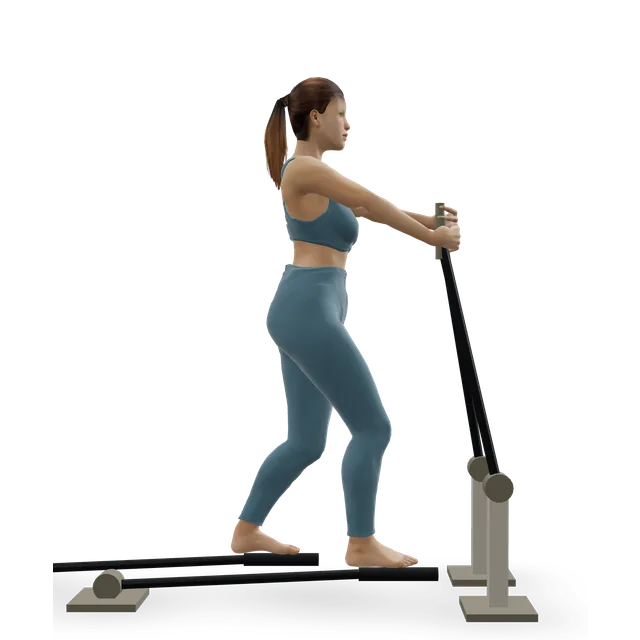
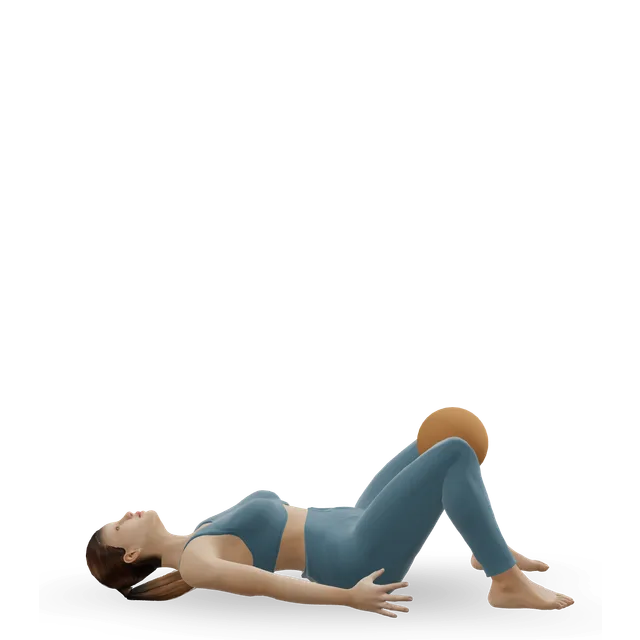
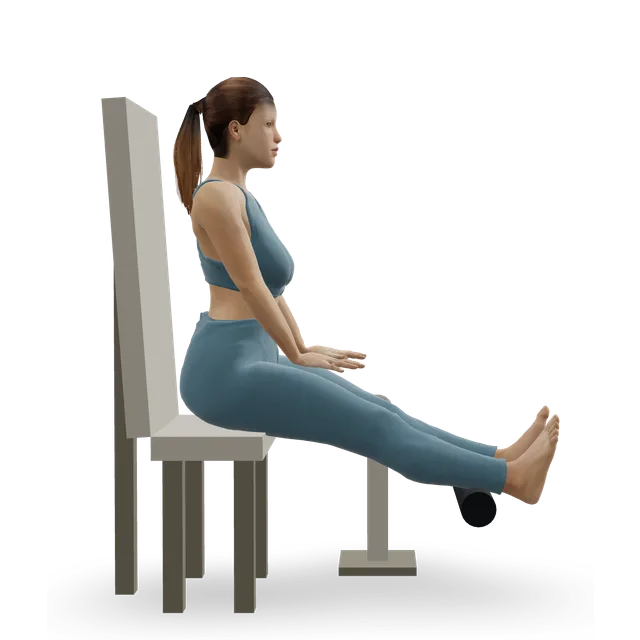
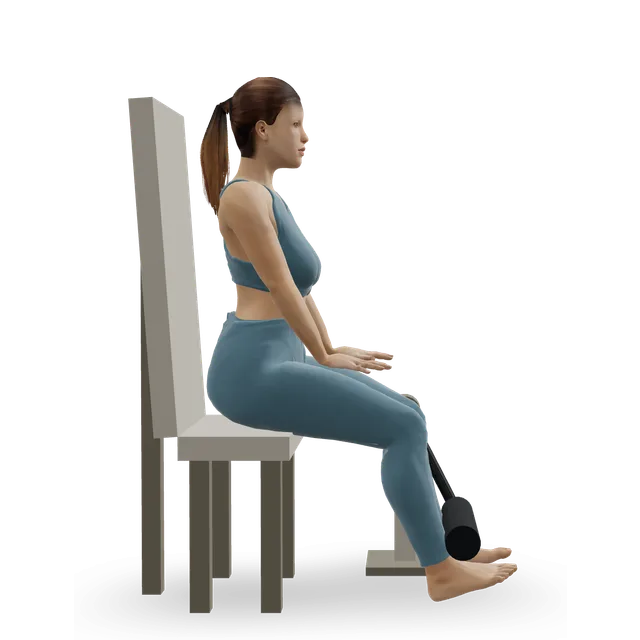
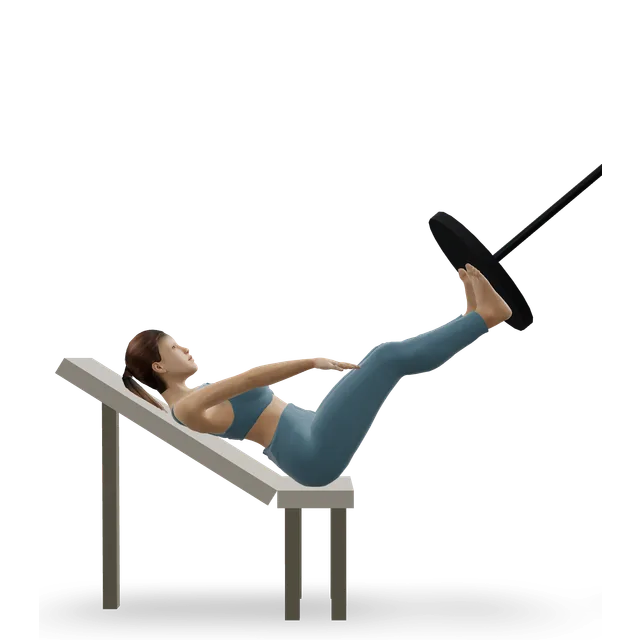
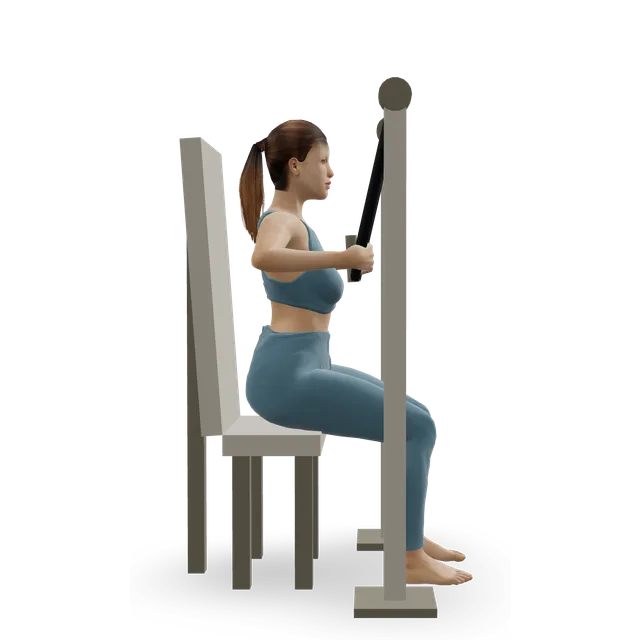
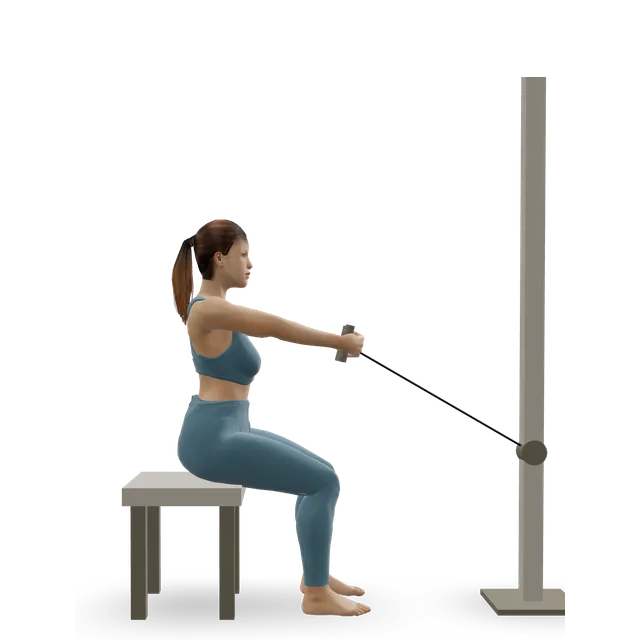
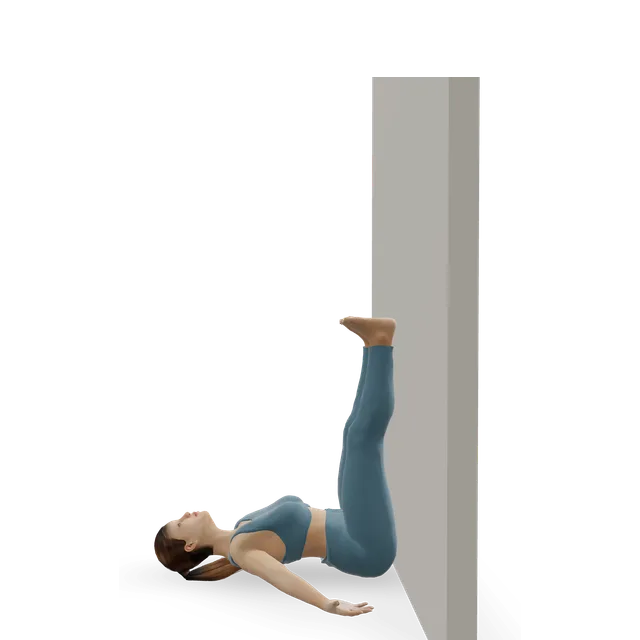
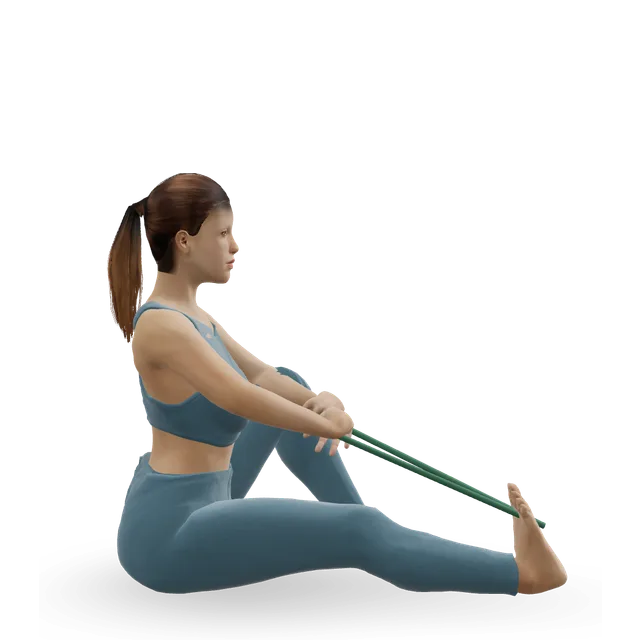
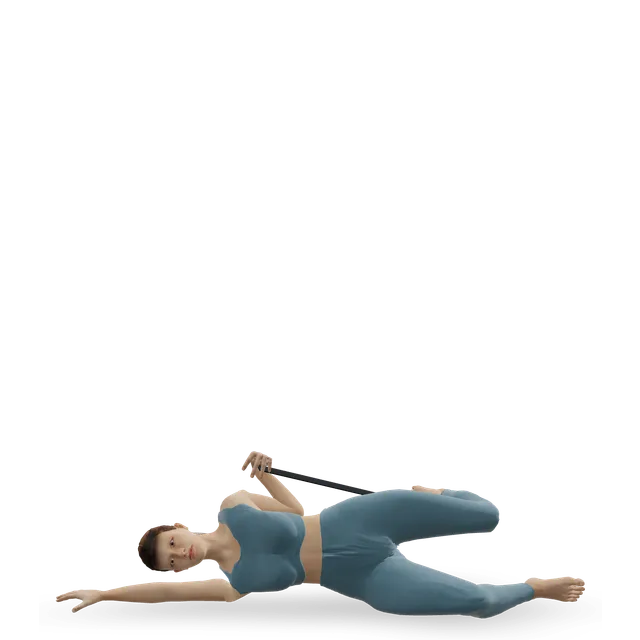
The Heart Rhythm Society's 2015 statement says "A regular, structured, and progressive exercise program for patients with POTS can be effective", starting with exercise that isn't upright. The NIH meeting said exercise training "should be a component of any POTS treatment plan". The NHS and PoTS UK both recommend gentle exercise built up gradually, and PoTS UK says supervised programmes have been shown to work best. The grade reflects how consistent this advice is: the studies behind it are small.
Sources 1, 16, 2, 3
The Levine and CHOP programmesEmerging evidence
In the first Levine study, 25 people started 3 months of training and 19 finished. Their heart muscle grew by about 12% and their blood volume by about 7%, upright heart rate fell by 9 beats a minute, 10 of the 19 no longer met the criteria for PoTS, and quality of life improved in all of them; there was no comparison group, and a person with Ehlers-Danlos syndrome was left out. In reports from the same group of people, training raised physical functioning from 33 to 50 out of 100 and peak fitness by 11%, while 4 weeks of the beta blocker propranolol didn't improve quality of life; the exercise part wasn't randomised.
In a registry of 251 people training in the community, 71% of the 103 who finished no longer met the criteria, and the heart rate rise on standing halved, from 46 to 23 beats a minute; it held in the 31 people followed for 6 to 12 months. But 59% didn't finish. CHOP's own version of the programme hasn't been tested in a published trial.
Sources 4, 20, 22, 7, 6, 5
The randomised trialsEmerging evidence
In 60 people with PoTS (49 analysed), 12 weeks of semi-supervised training (an exercise consultation and 8 sessions, with 3 interval sessions a week starting with 3-minute bouts, mostly semi-recumbent at first) raised peak fitness by about 12% of the expected value, against a 1% fall with usual care. Exercise tolerance and symptoms on standing improved more, but overall symptom scores and the heart rate rise on standing didn't differ between the groups. People with hEDS were included, and 13% of the exercise group stopped because of illness or worse symptoms.
In 31 military recruits with symptoms on standing, 3 months of jogging left 6 of 16 still affected, against 10 of 11 who didn't train. They were young men, and not all had PoTS as it's defined now.
Sources 23, 24
A home programmeMixed evidence
Of 77 people offered a 6-month home programme (recumbent to upright, 6 days a week, sessions building from 10 to 45 minutes), 48 took part. At 6 months, 23% of them still met the heart rate criteria for PoTS, against 93% of those who didn't take part, and quality of life improved. People chose whether to take part, and 10 of the 29 comparison group had no follow-up, so their first results were carried forward.
Sources 25, 7
The 2025 reviewMixed evidence
A review found 7 studies, four of them different analyses of the same group of people, and rated five at high risk of bias. Heart rate improvements were the most consistent finding, but often modest; between 10% and 59% of people dropped out, and most studies analysed only those who finished. None recorded people's past experience of exercise, and the authors note that people who feel worse after exercise, such as those with significant PEM, may be less likely to volunteer.
Source 7
HypermobilityMixed evidence
A review of 10 reports found very little research in people with PoTS and hypermobile joints, though in the wider PoTS population, endurance then strength training, moving from lying to upright, reduced symptoms. The one randomised trial that included hEDS still found benefits. CHOP advises seeing a physiotherapist first if you're hypermobile.
Sources 26, 23, 5
SaltEmerging evidence
In 14 people with PoTS, 6 days of a very high-salt diet, compared with a very low-salt one, raised the amount of blood plasma and reduced the heart rate rise on standing, though it stayed higher than in healthy people. It was a tiny, short study.
Source 27
CompressionEmerging evidence
In 30 people tilted upright, heart rate averaged 109 beats a minute without compression, 103 with lower-leg compression, 97 with tummy and thigh compression and 92 with full tummy and leg compression, and symptoms improved in the same order. This tested a short session in a lab, not daily life.
Source 28
Counter-manoeuvresEmerging evidence
In 223 people with repeated fainting and warning signs beforehand, learning muscle-tensing manoeuvres cut the share who fainted again over about 14 months from 51% to 32%, with no harms. In a lab, crossing the legs and tensing the muscles raised blood pressure within 3 to 5 seconds. These studies were in fainting in general, not PoTS, and the Heart Rhythm Society notes the manoeuvres don't work if you get little or no warning.
Sources 29, 30, 1
Research under way
A Swedish trial is testing 16 weeks of individually tailored exercise, starting lying down and supervised weekly by a physiotherapist, in 60 people with PoTS after COVID-19, and stops building up the exercise if PEM appears. It hasn't reported results yet.
Source 21