Knee fold
Lying on your back with the knees bent, one foot lifts and the knee floats up to a right angle while the pelvis stays still, then lowers: the first step towards the dead bug, from postnatal physiotherapy and Pilates. The other foot stays on the floor throughout.
Movement guide
Knee fold

Loading the 3D figure…
Make it easier or harder
Start where you can move well, then step up.
Easier option
 3D demoSupine heel slideBeginner · No equipment
Suggested next step, beginner grade.
Harder option
 3D demoDead bug heel tapsBeginner · No equipment
Suggested next step, beginner grade.
Source-researched guide. Clinical review is pending.
How to move
- Lie on your back with your knees bent, feet flat and hip-width apart, and your arms by your sides.
- Breathe in. As you breathe out, gently draw up your pelvic floor and lower tummy.
- Lift one foot a few centimetres and float the knee up until the hip is bent to about a right angle, keeping the pelvis still.
- Hold for a short count, breathing.
- Lower the foot slowly to the floor, relax, and repeat on the other side.
Form cues
- Keep the low back and pelvis still; only the leg moves.
- Breathe out as the knee floats up.
- Avoid: letting the middle of your tummy bulge into a ridge; if it does, lift the foot only a little.
Practice and cautions
2 sets of 5 to 10 each side, every other day: the dose a UK pelvic health physiotherapy booklet (POGP) gives for alternate knee bends. A standard early postnatal and Pilates step; no trial has tested it on its own.
After a caesarean, start once lifting a leg doesn't pull on the wound. In pregnancy after the first trimester, do it propped up on pillows. This is movement education, not an assessment or treatment prescription. Stop for sharp or increasing pain, dizziness, numbness or tingling; seek individual guidance for symptoms, injury or restrictions.
Sources and review status
Sources support the educational description; they do not establish that this exercise is suitable for you.
No variation is labeled clinically validated.
What it works
Equipment
None: body weight and floor space.
Level
Beginner. See the easier and harder options above.
Workouts that use it
Similar moves
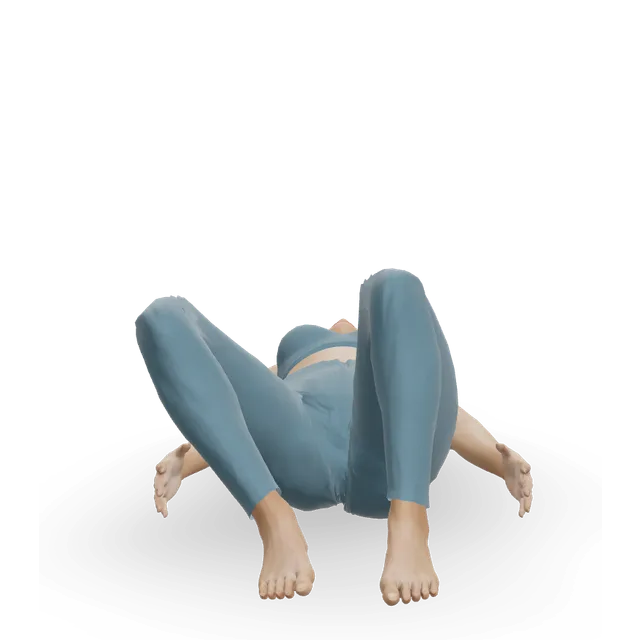 3D demoBent-knee fall-outBeginner · No equipment
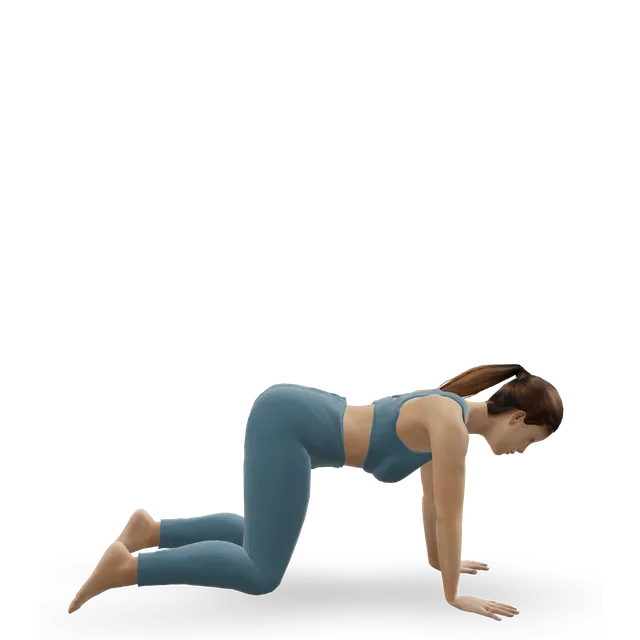 3D demoKnee hover (Pilates tabletop hover)Beginner · No equipment
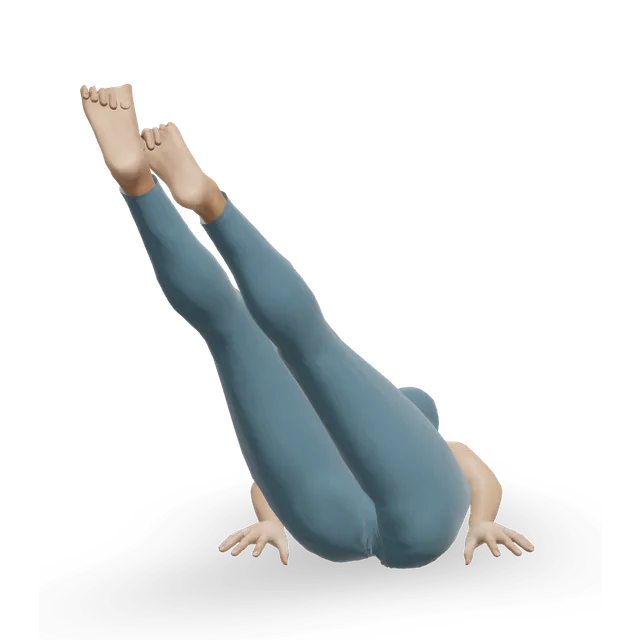 3D demoCorkscrew (Pilates)Advanced · No equipment
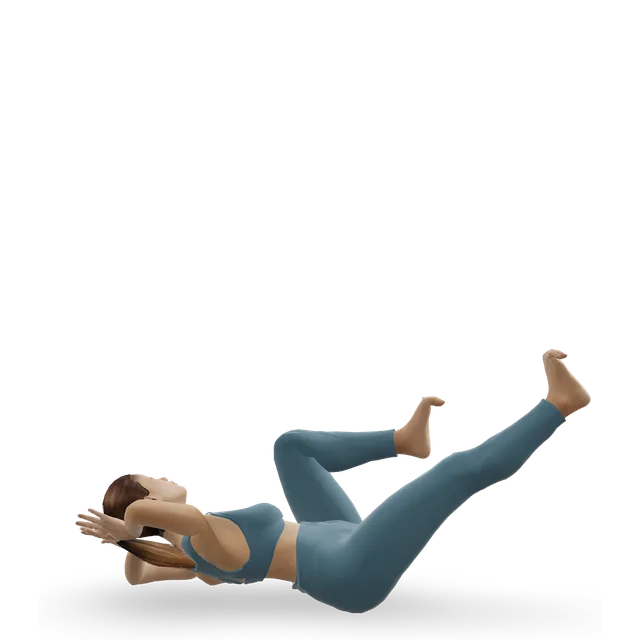 3D demoCriss-cross (Pilates)Intermediate · No equipment
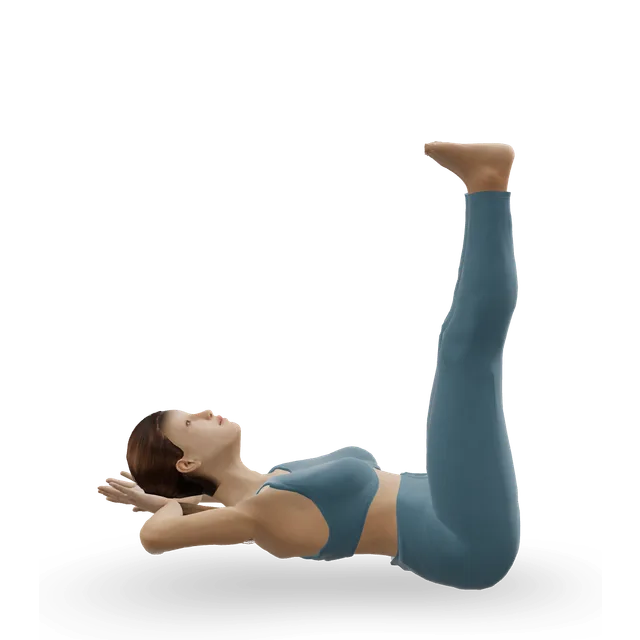 3D demoDouble straight-leg stretch (Pilates lower lift)Advanced · No equipment
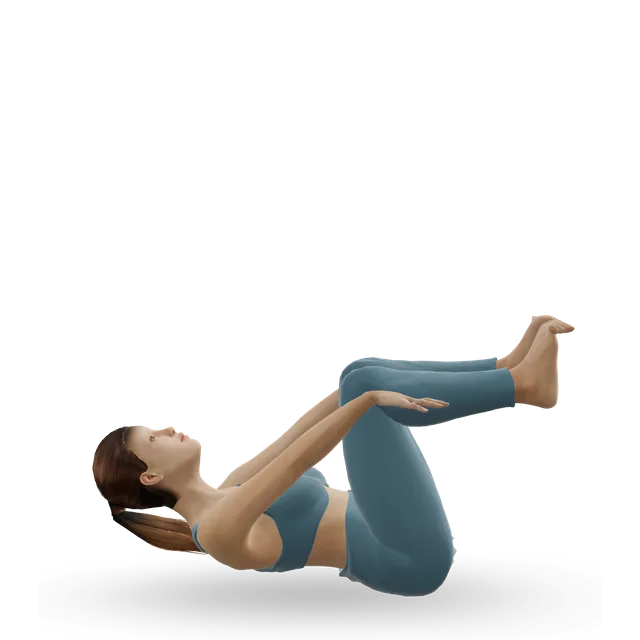 3D demoDouble-leg stretch (Pilates)Intermediate · No equipment
Browse more
Questions people ask
What muscles does the Knee fold work?
Mainly the abs, with help from the hip flexors.
What equipment do I need for the Knee fold?
No equipment: your body weight and a little floor space.
Is the Knee fold good for beginners?
It is graded beginner, so it suits most people starting out. When it feels easy, try the Dead bug heel taps.
What is an easier alternative to the Knee fold?
Try the Supine heel slide. It is the suggested step down from this move.
How do I make the Knee fold harder?
Progress to the Dead bug heel taps, or add load, range or slower lowering once your form is solid.