The transversus abdominis is the deepest of the three flat abdominal muscles. Its fibres run horizontally around the waist, like a corset, from the back and sides to the midline seam at the front.
It squeezes the belly to breathe out hard, cough and bear down, and it switches on a fraction before you move an arm or leg, raising the pressure inside the abdomen along with the diaphragm.
Where the transversus abdominis is and what it does
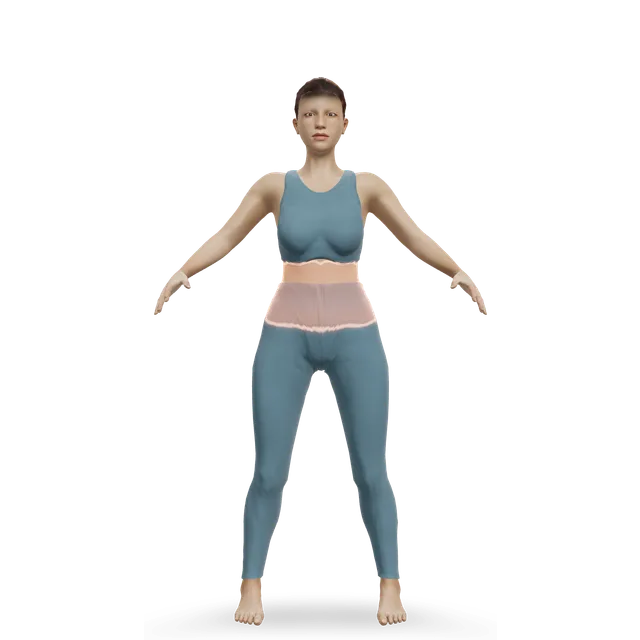
Shaded: the abs area. It marks the region, not the exact outline of the transversus abdominis.
Starts at (origin)
The inside of the lower rib cartilages, the deep fascia of the low back, the top of the hip bone and the groin ligament.Lower six costal cartilages, thoracolumbar fascia, iliac crest and lateral inguinal ligament (sources differ on the ribs)
Attaches to (insertion)
The midline seam of the belly and, at the bottom, the pubic bone.Linea alba; conjoint tendon to the pubis
What it does
Squeezes the belly: blowing out hard, coughing, bearing down.Compression of the abdominal contents
Switches on just before a limb moves, stiffening the trunk.Anticipatory (feed-forward) postural activity
With the diaphragm, raises the pressure inside the abdomen.Intra-abdominal pressure with the diaphragm
Nerve supply
Thoracoabdominal nerves (T7 to T12), plus the iliohypogastric and ilioinguinal nerves (L1) to its lower part.
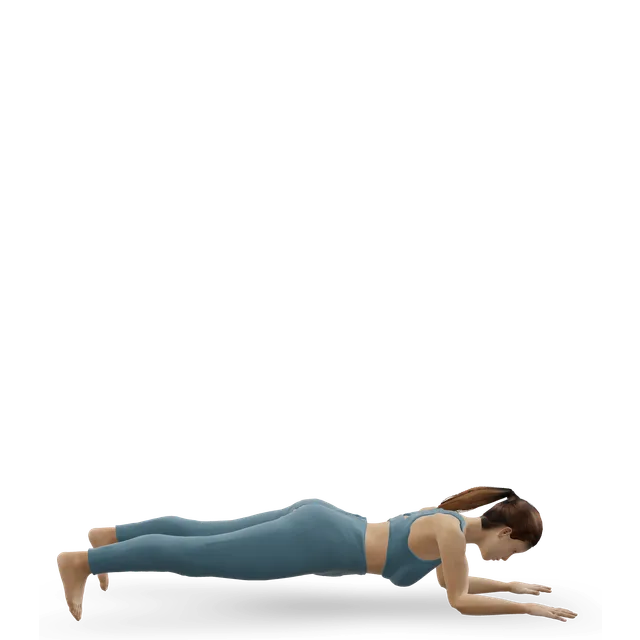
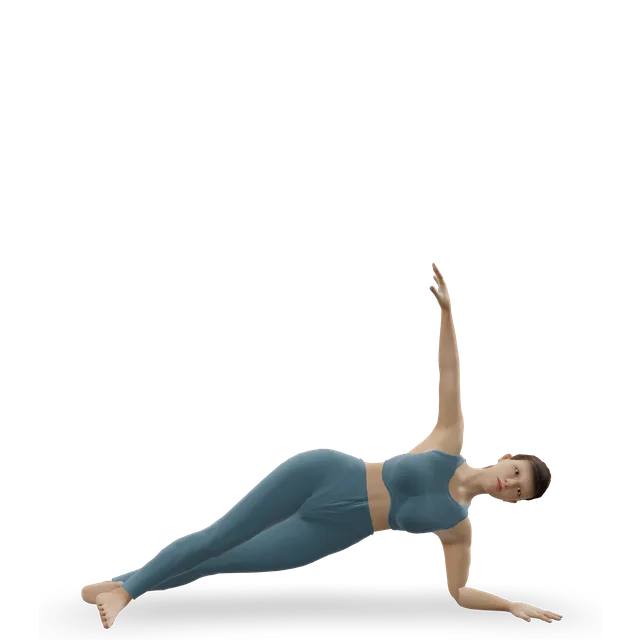
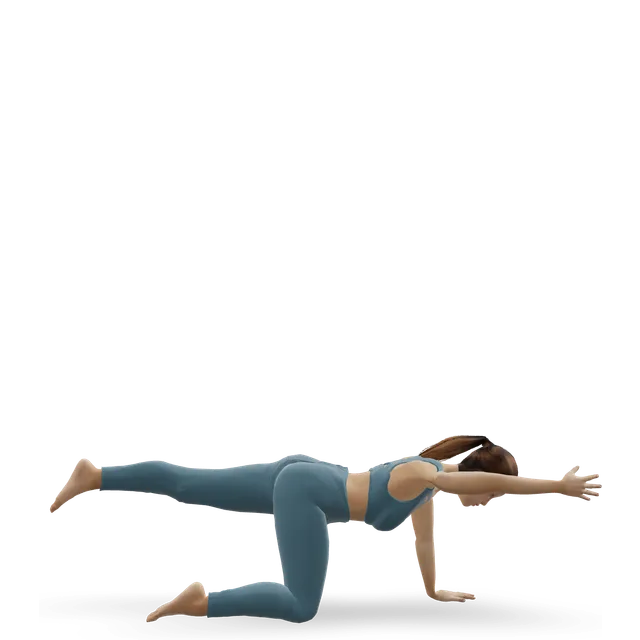
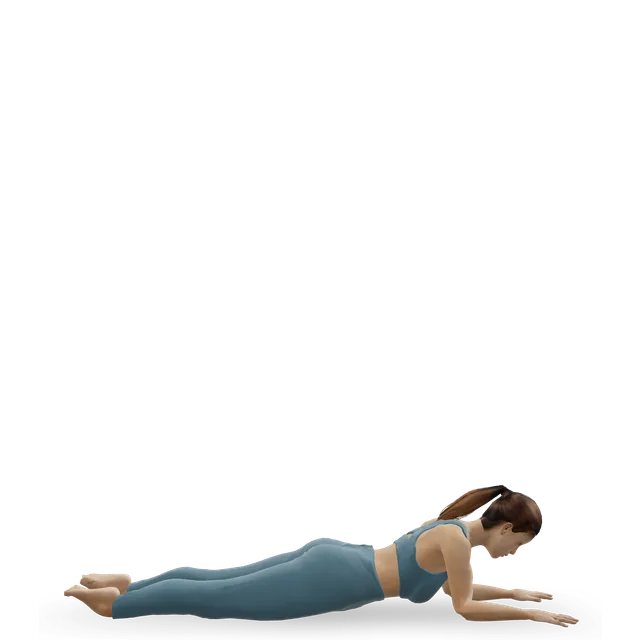
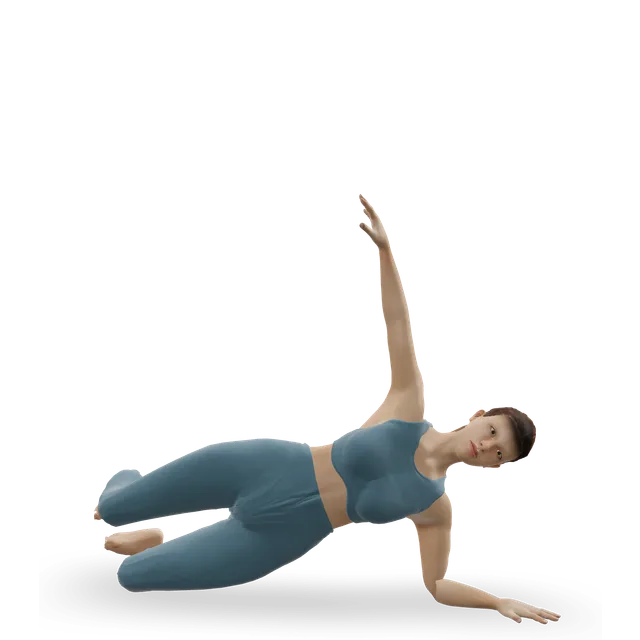
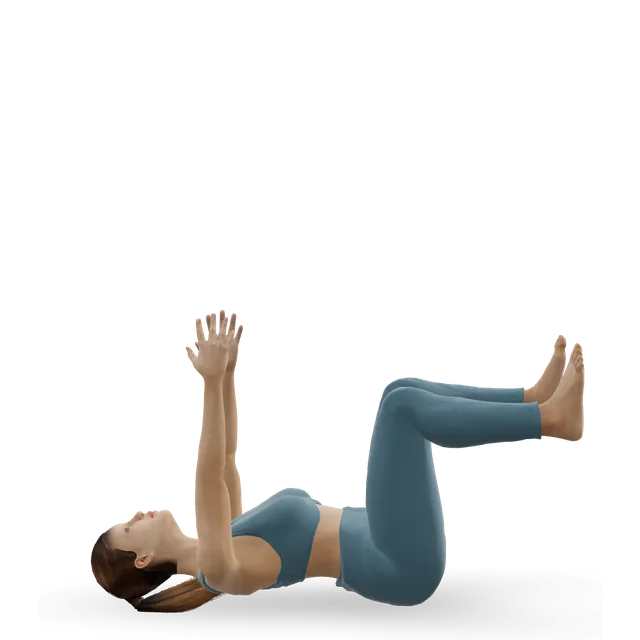
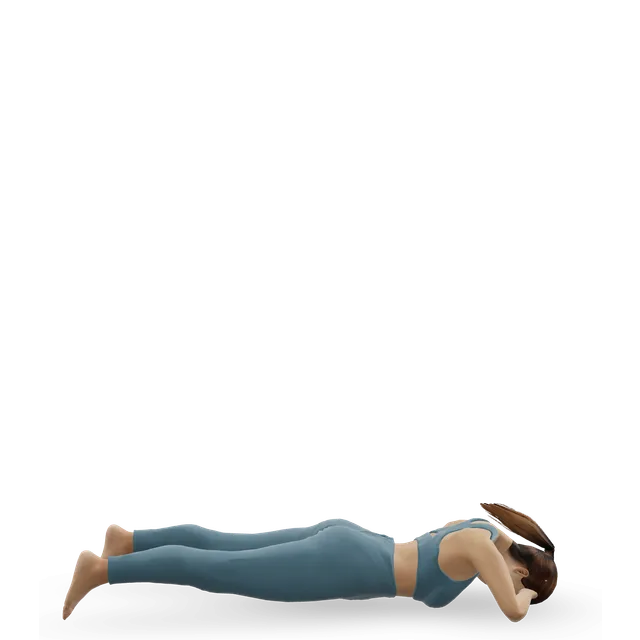
A plank with the opposite arm and leg lifted produced the greatest activity in a fine-wire EMG study; side bridges and bird dogs were tested alongside. Gently drawing in the lower belly while breathing normally is a teaching step in low-back rehabilitation.
In lab studies the muscle switched on later in people with low back pain than in people without. Later research questioned how special this is: the muscle tends to work as part of a whole-trunk pattern rather than as an isolated stabiliser.
You must draw in your belly button before every liftMixed evidence
In a modelling study, bracing the whole abdominal wall raised spine stability about a third; the transversus contributed a tiny fraction, and the authors found no mechanical case for hollowing. Under a sudden load, hollowing did not reduce trunk motion while bracing did, at the cost of more spinal compression.
For chronic back pain, exercises that train the deep muscles beat minimal treatment but were no better than other exercise in a Cochrane review. After a first episode, one small trial found fewer recurrences with specific training, so it can help; it is not the only route.
It squeezes the belly to breathe out hard, cough or bear down, and switches on just before a limb moves to stiffen the trunk, together with the diaphragm.
Should I draw in my belly button when I lift?
There is no evidence healthy lifters need to. In lab studies, bracing the whole abdominal wall stiffened the spine more than hollowing did.
How do you train the transversus abdominis?
Planks, side planks and bird dogs all work it; a plank with the opposite arm and leg lifted produced the most activity in a fine-wire EMG study.
Anatomy and movement education, not a diagnosis or treatment plan. If you have pain that follows an injury, is severe or getting worse, or comes with numbness, weakness or swelling, get it assessed. Health disclaimer.