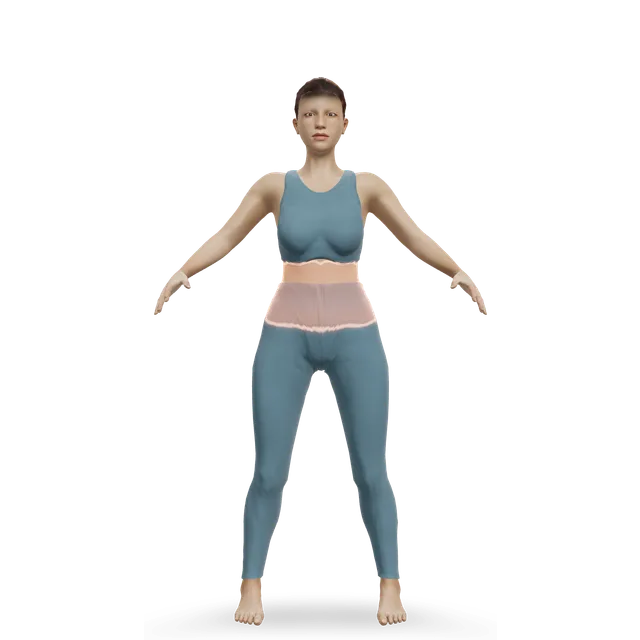
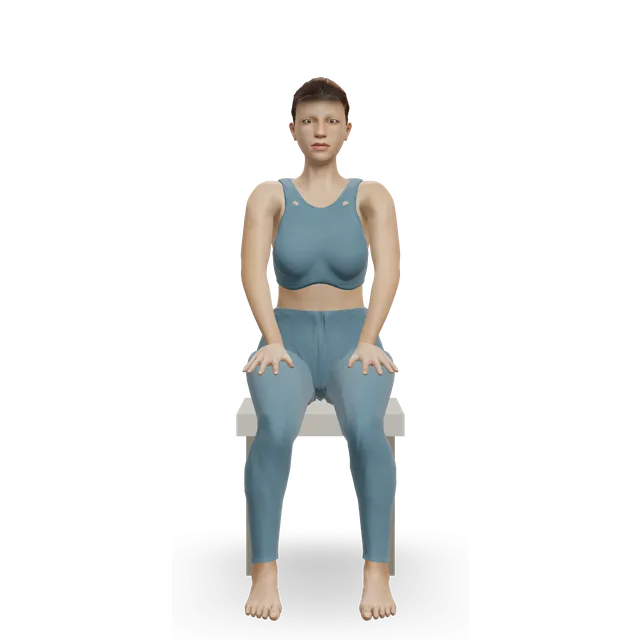
The pelvic floor is a sling of muscles across the bottom of the pelvis, from the pubic bone at the front to the tailbone at the back. The urethra, the anus and, in women, the vagina pass through it. Everyone has one; in men it supports the prostate.
It holds up the pelvic organs, keeps you continent when you cough or sneeze, and works with the diaphragm in every breath.
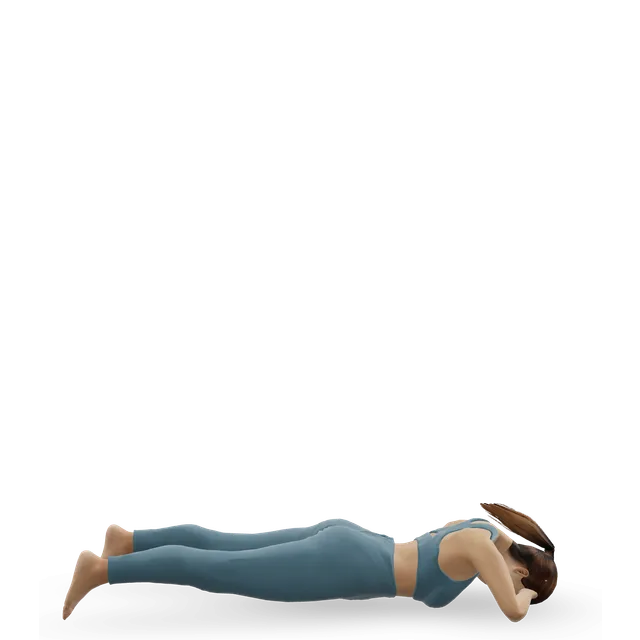
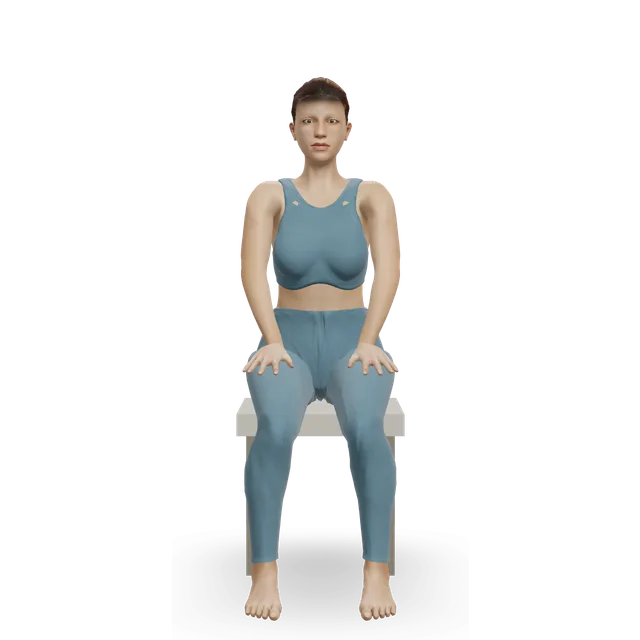
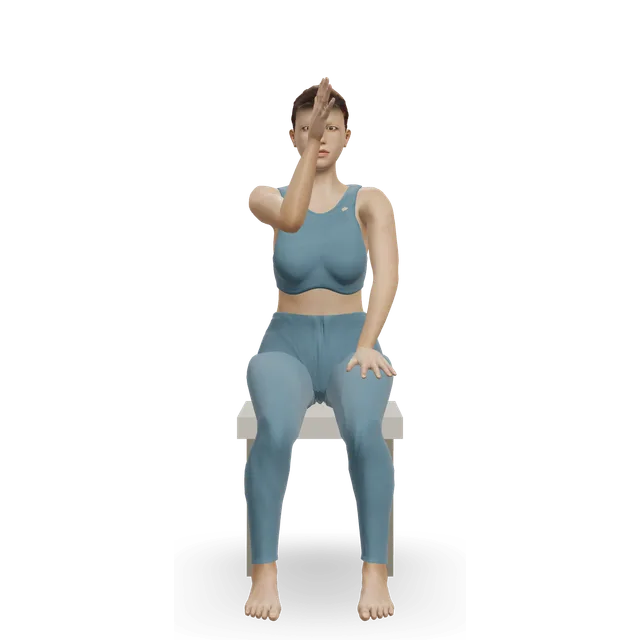
Squeeze and lift as if stopping both wind and the flow of urine, without pulling in your stomach or holding your breath: slow holds building toward 10 seconds, then quick squeezes. Supervised training for at least 3 months is recommended for stress leaking. The 3D figures cannot show these internal muscles.
Stress incontinence is leaking with a cough, laugh, sneeze or exercise. In a Cochrane review, women with stress incontinence who did pelvic floor training were about eight times more likely to report a cure than those who did not (56% against 6%).
The pelvic organs can drop and bulge into the vagina. Pregnancy and vaginal birth are the main causes; menopause, ageing, heavy lifting, constipation and a chronic cough add to the risk.
Pelvic floor dysfunction can mean too little activity, too much, or poor coordination. An overactive floor that will not relax is common in chronic pelvic pain and can cause bladder and bowel trouble and painful sex.
They are first-line for stress leaking, but for an overactive pelvic floor an expert treatment algorithm aims physiotherapy at relaxation, warning that strengthening can make it worse. Supervised training should check that you can both contract and relax.
Only women who have had babies have pelvic floor problems
Everyone has a pelvic floor; about 16% of men have been found to have pelvic floor dysfunction, and NICE recommends pelvic floor training for women of all ages.
Imagine stopping yourself passing wind and stopping the flow of urine at the same time, without squeezing your stomach, buttocks or thighs.
How long do pelvic floor exercises take to work?
Benefits can take a few months; NICE recommends supervised training for at least 3 months for stress leaking.
Can pelvic floor exercises make things worse?
For an overactive pelvic floor that will not relax, strengthening can aggravate symptoms; treatment focuses on relaxation instead. A pelvic health physiotherapist can tell which you need.
Do men have a pelvic floor?
Yes. It supports the prostate as well as the bladder and bowel, and men can have pelvic floor dysfunction too.
Anatomy and movement education, not a diagnosis or treatment plan. If you have pain that follows an injury, is severe or getting worse, or comes with numbness, weakness or swelling, get it assessed. Health disclaimer.