Also called inner thigh muscles, groin muscles, hip adductors
The adductors are the muscles of the inner thigh. Five of them run from the pubic bone and the bottom of the pelvis down to the thigh bone: adductor longus, brevis and magnus, gracilis and pectineus. The gracilis continues past the knee.
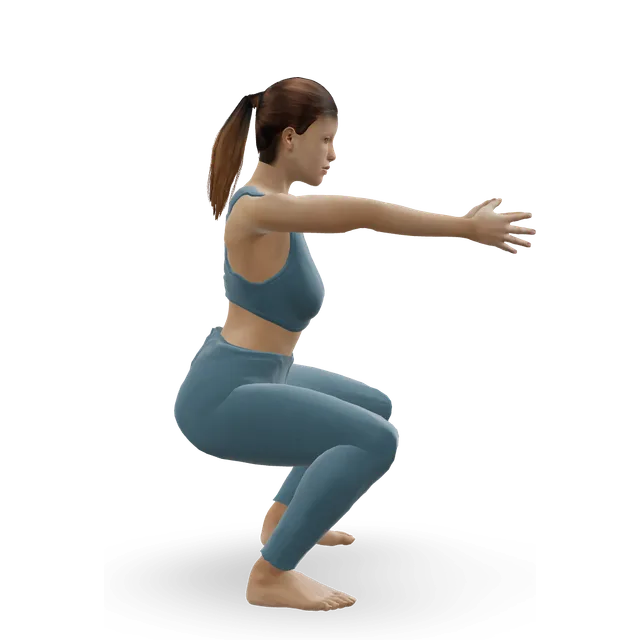
They pull the leg in toward the midline, steady the pelvis when your foot is planted, and the big adductor magnus also helps straighten the hip as you rise from a squat.
Shaded: the adductors area. It marks the region, not the exact outline of the adductors.
What it does
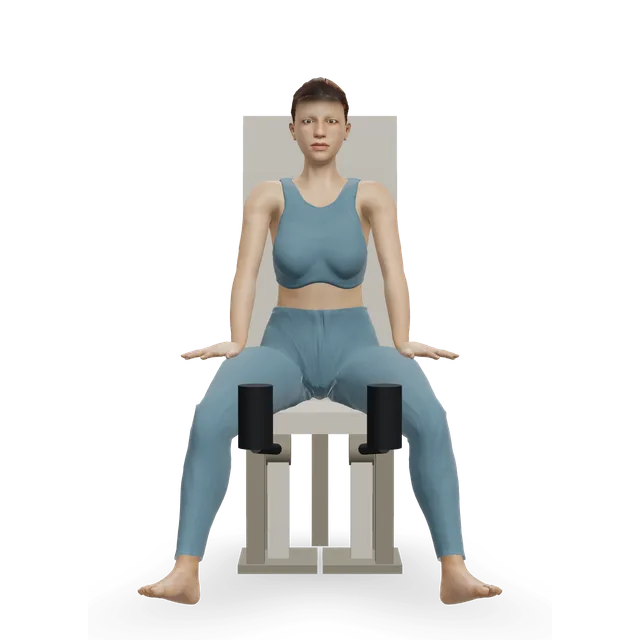
Pull the thigh in toward the midline: squeezing the knees together, a side-foot pass.Hip adduction
Steady the pelvis and leg when the foot is planted.Pelvic stabilisation in closed-chain movement
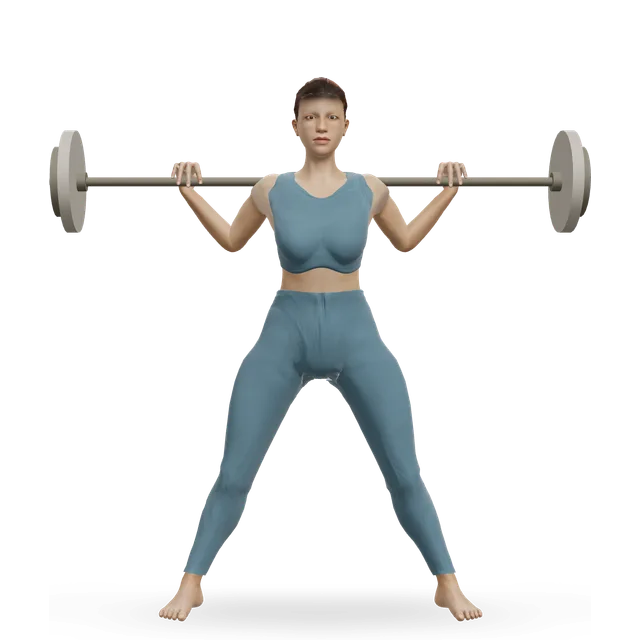
The adductor magnus helps straighten the hip, as when you stand up from a squat.Hip extension (adductor magnus, hamstring part)
Nerve supply
Mostly the obturator nerve (L2 to L4). The hamstring part of adductor magnus also gets the tibial part of the sciatic nerve, and the pectineus is usually supplied by the femoral nerve; sources differ on the exact roots.
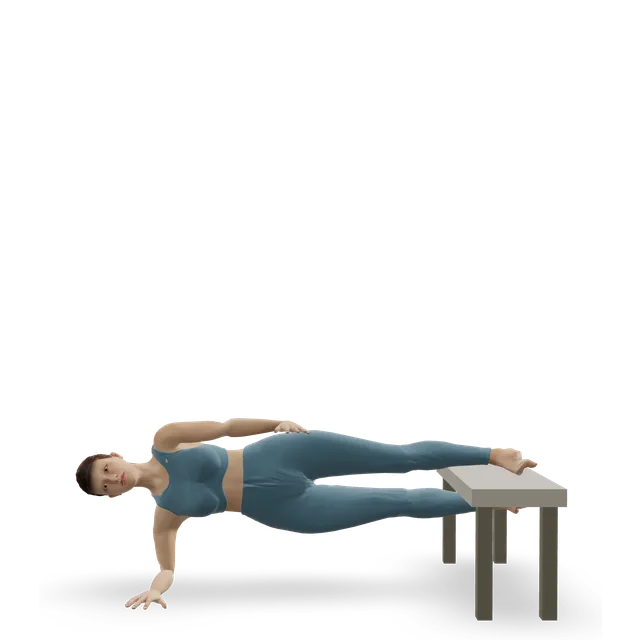
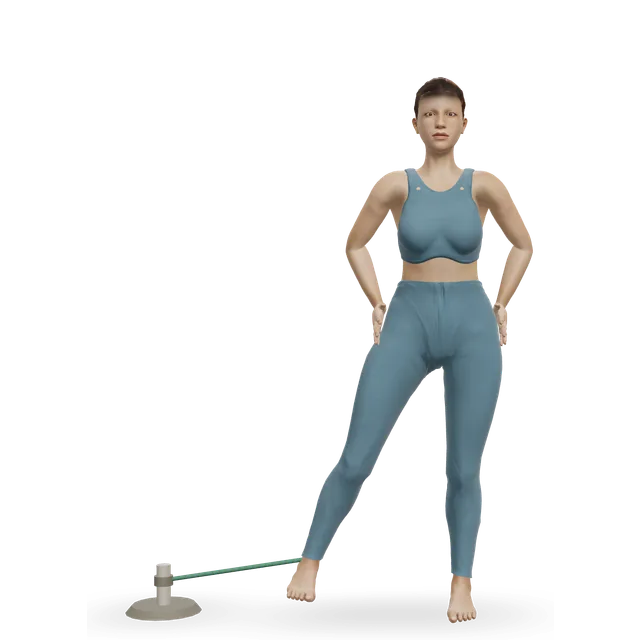
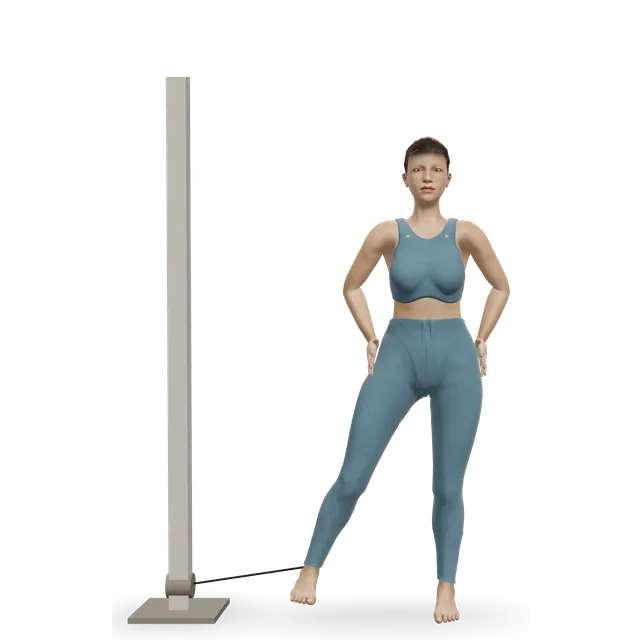
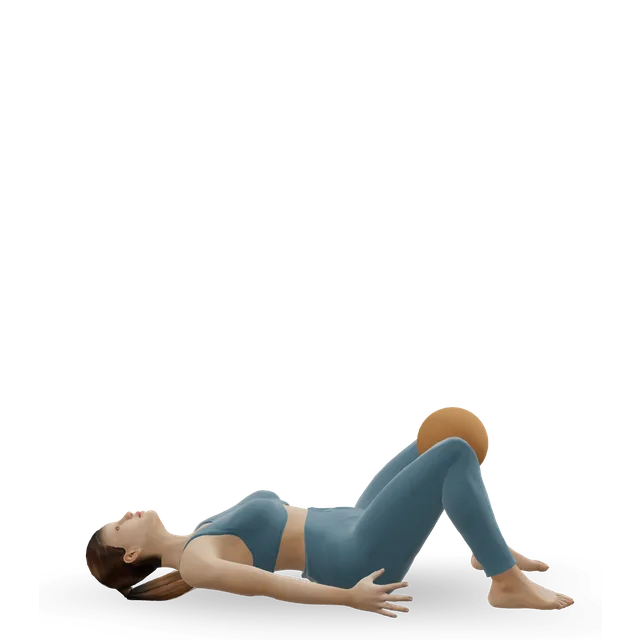
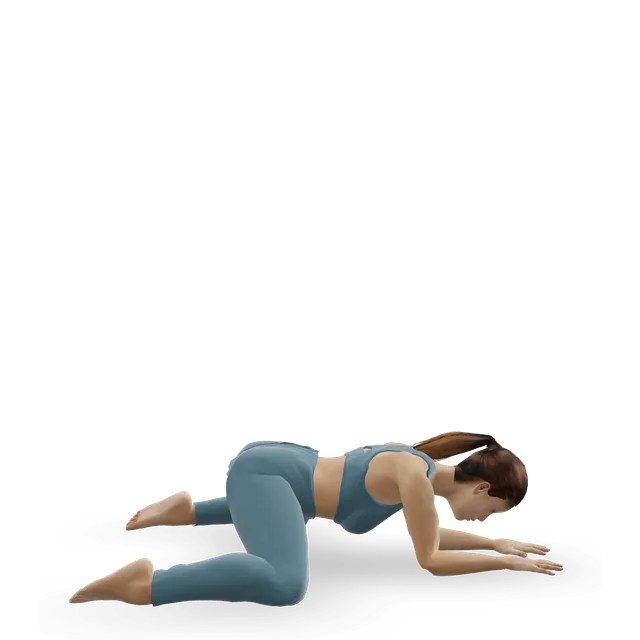
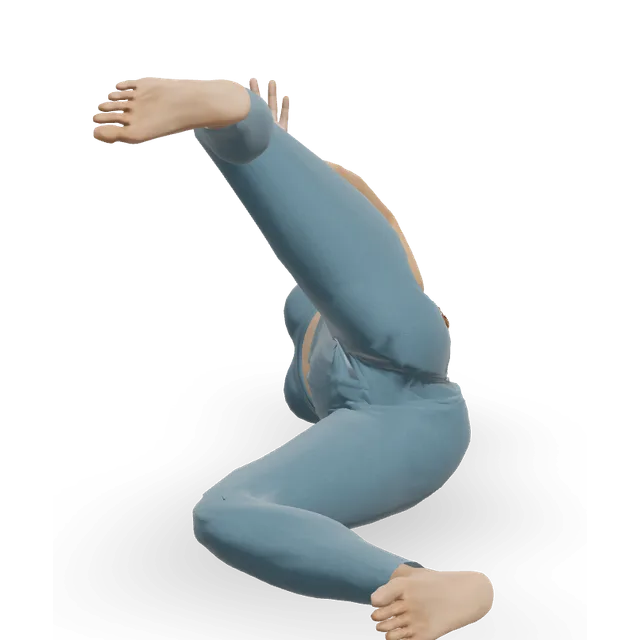
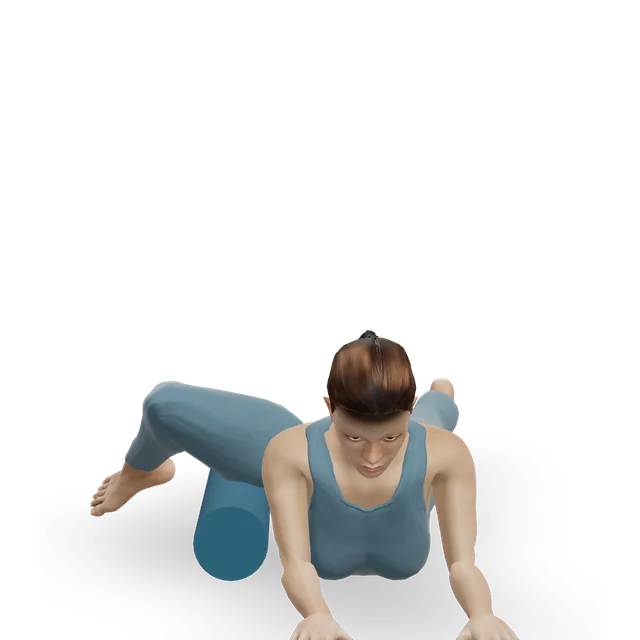
The Copenhagen adduction and standing band adduction were the high-intensity exercises in an EMG study of eight. The original football programme started with side-lying adduction; teams often swapped in squeezes.
One of the most common groin injuries in sport, especially football and ice hockey, usually from a sudden change of direction with the leg pulled outward while the muscles contract. The adductor longus is the site in 62% to 90% of cases, and a previous hip or groin injury is the biggest risk factor.
In European professional football, adductor injuries made up 23% of muscle injuries, second only to hamstrings.
Where the gracilis tendon joins the sartorius and semitendinosus below the knee (the pes anserinus), overuse can inflame the bursa or tendons and cause pain on the inside of the knee.
The programme shown to reduce groin problems in men's football is built on strengthening: one exercise, the Copenhagen adduction, which lowered the risk by 41%. More broadly, stretching programmes have not prevented sports injuries.
They pull the thigh in toward the midline, steady the pelvis when your foot is planted, and the adductor magnus also helps straighten the hip.
How do you strengthen the adductors?
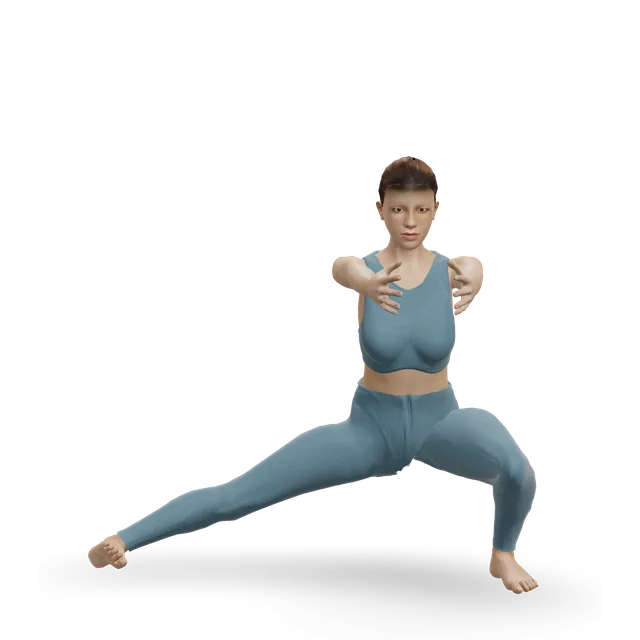
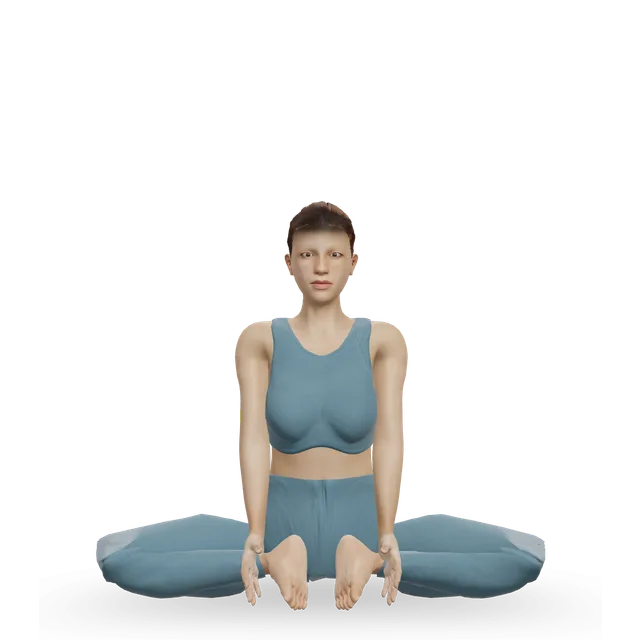
The Copenhagen adduction (side plank with the top leg on a bench) and standing band adduction were the high-intensity exercises in an EMG study. Start with side-lying adduction or a ball squeeze if those are too hard.
How many adductor muscles are there?
Five are usually grouped together: adductor longus, adductor brevis, adductor magnus, gracilis and pectineus.
Which adductor is most often strained?
The adductor longus, in 62% to 90% of adductor strains.
Anatomy and movement education, not a diagnosis or treatment plan. If you have pain that follows an injury, is severe or getting worse, or comes with numbness, weakness or swelling, get it assessed. Health disclaimer.