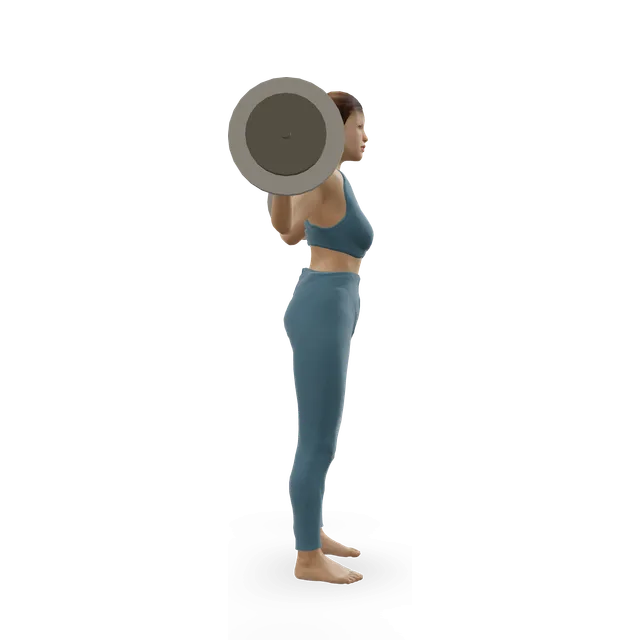
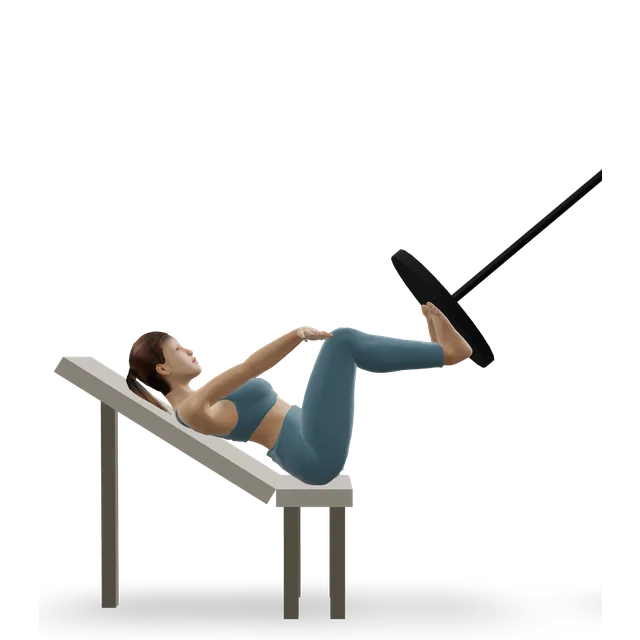
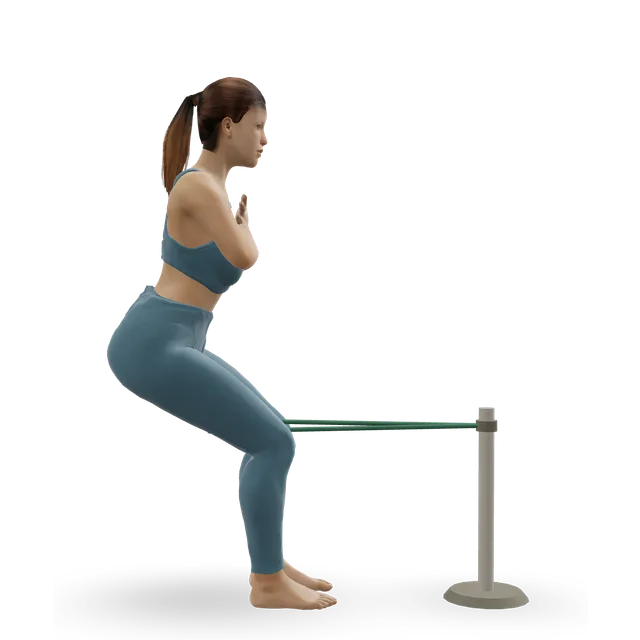
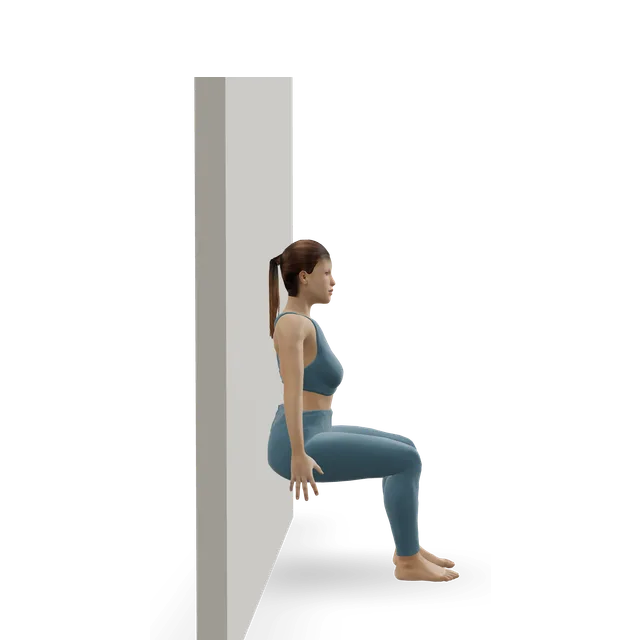
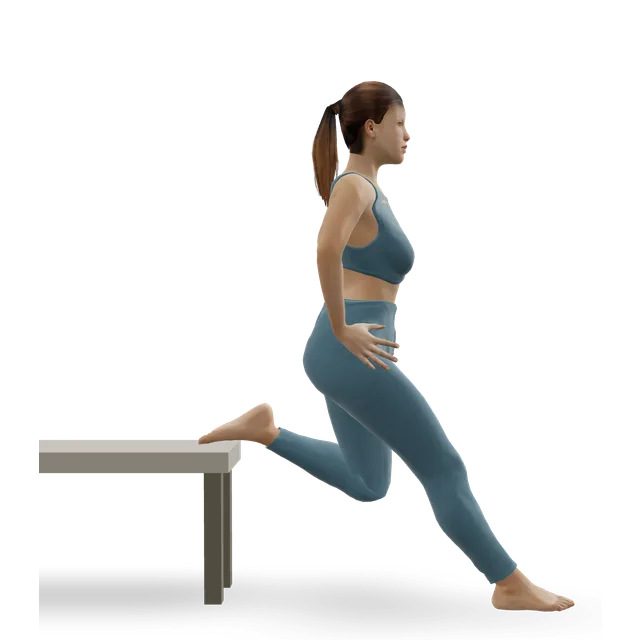
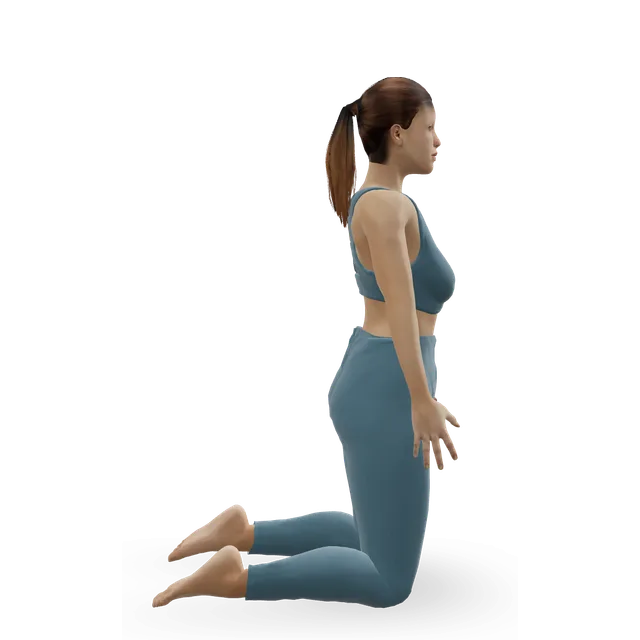
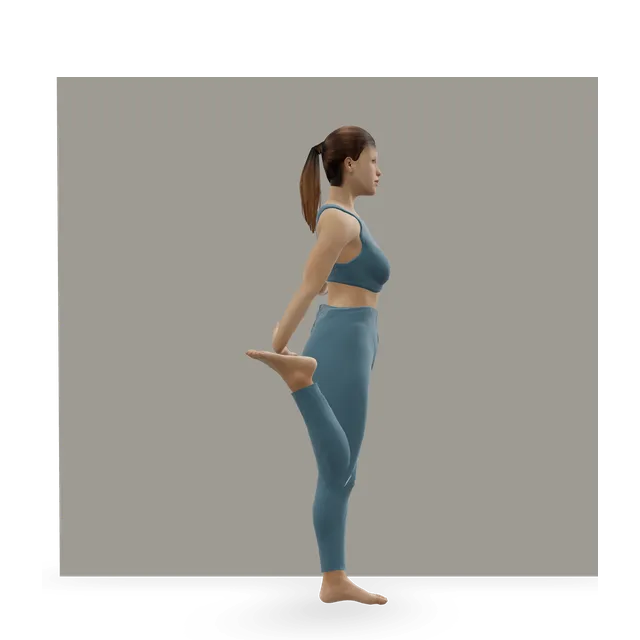
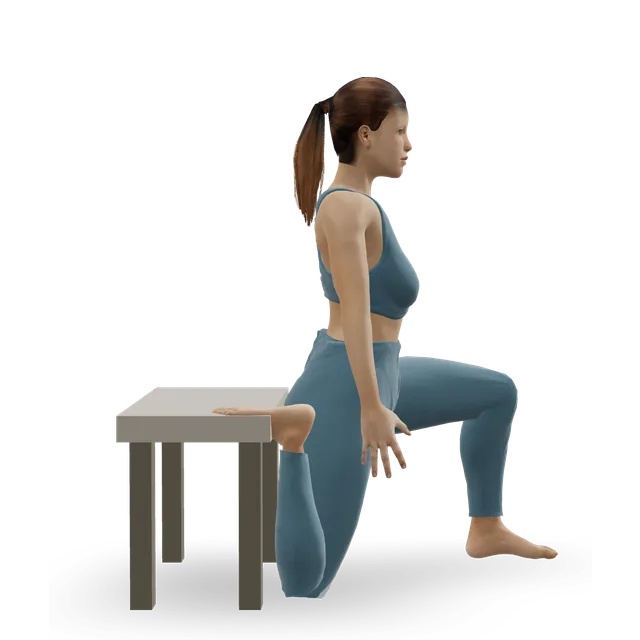
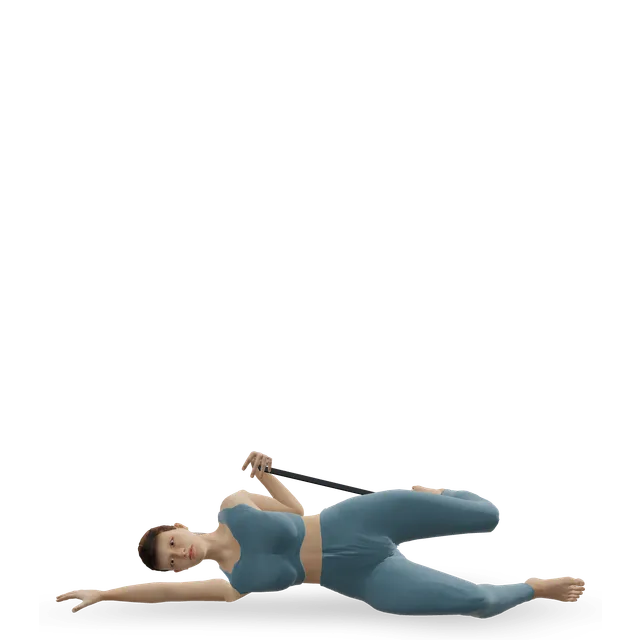
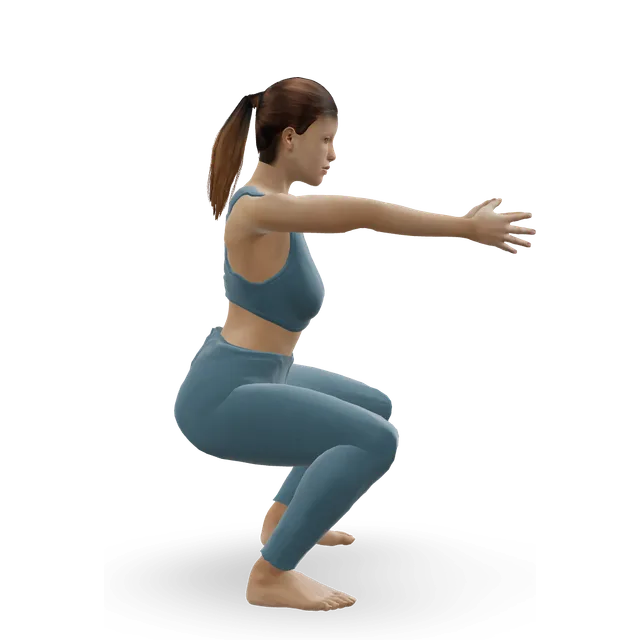
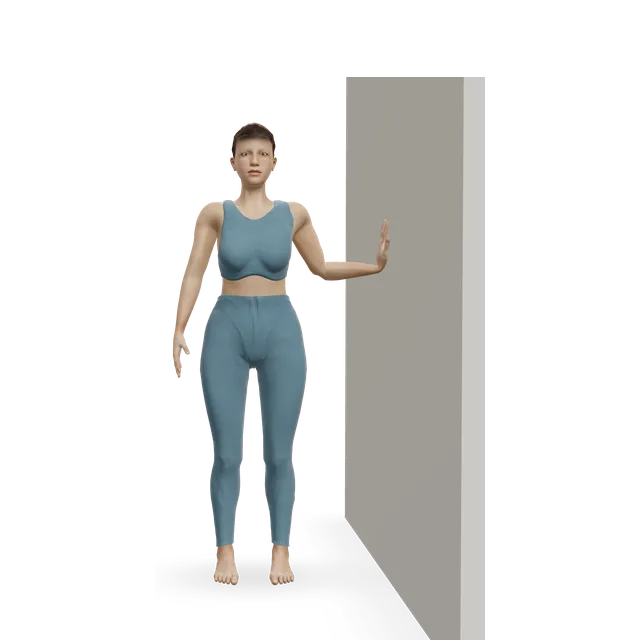
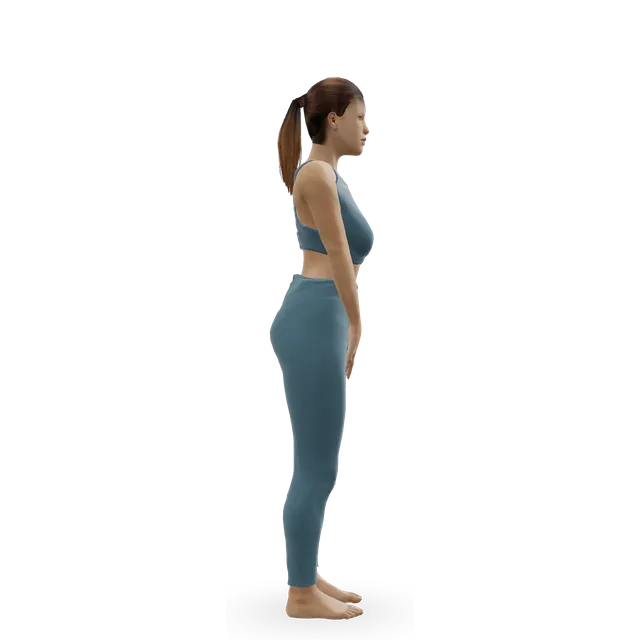
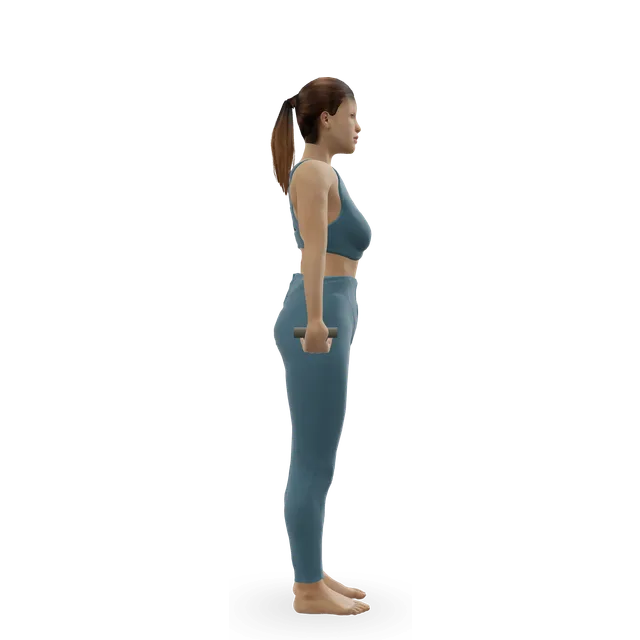
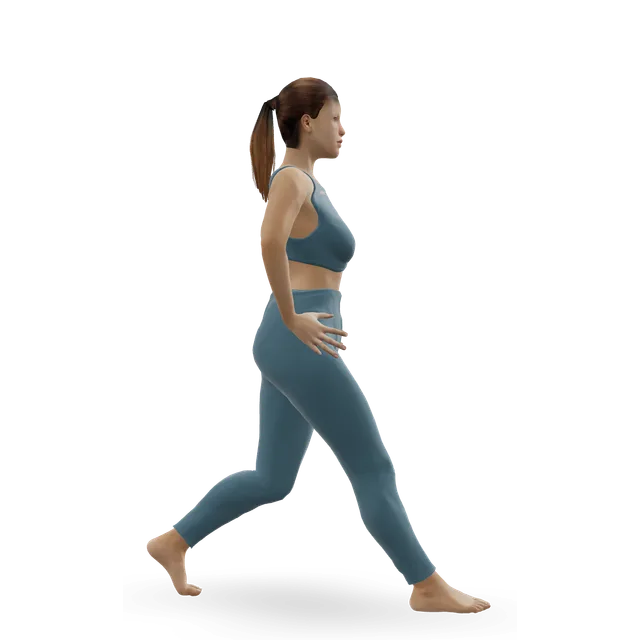
The quadriceps are the four large muscles on the front of the thigh, together the most voluminous muscle group in the body. Their tendons merge around the kneecap and continue as the patellar tendon to the bump below the knee.
They straighten the knee, which is what lets you stand up, climb stairs and kick, and they brake the knee as you land, walk downhill or go down steps. One of them, the rectus femoris, also crosses the hip.
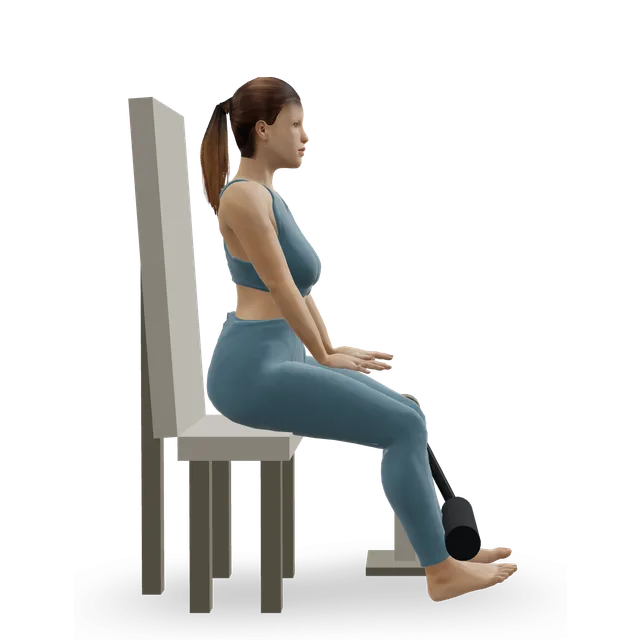
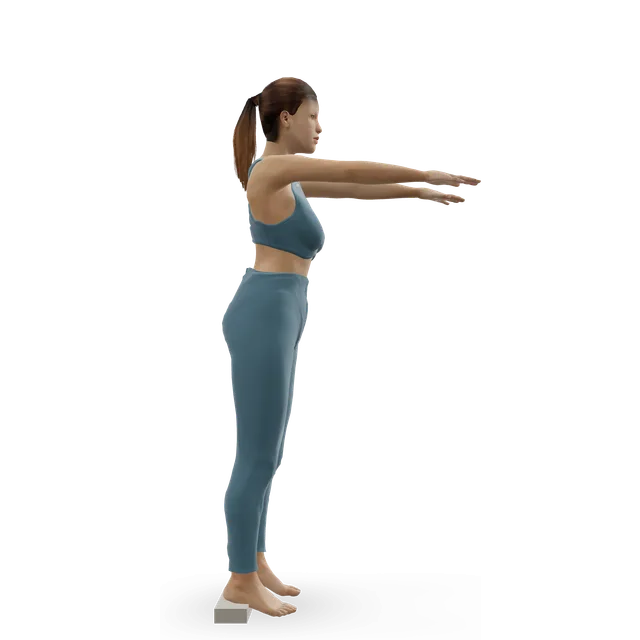
For patellar tendon pain, isometric holds, heavy slow resistance (squats, leg press) and eccentric decline squats are all effective; isometric and heavy slow programmes did better than eccentric training alone.
Load-related pain at the patellar tendon, usually just below the kneecap, common in jumping sports. It is a degenerative tendon problem, not an inflammation, so treatment centres on progressive loading, and steroid injections are advised against.
You must isolate the VMO for knee painEmerging evidence
Changing foot position or adding a squeeze did not preferentially activate the vastus medialis in a review of 20 EMG studies, and in a randomised trial VMO-targeted training and ordinary quadriceps strengthening helped kneecap pain equally.
The rectus femoris, vastus lateralis, vastus medialis and vastus intermedius.
What do the quadriceps do?
They straighten the knee, as when you stand up, climb stairs or kick, and they control the knee as you land or go downhill. The rectus femoris also bends the hip.
Do you need VMO exercises for knee pain?
No special VMO exercise has been shown to isolate it, and general quadriceps strengthening helped kneecap pain as much as VMO-targeted training in a trial.
Which quad muscle is the strongest?
The vastus lateralis, on the outer thigh, is reported to provide about 40% of quadriceps strength.
Anatomy and movement education, not a diagnosis or treatment plan. If you have pain that follows an injury, is severe or getting worse, or comes with numbness, weakness or swelling, get it assessed. Health disclaimer.