Hip flexor pain, tendinitis and snapping
Overload can inflame the iliopsoas tendon or its bursa and cause groin pain. The tendon can also snap over the front of the hip (internal snapping hip), common in dancers and athletes and often painless.
Muscle guide · Hips and glutes
Also called psoas, hip flexor muscle
The iliopsoas is two muscles that share a tendon: the psoas major, a long rope of muscle running from the sides of the lower spine through the pelvis, and the iliacus, which fills the inside of the bowl of the hip bone. They join to cross the front of the hip and attach to the inner thigh bone.
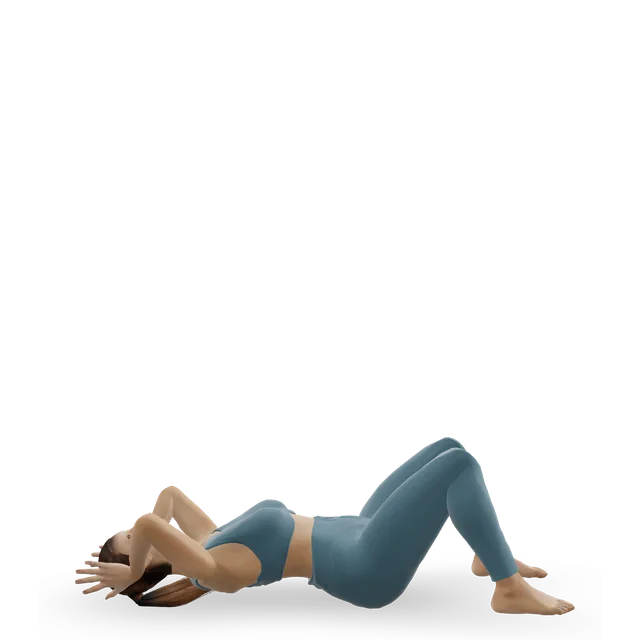
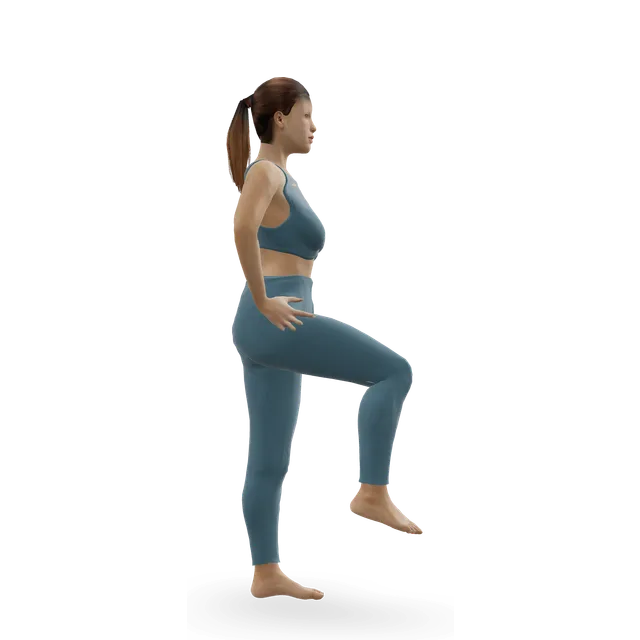
It is the main muscle that lifts the knee toward the chest, and with the legs fixed it helps curl the trunk up, as in the second half of a sit-up.
| Part | Starts at | Attaches to | What it does |
|---|---|---|---|
| Psoas major | Sides of the first four lumbar vertebrae (one source says T12 to L5) | A bony bump on the inner upper thigh bone (lesser trochanter) | Bends the hip; steadies the lumbar spine, especially sitting upright |
| Iliacus | The inner bowl of the hip bone and the side of the sacrum | Joins the psoas tendon to the same bump | Bends the hip; can steady the pelvis on its own |
A review of 9 EMG studies found iliopsoas activity highest between about 30 and 60 degrees of hip flexion, above 60% of maximum in straight-leg raises and lying leg lifts; sit-ups worked the psoas far more than curl-ups.
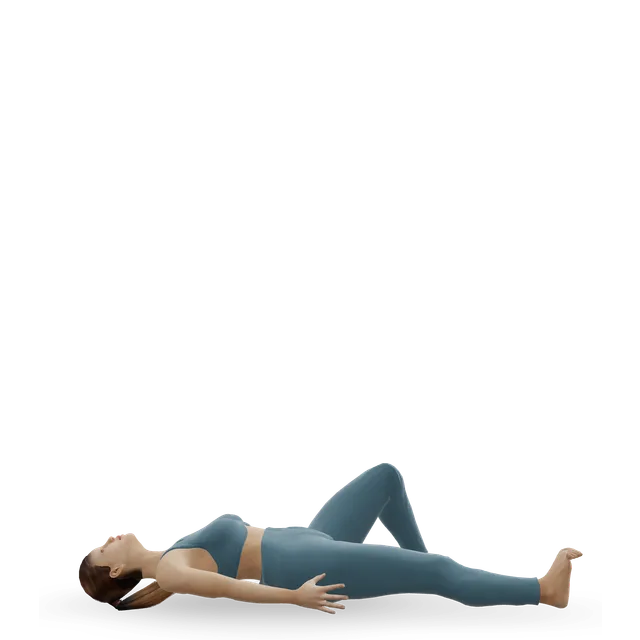
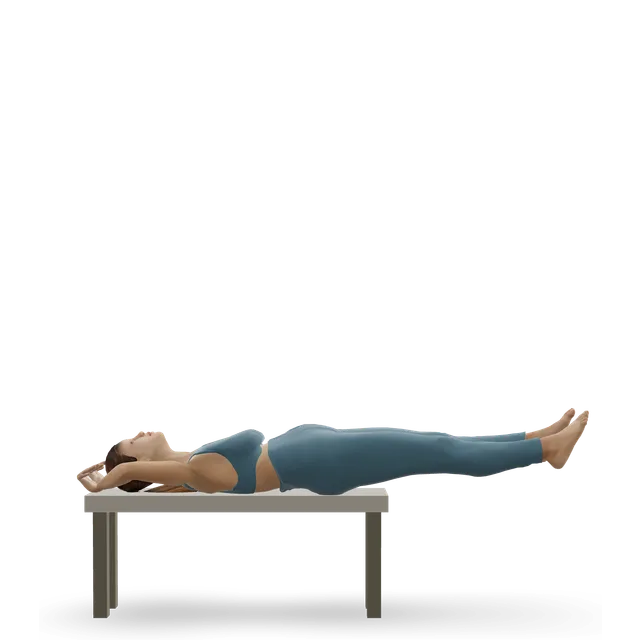
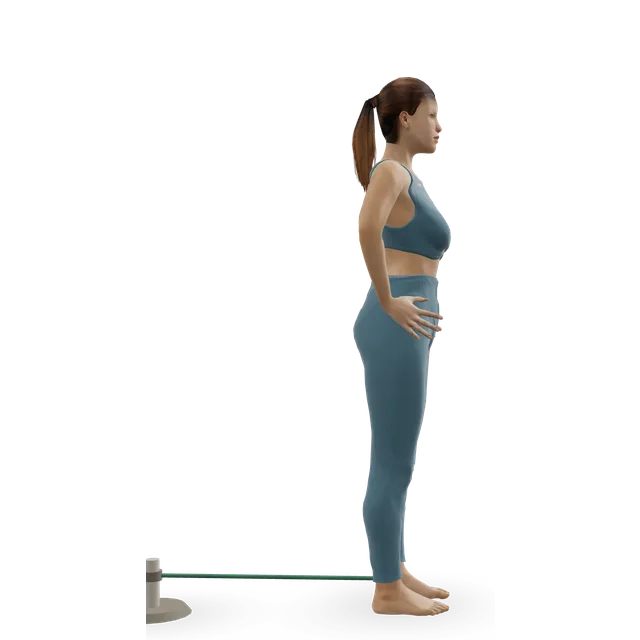
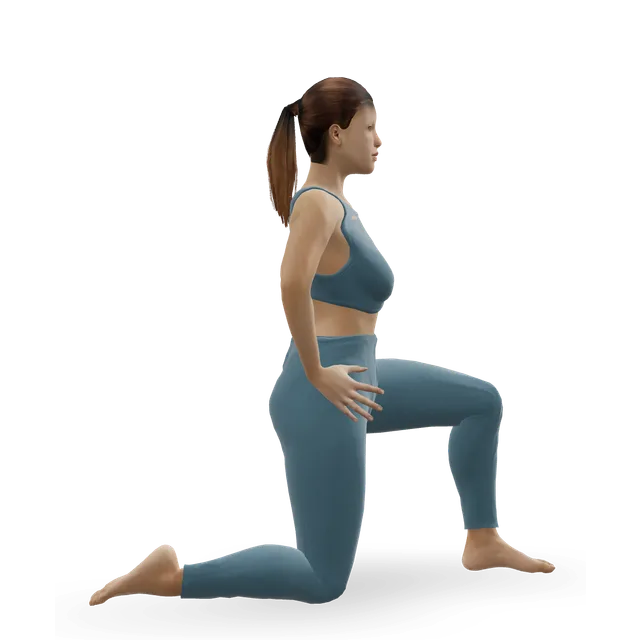
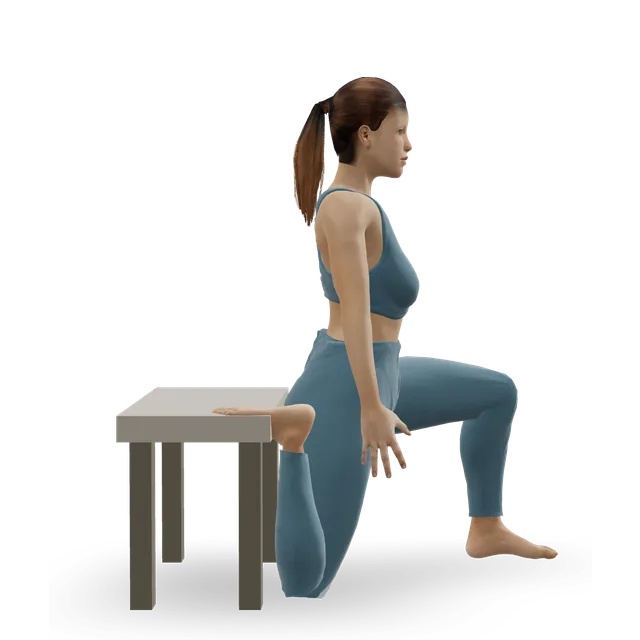
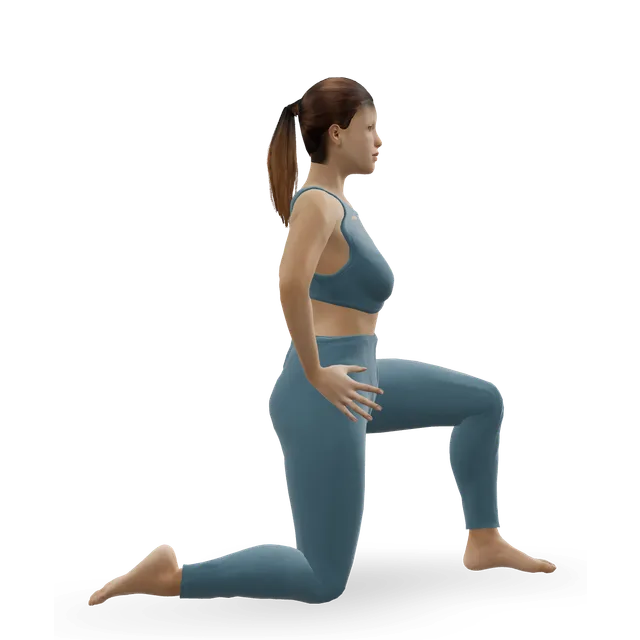
In a crossover trial, tucking the pelvis under (a posterior tilt) during the half-kneeling stretch reduced hip-flexor resistance more than the usual version; two 30-second holds were used. Active and passive home stretching both improved hip extension over 6 weeks in another trial.
Overload can inflame the iliopsoas tendon or its bursa and cause groin pain. The tendon can also snap over the front of the hip (internal snapping hip), common in dancers and athletes and often painless.
Rarely, an infection collects in the psoas, causing back, groin or hip pain with a fever. It needs prompt medical care.
Each grade rates the evidence for the correction.
In 600 adults, iliopsoas length was not associated with low back pain, and in healthy adults hip extension range did not predict pelvic tilt or the curve of the low back. Biomechanical studies found the psoas has very little leverage to change the lumbar curve.
StatPearls articles still say the psoas can contribute to non-specific back pain. A causal link between tight hip flexors and back pain is not established, and no study shows that stretching the psoas relieves back pain.
With the iliacus it lifts the knee toward the chest, helps curl the trunk up when the feet are fixed, and helps hold the low back upright when you sit tall.
The evidence does not support it: hip-flexor length was not associated with back pain in 600 adults, and the psoas has little leverage to change the curve of the low back.
A half-kneeling hip-flexor stretch with the pelvis tucked under worked better than the usual version in a crossover trial. Hold for about 30 seconds, twice.
The psoas starts on the lumbar spine and the iliacus inside the hip bone; they share a tendon to the thigh bone and are usually called the iliopsoas together.
Anatomy and movement education, not a diagnosis or treatment plan. If you have pain that follows an injury, is severe or getting worse, or comes with numbness, weakness or swelling, get it assessed. Health disclaimer.