Muscle guide · Back

Quadratus lumborum

Also called QL, side lower back muscle

The quadratus lumborum is a flat, roughly square muscle deep in the side of the lower back, running from the top of the pelvis to the lowest rib and the low-back vertebrae.

It bends the trunk to the side and helps extend it. How much it stabilises the spine is debated, but it works hard in heavy lifts and side planks.

4 exercises2 stretches6 with 3D demos6 sourcesUpdated 17 October 2026

Where the quadratus lumborum is and what it does

Shaded: the back area. It marks the region, not the exact outline of the quadratus lumborum.
Starts at (origin)
The inside edge of the top of the hip bone at the back.Inner lip of the iliac crest and the iliolumbar ligament
Attaches to (insertion)
The lowest rib and the side bumps of the upper four low-back vertebrae.12th rib and transverse processes of L1 to L4
What it does
  • Bends the trunk to the side: leaning to pick up a bag.Lateral flexion of the lumbar spine
  • Helps arch the low back.Assists lumbar extension
Nerve supply
Subcostal nerve (T12) and branches of the upper lumbar nerves; sources name them differently.

Sources 1, 3

How it works in everyday movement

A stabiliser, or not?Mixed evidence

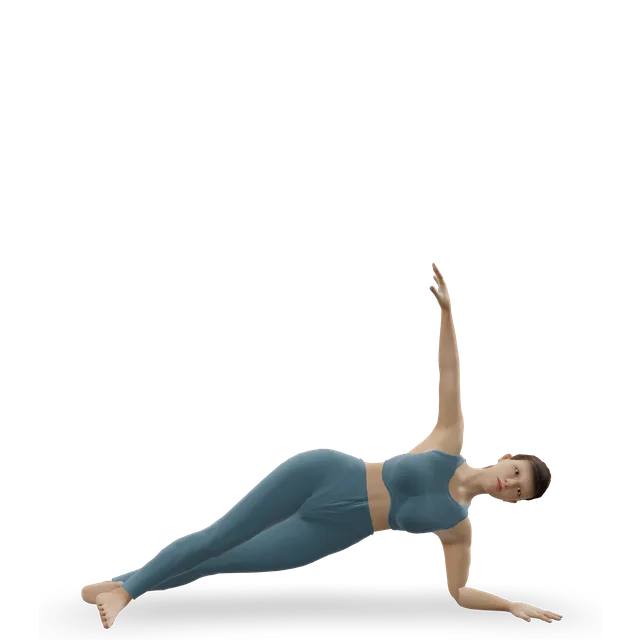
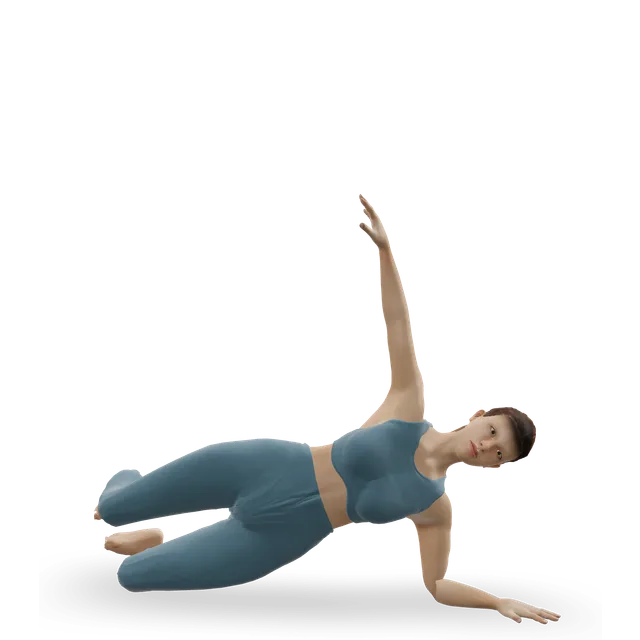
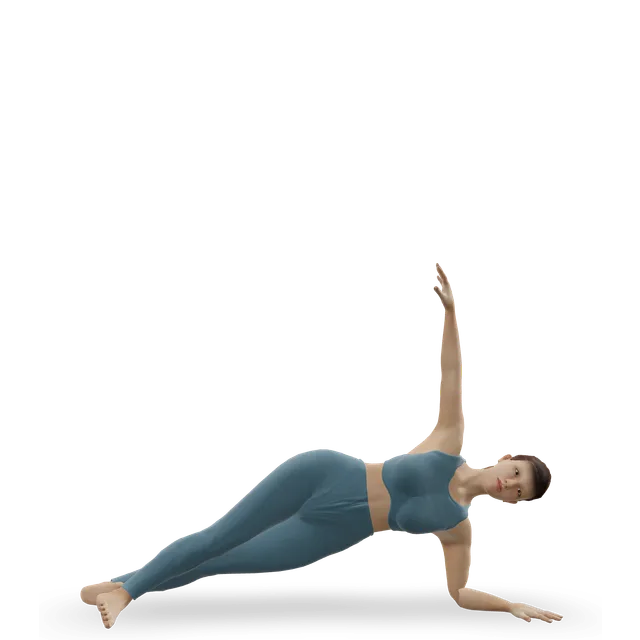
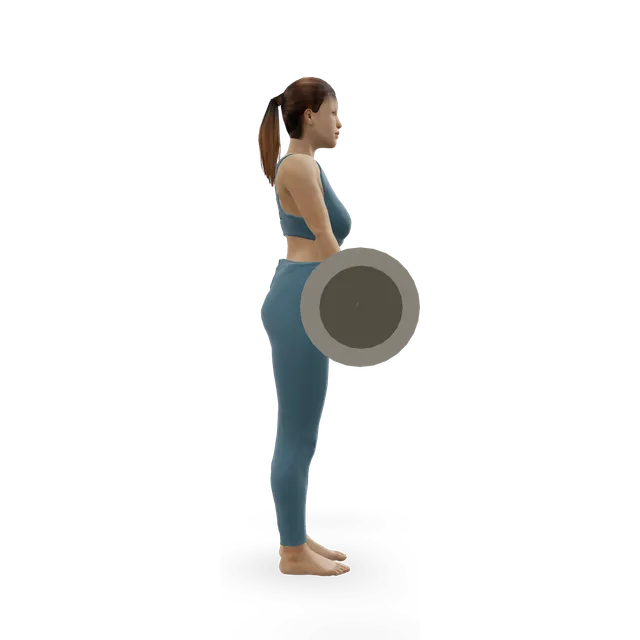
StatPearls doubts it is a significant stabiliser, noting it produces little force in sideways tilt. A fine-wire EMG study found it working at 74% of maximum in heavy barbell lifts and 54% in a side plank, more than other muscles, and called it a better spinal stabiliser than the psoas.

Sources 1, 4

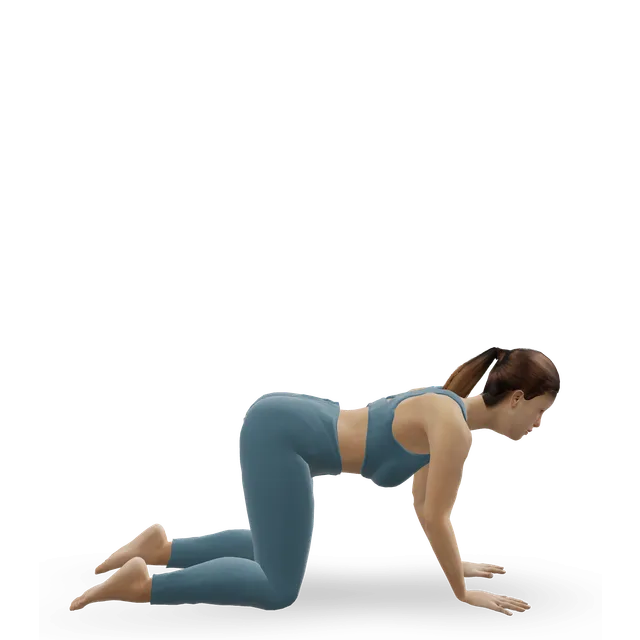
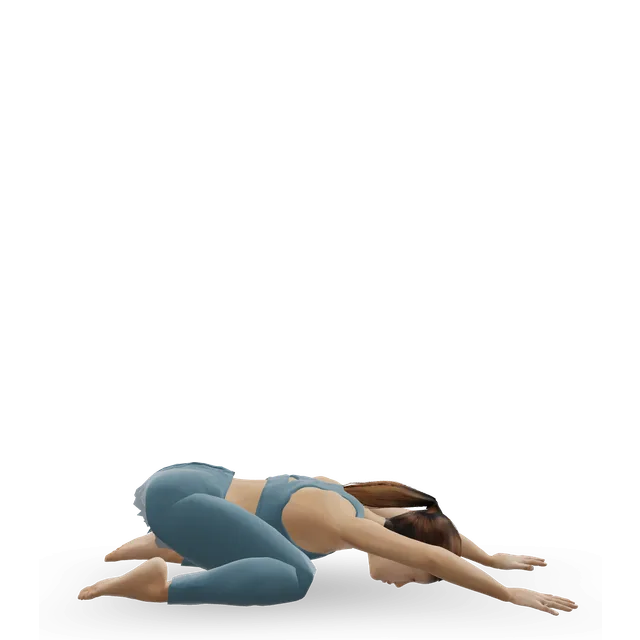
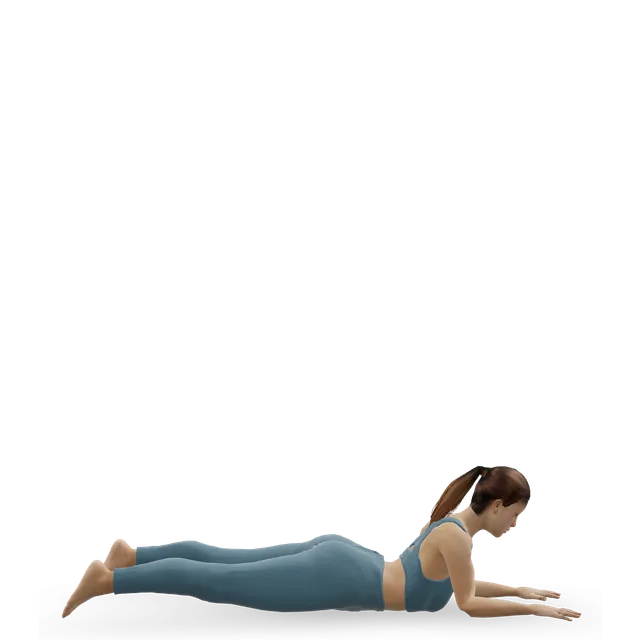
Exercises for the quadratus lumborum

The side plank and heavy lifts were where it worked hardest in the fine-wire EMG study.

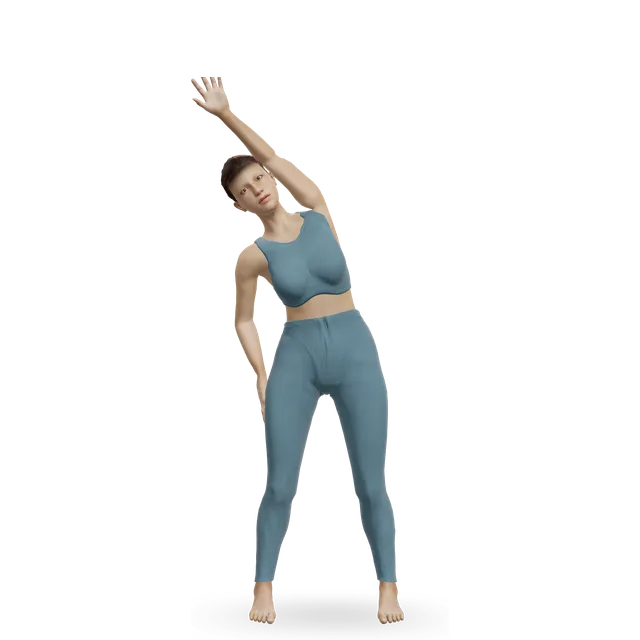
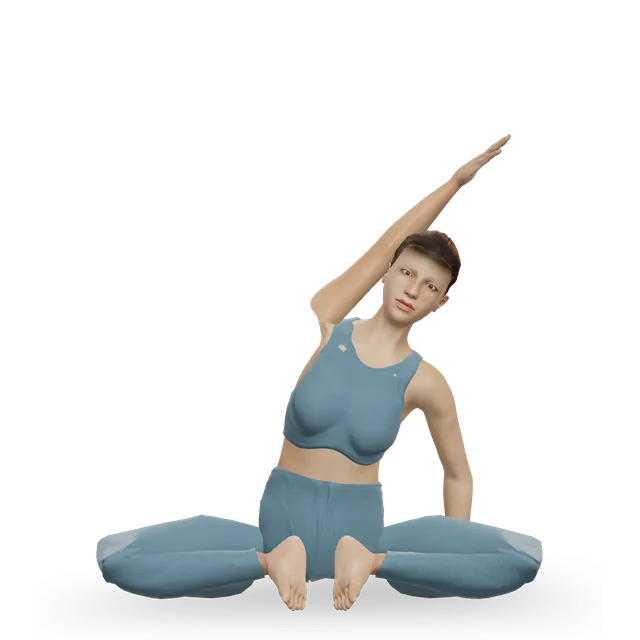
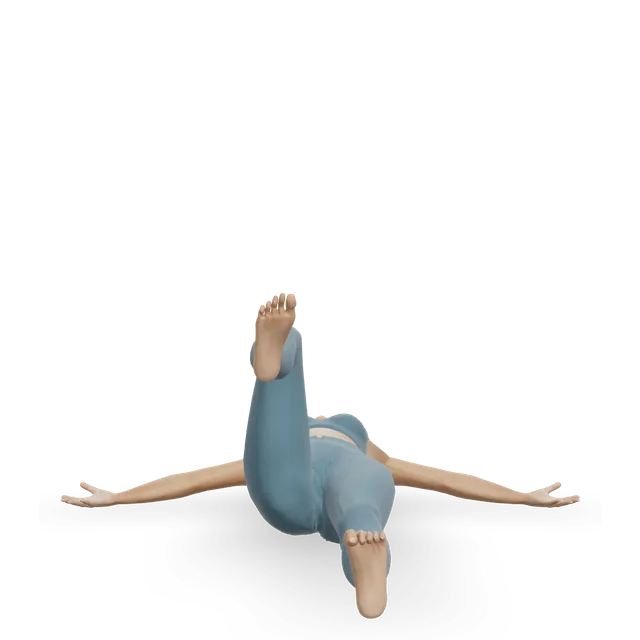
Stretches for the quadratus lumborum

A side bend stretches the side you lean away from. NHS low-back leaflets use it; no study has tested it as a QL stretch.

Problems linked to the quadratus lumborum

Low back pain and trigger points

Trigger points in the QL can produce pain that mimics other low-back problems, and nerves running near it can be irritated. There is no agreement that a change in its tone is a primary cause of back pain.

Source 1

Myths worth dropping

Each grade rates the evidence for the correction.

A tight QL is a common cause of back pain

There is no consensus that altered QL tone is a primary cause of back pain. It is one possible contributor, not the usual culprit.

Source 1

Routines that train it

Questions people ask

What does the quadratus lumborum do?

It bends the trunk to the side and helps arch the low back. It works hard in heavy lifts and side planks.

What is the best exercise for the QL?

The side plank, which loaded it to about half of its maximum in a fine-wire EMG study.

Can the QL cause back pain?

Trigger points in it can mimic other low-back pain, but there is no agreement that QL tightness is a primary cause.

Muscles it works with

Sources

  1. StatPearls · Anatomy, Abdomen and Pelvis: Quadratus Lumborum (2024)
  2. StatPearls · Anatomy, Back (2023)
  3. StatPearls · Anatomy, Abdomen and Pelvis: Posterior Abdominal Wall Nerves (2022)
  4. McGill 1996 · Quadratus lumborum and psoas activity in lifts and side support (fine-wire EMG, Clin Biomech, abstract)
  5. Juker 1998 · Psoas and abdominal wall activity in a range of tasks (fine-wire EMG, Med Sci Sports Exerc, abstract)
  6. Sussex Community NHS Foundation Trust · Mechanical low back pain: rehabilitation exercises

Anatomy and movement education, not a diagnosis or treatment plan. If you have pain that follows an injury, is severe or getting worse, or comes with numbness, weakness or swelling, get it assessed. Health disclaimer.