Muscle guide · Core and trunk

Obliques

Also called side abs, external and internal obliques, waist muscles

The obliques are two flat layers of muscle wrapping the sides of the waist. The external oblique is the outer and larger, with fibres angled down and in like hands sliding into front pockets; the internal oblique lies under it, its fibres crossing at roughly right angles.

Working together they turn and side-bend the trunk, and they help the rest of the abdominal wall brace and squeeze.

5 exercises3 stretches8 with 3D demos14 sourcesUpdated 17 October 2026

Where the obliques is and what it does

Shaded: the abs area. It marks the region, not the exact outline of the obliques.
What it does
  • Twist the trunk: swinging a bat, reaching across a car seat. The left external and right internal oblique turn you to the right.Axial rotation (contralateral external, ipsilateral internal oblique)
  • Bend the trunk to the side.Lateral flexion
  • Help curl the trunk and squeeze the belly.Trunk flexion; raising intra-abdominal pressure
Nerve supply
Thoracoabdominal nerves (T7 to T12), plus the iliohypogastric and ilioinguinal nerves (L1) to their lower parts.

Sources 1, 3, 4, 5

The parts of the obliques

PartStarts atAttaches toWhat it does
External obliqueOuter surfaces of the lower ribs (sources say the lower seven or ribs 5 to 12)Top front of the hip bone, the midline seam of the belly, and the groin ligament it formsTurns the trunk to the opposite side; side-bends and curls it
Internal obliqueTop of the hip bone, the deep fascia of the low back and the outer groin ligamentCartilage of the lower ribs, the midline seam, and the pubic boneTurns the trunk to the same side; side-bends and curls it

Sources 1, 3, 4, 5

Exercises for the obliques

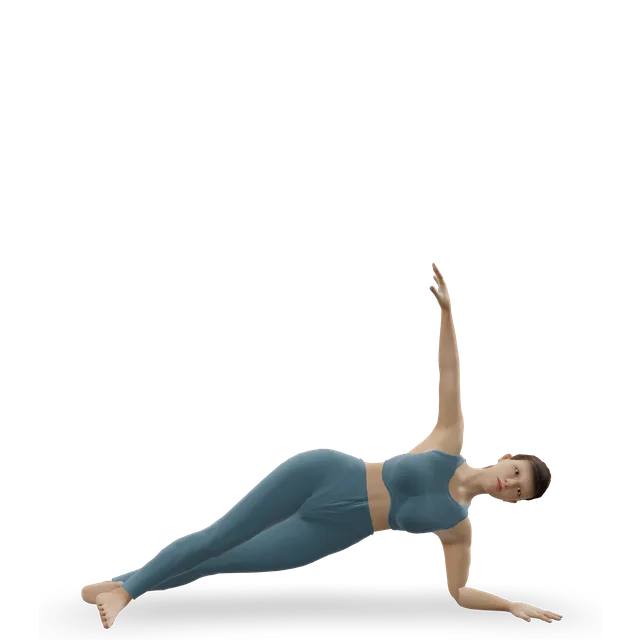
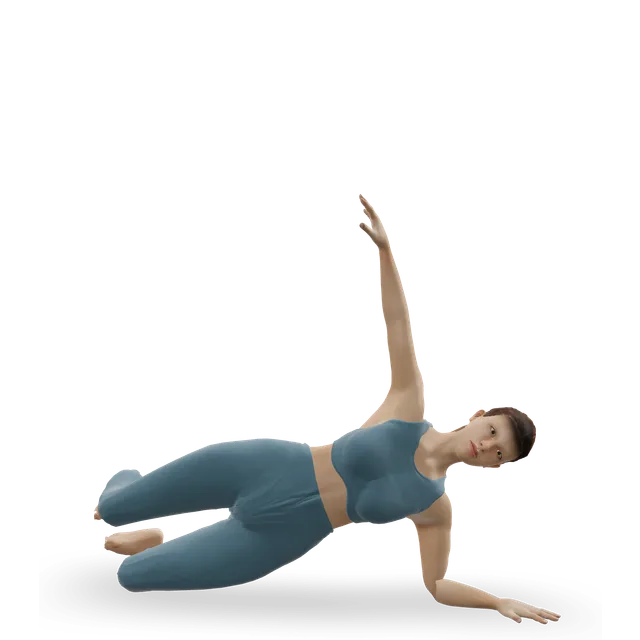
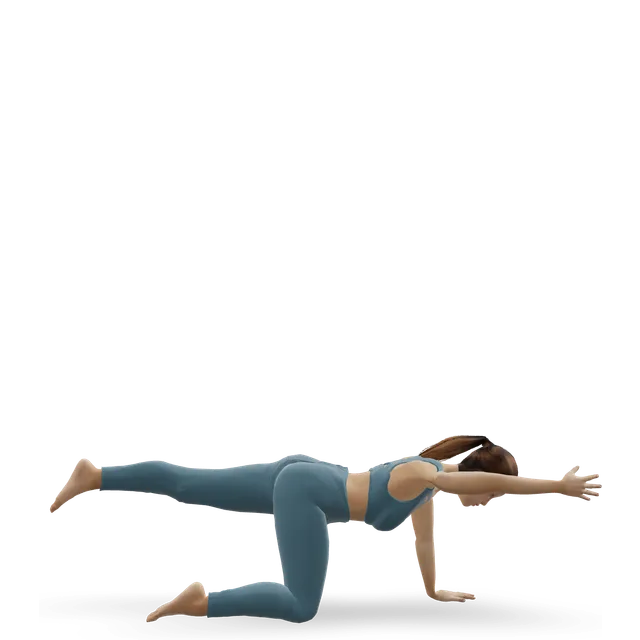
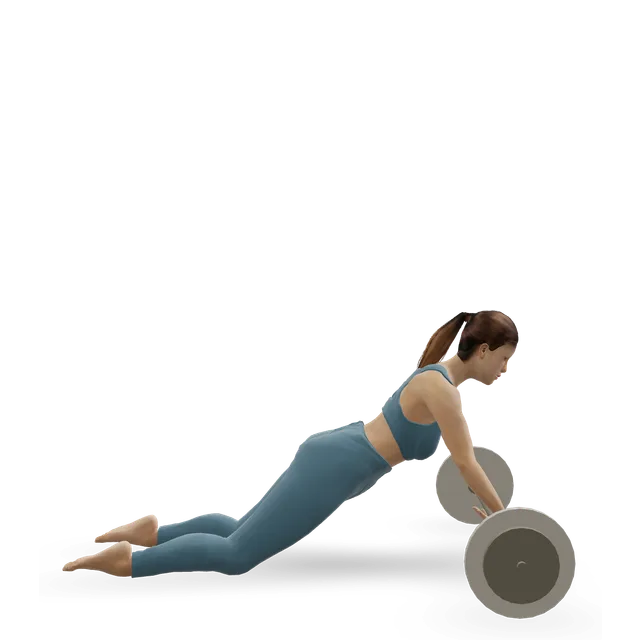
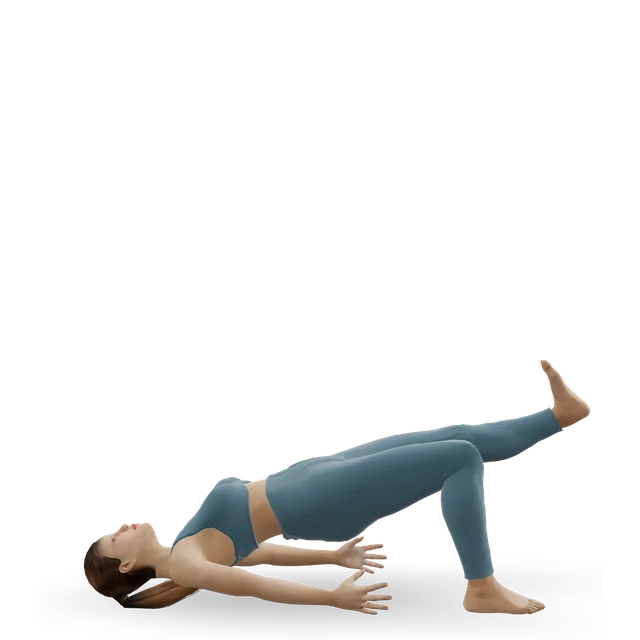
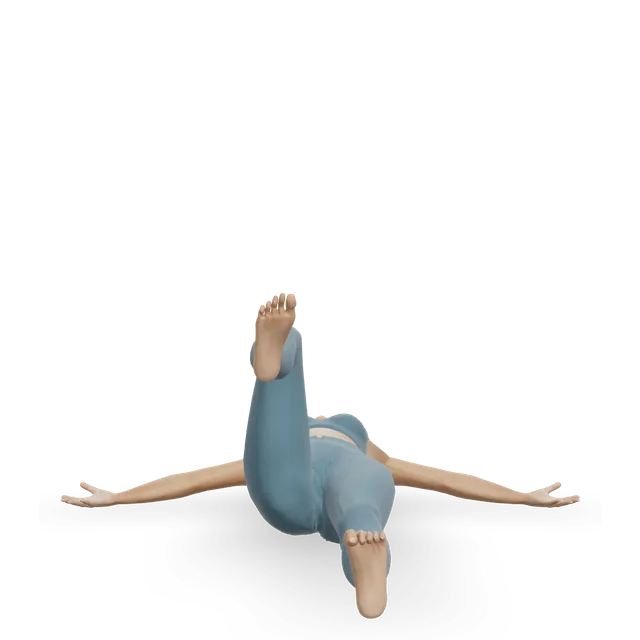
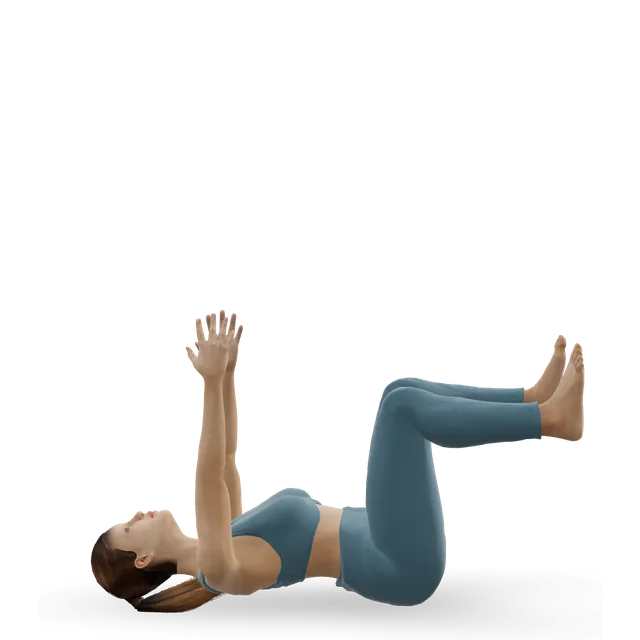
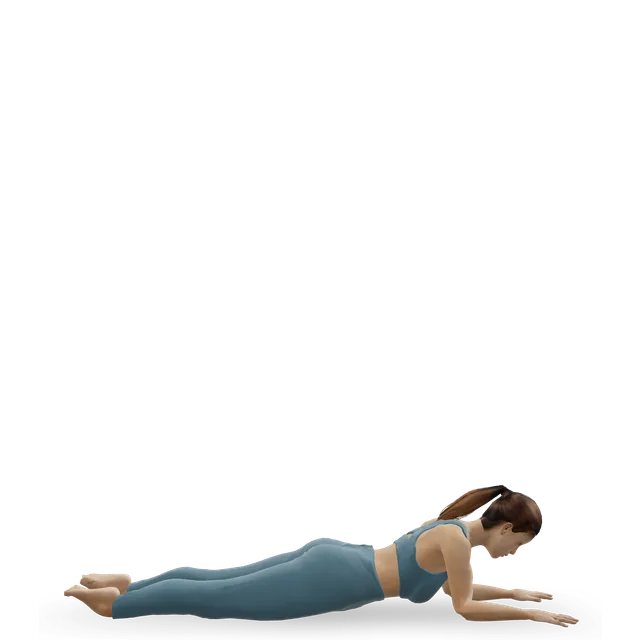
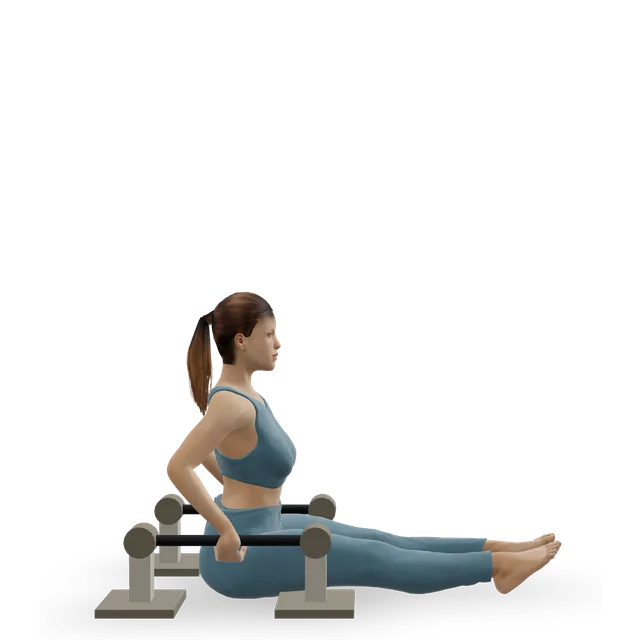
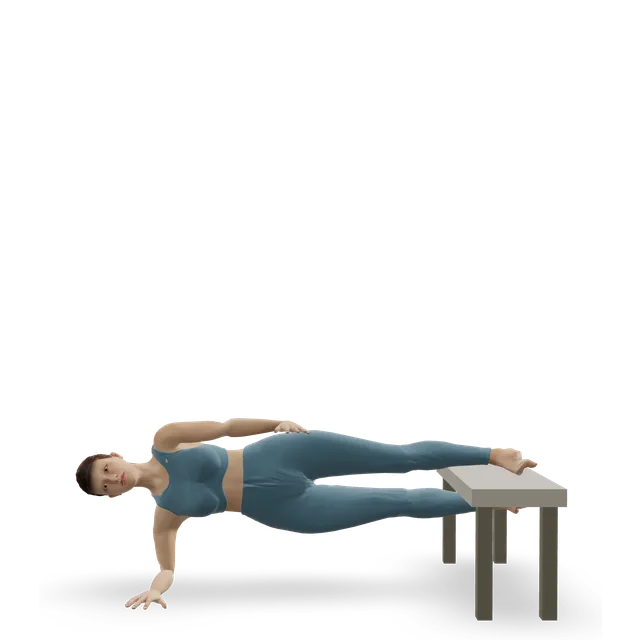
The side bridge was the best abdominal-wall exercise with little psoas load in a fine-wire EMG study; bird dogs raise internal-oblique activity on the side of the lifted arm, and a single-leg bridge loads the obliques more than a two-leg one.

Stretches for the obliques

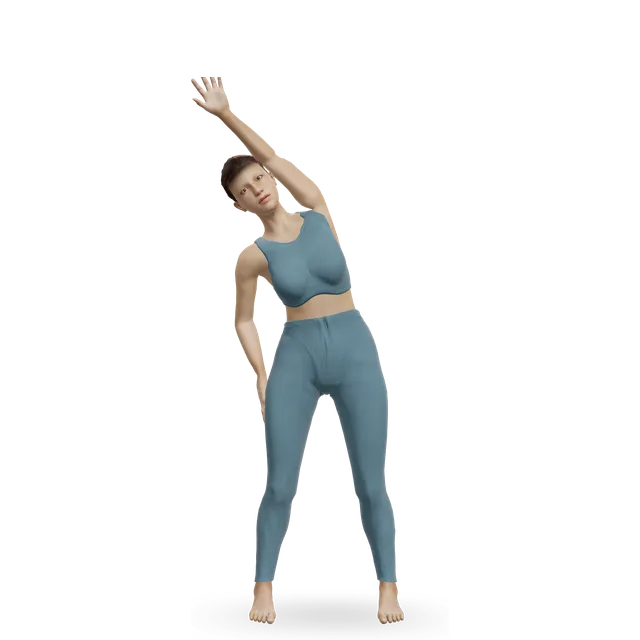
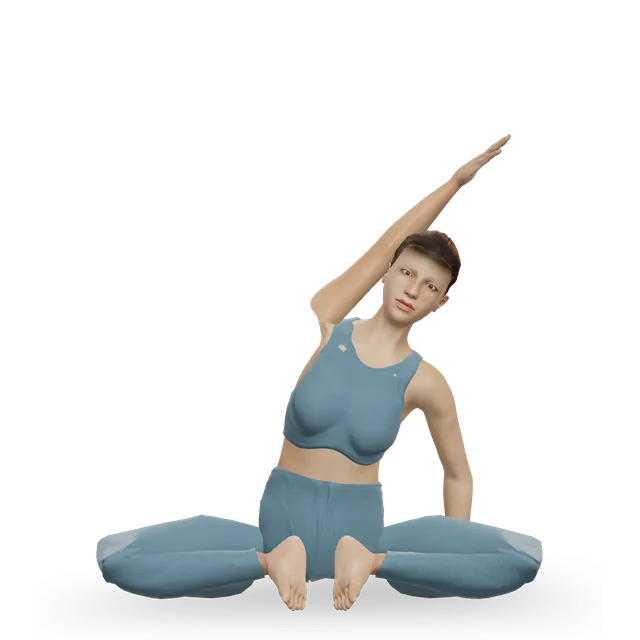
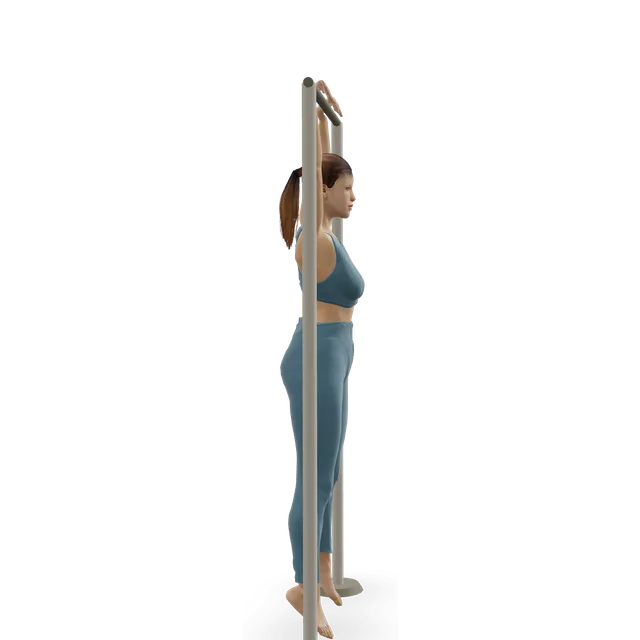
Twists and side bends reverse their actions; NHS low-back leaflets use them, though none names the obliques.

Problems linked to the obliques

Side strain in throwing and batting sports

In fast bowlers, MRI showed tears of the obliques or transversus near their attachments on the lowest ribs, usually on the side opposite the bowling arm, and six of ten were recurrences. In professional baseball, oblique injuries cost about 22 days each, mostly while batting or pitching.

Sources 6, 7

Myths worth dropping

Each grade rates the evidence for the correction.

Side bends and twists burn off love handlesMixed evidence

Six weeks of ab exercise did not change the skinfold over the hips in a randomised trial. Small trials combining ab work with aerobic training disagree, so the most you can say is that oblique work alone is not a reliable way to lose fat there.

Sources 12, 13

Heavy, fast twisting builds a strong waist safely

The EMG study of loaded trunk rotation concluded that, for safety, load and speed of rotation should be kept low.

Source 5

Routines that train it

Questions people ask

What do the obliques do?

They twist and side-bend the trunk and help the abdominal wall curl and brace. To turn right, your left external and right internal obliques work together.

What is the best exercise for the obliques?

The side plank: in a fine-wire EMG study it was the best abdominal-wall exercise while keeping psoas load low.

Can you lose love handles with oblique exercises?

Not reliably. Six weeks of ab training did not change fat over the hips in a randomised trial.

Muscles it works with

Sources

  1. StatPearls · Anatomy, Abdomen and Pelvis: Abdominal Wall (2023)
  2. StatPearls · Anatomy, Abdomen and Pelvis: Anterolateral Abdominal Wall Muscles (2023)
  3. StatPearls · Anatomy, Abdomen and Pelvis: Anterolateral Abdominal Wall (2023)
  4. StatPearls · Anatomy, Abdomen and Pelvis: Anterolateral Abdominal Wall Nerves (2023)
  5. Kumar 2003 · Trunk muscle activity in axial rotation (Spine J, abstract)
  6. Humphries & Jamison 2004 · Side strain in fast bowlers (Br J Sports Med, abstract)
  7. Camp 2017 · Oblique injuries in professional baseball (Orthop J Sports Med, abstract)
  8. Ekstrom 2007 · Muscle activity in core exercises including the side bridge (JOSPT, abstract)
  9. Juker 1998 · Psoas and abdominal wall activity in a range of tasks (fine-wire EMG, Med Sci Sports Exerc, abstract)
  10. García-Vaquero 2012 · Trunk muscle activity in bridges, planks and bird dogs (J Electromyogr Kinesiol, abstract)
  11. Escamilla 2010 · Abdominal muscle activity in ball and roll-out exercises (JOSPT, abstract)
  12. Vispute 2011 · Six weeks of abdominal exercise and abdominal fat (RCT, J Strength Cond Res, abstract)
  13. Brobakken 2023 · Abdominal exercise added to running and trunk fat (RCT, Physiol Rep, abstract)
  14. Sussex Community NHS Foundation Trust · Mechanical low back pain: rehabilitation exercises

Anatomy and movement education, not a diagnosis or treatment plan. If you have pain that follows an injury, is severe or getting worse, or comes with numbness, weakness or swelling, get it assessed. Health disclaimer.