Built for effort, not for strolling
On level ground the muscle is active only briefly, from heel strike to foot flat, and losing it does not change an ordinary walk. Stairs, hills and getting up from a seat are where it is indispensable.
Source 1
Muscle guide · Hips and glutes
Also called glutes, glute max, butt muscle
The gluteus maximus is the large muscle that gives the buttock its shape, the outermost of the three glutes. Its fibres run diagonally from the back of the pelvis and the base of the spine down to the thigh bone and the IT band.
It does its biggest work when you need force: standing up from a chair, climbing stairs or a hill, straightening up from a bend, and sprinting. On flat ground at a walk it does surprisingly little.
On level ground the muscle is active only briefly, from heel strike to foot flat, and losing it does not change an ordinary walk. Stairs, hills and getting up from a seat are where it is indispensable.
Source 1
In a review of 16 EMG studies, step-ups produced the highest activity; deadlifts, hip thrusts, lunges and split squats were all very high.
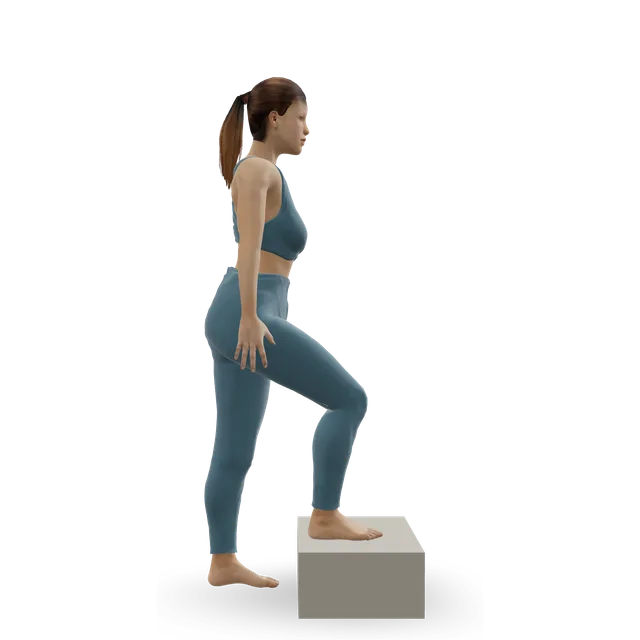 3D demoStep-upBeginner · A step
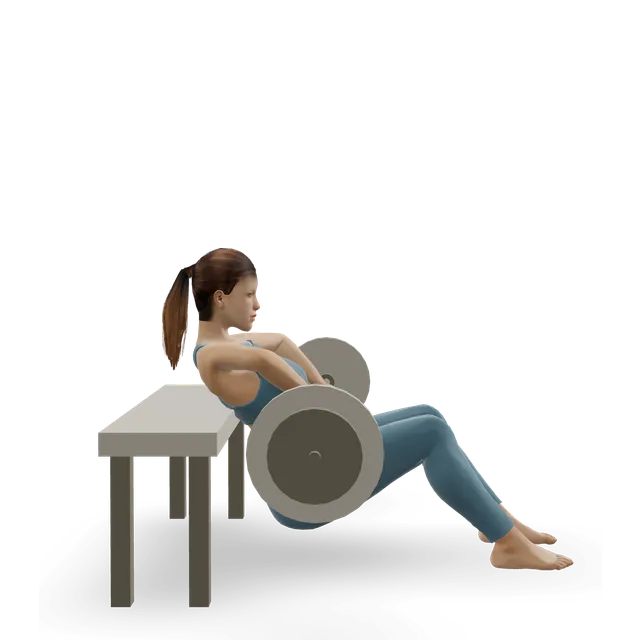 3D demoBarbell hip thrustIntermediate · A barbell + A bench or box
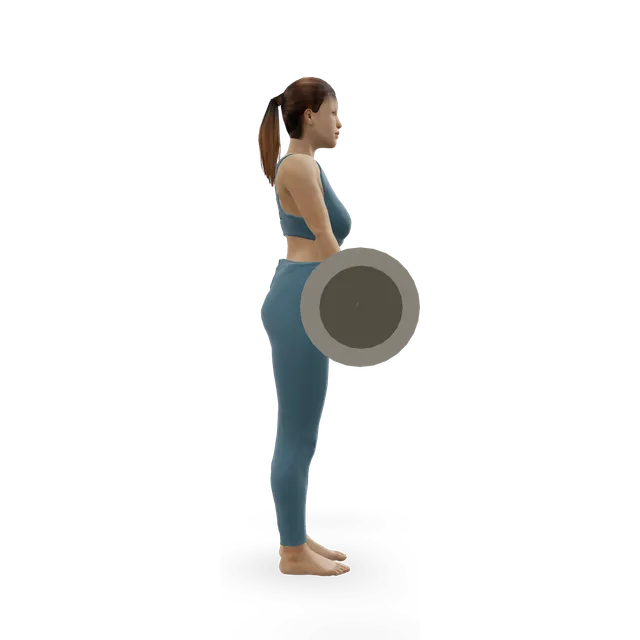 3D demoBarbell deadliftAdvanced · A barbell
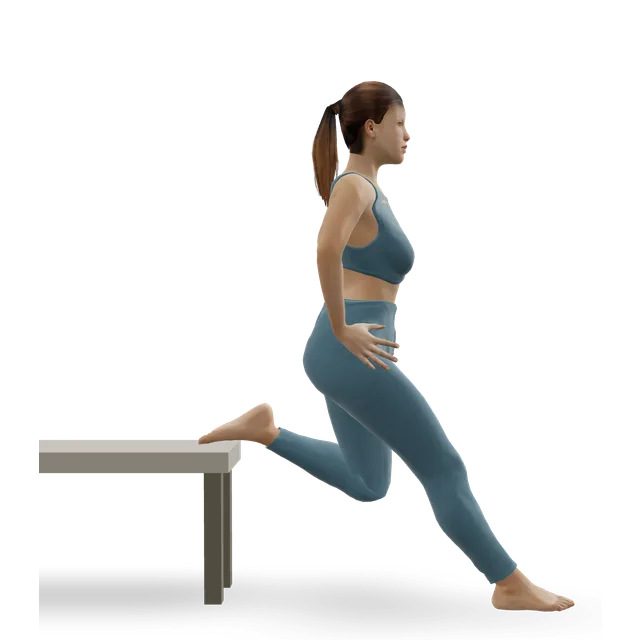 3D demoRear-foot-elevated split squat (Bulgarian split squat)Intermediate · A bench or box
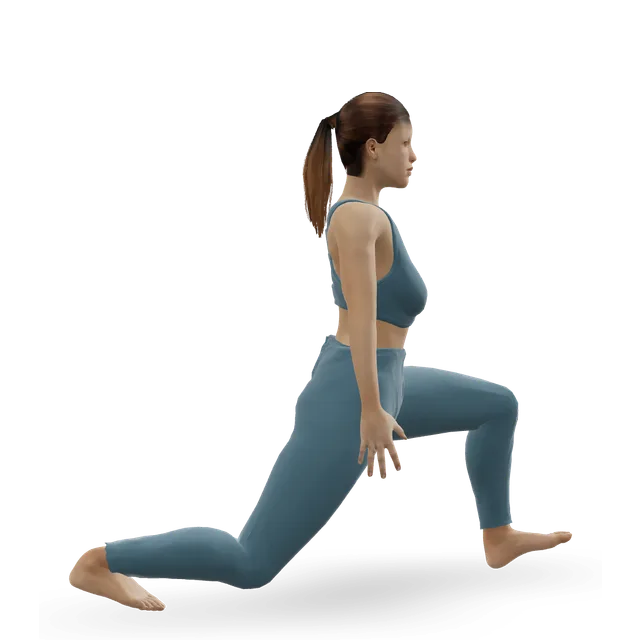 3D demoReverse lungeIntermediate · No equipment
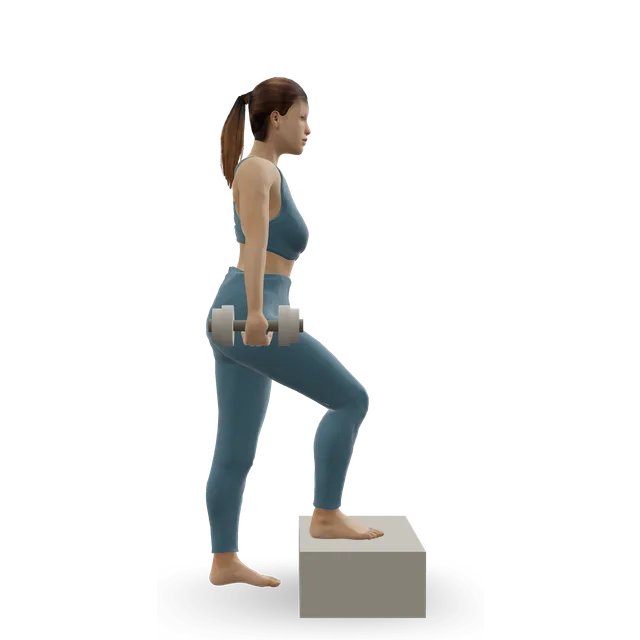 3D demoDumbbell step-upIntermediate · A dumbbell + A step
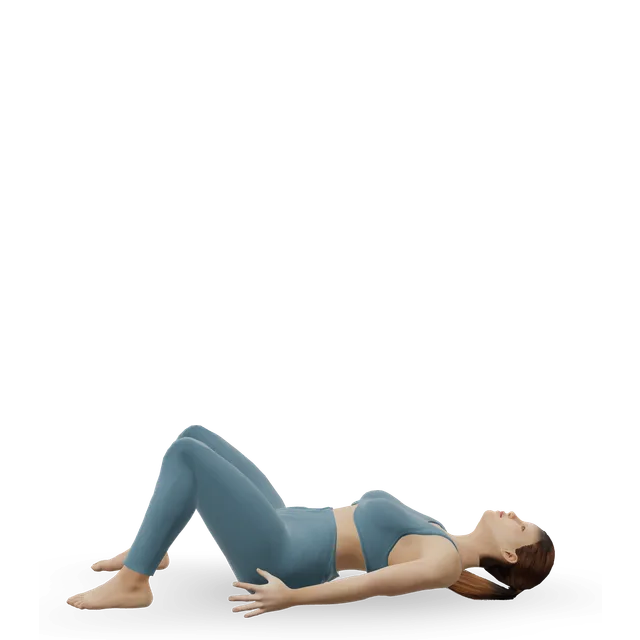
 3D demoGlute bridgeBeginner · No equipment
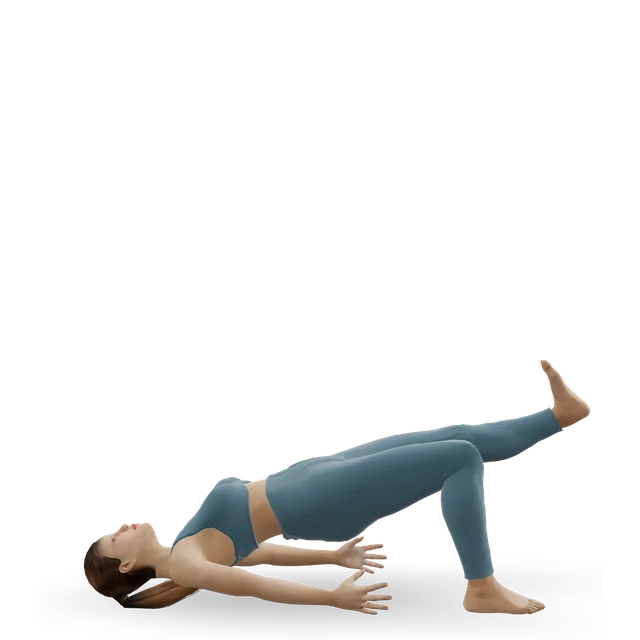 3D demoSingle-leg glute bridgeIntermediate · No equipment
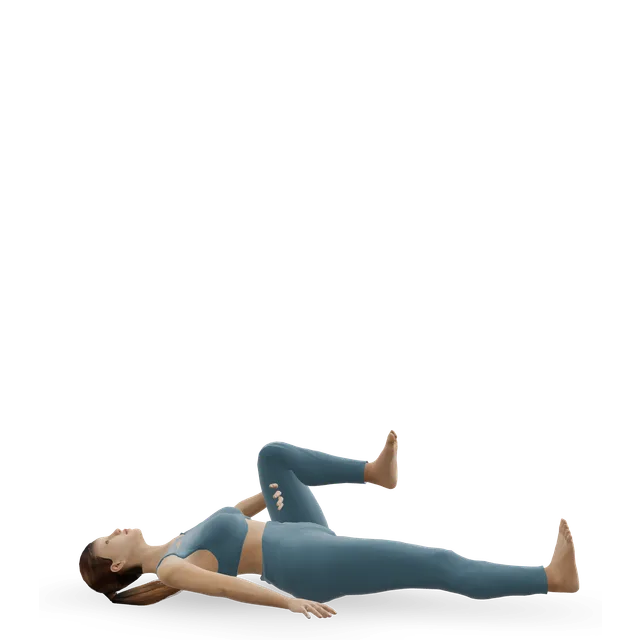
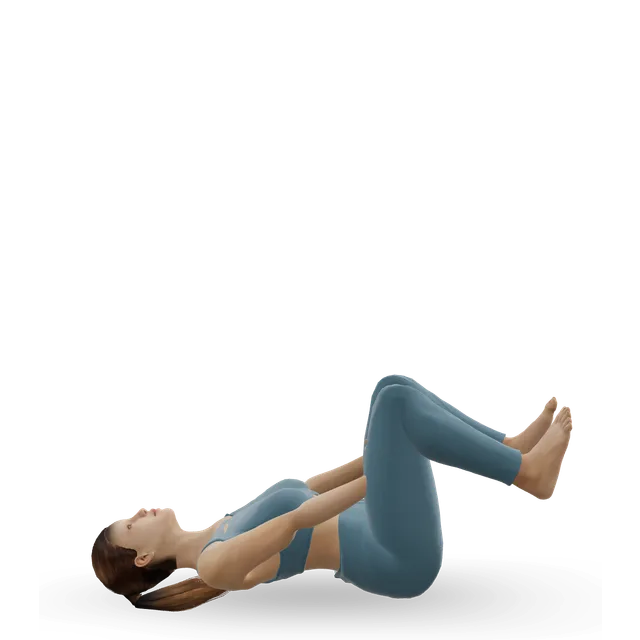
Bringing the knee toward the chest reverses its main action, hip extension.
Damage to the inferior gluteal nerve makes rising from a seat and climbing stairs hard. A posterior hip dislocation is the most common cause; a misplaced buttock injection is another, which is why injections go in the upper outer quarter of the buttock.
Source 1
A fluid-filled bursa separates the muscle from the bony point on the outside of the hip, and it is one of the structures involved in greater trochanteric pain syndrome. In that condition the tendons of the gluteus medius and minimus are more often the source than the bursa.
A snap on the outside of the hip can come from a thickened back edge of the IT band, or the front tendon fibres of the gluteus maximus, catching on the bony point of the hip. It is often painless.
Source 4
Each grade rates the evidence for the correction.
The hip thrust is often crowned, but the review that compared loaded exercises found several above 60% of maximal activity: step-ups (the highest), deadlifts, hip thrusts, lunges and split squats. Pick the ones you can load and progress.
Source 5
A 25-minute glute workout with bodyweight and a mini band: bridges, clamshells, band walks, kickbacks and lunges.
25 minBeginner9 movesA wall, A bandA gym leg day: back squats, leg press, leg curls, Bulgarian split squats, leg extensions and calf raises.
55 minIntermediate9 movesA wall, A barbellA gym lower body workout for legs and glutes: trap bar deadlifts, hip thrusts, reverse lunges, leg curls, hip abduction, calf raises and core.
50 minIntermediate13 movesOther / check instructions, A barbellIt straightens the hip with force, as when you stand up from a chair, climb stairs or sprint, turns the thigh outward, and steadies the pelvis when you stand on one leg.
In a review of 16 EMG studies, step-ups produced the highest activity, with deadlifts, hip thrusts, lunges and split squats close behind. All of them work it hard when loaded.
It is the large, outermost muscle of the buttock, running from the back of the pelvis and the base of the spine to the IT band and the back of the upper thigh bone.
The inferior gluteal nerve, from the L5, S1 and S2 nerve roots. It supplies no other muscle.
Anatomy and movement education, not a diagnosis or treatment plan. If you have pain that follows an injury, is severe or getting worse, or comes with numbness, weakness or swelling, get it assessed. Health disclaimer.